
Planting
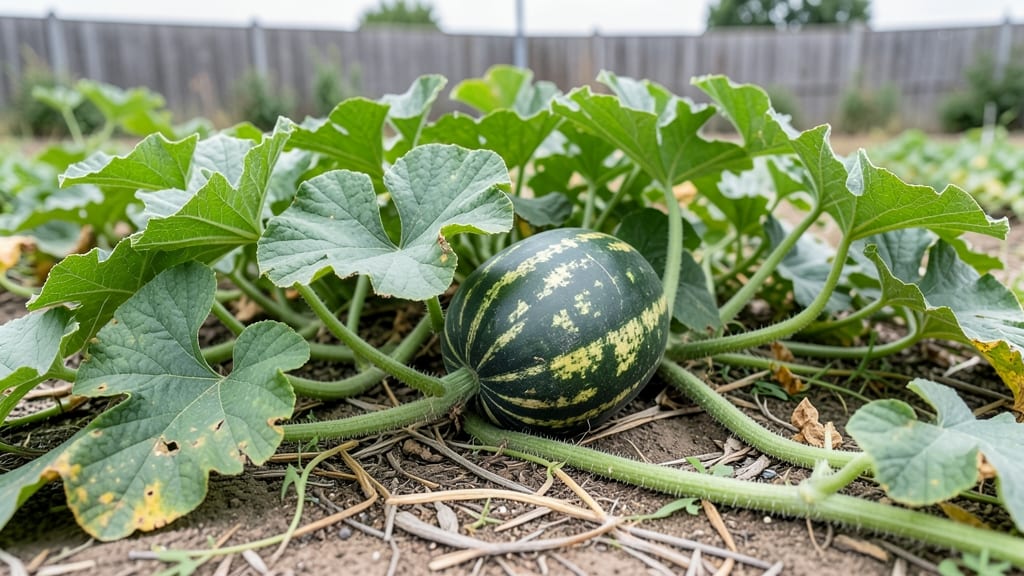
The Jubilee watermelon plant thrives in warm climates with 70-90 days to maturity, producing sweet, red-fleshed fruit weighing 15-25 lbs. Plant seeds 1 inch deep in well-draining soil, space vines 3-4 feet apart, and provide consistent moisture while avoiding overwatering to boost disease resistance and yield.
The Jubilee watermelon plant is a favorite among gardeners for its fast growth and reliable harvests. 🌱 This variety loves heat and sunshine, making it perfect for summer planting in zones 4-11.
The key to its success lies in proper spacing—those sprawling vines need room to breathe, and well-draining soil prevents root rot while encouraging strong fruit development.
I've found that mulching around the base helps maintain even moisture, which is crucial since too much water can actually reduce sweetness and increase disease risks like powdery mildew.
What sets Jubilee apart is its disease resistance—when you balance watering with good airflow, you'll see fewer problems in the garden. Plus, those 15-25 lb fruits are heavy hitters, so sturdy trellising or strong support becomes essential as they mature.
The faster you get them established, the quicker you'll enjoy those juicy slices straight from the vine!
💡 In This Article
- Optimal Conditions for Jubilee Watermelon Growth
- Step-by-Step Jubilee Watermelon Planting Guide
Optimal conditions for Jubilee watermelon growth
The Jubilee watermelon plant thrives best when soil pH ranges between 6.0 and 6.8, which is slightly acidic to neutral. This pH range optimizes nutrient availability, particularly for phosphorus and potassium—two critical elements for vine development and fruit sweetness.
The plant's fibrous root system, which can extend 3-4 feet deep, relies on this balanced pH to absorb water and nutrients efficiently. When pH strays above 7.0, phosphorus becomes locked in the soil, stunting growth, while below 5.5 can lead to aluminum toxicity, causing root damage.
Temperature is equally crucial, with ideal growing conditions between 75°F and 95°F during the day. Jubilee watermelons are warm-season crops that require consistent warmth to germinate and mature. The plant's metabolic processes—like photosynthesis and respiration—accelerate in these temperatures, fueling rapid vine growth and fruit development.
Below 60°F, germination slows dramatically, while above 100°F, the plant can experience heat stress, leading to blossom drop or poor fruit set. This is why planting after the last frost is essential in cooler climates.
Sunlight needs are non-negotiable: Jubilee watermelons demand 6-8 hours of direct sunlight daily to produce the energy required for photosynthesis. The plant's large, waxy leaves are designed to maximize light absorption, but shade—even partial—can reduce sugar accumulation in the fruit.
For example, a melon receiving only 4 hours of sun may develop a smaller, less sweet harvest. This is why south-facing gardens or raised beds in full sun are ideal, especially in regions with shorter daylight hours during summer solstice.
Humidity plays a surprising role in disease resistance, particularly against powdery mildew, a fungal disease that thrives in 70-80% humidity. Jubilee watermelons benefit from 40-60% humidity, where airflow circulates freely around the vines. High humidity creates a moist environment that allows fungal spores to germinate and spread.
To combat this, gardeners often use mulch to regulate soil moisture and improve airflow at the plant base. Additionally, spacing vines 3-4 feet apart reduces crowding, which is a common trigger for fungal outbreaks.
The plant's root structure is another key factor in its success. Jubilee watermelons develop a deep taproot system that anchors the plant and accesses water from lower soil layers, while also spreading horizontally through fibrous roots.
This dual system allows the plant to stabilize itself in windy conditions while efficiently absorbing nutrients like nitrogen, which is critical for leafy vine growth. However, compacted or waterlogged soil can restrict root expansion, leading to stunted plants and smaller fruits.
Amending the soil with compost before planting ensures a loose, well-aerated medium that encourages robust root development.
One often-overlooked detail is how temperature fluctuations affect fruit quality. Jubilee watermelons grown in consistently warm conditions develop higher sugar content because enzymes like sucrose synthase operate optimally between 80°F and 90°F. Nighttime temperatures dropping below 65°F can slow sugar production, resulting in less sweet fruit.
This is why gardeners in cooler climates may need to use row covers or extend the growing season with black plastic mulch to maintain ideal temperatures.