
Diseases
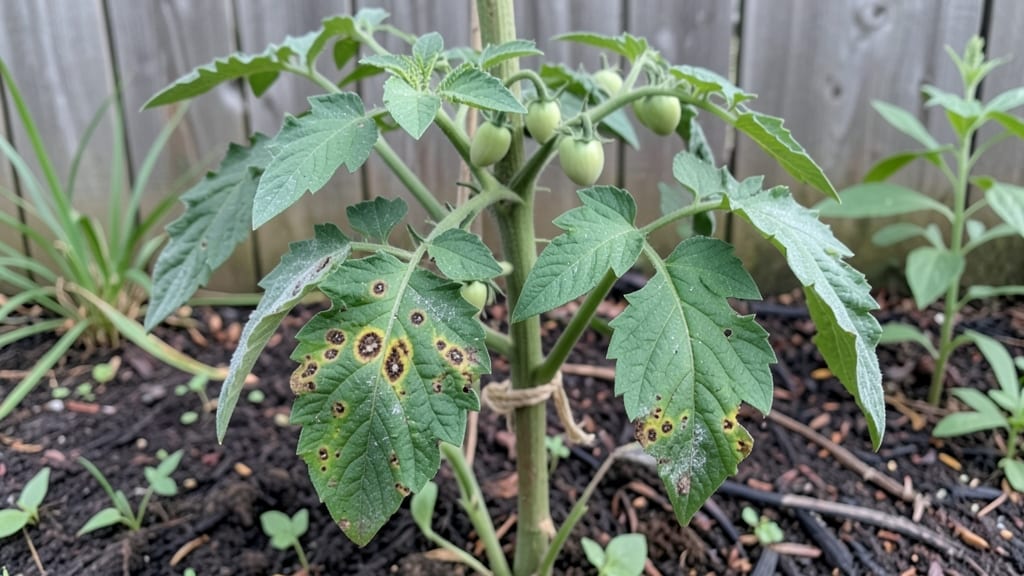
Identifying tomato plant diseases starts with knowing the enemy—because one wrong move can turn your lush vines into a sad, spotted mess. 🌱 I’ve lost entire plants to early blight and late blight, and the key to saving yours is catching the symptoms early: brown spots with yellow halos, wilting leaves, or strange discoloration that spreads like wildfire.
The worst offenders—early blight, late blight, and bacterial spot—love warm, wet conditions, and they don’t care if you’ve got heirlooms or hybrids.
Early blight starts on lower leaves with concentric rings, while late blight (the one that wiped out Ireland’s potatoes) shows up as greasy, dark spots that spread fast. Bacterial spot? Tiny, water-soaked dots that turn into scabs.
Prevention is your best weapon: rotate crops, space plants for airflow, and water at the base—not the leaves.
Once you spot the problem, act fast. Copper sprays and neem oil can stop fungal diseases in their tracks, while bacterial spot often needs a mix of copper and pruning infected leaves.
The goal? Keep your plants healthy enough to fight back. With the right moves, you’ll go from panicked gardener to blight-busting pro in no time.
This isn’t just about saving plants—it’s about protecting your harvest. A single infected leaf can ruin a whole season if you ignore it. Let’s turn your tomato troubles into triumphs, one symptom at a time.
Root Causes Of Tomato Plant Troubles
Tomato plant diseases don’t just appear out of nowhere—they’re often the result of a mix of environmental stress, poor growing conditions, and microbial invaders. Understanding why these issues arise is the first step to preventing them.
Below, we break down the key factors that turn your thriving tomato plants into a battleground for pathogens.
Tomatoes thrive in warm, consistent temperatures (60–85°F during the day, 50–65°F at night). When conditions stray too far from this range—or when humidity spikes—diseases like early blight, late blight, and powdery mildew get a foothold.
- Too Much Heat + High Humidity = Perfect Pathogen Party - Fungal spores (like Phytophthora infestans, the culprit behind late blight) love damp, warm air.
When nights stay above 70°F with high humidity, spores germinate and spread rapidly. - Solution: Improve airflow with proper spacing (18–24 inches between plants) and use drip irrigation (instead of overhead watering) to keep foliage dry.
- Cold Snaps Stress Plants
- Temperatures below 50°F weaken tomato plants, making them more susceptible to bacterial spot and fungal infections.
- Solution: Use row covers in early spring or plant in warm microclimates (south-facing slopes or near heat-retaining walls).
Tomatoes hate soggy feet. While they need 1–1.5 inches of water per week, poor drainage or excessive watering creates the ideal breeding ground for root rot (Phytophthora spp.) and foliar diseases like early blight.
- Why It Happens:
- Fungal spores thrive in wet conditions. When soil stays damp for days, spores germinate and infect roots or leaves through stomata (tiny pores).
- Bacterial diseases (like bacterial wilt) also spread faster in water-saturated soil, entering through wounds or pruning cuts.
- Solution:
- Test your soil’s drainage—if water pools after 6 hours, amend with compost or sand.
- Water deeply but infrequently (early morning is best) and avoid wetting leaves.
- Raise beds if your garden has clay-heavy or compacted soil.
Many tomato diseases are spread by fungal spores, which can linger in soil, plant debris, or even the wind. Some of the worst offenders include:
| Disease | Causal Agent | How It Spreads |
|---|---|---|
| Early Blight | Alternaria solani | Survives in infected plant debris; spreads via splashing water or wind. |
| Late Blight | Phytophthora infestans | Airborne spores (especially in cool, wet weather); can travel miles. |
| Powdery Mildew | Oidium neolycopersici | Windborne spores; thrives in shady, humid conditions. |
| Fusarium Wilt | Fusarium oxysporum | Soilborne; enters through root wounds. |
- Why It Persists:
- Spores can overwinter in old plant material, meaning last year’s infected leaves or stems may still harbor pathogens.
- Crowded plants reduce airflow, trapping moisture and spores against leaves.
- Solution:
- Rotate crops—don’t plant tomatoes (or nightshades like peppers/eggplants) in the same spot for 3+ years.
- Clean up debris thoroughly in fall (remove and compost or trash infected plants—do not add to garden compost).
- Use copper fungicides (like Bordeaux mixture) as a preventative spray in early season.
Some of the worst tomato diseases (like bacterial spot and wilt) enter plants through insect damage. Here’s how pests pave the way:
- Aphids, Whiteflies, and Spider Mites
- These sap-sucking insects weaken plants, making them more vulnerable to secondary infections.
- They also spread viral diseases (like tomato mosaic virus) via their feeding.
- Hornworms and Slugs
- Chewing damage creates open wounds, giving bacteria (Xanthomonas spp.) and fungi easy entry.
- Solution:
- Monitor plants weekly for pests—handpick hornworms or use neem oil for soft-bodied insects.
- Encourage beneficial predators (ladybugs, lacewings) with dill or marigold companion plants.
Tomatoes under nutritional stress (too much nitrogen, deficiency in calcium or potassium) become easier targets for disease.
- Too Much Nitrogen = Soft, Susceptible Growth
- Excess nitrogen leads to lush, weak foliage with poor airflow, trapping moisture and spores.
- Solution: Use a balanced fertilizer (10-10-10 or 5-10-10) and side-dress with compost instead of synthetic nitrogen spikes.
- Calcium Deficiency = Blossom End Rot
- Low calcium (common in sandy or acidic soils) causes cell wall breakdown, leading to rot and cracks where bacteria/fungi can enter.
- Solution: Add crushed eggshells, lime, or calcium nitrate to soil. Mulch heavily to keep roots cool and stable.
- Potassium Deficiency = Weakened Immunity
- Potassium (K) helps regulate stomatal function—without enough, plants can’t close pores quickly, letting pathogens in.
- Solution: Use wood ash or greensand for a potassium boost.
Even well-meaning gardeners can spread disease unknowingly. Bacterial spot, bacterial wilt, and viral infections often hitch a ride on:
- Pruners, knives, or hands moving between infected and healthy plants.
- Reused containers with old soil harboring Fusarium or Verticillium spores.
- Solution:
- Sterilize tools between uses with 70% isopropyl alcohol or bleach solution.
- Wash hands before handling different plants.
- Disinfect containers with hydrogen peroxide (3%) before replanting.
Some diseases are inevitable in certain climates, but smart planning can minimize damage:
- Late Blight in Cool, Wet Summers
- This Irish potato famine pathogen thrives in temperatures between 60–75°F with high humidity.
- Solution: Plant resistant varieties (like ‘Mountain Merit’ or ‘Defiant PhR’) and use row covers in early season.
- Drought Stress Leading to Sunscald
- Sudden heat waves after dry spells cause blistering on fruit, making it prone to rot and cracking.
- Solution: Mulch deeply (3–4 inches) to retain moisture and shade young plants with cloches or shade cloth.
Most tomato diseases don’t appear overnight—they’re the result of cumulative stress and poor conditions. By controlling moisture, improving airflow, rotating crops, and keeping tools clean, you can dramatically reduce the risk of infection.
💡 Pro Tip: Keep a garden journal to track weather patterns, watering habits, and disease outbreaks—this helps you spot trends and adjust next season!
Quick Fixes for Common Tomato Woes
When your tomato plants start showing signs of distress, acting fast is key to saving your harvest. Below are practical, step-by-step solutions tailored to the most common tomato diseases—plus tips to keep your plants thriving long-term. Think of this as your emergency repair guide for a healthier garden! 🚨
Cause: Alternaria solani fungus thrives in warm, humid conditions, creating concentric rings on lower leaves.
How to Fix It:
1. Prune and Remove 🔪 Remove all infected leaves (including stems) and dispose of them in the trash not the compost. This prevents spores from reinfecting your plants or soil.
2. Boost Airflow 🌬️ Early blight loves crowded plants. Space your tomatoes 18–24 inches apart and use stakes or cages to keep foliage upright. If growing in containers, ensure pots have drainage holes.
3. Apply Fungicide 🛡️
- Preventive: Spray copper fungicide (like Bordeaux mixture) every 7–10 days during humid weather.
- Organic option: Mix 1 tbsp baking soda + 1 tsp dish soap + 1 gallon water. Spray undersides of leaves weekly.
- Chemical option: Use chlorothalonil (e.g., Daconil) if the disease is severe.
4. Rotate Crops Next Season 🌱 Avoid planting tomatoes, potatoes, or peppers in the same spot for at least 3 years to break the fungus’s life cycle.
Cause: Phytophthora infestans—the same fungus that caused the Irish potato famine—spreads rapidly in cool, wet weather.
How to Fix It:
1. Quarantine Immediately 🚫 Isolate infected plants at least 10 feet away from healthy ones. Late blight spreads via wind and water, so containment is critical.
2. Remove Everything (Yes, Really) 🗑️ Dig up all infected plants and destroy them (burn or bag them). Do not compost. Even a single leaf left in the soil can reinfect next season.
3. Disinfect Tools and Soil 🧼
- Clean pruners with 70% rubbing alcohol or bleach solution (1 part bleach to 9 parts water) between cuts.
- Solarize the soil by covering it with clear plastic for 4–6 weeks to kill spores (best in hot climates).
4. Use Fungicides Aggressively 💥
- Preventive: Apply metalaxyl (e.g., Subdue) or phosphite-based fungicides (e.g., Phostrol) every 5–7 days.
- Organic options: Copper fungicide or a mix of 1% hydrogen peroxide (3% food-grade) + water (1:9 ratio). Spray both sides of leaves.
5. Adjust Watering Habits 💦 Water only at the base of plants in the morning to allow foliage to dry quickly. Avoid overhead sprinklers, especially in the evening.
Cause: Septoria lycopersici fungus creates tiny dark spots with light centers, often on older leaves.
How to Fix It:
1. Thin Out Leaves 🌿 Remove all lower leaves (up to 12 inches from the ground) to improve airflow. Focus on keeping the top third of the plant healthy.
2. Mulch Strategically 🌾 Apply 2–3 inches of organic mulch (straw or grass clippings) to keep leaves dry and prevent spore splash from soil.
3. Spray with Fungicide 🍄
- Preventive: Use chlorothalonil or copper fungicide every 10–14 days.
- DIY option: Neem oil (2 tsp per gallon of water) can help suppress fungal growth.
4. Sterilize Garden Tools 🔥 Wipe down pruners and other tools with rubbing alcohol after each use to avoid spreading spores.
Cause: Xanthomonas perforans or Pseudomonas syringae bacteria create water-soaked spots that ooze and spread quickly.
How to Fix It:
1. Remove Infected Parts Immediately 🚨 Prune only the affected leaves (bacteria can’t survive long-term on plant debris). Bag and trash them immediately.
2. Use Copper Bactericide 🛡️ Copper-based sprays (like Copper Soap) can slow bacterial spread. Apply every 7–10 days, especially after rain.
3. Avoid Overhead Watering 💧 Water only at the base and early in the day to prevent bacterial spores from splashing onto leaves.
4. Rotate Crops and Disinfect Beds 🌱 Plant tomatoes in a different location next year. Solarize soil or use a 3% hydrogen peroxide solution (1:3 water ratio) to sanitize garden beds.
Cause: Oidium fungus creates white, powdery patches on leaves, reducing photosynthesis.
How to Fix It:
1. Wipe Off Mildew 🧽 Use a soft cloth dampened with water to gently wipe mildew off leaves. Follow up with a spray.
2. Spray with Baking Soda or Neem Oil 🧴
- Baking soda mix: 1 tbsp baking soda + 1 tsp dish soap + 1 gallon water. Spray every 7–10 days.
- Neem oil: 1 tbsp neem oil + 1 tsp mild soap + 1 quart water. Reapply after rain.
3. Improve Air Circulation 🌬️ Space plants 18–24 inches apart and prune to allow sunlight and airflow to reach all leaves.
4. Use Reflective Mulch ✨ Lay aluminum foil or white plastic mulch around plants to reflect light and reduce humidity near foliage.
- 🌡️ Monitor Weather: Start fungicide sprays before rain or high humidity hits. - 🎯 Crop Rotation: Never plant tomatoes, peppers, or potatoes in the same spot two years in a row. - 🔥 Solarize Soil: In warm climates, cover garden beds with clear plastic for 4–6 weeks to kill fungal spores. - 🌱 Resistant Varieties: Choose heirloom tomatoes like ‘Mountain Merit’ (blight-resistant) or ‘Defiant PhR’ (late blight-resistant). - 🚫 Test New Plants: Inspect seedlings for diseases before transplanting.
Quarantine new additions for 2 weeks.
Frequently asked questions about tomato plant diseases
How can I tell if my tomato leaves have early blight vs. late blight?
Early blight shows as concentric brown rings on older leaves, while late blight creates greasy, dark spots with white mold that spreads rapidly. Early blight targets lower leaves, but late blight attacks all foliage and fruit. If spots appear in cool, wet weather, it’s likely late blight.
Can I still eat tomatoes from a diseased plant?
Only if the disease is limited to leaves (like early blight). Remove all infected foliage first. Never eat tomatoes with bacterial spot, late blight, or fungal rot—these can be toxic. Always wash all tomatoes thoroughly before eating.
What’s the fastest way to stop powdery mildew from spreading?
Spray leaves with a baking soda mix (1 tbsp baking soda + 1 tsp soap + 1 gallon water) and improve airflow by pruning crowded branches. Reapply every 7–10 days and avoid overhead watering. Mildew thrives in shady, humid spots.
Why do my tomato plants get diseases every year in the same spot?
Fungal spores (like Alternaria or Phytophthora) survive in soil for years. Rotate crops—don’t plant tomatoes, peppers, or eggplants in the same spot for 3+ years. Solarize the soil in summer or use copper fungicide before planting.
Is there a natural spray that works against bacterial spot?
Yes! Use copper fungicide (like Copper Soap) every 7–10 days—it’s effective against bacterial diseases. For organic options, try hydrogen peroxide (3%) diluted 1:9 with water and spray in the morning. Always remove infected leaves immediately.