
Companion Plants
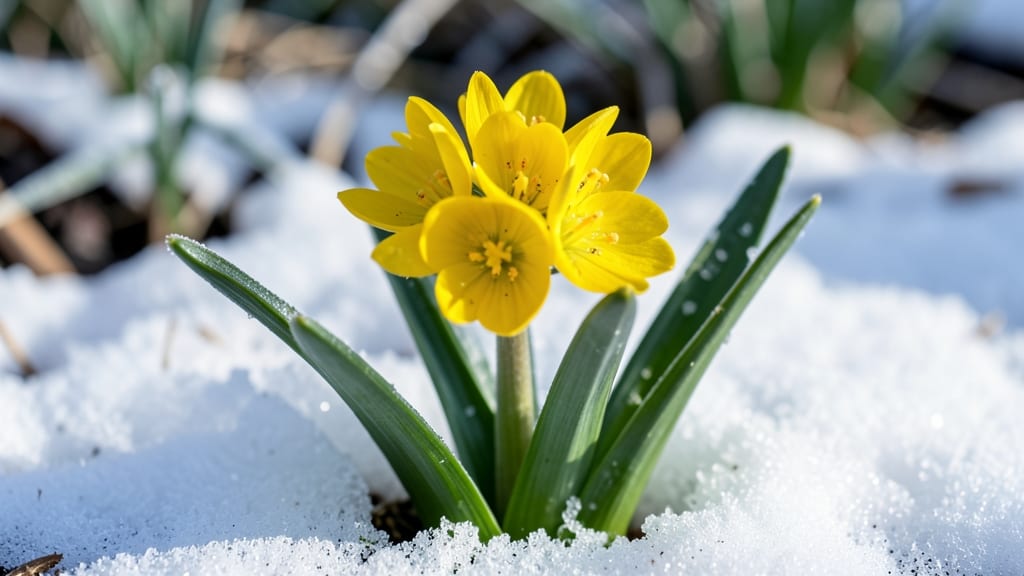
Want hummingbirds to visit your garden all year? These 10 nectar-rich plants provide continuous food sources, attract pollinators, and thrive in diverse climates—perfect for gardeners who love wildlife and vibrant blooms.
Crimson Beebalm for Long-Blooming Seasonal Color
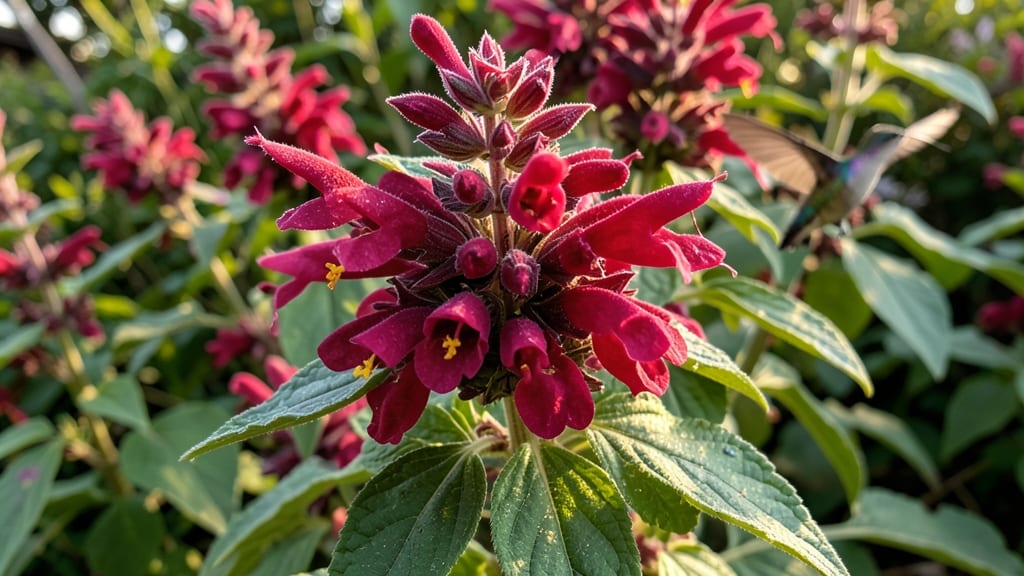
Crimson beebalm is the ultimate hummingbird magnet, offering a nonstop summer-to-frost show of tubular red blooms that these birds can’t resist. Unlike many annuals, this perennial keeps producing nectar-rich flowers from July through the first hard frost, making it a workhorse for pollinator gardens.
Plant it in full sun to partial shade and watch it thrive in average garden soil—it even tolerates moist conditions. The fragrant flowers also double as stunning cut blooms, lasting 5-7 days in vases. For maximum impact, pair it with other hummingbird favorites like salvia or penstemon to create a buzzing hotspot. 🌟
Salvia 'May Night' for Heat-Tolerant Blooms
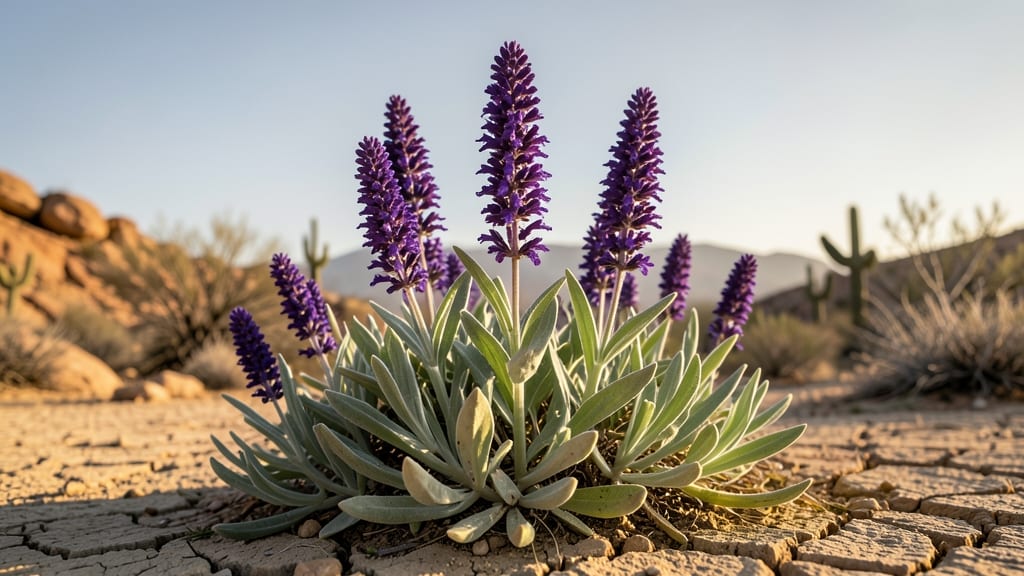
If you live in a hot, dry climate and struggle to keep plants alive, Salvia 'May Night' is your secret weapon. This drought-resistant beauty thrives where others wilt, producing deep purple flower spikes that hummingbirds can’t resist from spring to fall.
Plant it in containers, borders, or mass plantings for a striking vertical accent—its tall, spiky blooms reach 3-4 feet and attract pollinators with minimal watering. Deadhead spent blooms to encourage nonstop flowering, and watch hummingbirds hover eagerly at your windows.
Perfect for low-maintenance gardeners or urban balconies, this salvia delivers year-round color with almost no effort. 🌻
Scarlet Runner Bean Vines for Vertical Nectar
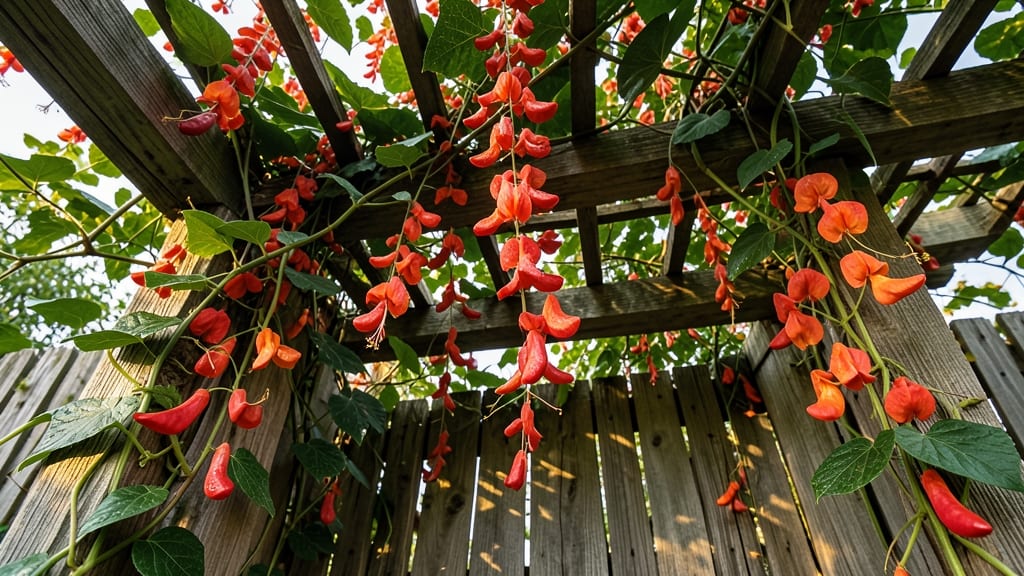
Transform a blank fence or pergola into a hummingbird magnet with scarlet runner beans—these fast-growing vines produce bright red-orange flowers that hummingbirds can’t resist. Unlike ground-hugging plants, they climb aggressively, providing vertical nectar sources that fill gaps in your garden’s pollinator menu.
Plant seeds directly in well-draining soil after the last frost, spacing them 6-8 inches apart at the base of your trellis. With 6-8 hours of sun daily, these vines will reach 10-15 feet tall by midsummer, producing continuous blooms from July through frost. Prune regularly to encourage more flowers and keep the growth in check.
Perfect for urban gardeners with limited space or those seeking a living privacy screen, scarlet runner beans offer both beauty and function. Their edible pods add a bonus harvest for your kitchen garden! 🌻
Penstemon 'Firebird' for Hummingbird Magnet Flowers
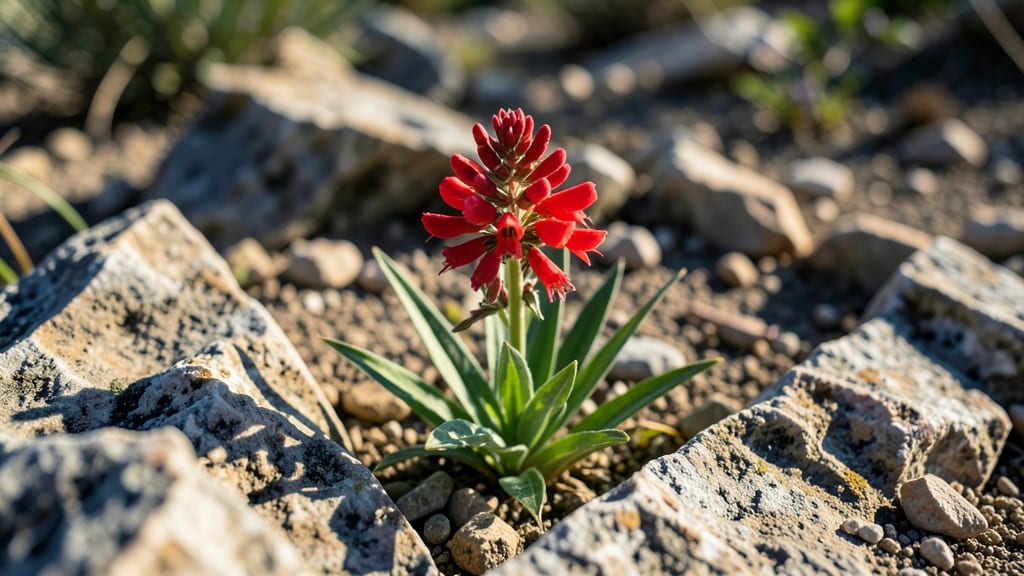
If your garden has rocky soil or you're struggling with drought, Penstemon 'Firebird' is the hummingbird magnet you’ve been waiting for. This drought-proof perennial thrives in poor, well-drained soils—including rocky spots where other plants fail—while producing bright red tubular blooms that hummingbirds adore.
Unlike fussy flowers, it requires minimal water once established and blooms from early summer through fall. Plant it in full sun for the best results, and deadhead spent blooms to encourage continuous flowering. The compact size (12-18 inches tall) makes it perfect for borders, containers, or even between stepping stones.
This is the ideal choice for low-maintenance gardeners in dry climates or those looking to add color to challenging spaces without extra watering. 🌻
Fuchsia 'Giant Maroon' for Hummingbird Favorites
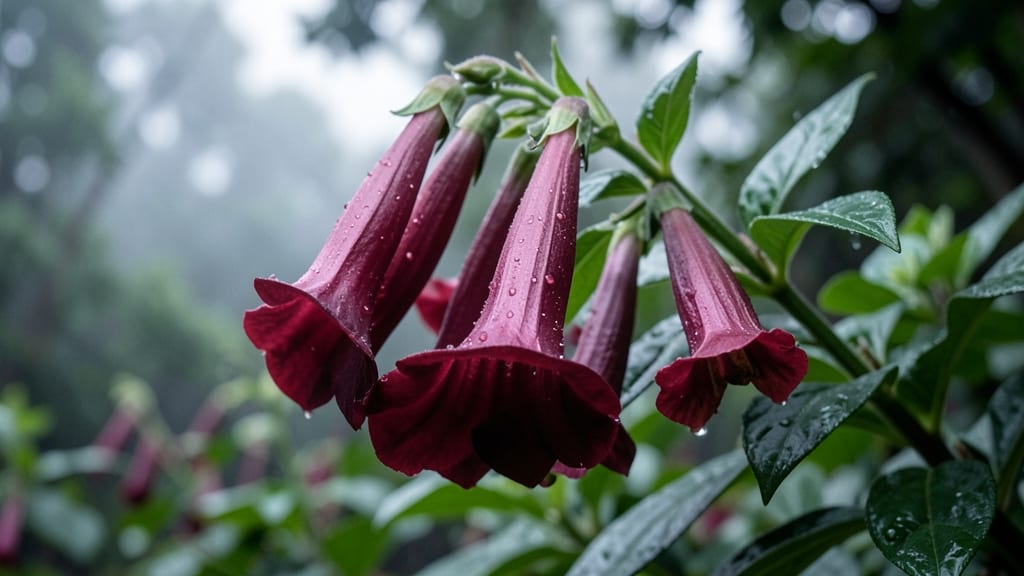
If you’ve ever watched hummingbirds hover like tiny helicopters, you’ll love how Fuchsia 'Giant Maroon' mimics their natural feeding experience. Its downward-facing blooms are shaped like native hummingbird feeders, making it irresistible to these winged visitors.
This shade-loving beauty thrives in hanging baskets or woodland gardens, where its deep maroon flowers dangle like edible chandeliers. For continuous blooms, plant in well-draining soil and keep it consistently moist—deadhead spent flowers to encourage more production. Unlike sun-loving options, it’s perfect for urban courtyards or patios with partial shade.
Gardeners with limited sun or small spaces will find this fuchsia a game-changer—it’s equally stunning in containers or tucked into shady borders. Just add a few for a whimsical touch that hummingbirds can’t resist! 🌷
Butterfly Weed for Native Pollinator Support
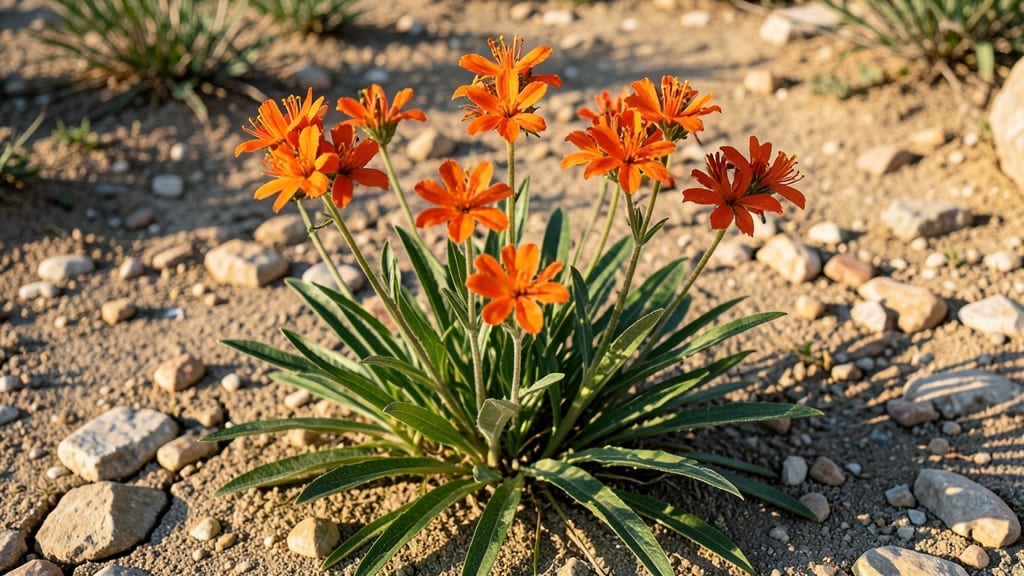
If you’re looking for a low-maintenance plant that doubles as a hummingbird magnet and monarch butterfly host, butterfly weed (Asclepias tuberosa) is your answer. This native North American beauty thrives in poor, dry soil—even rocky or sandy spots—where many other plants struggle, making it perfect for neglected patches or wildflower meadows.
Its bright orange clusters bloom from early summer to fall, providing nectar for hummingbirds and milkweed for monarch caterpillars. Unlike fussy hybrids, butterfly weed requires minimal watering once established and resists deer and rabbits. Plant it in full sun for the best blooms, and let it naturalize—it spreads happily without becoming invasive.
This is the ultimate dual-purpose plant for eco-conscious gardeners who want to support pollinators while adding vibrant color with almost no effort. 🌻
Coral Honeysuckle for Year-Round Interest
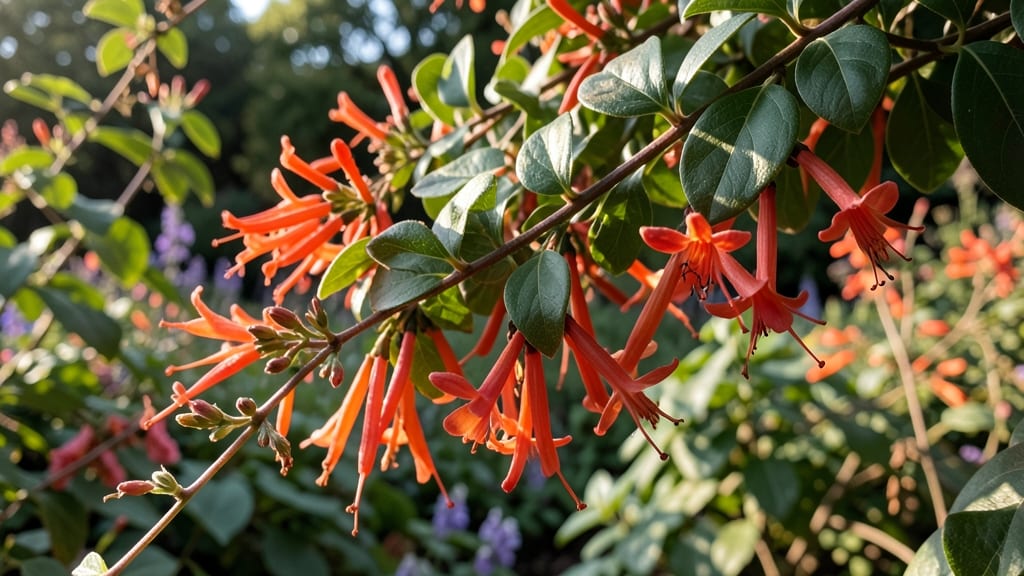
Looking for a hummingbird magnet that thrives even when others fade? Coral honeysuckle (Lonicera sempervirens) delivers year-round interest with its tubular red-orange blooms, from spring until frost. Unlike annuals, this semi-evergreen vine keeps foliage and flowers alive through mild winters, making it a standout in shady spots.
Plant it near trellises, arbors, or let it spill over banks for a romantic, cottage-garden feel. It handles partial shade beautifully and tolerates dry soil once established, though regular watering encourages lush growth. Prune lightly after blooming to maintain shape—hummingbirds will reward you with frequent visits! 🌻
This vine is ideal for urban gardens, small spaces, or woodland edges, where other hummingbird plants might struggle. Its early spring blooms kickstart the season, while late flowers feed migrating birds—making it a two-season workhorse.
Cardinal Flower for Hummingbird Hotspots
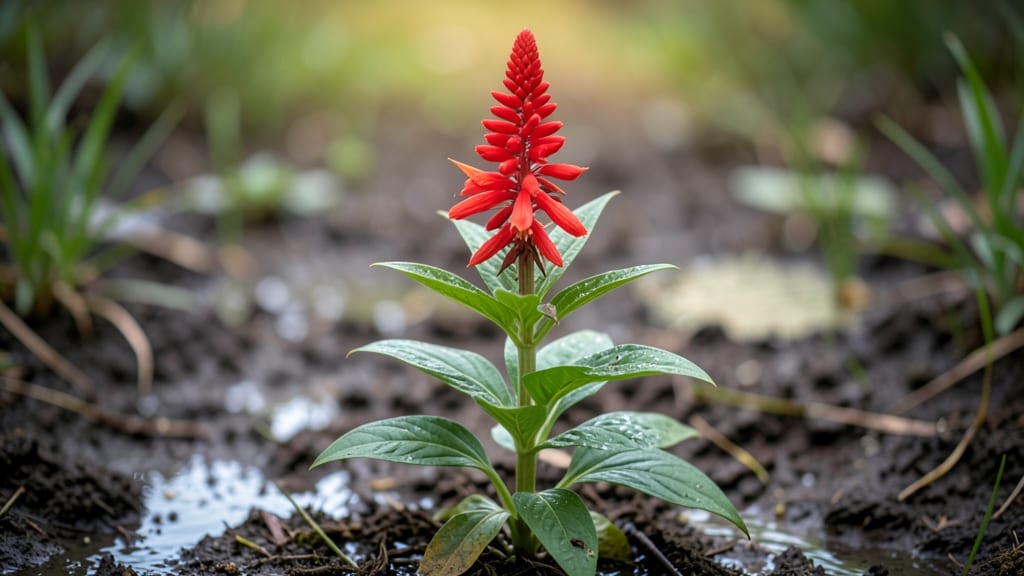
If your garden has a wet spot or pond edge that feels like wasted space, cardinal flower (Lobelia cardinalis) turns it into a hummingbird superhighway. This bold, 4-foot-tall stunner thrives where most plants would drown, producing dramatic red spikes that hummingbirds can’t resist.
Plant it in full sun to partial shade along water features, rain gardens, or even moist soil borders. The blooms appear reliably from mid-summer through fall, providing late-season nectar when other flowers fade. Just be prepared for its aggressive self-seeding—it’s a gardener’s trade-off for all that wildlife activity!
Perfect for gardeners with moist soil challenges, cardinal flower delivers both beauty and function. 🌟
Zinnia 'Benary’s Giant' for Cut-and-Come-Again Blooms
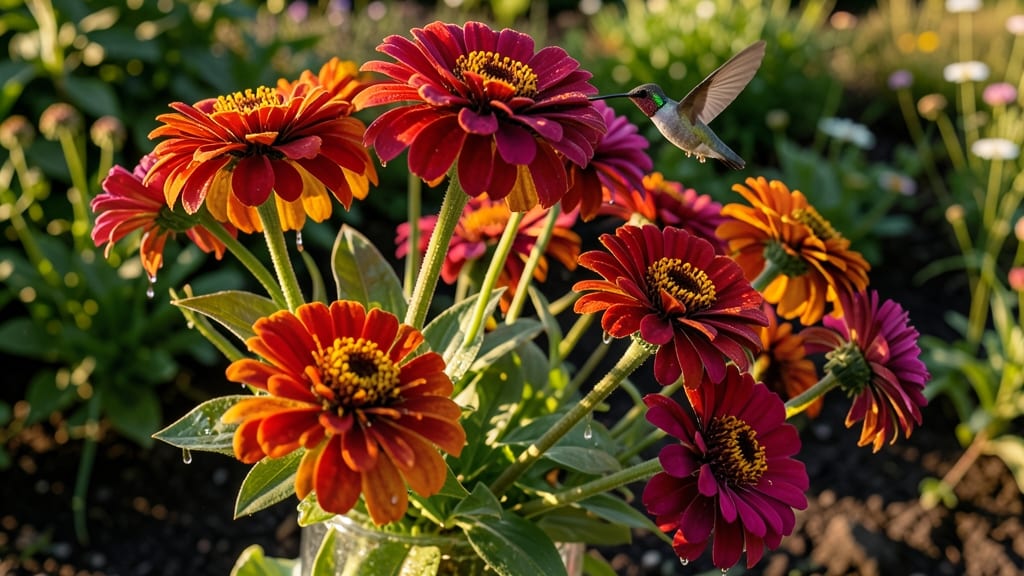
If you love fresh-cut bouquets that last for days, Zinnia 'Benary’s Giant' is your secret weapon—these massive, dinner-plate-sized blooms stay vibrant in vases while keeping hummingbirds buzzing outside.
This variety thrives in full sun and produces nonstop blooms from summer until frost, making it a workhorse for both pollinator patches and bouquets. Pinch back early flowers to encourage bushier growth, and deadhead spent blooms to extend the season. The deep red flowers are a hummingbird favorite, providing continuous nectar without the need for feeders.
Perfect for beginner gardeners or those with limited space, these zinnias grow 2-3 feet tall and thrive in well-drained soil. Plant them in clusters for maximum impact—your garden (and hummingbirds) will thank you! 🌻
Winter Aconite for Early Spring Nectar

When most gardens are still blanketed in snow, winter aconite (Eranthis hyemalis) bursts through the soil with cheerful bright yellow blooms, offering hummingbirds their first nectar feast of the season. This hardy perennial thrives in USDA Zones 3-8 and blooms as early as February, often before daffodils even emerge.
Plant bulbs in fall in well-draining soil with partial shade to full sun, and expect blooms to appear within weeks of snowmelt. The delicate, cup-shaped flowers are irresistible to returning hummingbirds, while their low-growing habit (6 inches tall) makes them perfect for woodland edges or under trees. They’re also deer-resistant, a bonus for rural gardens.
For gardeners in cold climates, winter aconite is a must-have for extending your pollinator menu—it’s the first plant to say "spring is here!" to hungry hummingbirds. 🌟