
Companion Plants
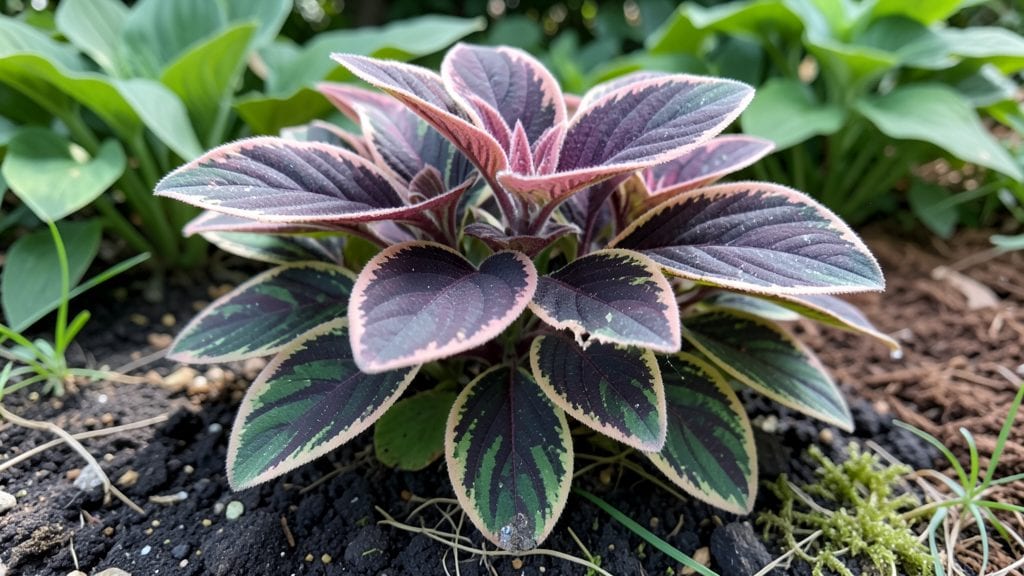
Frog-repellent plants saved my late-summer harvest when those ribbiting raiders turned my lettuce into a buffet. 🌿 The right plants create a natural barrier without chemicals, using strong scents and textures frogs dislike.
My go-to? Crushed garlic cloves around the garden edges—works like a charm, and you can grow it yourself.
Marigolds, mint, and citrus-scented geraniums are the top performers. Plant marigolds along borders—their pungent smell confuses frogs’ navigation. Mint’s aggressive spread keeps them away, but contain it in pots.
Citrus-scented geraniums double as fragrant borders while repelling pests. The key is placement: cluster them near high-risk areas like veggie beds or compost piles.
You’ll notice fewer frog tracks in the soil within days, and your plants will stay intact. Just watch for mint’s invasiveness and marigolds’ short lifespan—replace them yearly. For extra protection, combine these with habitat tweaks like removing standing water or tall grass where frogs hide.
If frogs persist, add physical barriers like fine mesh or habitat disruption—like moving their favorite hiding spots. The goal is balance: repel pests without harming beneficial insects or your garden’s ecosystem. Here’s how to make it work seamlessly.
📚 In This Guide
- What you need
- Instructions
- Tips and common mistakes
- Wrapping up and next steps
What you need
- ● Frog-repellent plants (5–10+ per section): Marigolds (French or African varieties)
- ● Lemongrass (clumping or stalk varieties)
- ● Lavender (English or Provence types)
- ● Rosemary (upright or trailing varieties)
- ● Mint (peppermint or spearmint)
- ● Garlic chives or regular chives
- ● Potting soil or garden soil: 1–2 bags (sterilized, well-draining)
- ● Compost or organic fertilizer: 1 small bag (for nutrient boost)
- ● Watering can or hose: With a gentle spray nozzle
- ○ Gloves (optional): For handling mint or prickly plants
- ● Trowel or small shovel: For planting
- ○ Garden stakes or markers (optional): To label plants if needed
- ○ Mulch (optional): Straw or wood chips (1–2 inches) to retain moisture
- ● Sunlight access: 6+ hours of direct/partial sun (check plant needs)
- ● Space planning: Measure your garden area to determine plant spacing (12–24" apart for most herbs).
Step-by-Step guide to creating a frog-repellent plant barrier
Here’s how to strategically plant natural frog deterrents around your garden—no chemicals needed.
🌱 Step 1: Select the Right Repellent Plants
Frogs dislike strong scents, particularly those from aromatic herbs and flowering plants. Choose from these proven options: rosemary, lavender, mint, marigolds, and garlic chives. These plants release volatile oils that frogs avoid, while also attracting beneficial pollinators. I recommend planting rosemary and lavender as border plants—their dense foliage creates a physical barrier while emitting a scent frogs find unpleasant.
For maximum effectiveness, pair these with marigolds (their bright color deters amphibians) and garlic chives (the sulfur compounds repel pests). Avoid planting these too close to edibles—frogs may still visit if other food sources are available. Space plants 12-18 inches apart to allow airflow and prevent fungal diseases that could weaken their repellent properties.
🌿 Step 2: Plant Strategically Around Problem Areas
Frogs seek damp, shaded spots near water sources, so focus on planting repellent species in high-moisture zones like near ponds, birdbaths, or irrigation lines. Create a 3-4 foot wide perimeter around these areas using your selected plants. For example, place rosemary and lavender in a staggered pattern along garden edges, while mint (which spreads aggressively) should be contained in pots to prevent takeover.
If frogs are targeting specific plants (like hostas or lettuce), surround them with a small ring of marigolds or garlic chives. The key is consistency—frogs rely on scent trails, so a broken barrier defeats the purpose. Mulch with wood chips or pine straw to suppress weeds and enhance the plants’ natural fragrance, which intensifies when roots are healthy.
💧 Step 3: Maintain Healthy, Fragrant Plants
Water repellent plants deeply once a week (or as needed) to encourage strong root growth, which boosts their scent production. Overwatering dilutes essential oils, reducing effectiveness. I test soil moisture by sticking my finger 1 inch deep—if it’s dry, it’s time to water. Fertilize lightly with a balanced organic fertilizer (like 10-10-10) every 6-8 weeks to keep plants vigorous without overstimulating growth, which can dilute their repellent properties.
Prune regularly to remove leggy or overcrowded stems—this ensures air circulation and prevents fungal issues. For example, trim rosemary back by one-third in early spring to promote bushier, more aromatic growth. Deadhead marigolds to encourage continuous flowering, which keeps their pest-repelling scent strong throughout the season.
✂️ Step 4: Reinforce with Companion Planting
Combine repellent plants with frog-deterring companions like fennel, alliums, or lemon balm for layered protection. Fennel’s feathery foliage disrupts frog movement, while alliums (like garlic and onions) emit sulfurous compounds frogs avoid. Plant these interspersed among your primary repellent species—for instance, tuck lemon balm between rows of lavender to create a dual-scent barrier.
If frogs persist, add physical deterrents like copper tape (frogs dislike its texture) or gravel borders around planting beds. The combination of scent, texture, and visual disruption confuses frogs and discourages them from lingering. Monitor your garden weekly—if you notice frogs ignoring the barrier, rotate plants or add fresh mulch to reactivate their natural repellent properties.
⏰ Step 5: Seasonal Adjustments for Year-Round Protection
Some repellent plants, like rosemary and lavender, are perennial and will return stronger each year if protected in winter. Mulch heavily with straw or leaves before the first frost to insulate roots. For annuals like marigolds, replant in early spring and again in late summer to maintain continuous coverage. In fall, harvest and compost mint and garlic chives before they self-seed aggressively—this prevents them from spreading into unwanted areas.
Adjust your barrier as needed: if frogs target new garden sections, expand the repellent plants there. For example, if they’re now eyeing your vegetable patch, add a ring of garlic chives around the base of susceptible crops. The goal is dynamic adaptation—frogs are opportunistic, so your defense must evolve with their behavior.
Tips & tricks for perfect frog-repellent plant barriers
A few strategic moves can turn your garden's natural defenses into an impenetrable fortress against frogs. Here's what I've learned from years of testing these aromatic barriers.
Scent Layering Strategy: In Step 1, when selecting your repellent plants, create a multi-sensory barrier by combining plants with different scent profiles. The rosemary and lavender should form the base layer for their strong, persistent aromas, while the garlic chives and marigolds add the sulfur compounds that frogs find particularly repulsive. I've found that frogs avoid areas where they encounter three or more of these scents simultaneously—it creates sensory overload for them.
Plant Placement Precision: When implementing the 3-4 foot perimeter in Step 2, pay special attention to the wind patterns in your garden. Position your most aromatic plants—particularly the lavender and mint—upwind from your target areas. Frogs have excellent scent detection, so you want the strongest aromas reaching them first. I've noticed that placing rosemary bushes near irrigation lines creates a scent curtain that frogs instinctively avoid when they approach water sources.
Maintenance Matters: The weekly deep watering in Step 3 is non-negotiable for maintaining scent potency. I've seen gardens where overwatering actually reduced effectiveness because it diluted the essential oils. Instead of relying solely on a schedule, use the finger test at 1-inch depth—this ensures you're watering based on actual soil conditions rather than a rigid calendar. For the rosemary, I recommend a slight adjustment to the pruning schedule: trim it back by one-third in late winter rather than early spring, which gives you an earlier burst of aromatic growth when frogs become most active.
Seasonal Rotation: In Step 5, consider implementing a seasonal rotation for your annual plants. While marigolds work wonders in summer, their scent weakens as they mature. In late summer, replace them with lemon balm or fennel for continued protection. I've found that this rotation prevents scent fatigue in frogs—when they encounter different aromas seasonally, they're less likely to become accustomed to any single scent profile.
Pro Tips for Frog Repellent Plants
- A few strategic moves can turn your garden's natural defenses into an impenetrable fortress against frogs.
- Scent Layering Strategy: In Step 1, when selecting your repellent plants, create a multi-sensory barrier by combining plants with different scent profiles.
- Plant Placement Precision: When implementing the 3-4 foot perimeter in Step 2, pay special attention to the wind patterns in your garden.
Frequently asked questions
Which plants are the most effective at keeping frogs away?
Frogs dislike strong scents and textures like mint, lemongrass, marigolds, and lavender. These plants disrupt their habitat and deter them naturally. For best results, plant them in clusters around garden edges or near water sources where frogs love to lurk.
How long does it take for these plants to repel frogs?
Most frog-repellent plants start working within 2–4 weeks once established, as their scent and texture create an unwelcome environment. However, for maximum effectiveness, let them grow to full maturity (typically 6–12 months) for stronger fragrance and foliage density.
Can I use these plants if I still want to attract beneficial insects like bees?
While mint and lemongrass repel frogs, marigolds and lavender also attract pollinators. Plant them strategically—group repellent plants near frog-prone areas (like ponds) and keep pollinator-friendly varieties closer to flowers or veggie patches.
What if frogs keep coming back after planting repellent plants?
If frogs persist, try removing standing water (they breed in it) and adding physical barriers like fine netting over garden beds. Rotate repellent plants seasonally—frogs may adapt to one scent over time. A mix of citrus peels, garlic spray, or vinegar can also help.
Are there any plants I should avoid if I’m trying to repel frogs?
Skip hostas, ferns, or shallow water plants—these attract frogs! Even some herbs like dill or cilantro can draw them in. Stick to bold, aromatic plants with rough leaves or citrusy scents for the best results.
Wrapping up and next steps
Discovering frog-repellent plants is a game-changer for gardeners tired of slimy visitors! 🐸🌿 These natural barriers—like marigolds, mint, and citrus—keep frogs at bay while adding beauty and function to your space. You’ve got the tools, the know-how, and now the confidence to protect your garden the eco-friendly way.
Ready to take action? Start small:
- Pick one or two plants from this list and plant them near problem areas.
- Monitor their impact over a few weeks—adjust as needed!
- Share your success (or tips!) with fellow gardeners for a greener, frog-free community.