
How To
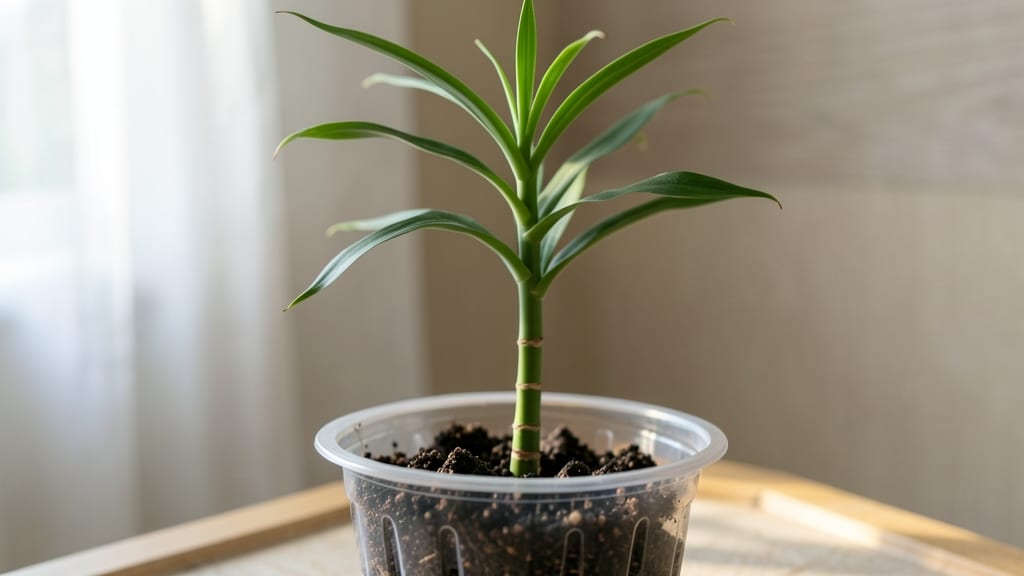
How to transplant a bamboo plant without wrecking its roots is easier than you think—once you know the right timing and technique. 🌱 I’ve moved clumping and running varieties without a single leaf turning yellow, and I’ll show you how to do it too. whether you’re relocating a small pot or a sprawling grove.
The secret starts with preparation: dig when the soil’s cool but not soggy, use a sharp spade to avoid tearing roots, and keep the root ball intact—especially for clumping types. Running bamboo needs a buried barrier to control spread, so plan that trench now.
Water deeply the day before moving, and have a wheelbarrow ready to carry it straight to its new spot.
📚 In This Guide
- What you need
- Instructions
- Tips and common mistakes
- Wrapping up and next steps
What you need
- ● Bamboo plant: Healthy, potted or in-ground bamboo (clumping or running types). Choose a plant with at least 3-5 stalks for stability.
- ● New planting site: A hole twice as wide and deep as the root ball or container. Ensure it’s well-draining and matches the bamboo’s sunlight needs (partial shade to full sun).
- ● Garden gloves: A sturdy pair to protect your hands from sharp edges and soil.
- ● Shovel or spade: A round-point shovel (for digging) and a flat-edged spade (for slicing roots if needed).
- ● Pruners or loppers: For trimming dead or damaged stalks before transplanting.
- ● Watering can or hose: With a gentle spray nozzle for post-transplant hydration.
- ● Mulch: 2-3 inches of organic mulch (e.g., wood chips or straw) to retain moisture and suppress weeds.
- ○ Root stimulator (optional but helpful): A natural rooting hormone or liquid fertilizer (like seaweed extract) to encourage faster recovery.
- ● Bamboo barrier: If transplanting running bamboo, install a 4-6 foot deep underground barrier (e.g., HDPE plastic) to contain roots.
- ● Wheelbarrow or tarp: For moving soil or protecting the ground while digging.
- ● Knee pads: Because transplanting is a workout—your knees will thank you!
- ● Stakes and twine: For temporary support if the bamboo is tall or top-heavy.
Step-by-Step instructions for transplanting a bamboo plant
Here's how to move your bamboo without shocking the roots or losing its lush growth.
🪴 Step 1: Choose the Right Time and New Location
Transplant bamboo during its active growing season—spring or early fall—when temperatures are mild and humidity is high. Avoid extreme heat or cold, which stress the plant. Pick a spot with similar light conditions to its current home; most bamboo thrives in partial shade to full sun, depending on the variety.
Check the new location's soil drainage first. Bamboo roots need moisture but will rot in soggy soil. Dig a test hole and fill it with water—if it drains within 30 minutes, the spot is safe. If water pools, amend the soil with compost to improve drainage before planting.
💧 Step 2: Prepare the Plant and Digging Tools
Water the bamboo plant 2-3 days before transplanting to keep roots hydrated and reduce shock. Gather your tools: a sharp shovel, pruning shears, a bucket of water, and a tarp or burlap to protect the roots. If the bamboo is large, consider enlisting help—these plants can weigh 50+ pounds once established.
Trim any dead or damaged foliage with pruning shears to reduce stress. For clumping bamboo, dig a 12-inch-wide circle around the base to expose the root system. For running bamboo, you’ll need to cut rhizomes later—mark the area you’ll dig with stakes to avoid over-trenching.
✂️ Step 3: Carefully Dig Up the Bamboo
Dig a trench 12-18 inches deep around the bamboo, working slowly to avoid severing roots. Use the shovel to loosen soil beneath the root ball, then gently lift the plant. If the root ball is large, slide the shovel underneath and rock it gently to dislodge it. Place the root ball on the tarp to protect it from damage.
Inspect the roots for signs of rot or pests. Trim any mushy or discolored roots with sterilized pruning shears, but leave healthy roots intact. For running bamboo, cut rhizomes at an angle to encourage new growth. Keep the root ball moist by misting it lightly with water—never let it dry out during this process.
🌱 Step 4: Plant in the New Location
Dig a hole in the new location that’s twice as wide and just as deep as the bamboo’s root ball. Place the root ball in the hole, ensuring the top of the root ball sits 1 inch below ground level. Fill the hole with the removed soil, pressing gently to eliminate air pockets. Water thoroughly to settle the soil around the roots.
Add a 2-inch layer of mulch around the base to retain moisture and suppress weeds. Keep the mulch 6 inches away from the stem to prevent rot. Water deeply again to help the roots establish in their new home. Avoid fertilizing immediately—wait 4-6 weeks to let the plant recover.
☀️ Step 5: Monitor and Support Recovery
Water the transplanted bamboo every 2-3 days for the first 2 weeks, keeping the soil evenly moist but not soggy. Watch for signs of stress, like yellowing leaves or wilting—these are normal and temporary if the plant is otherwise healthy. Provide light shade during the first week to reduce sun stress.
After 4 weeks, resume normal care. You’ll know the transplant was successful when new growth appears and the plant resumes its usual vigor. For running bamboo, install a 3-foot-deep underground barrier if needed to contain rhizomes. With patience, your bamboo will thrive in its new home within a season.
Tips & tricks for stress-free bamboo transplanting
Moving bamboo doesn't have to be stressful—these key tricks will help you avoid common pitfalls and give your plant the best chance to thrive in its new home.
Timing is Everything: The 2-3 day pre-watering before transplanting is crucial, but don't skip the 30-minute drainage test in Step 1. I learned this the hard way after moving bamboo to soggy soil that caused root rot within weeks. Always dig that test hole first—it's the quickest way to avoid a disastrous mistake.
Root Care Secrets: When digging the 12-18 inch deep trench in Step 3, work slowly and use your shovel to create a natural lift rather than forcing the plant out. I've seen people yank bamboo from the ground, severing roots that take months to recover. For large plants, consider using a wheelbarrow to transport the root ball—rolling it can damage delicate roots.
Post-Transplant Protection: The first 2 weeks are critical, but most people forget about the light shade requirement. I've seen bamboo leaves scorch within days of transplanting when moved to full sun too soon. Use shade cloth or place the plant under a tree during its recovery period—it makes all the difference in preventing sun stress.
Pro Tips for Transplant A Bamboo Plant
- Moving bamboo doesn't have to be stressful—these key tricks will help you avoid common pitfalls and give your plant the best chance to thrive in its new home.
- Timing is Everything: The 2-3 day pre-watering before transplanting is crucial, but don't skip the 30-minute drainage test in Step 1.
- Root Care Secrets: When digging the 12-18 inch deep trench in Step 3, work slowly and use your shovel to create a natural lift rather than forcing the plant out.
Frequently asked questions
Got questions about transplanting bamboo? You’re not alone! Here are some of the most common concerns—plus clear, no-fuss answers to keep your bamboo thriving after the move.
When is the best time to transplant bamboo?
The ideal window is early spring or fall when temperatures are mild (50–75°F). Avoid extreme heat or frost—bamboo struggles with shock during these times. If you must transplant in summer, do it on a cloudy day and water deeply afterward to reduce stress.
How long does it take for bamboo to recover after transplanting?
Most bamboo recovers within 4–8 weeks, but clumping types bounce back faster than running bamboo. Watch for new shoots (a good sign!) and avoid heavy pruning during this period. Yellowing leaves may appear briefly—this is normal as roots adjust.
Can I transplant bamboo in pots or containers?
Just ensure the container is at least 2–3 times wider than the root ball and has drainage holes. Use a well-draining soil mix (like 60% potting soil + 30% perlite + 10% compost). Container bamboo needs regular watering and may require repotting every 2–3 years.
What if my bamboo’s leaves turn brown or wilt after transplanting?
Brown tips or wilting often mean underwatering or root shock. Water deeply 2–3 times a week (adjust for climate) and mulch around the base to retain moisture. If leaves stay crispy, trim damaged foliage and fertilize lightly with a balanced 10-10-10 mix after 4 weeks.
Do I need to prune bamboo before transplanting?
Light pruning is optional but helpful: Trim 1/3 of the oldest canes to reduce stress. Avoid heavy cuts—focus on shaping rather than size. If transplanting in winter, skip pruning entirely to prevent disease entry through fresh cuts.
Still stumped? Drop your question in the comments—we’ve got you covered!
Wrapping up and next steps
Transplanting bamboo may seem daunting, but with the right tools, timing, and care, you can give your plant a fresh start—and thrive in the process! 🌱 Remember, the key is minimizing stress by keeping roots moist, choosing the ideal season, and giving your bamboo space to grow.
Whether you’re relocating a clumping variety or managing a running type, patience and preparation will pay off with lush, healthy growth.
Now that you’re armed with the know-how, take the next step—schedule your transplant on a calm, overcast day and enjoy watching your bamboo flourish in its new home! 🌿