Propagation
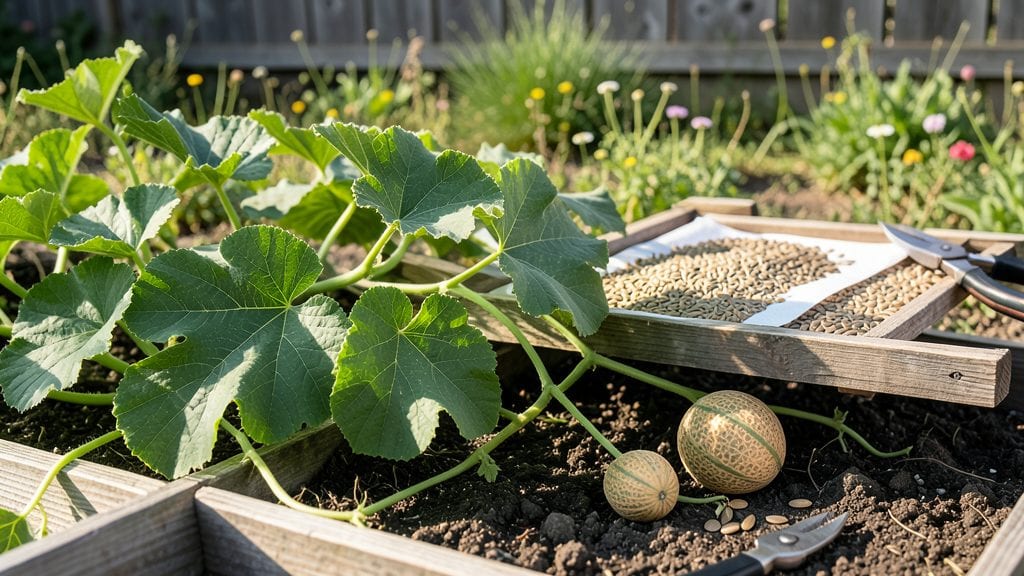
Learn how to save cantaloupe seeds for planting and turn next year’s harvest into a repeat of summer’s sweetest moments—starting with the perfect ripe melon. 🌱 The process begins with flavor-packed flesh, not just any cantaloupe, but one with the texture and size you love best.
I’ve saved seeds from my own garden for three seasons now, and every time I plant them, I’m greeted with vines that look just like the ones I nurtured before.
You’ll need just a few simple supplies: a ripe cantaloupe, a spoon, a bowl of water, a fine-mesh strainer or paper towel, and a small envelope or jar for storage.
The key steps—fermenting the seeds to remove the pulp, drying them thoroughly, and storing them in a cool, dark place—take less than a week but make all the difference in germination rates. Most people skip the fermenting step, but it’s what separates good seeds from great ones.
By the time you’re ready to plant, you’ll have seeds that sprout faster and produce fruit just as delicious as the original. The first green shoots appear within 7-10 days of planting, and if stored properly, these seeds stay viable for 3-5 years.
There’s nothing like the satisfaction of biting into a cantaloupe you grew from a seed you saved yourself.
This method works for both beginners and seasoned gardeners—just adjust the timing based on your climate. In warmer zones, you can plant saved seeds as early as late winter, while cooler areas may wait until after the last frost.
The payoff? A garden full of melons that taste like home, year after year.
📚 In This Guide
- What you need
- Instructions
- Tips and common mistakes
- Wrapping up and next steps
What you need
- ● Ripe cantaloupes: Choose 2–3 fully mature, disease-free fruits (the riper, the better!)
- ● Knife or spoon: A sharp, clean knife or a spoon for scooping out seeds
- ● Water: A bowl or container for rinsing seeds (about 1–2 cups)
- ○ Fine-mesh strainer or paper towel: For drying seeds (optional but helpful)
- ● Paper towels or coffee filters: To spread seeds for drying (1–2 sheets)
- ● Small paper envelope or airtight container: For seed storage (e.g., a manila envelope or ziplock bag)
- ● Permanent marker: To label your seeds with the variety and date
- ● Desiccant packets: For extra dryness in storage (place inside the container)
- ● Seed catalog or notebook: To track varieties and germination notes
- ● Plastic bag with holes: For initial seed drying (if humidity is high)
Step-by-Step instructions for saving cantaloupe seeds
Here's how to rescue those seeds from your favorite cantaloupe and prepare them for next year's garden.
🌱 Step 1: Select and Extract Ripe Cantaloupe Seeds
Choose a fully ripe cantaloupe—press near the stem; if it gives slightly, it's ready. Cut open the fruit and scoop out the seeds along with the stringy pulp. I like to use a spoon to scrape every last seed from the cavity, giving the pulp a good rinse under running water to remove any fruit residue.
Spread the seeds and pulp on a clean paper towel or plate. Let them sit in a warm, dry spot for 3-5 days until the pulp dries completely and the seeds are free of any sticky residue. This step is crucial—leftover pulp can cause mold during storage.
💧 Step 2: Clean and Dry the Seeds Thoroughly
Once the pulp is dry, separate the seeds from any remaining debris by gently rubbing them between your fingers or using a fine-mesh strainer. Place the clean seeds in a single layer on another paper towel or a clean, dry surface. I like to use a small baking sheet lined with parchment paper for better airflow.
Let the seeds dry for an additional 2-3 weeks in a warm, well-ventilated area. They're fully dry when they feel hard and papery to the touch. You'll know they're ready when they rattle slightly in their container—this hardness ensures they won't spoil during storage.
⏰ Step 3: Test Seed Viability Before Storing
To ensure your seeds will germinate next season, perform a simple viability test. Place 10 seeds between two damp paper towels in a sealed plastic bag. Keep them in a warm spot (70-80°F) and check daily for sprouts, which should appear in 5-7 days if the seeds are viable.
If fewer than 50% of the seeds sprout, store only the best ones or consider purchasing fresh seeds for next year. Healthy seeds will have plump, firm bodies with no cracks or soft spots. Discard any that look shriveled or damaged.
🪴 Step 4: Store Seeds Properly for Long-Term Use
Transfer the viable seeds into an airtight container, such as a small glass jar or envelope labeled with the cantaloupe variety and the date. I like to add a packet of silica gel or a few uncooked rice grains to absorb excess moisture—this keeps the seeds dry and prevents mold.
Store the container in a cool, dark place, like a pantry or refrigerator. Properly stored cantaloupe seeds remain viable for 3-5 years, though germination rates may decline after the first year. Check the seeds annually and discard any that look discolored or shriveled.
Tips & tricks for perfect cantaloupe seed saving
These simple strategies will help you maximize your seed yield and ensure they stay viable for planting next season.
Selection Tip: Choose cantaloupes that are fully ripe but not overripe for seed saving. Look for a golden color, sweet aroma at the stem, and a slightly soft spot when pressed. Overripe fruit can produce seeds with lower viability, while underripe fruit may not yield any seeds at all. I've found that cantaloupes with a slightly wrinkled skin often contain the most plump, healthy seeds.
Drying Strategy: During the 3-5 day pulp drying phase in Step 1, place your seeds in a location with good airflow but avoid direct sunlight. Too much sun can cause the seeds to overheat and crack. I like to use a mesh screen or window screen over a baking rack for even drying. The goal is to remove all moisture without cooking the seeds—think "dry to the touch" rather than "completely desiccated."
Viability Test Insight: When testing seed viability in Step 3, keep the paper towels consistently damp but not soaking wet. I've learned this the hard way—overly wet towels can cause mold growth within 24 hours, ruining your test seeds. If you notice any fuzzy growth, discard those seeds immediately and start fresh with new ones. The 70-80°F temperature range is ideal because it mimics natural germination conditions.
Storage Wisdom: For long-term storage in Step 4, consider using small glass jars with tight-sealing lids instead of envelopes. Glass provides better protection against moisture and pests. I've had great success with small mason jars—just make sure to label them clearly since cantaloupe varieties can look similar. The 3-5 year viability window is impressive, but I recommend testing a few seeds annually to monitor germination rates.
Pro Tips for Save Cantaloupe Seeds For Planting
- These simple strategies will help you maximize your seed yield and ensure they stay viable for planting next season.
- Selection Tip: Choose cantaloupes that are fully ripe but not overripe for seed saving. Look for a golden color, swee...
- Drying Strategy: During the 3-5 day pulp drying phase in Step 1, place your seeds in a location with good airflow but...
Frequently asked questions
Got questions about saving cantaloupe seeds? You’re not alone! Here are answers to the most common ones to help you succeed.
Can I save seeds from store-bought cantaloupes?
Unfortunately, no. Store-bought cantaloupes are often hybrid varieties, meaning their seeds won’t grow true to the parent fruit. For reliable seeds, save them from heirloom or open-pollinated cantaloupes grown in your garden.
How long can I store saved cantaloupe seeds?
Properly dried and stored seeds can last 3–5 years while maintaining good viability. Keep them in a cool, dark place (like a sealed container in the fridge or freezer) to maximize longevity. Test germination annually if storing long-term!
What if my seeds don’t sprout after drying?
If seeds fail to sprout, they may not have dried enough or could be old. Try these fixes:
- Re-dry them for 24–48 hours in a warm, dry spot.
- Test viability by soaking a few in warm water—sinkers are likely viable.
- Plant more seeds (cantaloupe germination rates can be low).
Can I save seeds from muskmelons or honeydews too?
Yes! The process is nearly identical for cantaloupe, muskmelon, and honeydew seeds. Just ensure the fruit is fully ripe and from a non-hybrid variety. Follow the same drying and storage steps for best results.
Do I need to label my seed packets?
Absolutely! Labeling prevents mix-ups, especially if saving multiple melon varieties. Include:
- The melon type (e.g., "Hale’s Best Cantaloupe").
- The year saved.
- Any special notes (e.g., "disease-resistant").
Wrapping up and next steps
Saving cantaloupe seeds is a rewarding way to ensure next year’s harvest stays true to your favorite varieties—and it’s easier than you think! 🌱 By following these simple steps, you’ll have healthy, viable seeds ready for planting when the time comes.
Now that you’re equipped with the know-how, why not grab a ripe cantaloupe from your garden or farmers’ market and start your seed-saving journey today? Happy gardening! 🌞