
Plants
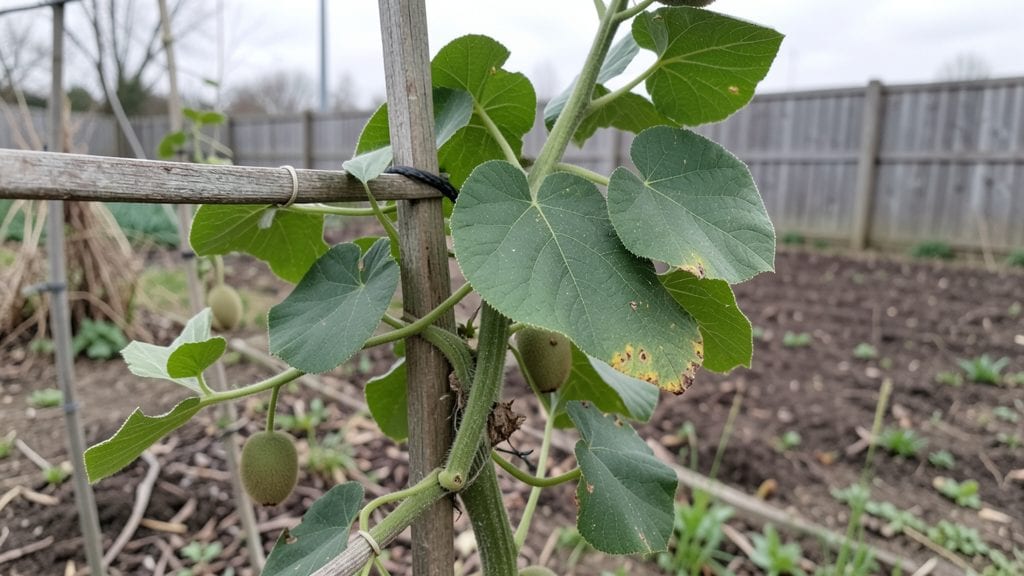
Growing kiwi berry plants from seed to vine is faster than you think—within two years, you could be harvesting sweet, tangy fruit straight from your backyard. 🌱 I’ve watched these vines transform bare branches into lush canopies of heart-shaped leaves, and the secret lies in giving them the right support, sunlight, and a little patience.
The key isn’t just planting; it’s creating the perfect conditions for explosive growth, so the vines don’t just survive but thrive.
Kiwi berries need full sun (at least 6–8 hours daily) and well-draining soil rich in organic matter, but here’s the game-changer: they’re fast climbers—install a sturdy trellis or arbor at planting to save yourself from tangled vines later.
Most gardeners skip this step and end up with a jungle instead of a manageable harvest. Once established, these vines produce year-round in warmer climates, with peak fruit in late summer to fall.
You’ll know you’re on the right track when new shoots emerge within weeks of planting, and by year two, you’ll see those telltale tiny green berries forming. The real magic happens when you pair male and female plants—no pollination, no fruit—so pick two compatible varieties upfront.
With proper care, your vines will reward you with harvests that last months, and the sweet-tart flavor beats any store-bought berry.
Now, let’s get into the specifics—soil prep, watering schedules, and the pruning tricks that keep these vines productive for decades. Trust me, once you’ve tasted homegrown kiwi berries, you’ll never buy them again.
📚 In This Guide
- What you need
- Instructions
- Tips and common mistakes
- Wrapping up and next steps
What you need
- ● Kiwi berry plants: 2-4 young vines (male and female, if not self-pollinating). Look for disease-resistant varieties like 'Issai' (self-fruitful) or 'Ken’s Red' for vibrant berries.
- ● Potting mix: 1-2 bags of well-draining, organic potting soil (or a mix of 50% peat moss, 30% perlite, and 20% compost).
- ● Containers or garden space: Containers: 5-gallon pots or larger (at least 12" deep) with drainage holes for potted growth.
- ● Garden beds: A sunny, sheltered spot with loose, fertile soil (pH 5.5-7.0).
- ● Fertilizer: Balanced organic fertilizer (10-10-10 or 5-5-5) or compost tea for slow-release nutrients.
- ● Mulch: 2-3 inches of organic mulch (straw, wood chips, or shredded leaves) to retain moisture and regulate soil temp.
- ● Trellis or support structure: A sturdy trellis (8-10 feet tall) or wire fence for vines to climb.
- ● Pruning shears: Sharp, clean shears for trimming vines (sterilize with rubbing alcohol between cuts).
- ● Garden gloves: Heavy-duty gloves to protect hands from thorns.
- ● Watering can or hose: With a gentle spray nozzle for deep but controlled watering.
- ○ Soil pH test kit: Optional but helpful to check and adjust soil acidity.
- ● Plant ties or soft twine: To secure young vines to the trellis gently.
- ● Row cover or frost cloth: For young plants in colder climates (zones 4-9).
Step-by-step instructions for growing kiwi berry plants
Here’s how to cultivate these vigorous vines efficiently—no slow starts here.
🌱 Step 1: Select and Prepare Your Site
Kiwi berry vines thrive in full sun—at least 6-8 hours daily—and need a sturdy trellis or fence to support their 15-20 foot sprawl. I always choose a south-facing wall or pergola to maximize sunlight exposure. The soil must drain well; kiwi vines rot quickly in soggy conditions, so amend heavy clay with 2-3 inches of compost mixed into the top 12 inches of soil.
Here’s the thing—kiwi berries are dioecious, meaning male and female plants must grow nearby for pollination. For 4 plants, include 1 male vine per 5-6 female vines. Plant bare-root vines in early spring after the last frost when soil reaches 60°F. Dig holes twice as wide as the root ball but no deeper—kiwi roots need room to spread horizontally.
💧 Step 2: Plant and Water Thoroughly
Place the vine in the hole, spreading roots outward gently. Backfill with soil, firming lightly to eliminate air pockets. I water deeply immediately after planting—1-2 gallons per plant—to settle the roots. Mulch around the base with 3 inches of organic mulch (like wood chips) to retain moisture and suppress weeds. Keep the soil consistently moist but not waterlogged for the first 4-6 weeks—this is critical for root establishment.
Watch for new leaf growth within 2-3 weeks. If leaves yellow or wilt, you’ve overwatered. Kiwi vines are drought-tolerant once established, but young plants need steady moisture. I check soil moisture by sticking my finger 2 inches deep—if it’s dry, water again.
☀️ Step 3: Train Vines and Prune for Productivity
As vines grow, guide them onto the trellis using soft plant ties (never wire—it cuts tender stems). Prune aggressively in late winter before new growth begins. Remove dead, diseased, or crossing branches, and cut back last year’s growth by 1/3 to encourage bushier, fruit-bearing vines. This ensures faster fruit production and prevents overcrowding.
Real talk: Kiwi berries need patience. It takes 2-3 years for female vines to bear fruit, but once they do, you’ll get heavy harvests. Thin fruit clusters to 3-5 berries per vine in early summer—this prevents overburdening and improves size. Harvest when berries turn bright green and slightly soft to touch, usually late summer to fall.
✂️ Step 4: Fertilize and Maintain for Fast Growth
Feed vines in early spring with a balanced 10-10-10 fertilizer (follow package rates) to support vigorous growth. Kiwi berries are heavy feeders, so I side-dress with 1 cup of compost around the base in mid-summer for a nutrient boost. Avoid high-nitrogen fertilizers—too much leafy growth means fewer berries.
Watch for aphids or spider mites on new growth. Spray infested areas with neem oil or insecticidal soap at the first sign of pests. Kiwi vines are fast-growing, but they need consistent care to stay productive. Prune suckers (shoots growing from the base) regularly—they drain energy from fruit production.
Tips & tricks for fast-growing kiwi berry vines
These insider strategies will help you cultivate vigorous kiwi berry plants with minimal delays—because nobody wants to wait years for fruit.
Sunlight Strategy: While 6-8 hours of direct sunlight is ideal, kiwi vines can adapt to partial shade if you're in a hot climate. However, fruit production will be significantly reduced. I've found that positioning vines near a south-facing wall or pergola maximizes sunlight exposure, especially in cooler regions. If your garden gets afternoon shade, consider installing a portable trellis that can be moved to follow the sun's path throughout the day.
Root Establishment Hack: The first 4-6 weeks after planting are critical for root development. To accelerate this process, I recommend soaking bare-root vines in water for 2-3 hours before planting. This jumpstarts hydration and reduces transplant shock. After planting, create a small water reservoir by forming a shallow trench around the base of the plant—this ensures consistent moisture reaches the roots without overwatering the surface.
Pruning for Speed: When pruning in late winter (Step 3), focus on removing only the oldest, thickest canes—these are the most energy-draining. Cutting back last year's growth by 1/3 encourages new, vigorous shoots that will bear fruit faster. I've seen some gardeners prune too aggressively, which delays fruiting. The key is balance: remove enough to open the plant to sunlight but leave enough growth to maintain productivity during the current season.
Fertilizer Timing: Kiwi vines are heavy feeders, but timing matters. Apply your balanced 10-10-10 fertilizer in early spring when new growth begins, not at planting time. The mid-summer compost top-dressing (1 cup per plant) should be applied after you've thinned fruit clusters—this gives the plant energy to support developing berries. Too much nitrogen at the wrong time leads to lush foliage but fewer fruits, which directly contradicts our "fast" promise.
Pro Tips for Grow Kiwi Berry Plant
- These insider strategies will help you cultivate vigorous kiwi berry plants with minimal delays—because nobody wants to wait years for fruit.
- Sunlight Strategy: While 6-8 hours of direct sunlight is ideal, kiwi vines can adapt to partial shade if you're in a hot climate.
- Root Establishment Hack: The first 4-6 weeks after planting are critical for root development.
Frequently asked questions
Got questions about growing your own kiwi berry plants? You’re not alone! Here are some of the most common queries—with straightforward answers to help you succeed.
How long does it take for kiwi berry plants to bear fruit?
Kiwi berry vines are fast growers, but patience is key! Most plants take 1 to 2 years to produce fruit after planting, assuming they receive proper care. Some varieties may even yield berries in their first season if given ideal conditions—like plenty of sunlight and consistent watering.
Can I grow kiwi berries indoors or in containers?
Yes, but with a few tweaks! Kiwi berries thrive in large containers (10+ gallons) with well-draining soil and support for their vines. Place them near a sunny window or under grow lights (6+ hours/day). Just watch for pests like spider mites—indoor plants can be more vulnerable.
What should I do if my kiwi berry leaves turn yellow?
Yellow leaves often signal overwatering, nutrient deficiency, or pests. Check your soil moisture—kiwi berries hate soggy roots! Fertilize lightly with a balanced formula (like 10-10-10) and inspect leaves for aphids or mites. If the problem persists, adjust sunlight exposure or prune affected branches.
Are kiwi berries cold-hardy?
Can I grow them outdoors?
Most kiwi berry varieties tolerate USDA zones 5–11, but they prefer warmer climates. In colder zones, protect plants with mulch or row covers in winter. If you’re in a frost-prone area, consider growing them in containers that can be moved indoors when temps drop.
What’s a good alternative if kiwi berries don’t work for me?
If kiwi berries seem too finicky, try these easy alternatives with similar flavors:
- Actinidia arguta (Sargent kiwi) – Hardier, cold-tolerant, and slightly sweeter.
- Jostaberries – A cross between blackberries and jostaberries, with a kiwi-like tang.
- Passionfruit – Tropical but manageable in warm climates with vining support.
Wrapping up and next steps
Growing your own kiwi berry plants is a rewarding journey that brings sweet, tangy treats straight to your table! With the right location, support, and care, these fast-growing vines can thrive in containers or gardens, offering year-round harvests.
Start small, stay patient, and soon you’ll enjoy the freshest, most flavorful berries you’ve ever tasted.
Ready to take the next step? Plant your first vine today—your future self (and taste buds) will thank you! 🌱✨