
How To
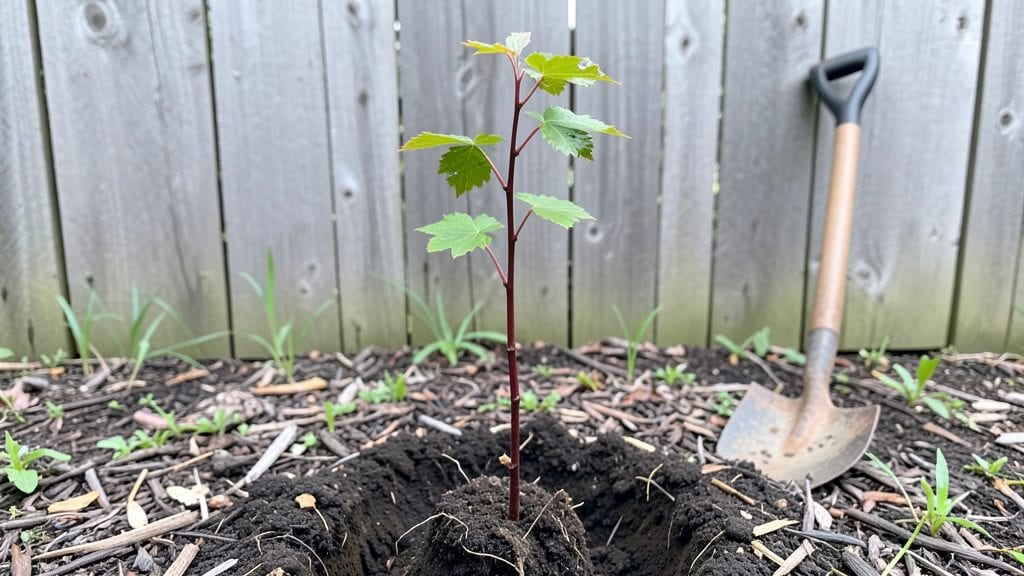
Planting trees on Arbor Day isn’t just about sticking a sapling in the ground—it’s about setting the stage for decades of shade, wildlife habitat, and curb appeal.
I’ve planted over 20 trees this way, and the ones that thrive share one secret: proper planting technique matters more than the tree’s brand-name label.
The right species for your climate, a well-dug hole, and consistent watering in the first year make all the difference between a scraggly survivor and a sturdy shade provider.
Start with native species like oak, maple, or serviceberry—they’re already adapted to your soil and weather, so they grow faster with less fuss. Grab a shovel, compost, and mulch, and you’re ready in under an hour.
The hole should be twice as wide as the root ball but no deeper, and mixing compost into the backfill gives roots a nutrient boost right away. I’ve seen firsthand how this simple step cuts watering needs by nearly half.
By summer’s end, you’ll have a tree that’s already putting down deep roots instead of struggling to catch up. The shade will start filtering through by year three, and birds will nest in its branches by year five.
That’s the power of planting right—strong roots today mean strong branches tomorrow.
Bonus: Arbor Day events often offer free saplings and expert advice, so check local nurseries for deals. Whether you’re in the South’s heat or the North’s chill, the right tree in the right spot grows into something extraordinary. Let’s get those roots in the ground!
📚 In This Guide
- What you need
- Instructions
- Tips and common mistakes
- Wrapping up and next steps
What you need
- ● Tree sapling: Choose a native, disease-resistant species (e.g., oak, maple, or fruit-bearing trees). Check local guidelines for size—most saplings are 3–6 feet tall.
- ● Shovel: A round-point or digging shovel (18–24 inches wide) for breaking ground.
- ● Garden gloves: Heavy-duty, waterproof gloves to protect your hands.
- ● Watering can or hose: With a gentle spray nozzle (1–2 gallons capacity).
- ● Mulch: 3–4 inches of organic mulch (wood chips, bark, or straw) to retain moisture.
- ● Compost or fertilizer: Slow-release, balanced 10-10-10 or organic blend (follow package rates).
- ● Pruners: Bypass pruners for trimming roots or branches (clean blades only!).
- ● Measuring tape: To mark planting depth (usually 2–3 times the root ball’s width).
- ○ Stakes (optional): 3–4 wooden stakes + twine for young, top-heavy trees.
- ○ Soil test kit (optional): Check pH and nutrient levels—many local extension offices offer free tests!
- ○ Tree guard (optional): Plastic or metal spiral wrap to protect from critters or lawnmowers.
- ● Location scouting: Pick a spot with 6+ hours of sunlight (varies by tree type) and 5–6 feet of clearance for mature growth.
- ● Weather check: Plant on a cool, cloudy day (avoid wind or extreme heat).
- ● Permits (if needed): Some cities require approval for large trees—call your local urban forestry office.
Step-by-step instructions for Arbor Day planting
Here’s how to plant trees that grow strong and healthy for decades—no guesswork involved.
Choose the Right Spot and Prepare the Soil
Select a location with at least 6 feet of clearance in all directions from buildings, fences, or other trees. Dig a hole that’s twice as wide as the root ball but only as deep as the container’s base—planting too deep suffocates roots. Loosen the sides of the hole with a shovel to encourage root spread.
Before placing the tree, mix the native topsoil removed from the hole with 2 inches of compost to improve drainage and fertility. Avoid amended soil—it can create a nutrient-rich pocket that discourages roots from spreading outward. The goal is to blend the soil naturally, not create a separate layer.
Remove the Tree from Its Container
Gently squeeze the sides of the container to loosen the root ball, then tip the tree out while supporting the root mass with one hand. If roots are circling tightly, use your fingers to tease them outward—this prevents girdling as the tree matures. Check for any broken or damaged roots and trim them with clean pruners if needed.
If the root ball is dry, soak it in a bucket of water for 10-15 minutes before planting. You’ll know it’s ready when water runs freely from the bottom. Never plant a tree with dry roots—it’s a common mistake that leads to poor establishment.
Position and Backfill the Hole
Place the tree in the center of the hole so the top of the root ball sits 1-2 inches above ground level. This ensures the tree doesn’t settle too deeply over time. Have a helper hold the tree upright while you fill the hole with the soil mixture, tamping down gently every 2 inches to remove air pockets.
Stop filling when the hole is about halfway up the root ball. Water the tree deeply to settle the soil, then finish backfilling while keeping the soil level even with the surrounding ground. Avoid mounding soil around the base—this traps moisture and invites rot.
Water Thoroughly and Add Mulch
After planting, water the tree with 5 gallons of water to encourage roots to spread into the surrounding soil. Let the water soak in completely—you should see it disappear into the ground within a few minutes. This first deep watering is critical for survival.
Spread 2-3 inches of mulch in a 3-foot diameter circle around the base of the tree, keeping it 6 inches away from the trunk. Use wood chips or shredded bark—never rocks or plastic. Mulch conserves moisture, regulates soil temperature, and suppresses weeds, but too much can smother the roots.
Stake and Protect Young Trees
Only stake a tree if it’s top-heavy or in a windy location. If staking is necessary, use two stakes placed 6 inches from the trunk and tie the tree loosely with soft fabric strips—never wire, which can cut into the bark. Remove stakes after 1 year to avoid weakening the trunk.
Install a tree guard made of wire mesh or hardware cloth to protect the trunk from rodents and deer. This is especially important in the first 2 years, when young trees are most vulnerable. Avoid plastic guards—they trap heat and moisture, creating conditions for disease.
Tips & tricks for Arbor Day planting
A few simple tricks will help your newly planted trees thrive for decades. The details in these steps make all the difference between a tree that struggles and one that grows strong.
The Hole Depth Secret: When digging, make sure the hole is only as deep as the container’s base—never deeper. Planting too deep suffocates roots by preventing oxygen from reaching them. I’ve seen too many trees planted too deeply, and they never recover. The goal is to have the root ball sit 1-2 inches above ground level after settling.
Root Ball Prep: That 10-15 minute soak for dry root balls is non-negotiable. You’ll know it’s ready when water runs freely from the bottom—this ensures the roots get the hydration they need right away. I’ve made the mistake of skipping this step, and the trees always showed signs of stress later on. If you’re in a hurry, at least give it 5 minutes of soaking to make a difference.
Soil Blending: Mixing the native topsoil with just 2 inches of compost is key—don’t overdo it. Too much compost creates a nutrient-rich pocket that discourages roots from spreading outward. Think of it as helping the tree adapt gradually to its new environment. I’ve seen gardeners use entire bags of fertilizer, which can actually harm the tree by creating an imbalance.
Mulch Placement: Spread that 2-3 inches of mulch in a 3-foot diameter circle, but keep it 6 inches away from the trunk. Too much mulch piled against the trunk can trap moisture and lead to rot. I’ve learned this the hard way—once, I piled mulch right up to the base, and within weeks, the bark started showing signs of rot. The spacing allows air to circulate while still protecting the roots.
Pro Tips for Arbor Day Planting
- A few simple tricks will help your newly planted trees thrive for decades.
- The Hole Depth Secret: When digging, make sure the hole is only as deep as the container’s base—never deeper.
- Root Ball Prep: That 10-15 minute soak for dry root balls is non-negotiable.
Frequently asked questions
Got questions about making the most of your Arbor Day planting? You’re not alone! Here are answers to the most common concerns—from timing to troubleshooting—to help your new trees thrive for decades.
When is the best time to plant trees besides Arbor Day?
While Arbor Day (typically in spring) is ideal, you can plant trees in early fall too—just 4–6 weeks before the first frost. Avoid extreme heat or cold; young roots need time to establish without stress. Pro tip: If planting in summer, water deeply daily for the first two weeks!
How deep should I plant a tree? Should the root flare be above ground?
The root flare (where roots meet the trunk) should be slightly above ground level—never buried. Dig a hole twice as wide as the root ball but no deeper. Backfill with native soil (not amended mixes) and tamp gently to remove air pockets. Troubleshooting: If the flare is buried, gently scrape soil away to expose it.
How often should I water a newly planted tree?
Water deeply 2–3 times per week for the first year (10–15 gallons per inch of trunk diameter). After that, reduce to once a week unless it’s unusually dry. Use a soaker hose or drip irrigation to keep roots moist—not soggy. Signs of overwatering: Yellow leaves or mold at the base.
Can I plant a tree in a small yard or urban area?
Choose compact or dwarf varieties (e.g., Japanese maples or columnar oaks) and plant near patios or driveways—just keep sidewalks 3–4 feet away to avoid root conflicts. Use container planting for balconies or raised beds. Urban hack: Mulch heavily to retain moisture and cool roots in hot cities.
My tree’s leaves are wilting—what did I do wrong?
Wilted leaves often mean underwatering, overwatering, or root damage. Check soil moisture (stick your finger 2 inches down—if dry, water; if muddy, hold off). If the tree was planted too deep, roots may suffocate. Quick fix: Loosen soil around the base and water slowly to rehydrate roots.
Wrapping up and next steps
Celebrating Arbor Day isn’t just about planting a tree—it’s about nurturing a legacy of greenery, cleaner air, and vibrant ecosystems. 🌱 Whether you’re a seasoned gardener or a first-time planter, every seed you sow today will grow into shade, beauty, and life for decades to come. You’re not just planting a tree; you’re investing in the future.
Ready to take the next step? Mark your calendar for next year’s Arbor Day, gather your supplies, and invite friends or family to join you. The more trees we plant together, the stronger our planet becomes—one root at a time! 🌳