Shrubs
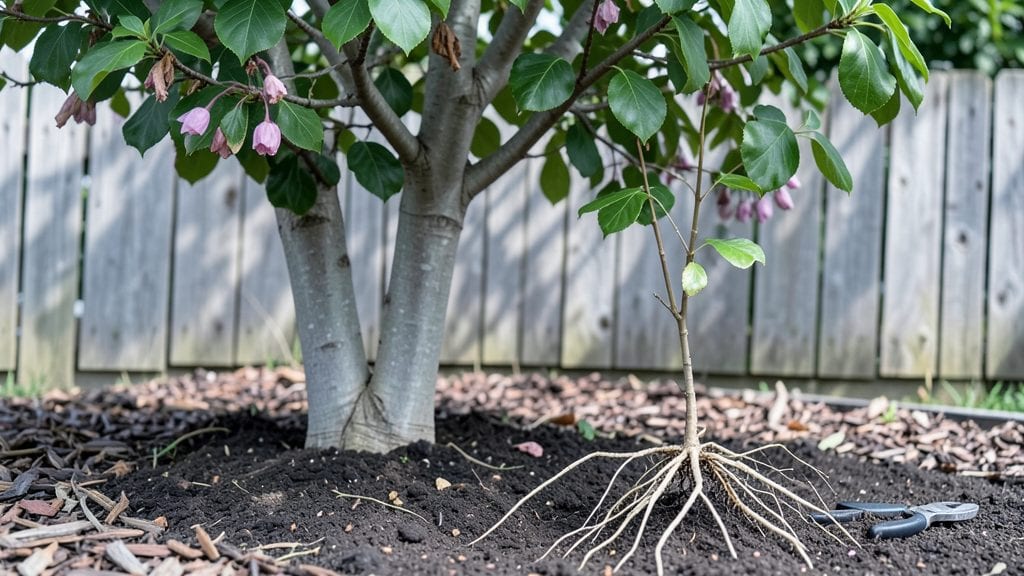
Planting a red bud 🌸 at the right time and in the right spot is the difference between a showstopper tree and one that struggles for years.
You’ve probably heard red buds are low-maintenance, but that’s only true if you get the timing right. Plant too early, and frost will shock the roots. Too late, and the heat arrives before it takes hold.
The best window is early spring—right after your last frost—when the soil is workable but the air stays cool.
Beyond timing, soil matters just as much. Red buds hate soggy feet but won’t thrive in rocky ground either. The key is well-draining soil with a touch of compost to keep moisture balanced. Skip this step, and you’ll spend years playing catch-up with slow growth or wilting leaves.
In this guide, I’ll walk you through the exact planting steps—from choosing the perfect spot to watering like a pro—so your red bud grows into the stunning shade tree you imagined from the start.


Optimal red bud planting times by climate zone: when to plant for maximum survival
Timing your red bud tree (Cercis canadensis) planting is everything—plant too early, and frost zaps young roots; too late, and summer heat stresses the transplant.
The USDA hardiness zones 3–9 create wildly different windows, but one rule applies universally: plant when soil temps hit 50°F (10°C) and stay there. This ensures roots establish before dormancy kicks in.
For northern climates (zones 3–5), early spring—right after last frost date—is your best bet. In warmer zones (6–9), fall planting (October–November) leverages dormancy benefits to reduce transplant shock. Southern gardeners can even plant in late winter (January–February) to avoid summer’s brutal heat.
⚠️ Pro Tip: Avoid mid-summer planting—root systems can’t keep up with evaporation, leading to transplant shock. Even in mild zones, June–August is a no-go unless you’re willing to babysit with daily watering and shade cloth.
Here’s the zone-by-zone breakdown of ideal planting windows, including regional exceptions for Southern vs. Northern states:
In zones 3–4, where winters are harsh, spring planting (April–May) is non-negotiable. The ground thaws just enough for digging, and last frost dates (typically late April–early May) signal it’s safe. For example, in Minnesota or Vermont, planting in March risks frost damage to tender roots.
For zones 5–6, you’ve got options: spring (March–April) or fall (October–November). Fall planting lets roots establish before winter, but stop 6 weeks before first frost—otherwise, new growth won’t harden off. In Pennsylvania or New York, aim for mid-October to avoid early freezes.
Southern gardeners (zones 7–9) can push boundaries. In Georgia or Texas, January–February planting avoids summer’s oppressive heat. The key? Mulch heavily to retain moisture, and water deeply 2–3 times weekly until roots spread. Fall planting (November) also works but must finish before soil temps drop below 50°F (10°C).
Regional exceptions matter. In California’s coastal zones (8–9), mild winters mean year-round planting is possible, but avoid summer (June–August) due to drought stress. Meanwhile, in Florida’s zone 9, hurricane season (June–November) adds urgency—plant before June 1 to avoid storm-related transplant trauma.
One critical mistake? Planting bare-root red buds in summer. These trees ship dormant, and exposing roots to heat for even a day accelerates moisture loss.
If you must plant in summer, soak roots in water for 2–4 hours before setting them in the hole, then water heavily every 2–3 days until fall.
Finally, container-grown red buds (potted trees) offer flexibility. Plant these anytime soil temps are above 50°F (10°C), but spring or fall still wins for survival rates. Just remove the pot and loosen roots before planting—never plant pot-and-all, or roots will girdle and strangle the tree.
Soil secrets for red bud trees: pH, drainage, and amendments that prevent root rot
Your red bud tree (Cercis canadensis) thrives when its roots breathe easily and nutrients flow freely. The key? A soil mix that balances pH (6.0–7.5), drainage, and organic matter.
Too much clay or sand can suffocate roots, while poor pH locks out essential nutrients. Let’s fix that with science-backed soil secrets.
Start by testing your soil’s pH level. Red buds prefer a slightly acidic to neutral range—6.0–7.5. If your soil tests lower (acidic), add lime; if higher (alkaline), mix in sulfur or peat moss.
Drainage is equally critical: soggy soil invites root rot, while sandy soil drains too fast, starving roots of moisture.
Here’s how to create the perfect blend for your red bud’s roots, whether you’re amending existing soil or planting in containers:
| Soil Factor | Ideal Specification | Amendment Solution |
|---|---|---|
| pH Level | 6.0–7.5 | Lime (for acidic soil) or sulfur (for alkaline soil) |
| Drainage | Well-draining (no standing water) | Perlite or coarse sand (for clay soil); peat moss (for sandy soil) |
| Organic Matter | 30–40% compost | Composted manure or worm castings |
| Texture | Loamy (balanced sand/silt/clay) | Mix 1 part sand, 1 part compost, 2 parts native soil |
For heavy clay soil, mix in coarse sand or perlite to break up compaction. If your soil is sandy, add peat moss or coconut coir to retain moisture. A DIY blend of 60% native soil, 30% compost, and 10% sand works wonders.
Commercial mixes like Miracle-Gro Premium or Espoma Organic Tree & Shrub are convenient but pricier—DIY saves money and lets you customize.
Pro tip: Mulch with wood chips or shredded bark to lock in moisture and regulate soil temperature. Keep mulch 2–3 inches deep and 3 inches away from the trunk to avoid rot. Avoid synthetic mulches—they don’t improve soil health like organic options.
Watch for yellowing leaves or stunted growth, signs of poor drainage or nutrient deficiencies. Adjust your soil mix or amend as needed. With the right foundation, your red bud’s roots will flourish, setting the stage for years of vibrant blooms and lush foliage.