
Light Requirements
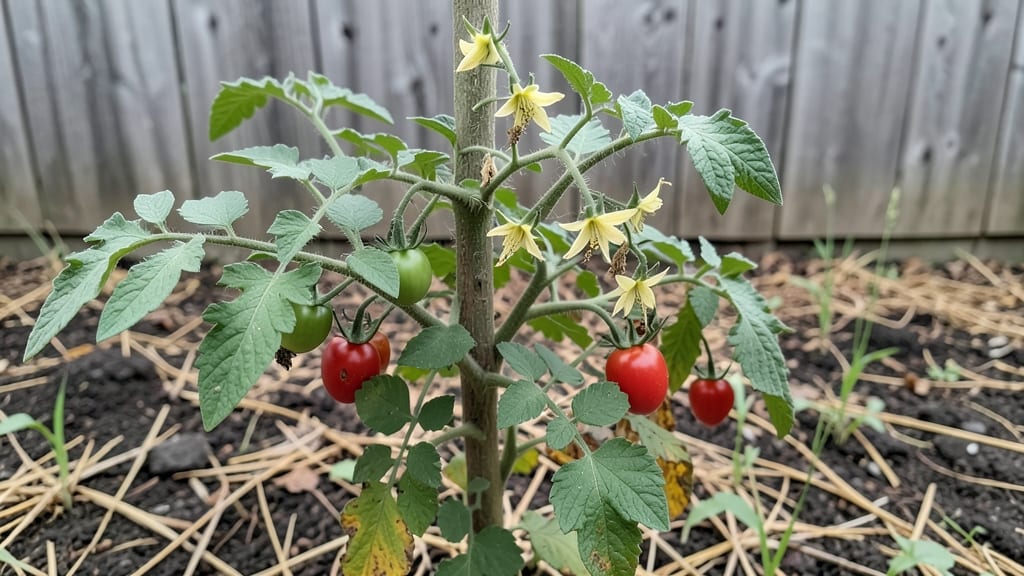
Tomato plants need 6 to 8 hours of direct sunlight daily to thrive and produce the juicy, flavorful fruits you love 🍅 — but getting it right isn’t just about hours, it’s about timing and balance.
If your tomato plants aren’t producing the juicy, vine-ripened fruits you crave, sunlight exposure could be the missing piece—yet too much or too little can spell disaster for your harvest.
Too little light leads to leggy stems and sparse fruit, while too much can scorch leaves and stress the plant, especially in Zone 6 where summer heat is no joke.
The trick is finding that sweet spot where your tomatoes get enough light to grow strong but stay cool enough to keep producing.
In this guide, I’ll break down exactly how much sunlight your tomato plants need at each growth stage, how to spot when they’re getting too much or too little, and practical tips to maximize sunlight—whether you’re growing in your backyard or on a sunny windowsill.

Optimal daily sunlight hours for tomato plants by variety and growth stage
Tomatoes are sun-worshippers, but their needs change dramatically from seedling to fruiting stage. Most varieties thrive with 6-8+ hours of direct sunlight daily, but determinate and indeterminate types have distinct requirements.
Understanding these stages helps you fine-tune placement for maximum fruit production and prevent common issues like blossom drop or sunburn.
I’ve grown tomatoes in everything from container gardens to full sunraises, and the difference between 6 hours and 10 hours of sunlight isn’t just about growth—it’s about flavor, yield, and plant health.
Science backs this too: studies show tomatoes exposed to full sun develop higher sugar content and thicker cell walls, which translates to juicier, more flavorful fruit.
Here’s how to match your tomato plants’ sunlight needs at every stage, from seedlings to harvest-ready vines, with variety-specific guidance:
🌱
Determinate tomatoes like 'Roma' or 'Celebrity' are the low-maintenance champions of the garden. They stop growing once they flower, so their sunlight needs are slightly less demanding than their indeterminate cousins.
However, during the flowering and fruiting stages, even determinate varieties need 8+ hours of sun to prevent blossom drop and ensure sweet, ripe fruit.
Indeterminate tomatoes, such as 'Sungold' or 'Early Girl', are the high-energy growers of the tomato world. These vines keep producing flowers—and thus fruit—all season long, which means they demand more sunlight to keep up with their relentless growth.
In my experience, indeterminate plants in 6-8 hours of sun will still produce, but the yield and flavor dramatically improve with 10+ hours of full sun.
Seedlings are the most delicate stage for sunlight. Too much direct sun can scorch tender leaves, while too little causes leggy, weak stems. I recommend starting seedlings with 4-6 hours of morning sun and gradually increasing exposure as they harden off.
For container-grown seedlings, a south-facing windowsill or grow light on a 14-hour cycle mimics ideal conditions.
During the vegetative stage (when plants focus on leaf and stem growth), 6-8 hours of sun is ideal for both determinate and indeterminate varieties.
This is where you’ll see the most rapid growth, but it’s also a critical time to monitor for pests like aphids, which thrive in shaded, crowded foliage
Signs your tomato plants are getting too much or too little sunlight
Tomato plants thrive in full sun, but even they can suffer when sunlight becomes too intense or insufficient. Leaf scorch or pale, leggy growth are clear red flags that your plants aren’t getting the balance right. Understanding these visual cues helps you adjust care before production suffers.
Too much sunlight causes heat stress, while too little leads to stunted growth and poor fruiting. Both extremes stress plants differently, but the solutions are straightforward once you recognize the symptoms. Let’s break down what to watch for and how to fix it.
Tomato Plants in Direct Sunlight: Pros & Cons
✅ Pros
- Max fruit production (6-8+ hours of sun)
- Faster vine growth and stronger stems
- Better flavor development in ripe tomatoes
- Reduces disease risk from excess moisture
❌ Cons
- Leaf scorch (brown, crispy edges)
- Heat stress (wilting, yellowing leaves)
- Blossom drop (flowers fall off)
- Sunburned fruit (green patches on tomatoes)
Solution: Use shade cloth (30-50%) during peak afternoon sun (12 PM - 4 PM) in hot climates. For containers, move plants to partial shade if leaves curl.
If your tomato leaves develop brown, crispy edges—a classic sign of leaf scorch—your plants are getting too much direct sunlight. This often happens in afternoon heat (1 PM - 5 PM), when UV rays are strongest.
To help, provide dappled shade with a sheer curtain or move potted plants to a slightly shadier spot.
On the flip side, pale, yellowing leaves or long, spindly stems signal insufficient sunlight. These plants stretch toward light, a condition called etiolation. If you’re growing in containers, rotate them daily to ensure even light exposure.
For garden beds, consider adding a reflective surface (like white mulch) to bounce extra light onto the plants.
Watch for blossom end rot—a calcium deficiency often triggered by inconsistent sunlight. While this isn’t a direct sunlight issue, it’s worsened by stress from poor light conditions. To prevent it, ensure consistent moisture levels and apply calcium-rich fertilizer (like crushed eggshells) if you notice dark spots on fruit.
For container gardens, morning sun paired with afternoon shade works best in hot zones. If your tomatoes are in ground beds, prune nearby tall plants to improve airflow and light penetration. Remember, even 6-8 hours of sun can vary by climate—adjust based on your local summer intensity.