
How To
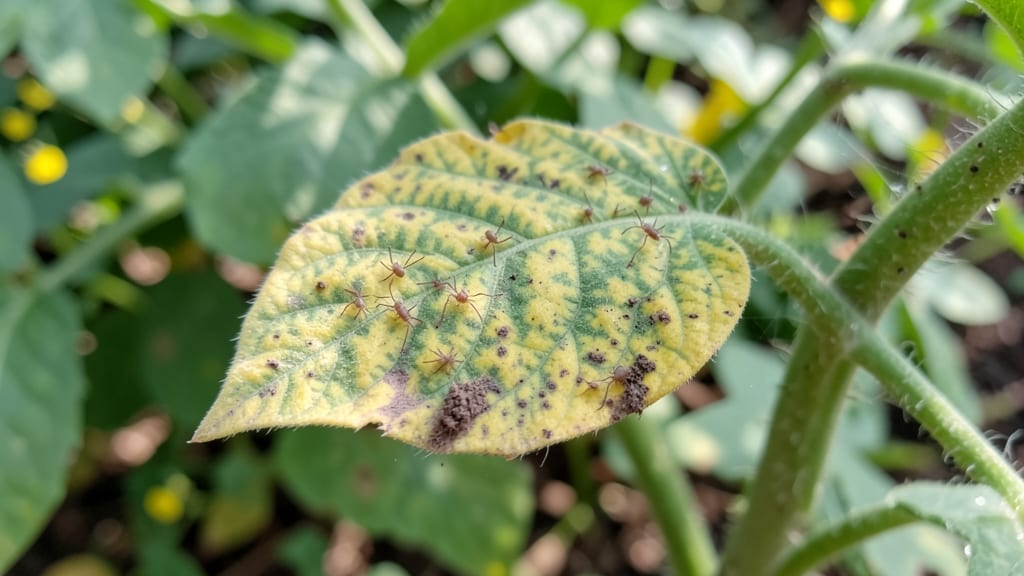
Getting rid of spider mites on tomato plants starts with a simple, fast-acting spray that stops the spread within 48 hours. 🌿 I’ve battled these tiny pests for years, and this method—using just three household ingredients—has saved my plants every time.
The key is acting fast before they turn your leaves into skeletonized messes.
Spider mites thrive when plants are stressed, so check for yellowing leaves, fine webbing, or tiny moving dots first. Most gardeners overlook the early signs, which is why infestations spiral out of control. This spray works because it smothers mites on contact while also repelling new ones—no harsh chemicals needed.
By morning, you’ll see the webbing start to disappear, and new growth will emerge within a week. The best part? This solution prevents future outbreaks, so you won’t be fighting the same battle next season. Ready to reclaim your tomato plants?
Works for all tomato varieties, whether in containers or the ground. Here’s exactly what to mix and how to apply it for maximum impact.
Root Causes of Tomato Plant Infestations
Spider mites don’t just randomly attack your tomato plants—they’re drawn in by a mix of environmental stress, plant health, and even human habits. Understanding the why behind these tiny pests helps you stop them before they spin webs across your garden.
Let’s break down the science-backed reasons your tomatoes might be turning into a spider mite buffet.
Spider mites thrive in hot, dry conditions because their tiny bodies lose moisture quickly. When your tomato plants struggle with heat or water scarcity, they release volatile organic compounds (VOCs) that act like a dinner bell to mites. Here’s how it plays out:
- Water scarcity: Underwatered plants can’t regulate temperature, creating microclimates that mites love (ideal range: 75–90°F).
- Stunted growth: Stressed plants produce less chlorophyll, making leaves look yellow or speckled—perfect hiding spots for mites.
- Soil chemistry shift: Dry soil reduces beneficial microbes that naturally suppress mite populations.
Pro tip: 💡 Mites avoid humidity above 70%. Use mulch to retain moisture and water deeply in the early morning to prevent leaf burn.
Tomatoes left too close together create shady, humid microclimates—a mite paradise. Weak plants (from over-fertilizing with nitrogen or poor soil) are also easier targets because:
- Reduced sap pressure: Healthy plants have high sap flow, which can flush out mites when they try to feed. Weak plants? Easy access.
- Thin cell walls: Stressed leaves are 3x more susceptible to mite saliva enzymes that break down plant tissue.
- Less predator support: Ladybugs and lacewings (natural mite hunters) avoid crowded, low-nutrient gardens.
Actionable fix: 🌱 Prune plants for airflow and space them 18–24 inches apart. Test soil pH (6.0–6.8 is ideal) and avoid heavy nitrogen—it promotes leafy growth but weakens defenses.
Ironically, broad-spectrum pesticides (like neonicotinoids or synthetic pyrethroids) often worsen mite outbreaks by:
- Killing natural predators first: Sprays eliminate ladybugs, predatory mites (Phytoseiulus persimilis), and hoverflies before targeting mites.
- Triggering resistance: Mites develop resistance to chemicals in 2–3 generations if exposed repeatedly.
- Disrupting plant immunity: Some pesticides reduce tomato plants’ ability to produce defensive compounds like jasmonic acid.
Safer alternative: 🛡️ Use horticultural oil or neem oil (applied at dusk) to smother mites without harming beneficial insects. Always spot-test on a few leaves first!
Spider mites love still, dusty air because it traps heat and reduces the chances of their eggs washing away. Common culprits:
| Problem | Mite Response |
|---|---|
| Dead leaves/debris under plants | Provides shelter and moisture for eggs (which hatch in 3–7 days). |
| Plastic mulch or dense foliage | Traps heat, increasing mite metabolic rate by up to 50%. |
| No pruning | Shady lower leaves stay damp, creating ideal breeding grounds. |
Quick cleanup: ✨ Remove all debris weekly and prune to improve airflow. Use straw mulch (not plastic) to allow airflow while retaining moisture.
Now that you know why mites move in, the next step is targeted action—like organic sprays that disrupt their life cycle in 48 hours. Stay tuned!
Quick Fixes for Spider Mites
Spider mites might seem like a tiny, relentless foe, but with the right approach, you can reclaim your tomato plants in no time. Below, we’ve mapped out practical, organic solutions tailored to the root causes of your mite problem—whether it’s drought stress, overcrowding, or a lack of natural predators.
Each fix is designed to be easy to implement and effective fast, so you can get back to enjoying (or growing!) your tomatoes without the itchy nuisance.
Spider mites thrive when plants are stressed, and watering issues are a top trigger. If your tomatoes are wilting, yellowing, or covered in fine webbing, your watering routine might be the culprit.
How to Fix It:
- 💧 Adjust your watering schedule: Water deeply 1–2 times per week (depending on climate) to encourage strong roots. Avoid shallow, frequent watering, which dries the soil surface and invites mites.
- 🌿 Mulch to retain moisture: Spread 2–3 inches of straw or wood chips around the base of your plants to keep soil consistently moist and reduce stress.
- 🚿 Early-morning watering: Wet the leaves and soil before the sun rises. This helps wash away mites and keeps foliage dry during the day, discouraging their spread.
Prevention Tip: 💡 Use a moisture meter to check soil levels—aim for 60–70% moisture in the root zone. Overwatering is just as bad as underwatering!
Cramped tomato plants with dense foliage create the perfect hiding spot for spider mites. If your plants are touching each other or look cluttered, mites will multiply unchecked.
How to Fix It:
- 🌿 Prune aggressively: Trim yellow or damaged leaves (where mites love to hide) and thin out suckers to improve airflow. Focus on the lower leaves first—they’re most vulnerable.
- 📏 Space plants properly: Give each tomato plant 18–24 inches of space between rows and 2–3 feet apart in the bed. If you’re growing in containers, ensure pots are at least 12 inches in diameter.
- 🌬️ Use fans (yes, really!): Place a small fan on low speed near your plants for 10–15 minutes daily. The gentle breeze deters mites and strengthens stems.
Prevention Tip: ✨ Stake or cage your tomato plants early to keep them upright and reduce leaf-to-leaf contact.
Spider mites are often kept in check by beneficial insects, but pesticides (even organic ones) can wipe them out. If your garden lacks ladybugs, lacewings, or predatory mites, mites will take over.
How to Fix It:
- 🐞 Introduce beneficial insects: Buy lacewing eggs or ladybugs from a garden center and release them at dusk (they’re sensitive to sunlight). Aim for 5–10 per plant for severe infestations.
- 🌼 Plant companion flowers: Add marigolds, dill, or cosmos nearby—they attract predatory wasps and hoverflies, which feast on spider mites.
- 🍂 Avoid broad-spectrum sprays: Skip neem oil on beneficial insects—apply it early morning or late evening when predators are less active.
Prevention Tip: 🌡️ Diversify your garden with herbs and flowers to create a year-round habitat for mite-eating allies.
When mites are already spreading, you’ll need a quick-acting organic spray to knock them back. Here’s a 48-hour solution using household items:
How to Fix It:
- 🍋 Make a soapy water spray:
- Mix 1 tablespoon of castile soap (like Dr. Bronner’s) or mild dish soap (like Dawn) with 1 quart of water.
- Add 1 teaspoon of vegetable oil to help the soap stick to mites.
- 🔥 Spray thoroughly on both sides of leaves (mites hide on the undersides!) and the soil around the base.
- ⏰ Reapply every 3–4 days until mites disappear (usually 7–10 days).
- 🌿 Neem oil blast (stronger option):
- Combine
- 👨🍳 Shake well and spray at dusk (neem oil degrades in sunlight).
- ✨ Works in 24–48 hours but requires 3–4 applications spaced 5–7 days apart.
Prevention Tip: 💡 Rotate sprays—don’t use the same treatment repeatedly, or mites can build resistance.
If your tomato plants are covered in webbing and leaves are speckled yellow, you’re in the red zone. Time to go nuclear (but still organic).
How to Fix It:
- 🚿 Blast off mites with water: Use a hose with a gentle spray nozzle to rinse plants thoroughly for 2–3 minutes. Do this daily for 3 days to dislodge eggs and adults.
- 🌿 Quarantine affected plants: Move infested tomatoes 5+ feet away from healthy ones to prevent spread.
- 🍅 Remove heavily damaged leaves: If more than 50% of a leaf is webbed, snip it off and dispose of it in a sealed bag (not the compost!).
Prevention Tip: 🎯 Act fast—severe infestations can kill plants in 1–2 weeks if left unchecked.
Final Pro Tip: 🌟 Prevent future outbreaks by inspecting plants weekly (especially the undersides of leaves) and keeping your garden balanced with predators and proper care. A little vigilance now means bigger, healthier tomatoes later!
Frequently asked questions
How do I tell if my tomato plants have spider mites?
Look for tiny yellow or brown speckles on leaves (especially undersides), fine webbing between branches, and leaves that look like they’ve been dusted with starch. Check with a magnifying glass—mites are 1/50th of an inch long and move quickly when disturbed. Early signs include stunted growth or leaves that curl upward.
Can I use regular dish soap to kill spider mites?
Yes, but use mild, unscented dish soap like Dawn—harsh soaps can damage plants. Mix 1 tablespoon of soap with 1 quart of water and add 1 teaspoon of oil (like vegetable or neem oil) to help it stick. Spray both sides of leaves and repeat every 3–4 days until mites disappear. Always test on a small leaf first!
Why do spider mites keep coming back after I treat them?
Mites often return because their eggs survive for 2–3 weeks and new ones hatch constantly. To break the cycle, rotate treatments (e.g., soap spray one week, neem oil the next) and remove all webbing/debris where eggs hide. Also, check for hidden infestations on nearby plants or garden tools.
Are spider mites harmful to humans or pets?
No, spider mites only feed on plants and don’t bite humans or pets. However, their fine webbing can irritate skin if you touch it—wear gloves when pruning. If you’re allergic to dust or plant debris, mask up when cleaning infested plants to avoid respiratory irritation.
Can I save my tomato plants if they’re already heavily infested?
Yes, but act fast—severe infestations can kill plants in 1–2 weeks. Start by hosing down plants daily for 3 days to dislodge mites, then apply neem oil or insecticidal soap. Prune damaged leaves and quarantine affected plants 5+ feet away from healthy ones. With consistent care, new growth should emerge within 7–10 days.