
How To
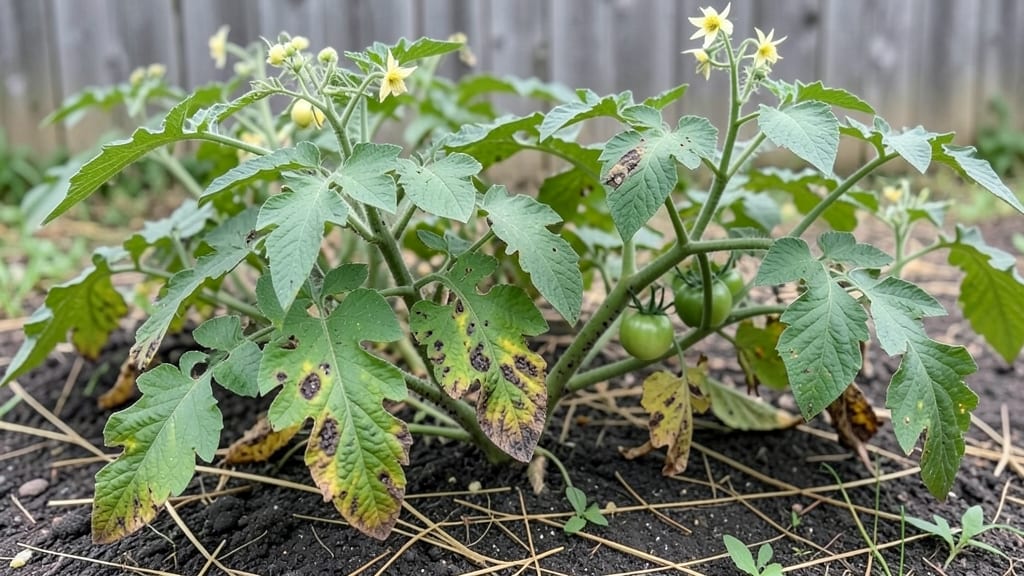
When tomato blight turns your lush plants into browned messes, copper spray is your secret weapon. 🌱 I’ve lost entire harvests to blight before—until I discovered how a simple spray could save my tomatoes in just a few applications.
The key isn’t just spraying; it’s timing, coverage, and stopping the spread before it takes over.
Blight thrives in damp, crowded conditions, so spacing plants and watering at the base (not overhead) cuts off its fuel. Copper spray works by disrupting the fungus’s cell walls, but you’ve got to apply it at the first sign of those telltale brown spots or yellowing leaves.
Remove infected foliage immediately and destroy it—don’t compost it—and sterilize your pruners with rubbing alcohol between cuts.
Within a week of consistent treatment, new growth emerges clean and strong. The plants rebound faster than you’d expect, and with proper spacing and airflow, you’ll avoid another blight battle next season. This method works for both early and late blight, the two most common types that plague home gardens.
For best results, apply copper spray every 7–10 days during humid weather, and pair it with disease-resistant varieties like ‘Mountain Merit’ or ‘Defiant PhR.’ The upfront effort saves your entire harvest—and your sanity when July rolls around.
Root Causes of Tomato Blight
Blight on tomato plants isn’t just a random attack—it’s a sneaky battle between your plants and microscopic invaders. Understanding the why behind these fungal and bacterial outbreaks is the first step to stopping them in their tracks. Let’s break down the key culprits and their science-backed triggers.
Tomato blight is most commonly caused by fungal pathogens, with Phytophthora infestans (late blight) and Alternaria solani (early blight) leading the charge. These fungi thrive in specific conditions, turning your lush tomato plants into a buffet of decay.
- Spores Spread Like Wildfire 🌪️ Fungal spores are lightweight and travel via wind, water, or even garden tools.
A single infected leaf can release thousands of spores per day, turning a single plant into an outbreak in days. Phytophthora spores, for example, can germinate within 4–6 hours of landing on a moist surface—your tomato leaves included.
- Cool, Damp Weather = Fungal Party Time 🌧️🍂 Fungi love humidity (70%+) and temperatures between 60–75°F (15–24°C).
If your garden stays damp—whether from rain, overhead watering, or poor airflow—spores latch onto leaves, penetrate the cuticle, and feast on your plant’s tissues. Early blight (Alternaria) thrives in warm, dry conditions, while late blight (Phytophthora) dominates when nights are cool and days are wet.
- Weakened Plants Are Easy Targets 🛡️💔 Stressed tomatoes—from nutrient deficiencies, overcrowding, or poor soil drainage—have weakened cell walls, making them prime targets. Fungi exploit these gaps like a lockpick on a flimsy door.
While less common, bacterial blight (Xanthomonas campestris pv. vesicatoria) can devastate tomato plants in warm, humid climates. Unlike fungi, bacteria enter through wounds, rain splashes, or even pruning cuts, then multiply rapidly.
- Bacteria Hitchhike on Water 💦 Unlike spores, bacteria don’t float—they hitch rides on raindrops or irrigation water, splashing from soil to leaves. Once inside, they clog vascular tissues (xylem), blocking water and nutrients, leading to wilting and blackened veins.
- Heat + Moisture = Bacterial Boom 🌡️💦 Bacteria thrive in temperatures above 80°F (27°C) with high humidity. If your garden is a sauna, bacterial blight can spread 10x faster than fungal versions, turning leaves to mush in days.
- Contaminated Tools Spread Infection ⚠️🔪 Pruners, trellises, or even your hands can transfer bacteria from plant to plant. A single cut with a dirty tool is all it takes to introduce the infection.
Your garden’s microclimate plays a huge role in blight outbreaks. Even the healthiest tomato can succumb if these conditions align:
| Factor | How It Helps Blight | How to Fix It |
|---|---|---|
| Poor Airflow | Traps moisture, prolongs leaf wetness | Prune for spacing, use trellises |
| Overhead Watering | Spreads spores/bacteria via splashes | Water at soil level, use drip irrigation |
| Compacted Soil | Prevents drainage, keeps roots waterlogged | Amend with compost, improve aeration |
| Monoculture | Depletes soil, weakens plants | Rotate crops, plant resistant varieties |
| Nighttime Dew | Prolongs leaf moisture (fungi’s favorite) | Choose blight-resistant varieties |
Sometimes, blight is an unintended consequence of well-meaning gardening habits:
- Ignoring Debris 🍂🗑️ Leaving infected leaves or plant waste in the garden over winter? Fungal spores overwinter in organic matter, ready to reinfect next season. Always clean up and compost infected plants separately (or trash them).
- Over-Fertilizing with Nitrogen 🌱💥 Too much nitrogen = soft, succulent growth that fungi love. Instead, balance with phosphorus and potassium for stronger cell walls.
- Skipping Crop Rotation 🔄❌ Planting tomatoes (or potatoes—same family!) in the same spot yearly lets pathogens build up in the soil. Rotate with beans, peas, or brassicas to break the cycle.
Some "helpful" garden practices can accidentally invite blight:
- Mulching Too Late 🍄🌱 Adding mulch after blight appears can trap moisture against stems, speeding up rot. Wait until plants are established and healthy before mulching.
- Using Infected Transplants 🌱🚨 Buying or swapping contaminated seedlings is a fast track to disaster. Always inspect new plants for dark spots or wilting before planting.
- Planting Too Close 🌿🤝 Crowded tomatoes can’t dry out, creating a fungal paradise. Space them 18–24 inches apart for airflow.
Key Takeaway: Blight doesn’t strike randomly—it’s the perfect storm of pathogens, environment, and gardening habits. Once you spot the red flags (pun intended), you can starve the problem before it starts.
Next up? How to spot early signs and stop the spread before your harvest is at risk. 🚀
How to Fix Blight Fast
Blight on your tomato plants doesn’t have to mean the end of your harvest—with the right approach, you can save your plants and prevent future outbreaks. Below are practical, step-by-step solutions tailored to the most common causes of blight, from fungal infections to environmental triggers.
Follow these easy fixes to restore your garden’s health and keep those juicy tomatoes coming!
Cause: Early blight (Alternaria) or late blight (Phytophthora) Fix: Act fast—don’t wait for spots to spread!
- Remove infected leaves 🍃✂️:
- Snip off yellowing or spotted leaves (especially lower ones) with sterilized pruners (wipe with rubbing alcohol between cuts).
- Dispose of them in the trash (not compost)—blight spores can survive in compost piles.
- Space out plants 🌿📏:
- Ensure 18–24 inches of airflow between tomato plants. Crowding traps moisture, perfect for fungal growth.
- Water at the roots, not the leaves 💦🌱:
- Use drip irrigation or soaker hoses to keep foliage dry. Wet leaves = blight’s favorite breeding ground.
- Water in the morning so leaves dry quickly.
Cause: Late blight (aggressive, spreads fast) Fix: Copper fungicide is the gold standard for stopping blight in its tracks.
- Choose your copper spray 🛒:
- Liquid copper fungicide (e.g., Bordeaux mixture, copper sulfate, or copper hydroxide).
- Organic option: Copper soap sprays (like Copper Fungicide by Garden Safe).
- Apply correctly 👨🍳🌿:
- Mix as directed (usually 1–2 tbsp per gallon of water).
- Spray thoroughly on both sides of leaves, stems, and even the soil around the base.
- Reapply every 7–14 days (or after rain) until blight disappears.
- Pro tip: 💡 Add a bit of dish soap (½ tsp per gallon) to help the spray stick better.
Cause: High humidity, poor airflow, or nighttime dew Fix: Change the environment to make blight less likely.
- Prune for airflow ✂️🌬️:
- Remove suckers (side shoots) to improve circulation.
- Stake or cage tomatoes to keep them upright and spaced.
- Reduce humidity 🌡️💨:
- Mulch with straw (not grass clippings) to keep soil moist but prevent splashing.
- Use a fan on hot days to dry leaves faster.
- Avoid overhead watering 🚫💦:
- If you must water leaves, do it early in the day so they dry by evening.
Cause: Repeated blight outbreaks Fix: Break the blight cycle with these long-term strategies.
- Crop rotation 🌍🔄:
- Never plant tomatoes (or potatoes/peppers) in the same spot for 3 years—blight spores linger in soil.
- Solarize the soil ☀️🔥:
- In late summer, cover infected garden beds with clear plastic for 4–6 weeks to kill spores with heat.
- Choose resistant varieties 🍅🛡️:
- Opt for blight-resistant tomatoes like:
- ‘Mountain Merit’ (early blight-resistant)
- ‘Defiant PhR’ (late blight-resistant)
- ‘Iron Lady’ (disease-resistant hybrid)
- Opt for blight-resistant tomatoes like:
- Boost plant immunity 💪🌱:
- Feed with compost tea or kelp meal to strengthen plants.
- Avoid excess nitrogen—it makes plants soft and more susceptible to disease.
Cause: Severe late blight (spreading fast, no response to treatment) Fix: Sometimes the best move is to cut losses and reset.
- Destroy the plant 🚫🌱:
- If more than 50% of leaves are infected, remove the whole plant and bag it for trash pickup (don’t compost!).
- Sanitize tools & area 🧼✨:
- Scrub tools with bleach water (1 part bleach to 9 parts water).
- Remove and replace mulch if heavily contaminated.
- Plant fast-growing alternatives 🌱🍅:
- Swap tomatoes for bush beans, lettuce, or radishes—they grow quickly and won’t host blight.
| Task | When | Why It Works |
|---|---|---|
| Prune for airflow | Spring/Summer | Reduces humidity & fungal spread |
| Use copper spray | Every 2 weeks | Stops spores from germinating |
| Water at the base | Morning only | Keeps leaves dry |
| Rotate crops | Next planting | Breaks disease cycle |
| Choose resistant varieties | Before planting | Starts with a stronger plant |
Final Thought: Blight may be stubborn, but with copper sprays, smart watering, and preventive care, you can outsmart this fungus and enjoy a bountiful, blight-free tomato harvest. 🍅💚 Start today—your future self (and your salsa) will thank you!
Frequently asked questions
What’s the difference between early and late blight on tomatoes?
Early blight (Alternaria solani) starts with brown, concentric-ring spots on lower leaves, while late blight (Phytophthora infestans) causes irregular, greasy-looking spots that spread rapidly in cool, wet weather. Early blight targets older leaves first, while late blight attacks young leaves and stems—often killing plants in days.
Can I still eat tomatoes from blight-infected plants?
Only if the fruit itself is unspotted. Blight rarely infects tomatoes directly, but never eat leaves or stems—they can be toxic. Remove all infected foliage immediately, and wash tomatoes thoroughly before eating. If spots appear on the fruit, discard it.
How often should I apply copper spray for blight prevention?
Apply copper fungicide every 7–10 days during humid seasons (spring/fall) or after heavy rain. For active outbreaks, spray weekly until new growth appears clean. Always follow label instructions—overuse can harm plants or soil microbes.
Will neem oil work for tomato blight?
Neem oil helps prevent mild cases of early blight but isn’t strong enough for aggressive late blight. Mix 1 tsp neem oil + ½ tsp dish soap per gallon of water and spray preventatively. For severe infections, combine it with copper spray or baking soda (1 tbsp baking soda + ½ tsp oil per gallon).
Why does blight keep coming back even after treatment?
Blight often returns due to spores lingering in soil, mulch, or old plant debris. To break the cycle: remove all infected plants, sterilize tools, and rotate crops for 3 years. Solarizing soil (covering with plastic for 6 weeks) also kills overwintering spores.