
How To
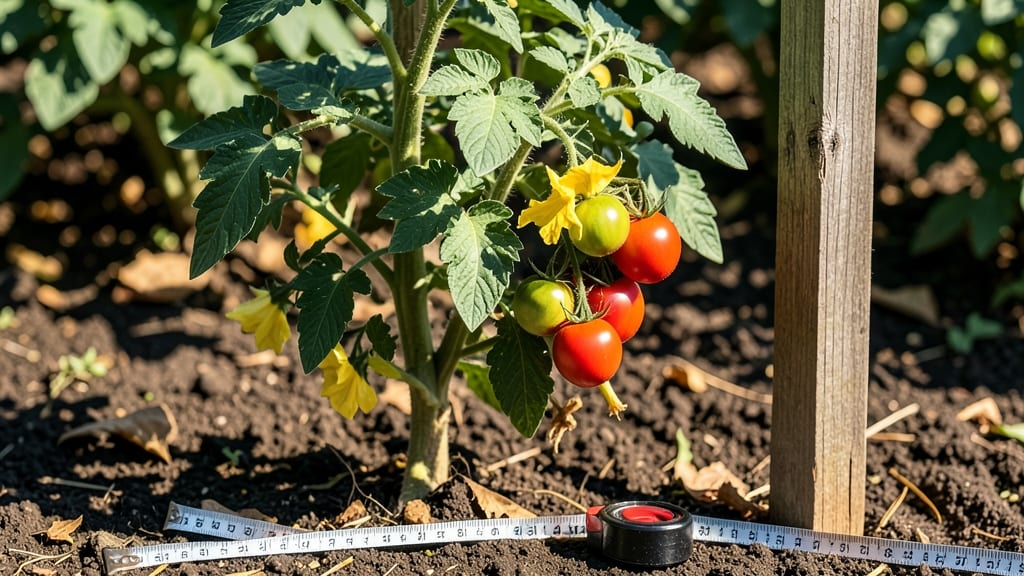
Tomato plants grow anywhere from 1 foot to over 10 feet tall, depending on the variety you choose—so your garden space and support system will make all the difference.
Picture this: you’ve just planted your 🍅 seedlings in April, excited for a bountiful harvest, only to realize by July that your indeterminate variety is now a 6-foot jungle climbing your fence.
Or maybe you’re cramped in a small balcony garden and need something that stays compact. The right choice can mean the difference between a manageable harvest and a total space takeover.
Determinate tomatoes (the bush types) top out around 3–5 feet, making them perfect for containers or small plots, while indeterminate varieties—like the classic beefsteak—keep growing until frost, sometimes reaching 12 feet if left unchecked.
Even the height can impact ripening time, flavor, and how much fruit you’ll actually get to pick.
In this guide, I’ll break down the height ranges of popular varieties, how to control growth with pruning and supports, and which types suit your space—whether you’re working with a raised bed, a backyard, or just a sunny windowsill.


Tomato plant height by variety: dwarf to giant comparison
Tomatoes aren’t one-size-fits-all—some stay compact enough for container gardens, while others climb like jungle vines. The biggest difference? Determinate (bush) varieties top out at 3-4 feet, while indeterminate (vining) types can stretch 6-12 feet or more.
Choosing the right height for your space means bigger harvests with less hassle. For example, my 5-gallon containers only work for dwarf varieties like 'Tiny Tim,' while my fence now hosts 10-foot 'Sungold' vines. The key is matching your garden layout to the plant’s growth habit.
Determinate tomatoes grow in compact bushes, producing all their fruit at once—perfect for small spaces or heirloom varieties like 'Roma' (3-4 feet). Indeterminate types, however, keep growing until frost, needing strong supports like cages or trellises.
My 'Cherokee Purple' plants hit 8 feet last summer, requiring weekly pruning to keep them manageable. Understanding these differences saves you from overcrowded plants or wasted space.
Here’s how to visualize the range—from dwarf tomatoes that fit on a patio to giant varieties that need a permanent trellis system. Use this as your guide to pick varieties that thrive in your garden’s square footage and support structure.
If you’re short on space, dwarf tomatoes like 'Tiny Tim' (1–2 feet) are your best bet—they thrive in 5-gallon buckets and produce cherry-sized fruit all season. My neighbor swore by 'Patio Princess' in her balcony planters, harvesting 50+ tomatoes from a single plant.
For larger gardens, indeterminate varieties like 'Sungold' (8–10 feet) deliver prolonged harvests but demand weekly pruning to control growth. I learned this the hard way when my 'Cherokee Purple' vines toppled my flimsy cage—now I use heavy-duty metal trellises for heirlooms.
Support structures make all the difference. Determinate types need sturdy cages (4–5 feet tall), while indeterminate vines require trellises or stakes that reach 10+ feet. I recommend galvanized steel cages for determinates—they’re rust-proof and last years. For indeterminates, wooden A-frames or bamboo stakes work well, but tie vines every 2–3 feet to prevent snapping. My 'Big Beef' plants hit 12 feet last year, and without proper support, the branches snap under fruit weight.
Don’t overlook pruning—it’s how you control height and boost fruit production. For indeterminates, pinch off suckers (the shoots in the joint between stem and branch) to redirect energy to fruit-bearing branches. I prune my 'Sungold' plants weekly, keeping only 2–3 main stems for maximum yield.
Determinates need minimal pruning, just removing yellow leaves to improve airflow. My 'Roma' plants stayed 3 feet tall with no pruning, but removing lower leaves prevented blossom end rot.
Soil and sunlight also impact height. Tomatoes need 6–8 hours of sun daily, but overcrowding or poor soil stunts growth. Amend your soil with compost and balanced fertilizer (5-10-10) to encourage strong stems. Last year, my shady 'Patio Princess' plants grew only 2 feet tall—moving them to full sun doubled their height and tripled their yield. If your tomatoes are leggy or weak, they’re likely not getting enough light.
For container growers, stick to dwarf or semi-dwarf varieties—their roots fit in **5–10 gall
How tomato plant height affects your garden space and support needs
Choosing the right tomato plant height for your space isn't just about aesthetics—it directly impacts your harvest success and garden efficiency. A 6-foot indeterminate vine sprawling across your patio won't yield the same as a 2-foot bush tomato neatly tucked into a container.
Your garden layout—whether containers, raised beds, or ground planting—should dictate your variety selection.
Taller varieties like Sungold cherry tomatoes or Brandywine heirlooms need vertical support structures (trellises, cages, or stakes) to prevent disease and maximize fruit production. Meanwhile, patio tomatoes like Tiny Tim or Micro Tom thrive in small spaces with minimal support.
Let's break down how height impacts your garden's space planning and support needs.
🌱 Tomato Height Ranges & Space Requirements
- Dwarf Varieties (1-3 ft): Ideal for containers or small raised beds. Examples: Tiny Tim, Micro Tom, Patio Princess.
- Bush/Determinate (3-4 ft): Perfect for ground planting in rows or cage-supported beds. Examples: Roma, Celebrity, Better Boy.
- Semi-Dwarf (4-5 ft): Needs stakes or small trellises; great for raised beds. Examples: Sweet 100, Sun Gold.
- Indeterminate Giants (6+ ft): Require strong trellises or cages; best for vertical gardens or large plots. Examples: Brandywine, Cherokee Purple.
For container gardening, stick to dwarf or semi-dwarf varieties—their compact size prevents root-bound stress. A 5-gallon pot can comfortably hold a 3-foot plant like Sweet Million, but a 6-foot vine will need a 15-gallon container with sturdy support.
Always ensure your container has drainage holes to prevent root rot.
In raised beds, taller varieties benefit from trellis systems to save space. Install vertical netting or bamboo stakes along the bed's edge, training vines upward to free up ground space for companions like basil or peppers.
Prune suckers (side shoots) regularly to direct energy to fruit production rather than excessive foliage.
Ground-planted tomatoes need proper spacing to avoid disease spread and competition for nutrients. Indeterminate varieties should be spaced 18-24 inches apart, while dwarf types can thrive 12 inches apart.
Use tomato cages (5-6 feet tall) for bush types or T-posts with twine for indeterminate vines. Mulch heavily to retain moisture and suppress weeds, which is critical for tall, thirsty plants.
Don't forget: pruning isn't just for aesthetics—it's a growth hack. For indeterminate varieties, remove suckers (the shoots between the stem and branches) to improve air circulation and fruit size.
For determinate types, minimal pruning is needed, but removing lower leaves prevents soil-borne diseases from splashing onto fruit. A little regular maintenance keeps your tomatoes healthy and productive.
Your garden's layout and support system should evolve with your plants. Start small with dwarf varieties if space is limited, then expand to taller types as you gain confidence. With the right height-conscious planning, you'll maximize yields without sacrificing your garden's organization or beauty.