
Diseases
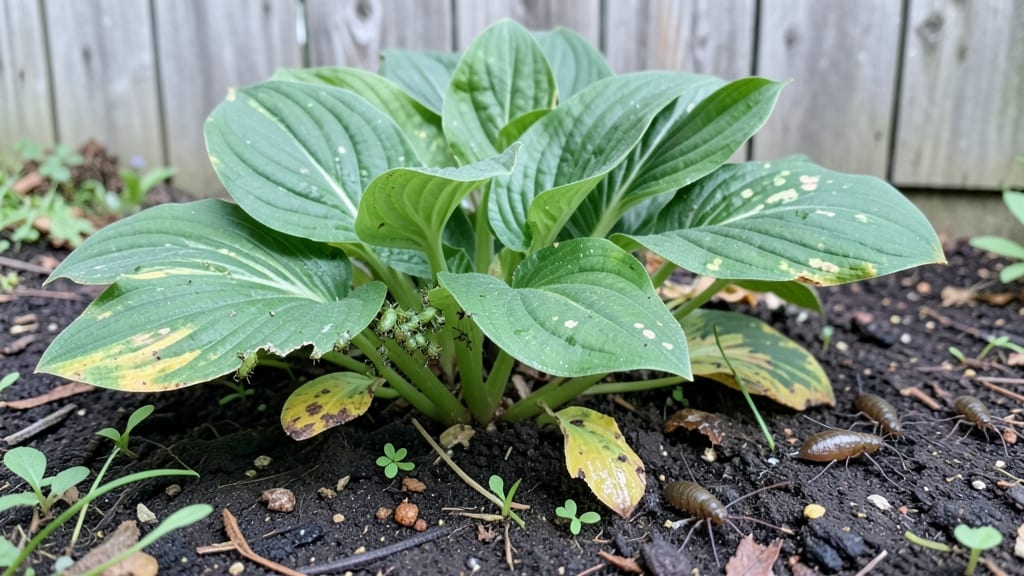
Hosta plants pests and diseases can turn your shade garden from lush to limp faster than you think. 🌿 I’ve watched fungal spots spread like wildfire across my prized hostas—until I learned the early signs and how to stop them before they ruin a whole clump.
The key isn’t just spotting the damage; it’s understanding why it happens in the first place.
Most problems start with too much moisture—whether from heavy shade, poor drainage, or overwatering. Slugs and aphids love stressed hostas, but fungal infections like leaf spot or crown rot thrive when leaves stay damp too long.
The good news? A few simple adjustments—like improving airflow, choosing disease-resistant varieties, and cleaning up debris—can make all the difference.
You’ll learn to recognize the first signs of trouble: yellowing leaves, slimy trails at night, or dark spots with fuzzy edges. With the right mix of preventive care and quick action, your hostas can stay vibrant all season. Let’s get them thriving again—before the pests and diseases take over.
Whether you’re dealing with a single plant or a whole garden, these strategies work for both in-ground hostas and container-grown varieties. The secret is staying one step ahead of the problems, not playing catch-up. Ready to protect your hostas?
Root Causes Of Hosta Struggles
Understanding why hosta plants fall prey to pests and diseases starts with recognizing their natural vulnerabilities. Hostas are prized for their lush foliage and hardiness, but their thick, broad leaves and shallow root systems create ideal conditions for certain threats—especially in damp, shady environments.
Here’s why these issues arise, broken down by the most common triggers:
Hostas thrive in shade, but their love for humidity can backfire when airflow is restricted. Fungal diseases like leaf spot, powdery mildew, and crown rot flourish in stagnant, moist air because:
- Limited airflow traps spores near the plant, preventing them from drying out.
- Overcrowding (planting hostas too close together) creates microclimates where humidity lingers, giving fungi a foothold.
- Thick mulch layers (over 3 inches) can suffocate roots and retain excess moisture, weakening the plant’s defenses.
Actionable fix: Space hostas 12–24 inches apart (depending on variety) and avoid mulching deeper than 2 inches. Prune neighboring plants to improve airflow.
Hostas prefer consistently moist (but not soggy) soil, yet many gardeners err on the side of caution and overwater, leading to:
- Root rot (caused by Phytophthora fungi), where roots suffocate in waterlogged soil and turn black/mushy.
- Crown rot, where the base of the plant rots due to prolonged saturation, often triggered by poor drainage in containers or heavy clay soil.
- Powdery mildew on leaves, as excess moisture on foliage creates a breeding ground for spores.
Actionable fix:
- Water deeply but infrequently—aim for 1–1.5 inches per week (adjust for rain).
- Improve drainage by amending soil with compost or perlite, and elevate containers.
- Water at the base (not overhead) to keep leaves dry.
Pests like slugs, snails, aphids, and nematodes don’t just eat hostas—they create entry points for diseases by:
- Chewing holes in leaves (slugs/snails), allowing fungal spores to invade through wounds.
- Excreting honeydew (aphids), which attracts sooty mold—a fungal growth that coats leaves and blocks sunlight.
- Damaging roots (nematodes), reducing the plant’s ability to absorb nutrients and fight off pathogens.
Actionable fix:
- Handpick slugs/snails at night (use beer traps or copper barriers).
- Spray aphids with a soapy water solution (1 tsp mild soap per quart of water).
- Rotate crops or plant pest-repellent companions like chives or garlic near hostas.
Hostas are cold-hardy but sudden temperature shifts (especially hot days followed by cool nights) stress them, making them susceptible to:
- Powdery mildew (thrives in 60–80°F days with cool nights).
- Bacterial leaf spot, which spreads faster when plants are weakened by heat stress.
- Fungal infections like anthracnose, which exploits stressed tissue.
Actionable fix:
- Mulch lightly (1–2 inches) to regulate soil temperature.
- Provide afternoon shade in hot climates (use shade cloth if needed).
- Avoid fertilizing in extreme heat, which can burn roots and increase stress.
While hostas are low-maintenance, poor soil health sets them up for failure:
- Nitrogen deficiency (yellowing leaves) weakens the plant’s ability to fight off pests.
- Excess phosphorus (from over-fertilizing) can encourage soft, susceptible growth that pests love.
- Compacted or nutrient-poor soil reduces root vigor, making hostas more prone to root rot and crown rot.
Actionable fix:
- Test soil annually and amend with balanced fertilizer (e.g., 10-10-10).
- Add organic matter (compost or well-rotted manure) to improve soil structure.
- Avoid synthetic fertilizers in late summer, which can promote tender new growth vulnerable to frost damage.
Quick Fixes for Hosta Pests & Diseases
When your hostas show signs of stress, acting fast is key to saving their lush foliage. Below are practical, step-by-step solutions for the most common hosta pests and diseases, along with prevention tips to keep your plants thriving. Think of this as your emergency guide—no green thumb required!
🔥 Problem: Ragged holes, silvery slime trails, and disappearing leaves overnight? Slugs and snails are the sneakiest hosta enemies, feasting on tender foliage under cover of darkness.
👨🍳 *How to Treat It:
- 🔪 Manual Removal (Best for Small Infestations):
- 🥘 Beer Trap: Bury a shallow dish filled with beer near hosta clusters. The yeast scent lures them in, and they drown. Refresh the beer every 2–3 days.
It’s a natural abrasive that dehydrates slugs. Reapply after rain. - 🍅 Coffee Grounds: Scatter used grounds around plants—the caffeine deters slugs and adds nutrients to the soil.
💡 *Prevention Tips:
- 🌧️ Water Wisely: Avoid overhead watering in the evening (slugs love damp conditions).
- 🌿 Mulch Strategically: Use coarse mulch (like pine needles) instead of fine bark—it’s harder for slugs to hide in.
🔥 Problem: Yellowing leaves, brown spots with fuzzy edges, or powdery white coatings? Fungal infections like leaf spot, powdery mildew, or crown rot thrive in humid conditions.
👨🍳 *How to Treat It:
- 🌡️ Improve Airflow (First Line of Defense):
- 🌬️ Space Plants Properly: Give hostas 18–24 inches of space between plants. Overcrowding = fungal paradise.
Apply to leaves every 7–10 days. Works for powdery mildew. - 🌿 Neem Oil: Spray a 1% neem oil solution (follow label instructions) to prevent spores from germinating. Best used preventatively. - 🛡️ Copper Fungicide: For stubborn infections like crown rot, use a copper-based fungicide (e.g., Bordeaux mixture) as a last resort.
- 🧼 Clean Up Debris: Remove and dispose of (don’t compost!) infected leaves immediately. Fungal spores linger!
💡 *Prevention Tips:
- 🌧️ Water at the Base: Avoid wetting leaves—water in the early morning so foliage dries quickly.
- ☀️ Sunlight Boost: Plant hostas in partial shade but with dappled sunlight—fungi love deep shade and high humidity.
- 🌱 Rotate Plants: Avoid planting hostas in the same spot year after year (soil-borne fungi build up).
🔥 Problem: Sticky residue (aphids), webbing (spider mites), or leaves curling up like tiny burritos? These pests suck sap, weakening your hostas.
👨🍳 *How to Treat It:
- 💦 Blast Them Off: Spray plants with a strong stream of water to dislodge aphids. Repeat every few days.
- 🍋 Soap Spray: Mix 1 tbsp mild liquid soap + 1 quart water in a spray bottle. Test on a small leaf first—some hostas are sensitive!
- 🐝 Encourage Predators: Ladybugs and lacewings love aphids. Attract them with neighborhood-friendly plants like dill or marigolds.
💡 *Prevention Tips:
- 🌿 Inspect New Plants: Quarantine newly purchased hostas for 2 weeks before planting.
- 🌱 Healthy Soil = Strong Plants: Use compost and balanced fertilizer to boost hosta resilience.
🔥 Problem: Chewed leaves with semi-circular notches? These metallic-green beetles devour hostas in hours.
👨🍳 *How to Treat It:
- 🕳️ Handpick & Drown: Drop beetles into soapy water during early morning (they’re sluggish then).
- 🍎 Milky Spore or Bt: Apply milky spore powder (for larvae) or Bacillus thuringiensis (Bt) spray (safe for humans).
- 🛡️ Row Covers: Use fine mesh netting over hostas to block adults.
💡 *Prevention Tips:
- 🌱 Plant Traps: Grow roses or grapes nearby—beetles prefer these over hostas.
- 🌿 Remove Grubs: Till soil in late summer to expose and kill larvae.
✨ Final Pro Tip: The best defense is regular monitoring! Check hostas weekly for early signs of trouble. A little prevention now saves a lot of heartache later. 🌱💚
Frequently asked questions
Why do my hosta leaves develop brown spots with fuzzy edges?
Those fuzzy brown spots are likely powdery mildew or leaf spot fungus, thriving in humid, shaded conditions. The fuzzy texture comes from fungal spores. Prune infected leaves immediately, improve airflow by spacing plants 18-24 inches apart, and spray with a baking soda solution (1 tsp baking soda + 1 tbsp oil per quart of water). Water at the base in the morning to keep leaves dry.
How can I tell if my hosta has root rot or just needs more water?
Root rot shows as black, mushy roots that smell foul, while thirsty hostas have firm, pale roots. Lift the plant gently—if it pulls out easily with little soil resistance, roots are rotted. Improve drainage by amending soil with perlite or compost, and water only when the top 1-2 inches of soil feel dry. Never let hostas sit in soggy soil.
Are there hosta varieties that resist slugs and diseases better?
Yes! Look for thick-leaved varieties like 'Blue Angel' or 'Halcyon'—their sturdy foliage deters slugs. Disease-resistant picks include 'Patriot' (rust-resistant) and 'Francee' (powdery mildew tolerant). Plant these in well-drained soil with partial shade to boost natural defenses.
What’s the fastest way to stop slug damage overnight?
Set up a beer trap (bury a shallow dish of beer near hostas) or lay copper tape around pots—slugs avoid copper's mild electric shock. For immediate relief, handpick slugs after dark with a flashlight and drop them in soapy water. Sprinkle coffee grounds around plants as a natural deterrent.
Can I still use my hostas if they’ve had fungal diseases last year?
Yes, but rotate planting locations—fungal spores linger in soil. Clean tools with rubbing alcohol between uses, and avoid composting infected debris. Choose healthy, disease-free divisions from last year’s plants to replant. Amend soil with compost and perlite to improve drainage and reduce recurrence.