
Planting
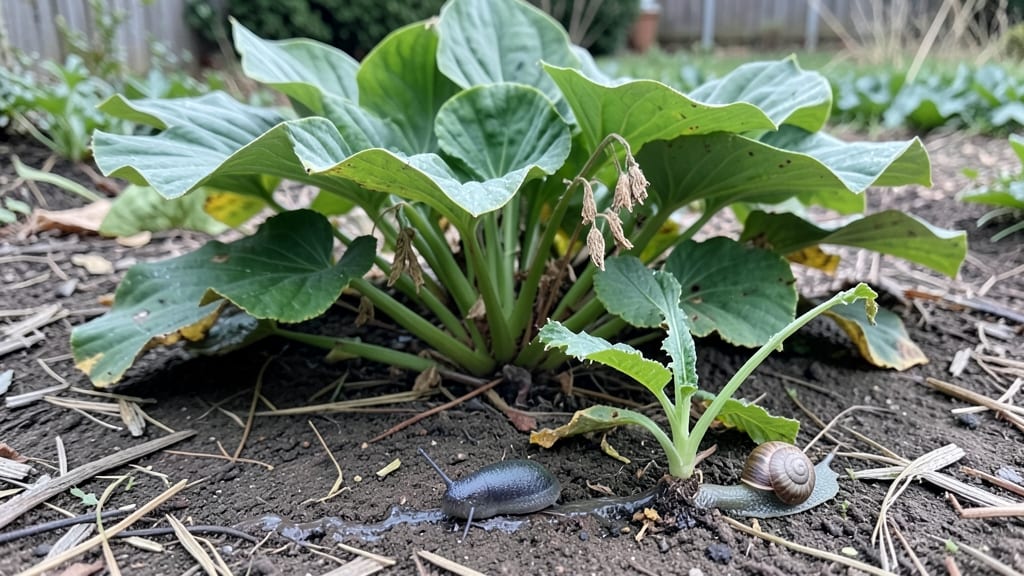
Hostas are the unsung heroes of shade gardens—until the hosta plant pests like slugs and aphids turn their lush leaves into Swiss cheese. 🌿 I’ve watched my prized hosta foliage go from velvety green to skeletonized in a single night, and I’m here to share the early warning signs and battle-tested fixes that saved my plants.
The real culprits—slugs, snails, and nematodes—leave behind unmistakable clues: slimy trails, chewed edges, and leaves that look like they’ve been attacked by tiny drills.
Most people grab the first chemical spray they see, but the most effective solutions are often organic and easy: copper barriers, diatomaceous earth, and handpicking at dawn when pests are sluggish.
By the time you spot the first holes, it’s already too late for prevention—but you can still turn things around. A few strategic sprays of neem oil, a little mulch to deter ground pests, and consistent monitoring will have your hostas thriving again in weeks.
The key is acting fast before the damage spreads.
This works for both container hostas and in-ground plants, no matter your yard size. Let’s get those leaves looking healthy again—no more sad, chewed-up foliage in sight.
Root Causes of Hosta Attacks
Hostas are prized for their lush foliage and adaptability, but their soft leaves and tender roots make them a buffet for pests. Understanding why these invaders target your hostas is the first step to prevention. Below, we break down the science—and the sneaky strategies—behind the most common hosta pest outbreaks.
Hostas thrive in shade, but when they’re planted too closely together, their leaves brush against one another, creating a perfect microclimate for pests. Here’s why this happens:
- Reduced Airflow: Dense foliage traps moisture, creating damp conditions that slugs, snails, and fungal pests (like Ramularia leaf spot) adore. 🌡️ Pro tip: Aim for 12–18 inches of spacing between mature hostas to improve airflow. - Shade Overload: While hostas love shade, too much shade (especially from dense trees or structures) weakens their growth, making them more susceptible to stress-related pests like aphids or thrips, which target nutrient-deficient plants. - Soil Compaction: Overcrowding leads to compacted soil, which restricts root growth.
Weak roots struggle to absorb water and nutrients, leaving hostas more vulnerable to root-feeding pests like grubs or nematodes.
Actionable Fix: Thin out overgrown hostas, mulch properly (2–3 inches of organic mulch), and ensure they’re planted in well-draining soil to prevent root stress.
Hostas are heavy feeders, but improper fertilization can backfire by attracting pests. Here’s how:
- Excess Nitrogen: While nitrogen promotes lush growth, too much (especially from synthetic fertilizers) makes leaves softer and more appealing to slugs, snails, and leaf-eating beetles. 🥬 Pro tip: Use a balanced fertilizer (10-10-10) and avoid high-nitrogen amendments like fresh manure. - Phosphorus or Potassium Shortages: These nutrients strengthen plant defenses.
A deficiency can make hostas more attractive to sap-sucking pests (like aphids) because the plant’s natural pest-repellent compounds (e.g., alkaloids) weaken. - Salt Buildup: Overuse of chemical fertilizers or poor-quality water can cause salt stress, which damages cell walls and makes hostas easier targets for fungal pests (e.g., Botrytis blight).
Actionable Fix: Conduct a soil test every 2–3 years and adjust fertilization based on results. Use compost or organic matter to improve soil health naturally.
Hostas love moisture, but excessive dampness (or inconsistent watering) turns them into pest magnets. Here’s the breakdown:
- Stagnant Water: Hostas in low-lying areas or with poor drainage create standing water, which attracts:
- Slugs and snails (they need moisture to survive).
- Fungal pests like Phytophthora, which thrives in waterlogged soil and rots roots.
- Morning Dew or Overhead Watering: Wet leaves for long periods invite:
- Leaf-mining flies (their larvae burrow into leaves).
- Powdery mildew (a fungal disease that weakens plants, making them more susceptible to secondary pests).
- Drought Stress: While hostas tolerate some dryness, sudden drought followed by heavy watering can shock the plant, making it more attractive to chewing pests (like Japanese beetles) because stressed plants emit different volatile organic compounds (VOCs) that pests detect.
Actionable Fix:
- Plant hostas on slightly elevated beds or slopes to improve drainage.
- Water at the base (not overhead) and early in the day to allow foliage to dry.
- Use drip irrigation to avoid prolonged leaf wetness.
Some pests specifically target hostas because of their chemical makeup. Here’s why:
- High Tannin Content: Hostas contain tannins, which deter many pests—but some, like the narcissus fly, are adapted to break them down.
These pests evolved to exploit hostas as a reliable food source. - Soft, Broad Leaves: The large, tender leaves of hostas are a perfect snack for: - Japanese beetles (they prefer hostas over other perennials). - Deer and rabbits (though not pests, they can decimate hostas if unchecked). - Underground Feasts: Hosta roots produce sugary exudates, which attract: - Root borers (like the hosta borer moth). - Nematodes (microscopic worms that thrive in moist, organic-rich soil).
Actionable Fix:
- Rotate crops (avoid planting hostas in the same spot for 3+ years) to disrupt pest life cycles.
- Choose pest-resistant varieties (e.g., ‘Halcyon’ or ‘Francee’ are less appealing to slugs).
- Interplant with repellent companions like chives, garlic, or marigolds to confuse pests.
Pests don’t attack randomly—they time their invasions based on hosta growth stages and weather patterns.
- Spring Emergence: As new hosta shoots push through the soil, they’re most vulnerable to:
- Slugs and snails (they target tender young leaves).
- Cutworms (they sever stems at the base).
- Summer Heat: High temperatures and humidity create ideal conditions for:
- Aphids and spider mites (they multiply rapidly in warm, dry conditions).
- Fungal diseases (like Septoria leaf spot), which weaken plants and make them more susceptible to secondary pests.
- Fall Decay: As hostas senesce, fallen leaves and debris provide:
- Hibernation sites for pests like hosta borers and overwintering slug eggs.
- Food sources for rodents (who may gnaw on crowns).
Actionable Fix:
- Clean up debris in fall to remove pest hiding spots.
- Mulch heavily in late summer to protect crowns from freeze-thaw cycles (which stress plants and attract pests).
- Monitor closely in spring and early summer when pests are most active.
Quick Fixes for Hosta Plant Pests
When your hostas start showing signs of stress, acting fast is key to saving your prized plants. Below, we’ve mapped the most common hosta plant pests to practical solutions—so you can stop the damage before it spreads. Each fix includes a prevention tip to keep your hostas thriving long-term.
Signs: Irregular holes in leaves, silvery slime trails, especially after rain or at night.
How to Fix It: 🔥 Bait Traps: Set out beer traps (bury a shallow dish filled with beer near hostas—slugs crawl in and drown). 🍳 Copper Barriers: Wrap copper tape around pots or create a ring around hostas—slugs hate the electric shock-like sensation it creates. 👨🍳 Handpick & Relocate: Early morning is prime time to spot them. Drop them in soapy water or move them far from your garden. ⏰ Iron Phosphate Baits: Use organic slug pellets (like Sluggo)—they’re pet-safe and break down in sunlight.
💡 Prevention Tip: Mulch with sharp materials (like crushed eggshells or diatomaceous earth) to deter slugs naturally.
Signs: Sticky residue (honeydew), curled or yellowing leaves, tiny green/black clusters on stems.
How to Fix It: 🔥 Blast Them Off: Use a strong spray of water (aphids can’t swim!) to knock them off leaves. 🍳 Neem Oil Spray: Mix 1 tbsp neem oil + 1 tsp mild soap + 1 quart water, spray undersides of leaves where they hide. 👨🍳 Ladybugs & Lacewings: Release beneficial insects (available at garden centers) to eat aphids naturally. ⏰ Insecticidal Soap: Spray a homemade solution (1 tsp castile soap + 1 quart water) for immediate kill.
💡 Prevention Tip: Plant garlic or chives nearby—their scent repels aphids.
Signs: Fine webbing on leaves, speckled yellow/white leaves, slow growth.
How to Fix It: 🔥 Water Spray: Mites hate humidity—hose down plants daily during outbreaks. 🍳 Horticultural Oil: Apply oil-based spray (like Safer Brand 3-in-1) to suffocate them. 👨🍳 Predatory Mites: Introduce phytoseiulus persimilis (sold as mites for mites) to hunt them down. ⏰ Rubbing Alcohol Spray: Mix 1 part alcohol + 3 parts water, spray directly on mites (test on a small leaf first).
💡 Prevention Tip: Mulch with straw to retain moisture and discourage mite activity.
Signs: Leaves suddenly sawed off at the base, plants topple over, holes in stems.
How to Fix It: 🔥 Collar Barriers: Wrap cardboard collars around stems (3 inches tall) to block cutworms from climbing. 🍳 Grit or Diatomaceous Earth: Sprinkle around the base of plants—it damages their soft bodies. 👨🍳 Night Patrol: Shine a flashlight at night and handpick worms (they’re easy to spot when active). ⏰ Beauveria Bassiana: A fungal spray (like BotaniGard) that kills cutworms naturally.
💡 Prevention Tip: Avoid overwatering—cutworms thrive in damp soil.
Signs: Chewed leaf edges, rolled leaves, tiny brown insects hiding under mulch.
How to Fix It: 🔥 Roll-Up Traps: Place corrugated cardboard near hostas—earwigs hide inside during the day. Burn or drown them. 🍳 Diatomaceous Earth: Lightly dust around plants (avoid overapplying—it can harm beneficial insects). 👨🍳 Coffee Grounds: Sprinkle used grounds around hostas—they repel earwigs with their acidity. ⏰ Sticky Traps: Set out yellow sticky traps to catch flying adults.
💡 Prevention Tip: Keep mulch thin—earwigs love thick, damp layers.
Signs: Skeletonized leaves, chewed flowers, shiny green beetles with copper wings.
How to Fix It: 🔥 Handpick & Drop: Fill a bucket with soapy water and drop beetles in daily (they’re active in midday). 🍳 Neem Oil Spray: Apply neem oil to deter egg-laying and kill larvae in soil. 👨🍳 Milky Spore: A natural bacteria (like Milky Spore) that targets grubs in the soil. ⏰ Pheromone Traps: Use Japanese beetle traps (but place them far from hostas—they attract more beetles).
💡 Prevention Tip: Plant trap crops like roses or grapes to lure beetles away.
Signs: Brown/yellow spots with halos, wilting, black dots (spores) on undersides.
How to Fix It: 🔥 Prune & Dispose: Cut off infected leaves, bag them, and don’t compost—burn or trash. 🍳 Baking Soda Spray: Mix 1 tsp baking soda + 1 quart water + a drop of soap, spray every 7–10 days. 👨🍳 Copper Fungicide: Use copper-based sprays (like Copper Soap) for severe cases. ⏰ Improve Airflow: Space plants 3–4 feet apart and avoid overhead watering.
💡 Prevention Tip: Water at the base (not leaves) and remove debris to prevent spore buildup.
🎯 Pro Tip: Always rotate treatments to prevent pests from building resistance. And when in doubt, inspect leaves daily—early action saves hostas!
Frequently asked questions
Why do slugs and snails love hostas so much?
Hostas are like all-you-can-eat buffets for slugs and snails because their soft, broad leaves are packed with moisture and nutrients. These pests thrive in shady, damp conditions—exactly where hostas grow best. The key is their tender foliage, which is easy to chew compared to tougher plants.
Can I use coffee grounds to protect my hostas from pests?
Yes! Sprinkle used coffee grounds around your hostas—they create a natural barrier that deters slugs, snails, and earwigs thanks to their acidic scent. Just avoid piling them directly against stems, as they can compact soil and reduce airflow. A light layer around the base works best.
How do I know if my hosta has nematodes instead of regular pests?
Nematodes attack roots, so look for wilting leaves, stunted growth, or yellowing despite proper care. Dig up a plant and rinse the roots—if you see tiny, worm-like creatures, that’s your answer. Nematodes thrive in moist soil, so improve drainage and use beneficial nematodes (like Steinernema) to combat them.
Will neem oil harm my hostas if I use it too often?
Neem oil is generally safe for hostas when used correctly, but overuse can stress the plant. Stick to every 2-3 weeks during pest outbreaks, and always dilute it (1 tbsp per quart of water). Avoid spraying in direct sunlight or extreme heat, as it can burn foliage.
Are there any hosta varieties that pests avoid?
Some hostas are naturally more resistant! Varieties like 'Halcyon' or 'Francee' have thicker leaves that deter slugs and snails better than delicate types like 'Blue Angel'. For extra protection, choose varieties with blue or gray foliage, as pests tend to avoid them.