
Plants
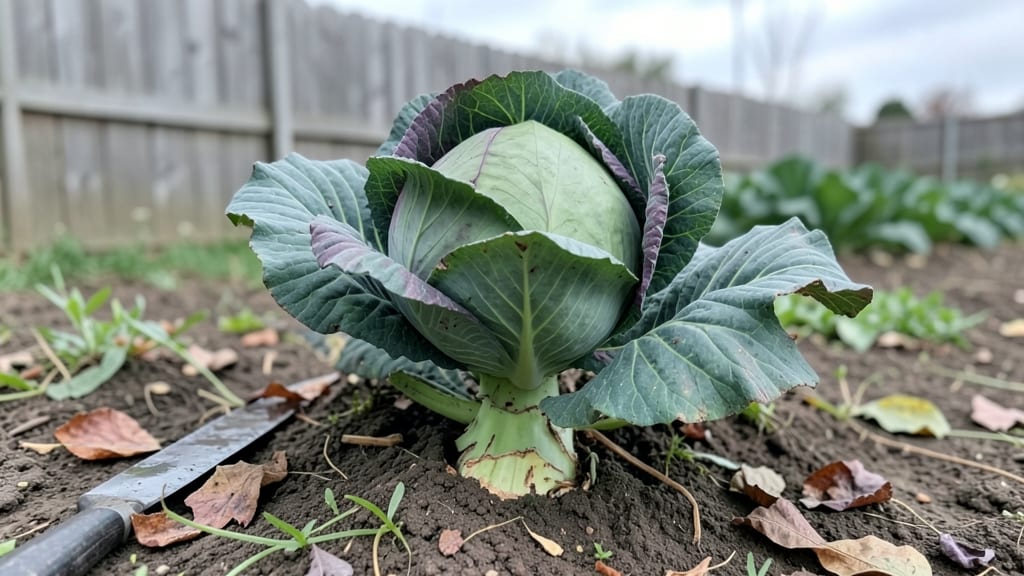
Harvesting cabbage plants at the right moment turns your garden into a crisp, flavorful treasure 🥬—but timing is everything.
Cabbage plants can be a gardener’s pride—but knowing exactly when to harvest is the secret to juicy, crisp heads that stay fresh for weeks. Pull too early, and you’ll miss peak flavor; wait too long, and storage life suffers. Here’s how to time it perfectly.
Most gardeners wait until the heads feel firm and reach 6-8 inches in diameter, but there’s more to it than size. Leaf color, weather patterns, and even the variety play a role in determining the best moment to cut or twist them free.
Below, I’ll walk you through the key signs to watch for, the proper techniques to avoid damage, and how to store your harvest so it lasts through the winter—no wilted disappointment here.


When to harvest cabbage for optimal flavor and texture
Timing your cabbage harvest perfectly ensures heads that are crisp, flavorful, and store well for weeks. Unlike many vegetables, cabbage doesn’t ripen after picking—so harvesting at the right moment is everything.
The ideal window is when heads reach maturity but before they start to split or bolt, which can happen in as little as 75-100 days depending on the variety.
Spring cabbage (like 'Golden Acre') often matures faster than fall varieties (such as 'Late Flat Dutch'), so seasonal timing matters.
Visual cues are your best guide. Look for tightly wrapped leaves that feel firm when gently squeezed—no give should indicate readiness. The head should also be uniform in color, whether deep green, purple, or white, with no yellowing edges.
If the outer leaves start pulling away from the core, you’ve waited too long. For spring cabbage, aim for harvest in late June to July, while fall varieties should be ready by October to November.
| Variety | Head Size | Leaf Firmness | Harvest Time | Season |
|---|---|---|---|---|
| Golden Acre | 10-12 inches | Firm, no soft spots | Late June-July | Spring |
| Late Flat Dutch | 12-16 inches | Dense, tightly wrapped | October-November | Fall |
| Red Express | 8-10 inches | Solid, no wilting | Late July-August | Summer |
| Savoy King | 14-18 inches | Crisp, wrinkled texture | September-October | Fall |
Don’t rely solely on days-to-maturity labels—environmental factors like temperature and daylight play a huge role. In hot weather, cabbage may bolt (send up flower stalks) prematurely, so harvest sooner if you notice the plant stretching or leaves yellowing.
Conversely, cool fall nights (below 50°F) slow growth, so heads may take longer to reach size. If your cabbage is planted in partial shade, it’ll also mature slower, so check for readiness 2-3 weeks later than the expected timeline.
The stem test is a foolproof way to confirm readiness. Gently bend the main stem near the base—if it snaps cleanly (not bends or tears), the head is perfect for harvest. A fibrous or tough stem means it’s underripe, while a hollow or cracked stem signals overmaturity.
For loose-leaf varieties (like 'Chinese Bok Choy'), you can harvest individual leaves as they reach 6-8 inches tall, but for head cabbage, wait for the full head to form.
Seasonal variations demand different approaches. Spring cabbage often matures faster due to longer daylight, so monitor plants closely in May and June. In contrast, fall-planted cabbage benefits from cooler temps, which improve sweetness and texture.
If your region has early frosts, prioritize harvesting heads before temperatures drop below 25°F, as frost damages cell structure, making storage difficult.
A quick trick: Harvest in the morning when heads are cool and crispest, then store them in a dark, humid space (like a root cellar) to preserve freshness.
Watch for pest or disease signs that might affect harvest timing. Cabbage worms or aphids can weaken plants, so treat infestations early. If you notice hole-filled leaves or yellowing edges, the head may not develop properly.
In such cases, harvest what you can and use the remaining leaves for cooked dishes (like stir-fries) instead of fresh applications. Bolting (premature flowering) is another red flag—if your cabbage sends up a stalk, harvest the outer leaves immediately to salvage flavor.
For storage longevity, aim to harvest when heads are firm but not rock-hard. Overly hard cabbage stores poorly because its moisture content is too low.
After harvesting, let heads dry for 1-2 hours in a shady spot to toughen the skin, then store in a perforated plastic bag in the fridge for up to 2 weeks.
For longer storage (up to 6 months), place whole heads in a root cellar at 32-40°F with 90% humidity. If you’re unsure, harvest a few heads early and taste-test—they’ll tell you if you’ve nailed the timing!
Pro tip: Smaller heads (like those from 'Miniature Drumhead') often have better flavor than oversized ones, which can become pithy. If your cabbage is growing in
Step-by-step cabbage harvesting techniques for longevity
Harvesting your cabbage plants at the right time ensures maximum flavor and longer storage life. The key is patience—waiting until heads are fully mature prevents bitterness and extends freshness.
Once you spot tightly wrapped leaves and a solid head, it’s time to act. But how you remove the cabbage matters just as much as when you do it.
Using the wrong technique can bruise the head or damage the plant, shortening its shelf life. I’ve learned that a sharp knife or clean twist is best, followed by proper post-harvest care.
Whether you’re storing in a root cellar or fridge, these steps will keep your cabbage crisp for weeks. Let’s break it down.
How to Harvest Cabbage Without Damage
-
Step 1: Choose the Right Day
Harvest on a cool morning after dew has dried. Avoid hot afternoons to prevent wilting. -
Step 2: Use a Sharp Knife or Scissors
Cut the outer leaves first if harvesting baby cabbage. For full heads, slice the stem 1-2 inches below the base. -
Step 3: Twist for Smaller Heads
For smaller varieties, grip the base and twist gently. The head should separate cleanly without tearing. -
Step 4: Leave 2-3 Outer Leaves
Preserve the tightest outer leaves to protect the head during storage. -
Step 5: Cure for 24 Hours
Let heads air-dry in a shady, well-ventilated spot for 1 day to toughen the skin. -
Step 6: Store Properly
Place in a plastic bag (fridge) or root cellar (40°F) for up to 6 months.
After harvesting, post-harvest care is critical. I always cure my cabbage heads for 24 hours in a cool, dry place. This step toughens the skin, preventing moisture loss and extending shelf life. Skipping this can lead to soggy, rotting heads within days.
For long-term storage, a root cellar is ideal—humidity levels between 90-95% keep cabbage crisp for months. If you don’t have one, the crisper drawer of your fridge works too, though it lasts only 4-6 weeks. Avoid washing before storage; moisture speeds up spoilage.
One common mistake I see is harvesting cabbage heads that are too large. Overgrown cabbage becomes loose and pithy, losing flavor and texture. Always aim for firm, compact heads—they store better and taste sweeter.
With these techniques, your cabbage will stay fresh long after the garden season ends.
Pro tip: Save a few outer leaves to wrap around smaller heads during storage. This mimics the plant’s natural protection and keeps them crisp and vibrant for weeks longer.