
Watering
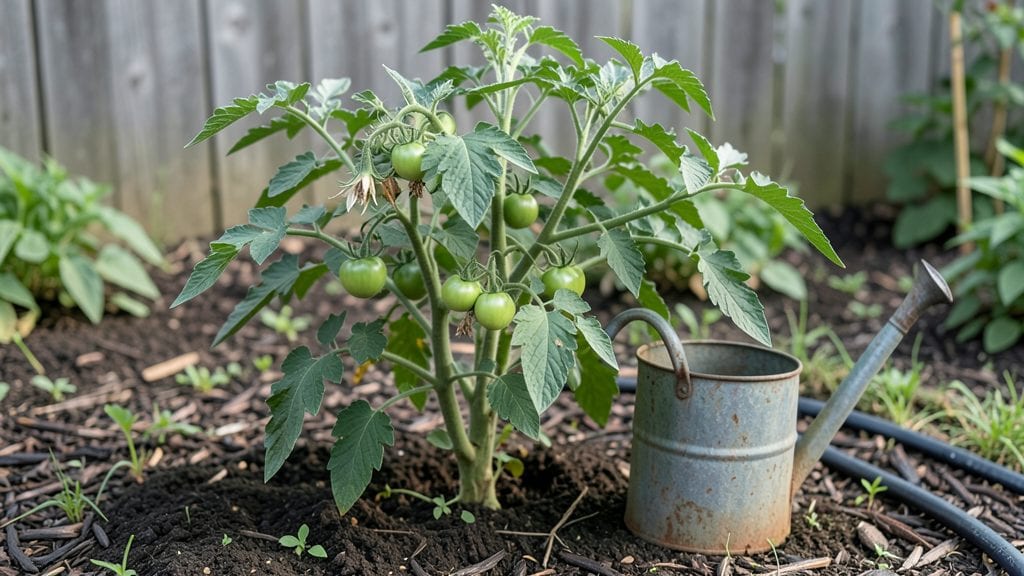
Watering your vegetable plants correctly is the difference between a garden that thrives and one that struggles—consistent moisture at the right times keeps roots strong and flavors bright.
Overwatering or underwatering your 🥬 can turn your garden into a science experiment gone wrong—wilting leaves, bitter flavors, or stunted growth are all too common mistakes. But timing your watering perfectly isn’t just about guesswork; it’s the secret to bountiful harvests and vibrant flavors.
Most gardeners assume "water when the soil feels dry," but that’s only half the battle. The time of day you water matters just as much—early morning is the golden window for maximum absorption and minimal waste. Plus, a few simple tweaks can save you hours of trial and error.
In this guide, I’ll break down the exact schedule for different veggies, how to tell if you’re over- or underdoing it, and the one technique that cuts water waste by 40%. Let’s get those plants growing like they’re in a greenhouse.
The best times of day to water vegetable plants for optimal absorption
Timing your watering sessions can make the difference between thriving vegetable plants and struggling ones. I’ve learned through trial and error—and a few failed harvests—that water absorption isn’t just about how much you water, but when you do it.
The right timing ensures roots get the moisture they need while minimizing waste and preventing common issues like fungal diseases or leaf burn. Let’s break down the science behind the best times to water and how to adapt for your local climate.
Most gardeners swear by early morning watering, and for good reason. Between 6 AM and 10 AM, temperatures are cooler, evaporation rates are lower, and plants have the entire day to absorb moisture before the heat sets in.
This is especially critical for leafy greens like lettuce or spinach, which can develop bitter flavors or bolt if stressed by afternoon watering. But what if you’re not an early riser? Don’t worry—there are still effective strategies for other times of day.
- 6:00 AM - 10:00 AM Best for: Root absorption, minimal evaporation, and disease prevention. Ideal for all vegetables, especially tomatoes and peppers.
- 4:00 PM - 6:00 PM Best for: Hot/dry climates where morning watering isn’t feasible. Avoids midday heat stress but requires shallow watering to prevent evening evaporation.
- Never after sunset Why avoid: Prolonged leaf wetness increases fungal diseases like powdery mildew. Wet foliage overnight is a nighttime disaster for cucumbers and squash.
- Adjust for humidity Humid regions: Water early morning only to dry leaves quickly. Arid climates: Water late afternoon for deeper soil moisture before nighttime cooling.
- Deep vs. shallow Morning: 1-2 inches deep for root development. Afternoon: Surface watering only to avoid evening evaporation.
If you’re gardening in a hot, dry climate like Arizona or California, late afternoon watering (between 4 PM and 6 PM) can be a lifesaver. The heat of the day has already peaked, so less water is lost to evaporation compared to midday.
However, this approach requires shallow watering—focus on keeping the top 2 inches of soil moist rather than soaking the roots deeply. I’ve seen peppers and eggplants thrive with this method, especially when paired with mulch to retain moisture.
For gardeners in humid regions, like the Southeast U.S., early morning watering is non-negotiable. The combination of high humidity and warm nights creates the perfect storm for fungal diseases like powdery mildew or blight. Wet leaves that don’t dry quickly become breeding grounds for pathogens.
I once lost an entire row of zucchini to fungal issues because I watered in the evening—don’t make the same mistake! If you must water later in the day, use a soaker hose to deliver water directly to the soil and avoid wetting foliage.
One of the biggest myths I’ve heard is that you should water vegetables every day. While some plants like lettuce or radishes need frequent moisture, others, such as tomatoes or carrots, benefit from deep, infrequent watering.
The key is to water deeply—aim for 1-2 inches of water per week—and let the soil dry slightly between waterings. This encourages strong root systems and prevents blossom-end rot in tomatoes, a common issue caused by inconsistent moisture.
Let’s talk about soil temperature—it plays a bigger role than most gardeners realize. Cool soil absorbs water more efficiently, which is why early morning watering works so well. If you’re watering in the late afternoon, the soil may still be warm from the day’s heat, reducing absorption.
To test this, stick your finger 2 inches into the soil after watering. If it’s dry, you’re not watering deeply enough. If it’s soggy, you’re overdoing it. Finding that goldilocks zone is the secret to healthy plants.
Don’t overlook the role of mulch in your watering strategy. A 2-3 inch layer of organic mulch (like straw or wood chips) can reduce evaporation by up to 30%, meaning you’ll need to water less frequently.
I’ve found that mulched beds stay moist longer, and the soil temperature remains more stable. Plus, mulch suppresses weeds, which compete with your vegetables for water. It’s a two-for-one solution that saves time and effort.
Seasonal adjustments are crucial, too. In spring, when temperatures are cooler and rainfall is more frequent, you might only need to water every 2-3 days.
But by summer, when temperatures soar and evaporation rates skyrocket, I’ve had to water my peppers and cucumbers daily—sometimes twice a day in extreme heat. Always check the soil moisture before reaching for the hose. A simple stick-in-the-soil test is all you need to avoid overwatering or underwatering.
One final tip: avoid watering during windy conditions. Strong winds can blow water away from your plants, wasting precious moisture and leaving roots parched.
If you notice your garden is breezy, either water early in the morning when winds are typically calmer or use a windbreak to protect your plants. I’ve seen windblown water reduce the effectiveness of my watering by nearly 50%—a lesson learned the hard way!
Mastering the art of watering vegetable plants is all about observation and adaptation. Start with early morning watering as your baseline, then adjust based on your climate, soil type, and plant needs.
With the right timing, you’ll see faster growth, better flavors, and fewer pests—because healthy plants are resilient plants. Now grab that watering can and put these tips to the test!
How often should you water vegetables? A plant-by-plant watering schedule
Vegetable gardens thrive on consistency, but watering frequency varies wildly between plants. Tomatoes need deep, frequent drinks, while carrots prefer steady moisture without soggy soil. The key? Understanding each plant’s root depth and growth stage.
Young seedlings demand moisture daily, but mature plants often prefer deep watering every 2-3 days—especially in sandy soil that drains fast or clay soil that holds water like a sponge.
Soil type isn’t the only factor—weather conditions play a huge role. A 90°F heatwave can dry out soil in hours, while humid days might stretch watering to every 5 days.
Below, I’ve broken down a plant-by-plant schedule for your most common veggies, plus a side-by-side comparison of deep watering vs. shallow watering to help you decide what works best for your garden layout.
🌱
Deep watering—soaking soil 6-12 inches deep—encourages root growth and reduces surface evaporation. Shallow watering might seem easier, but it often leads to weak roots and stressed plants. For example, tomatoes and peppers wilt faster with shallow watering because their roots can’t reach moisture deep enough.
Meanwhile, leafy greens like lettuce and spinach recover quickly from shallow sessions, making them more forgiving.
Adjust your schedule based on soil moisture tests: Stick your finger 2 inches deep—if it feels dry, water. If it’s damp, wait another day. Mulch (straw or wood chips) helps retain moisture and cuts down on weeding while keeping roots cool.
In containers, water every 1-2 days since pots dry out faster than garden beds.
Pro tip: Use a rain gauge or tuna can buried in soil to track weekly rainfall. Subtract that from your watering totals—no need to overdo it if Mother Nature’s already hydrating your plot! For container gardens, weigh them: Lift a pot—if it’s light, it’s thirsty.
☀️