
Companion Plants
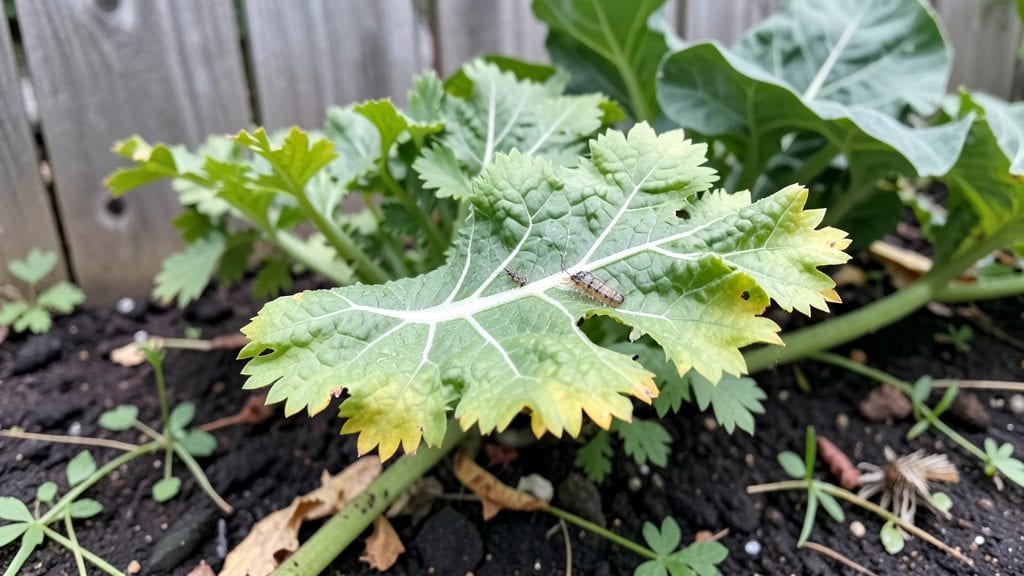
Flies from plants ruin harvests faster than you can say "overwatered soil." 🌿 I’ve battled them in every garden—from my shady patio pots to the greenhouse where I grow seedlings—and the key to stopping them is understanding what they’re really after.
These pests don’t just annoy you; they spread disease and stunt growth by laying eggs in damp soil or decaying matter.
The worst offenders—fungus gnats, fruit flies, and shore flies—all thrive in moist, organic-rich soil. I learned the hard way that skipping mulch or ignoring drainage turns your garden into their all-you-can-eat buffet. The good news?
You don’t need sprays to win. Simple fixes like dried citrus peels in pots, yellow sticky traps, or even a sprinkle of diatomaceous earth (food-grade only) disrupt their lifecycle without harming your plants.
What you’ll achieve is a garden where flies don’t stand a chance. Your seedlings stay strong, your herbs grow lush, and you skip the chemical cleanup. The secret is prevention—dry soil, clean tools, and a few strategic companion plants like basil or mint to mask the scents flies love.
I’ll show you exactly how to set it up, whether you’re dealing with a single pot or a full raised bed.
Works for both indoor setups and outdoor beds, and the methods scale from a windowsill herb garden to a full backyard. No more helplessly watching your plants get overrun—let’s turn the tables on these pests the natural way.
Nature’s Unwanted Visitors Explained
Flies buzzing around your plants aren’t just a nuisance—they’re often drawn by specific factors tied to plant health, environment, and even human habits. Understanding these triggers helps you take targeted action to keep your garden fly-free without harsh chemicals. Here’s why these pests show up in the first place:
Flies, especially fruit flies and drain flies, are attracted to the scent of fermenting sugars, rotting organic material, and yeasty byproducts. When plants produce overripe fruit, fallen leaves, or damaged stems, they release volatile organic compounds (VOCs) that mimic the smell of spoiled food—an all-you-can-eat buffet for flies.
Why it happens:
- Fruit flies (Drosophila spp.) detect ethanol and acetic acid (vinegar-like compounds) from rotting fruit within 30 minutes of spoilage.
- Fungus gnats thrive in moist, decomposing plant debris, where they lay eggs in damp soil or mulch.
- Drain flies (sewage flies) are drawn to anaerobic (oxygen-deprived) conditions, common in soggy potted plants or waterlogged garden beds.
Actionable fix:
- Remove fallen fruit, wilting leaves, or deadheads immediately—don’t let them linger on the soil.
- Use compost bins with lids to contain organic waste away from plants.
- Aerate soil with perlite or sand to reduce anaerobic pockets where drain flies breed.
Flies need water to breed, and damp environments create the perfect nursery. Houseplants in saucers, overwatered pots, and soggy garden soil become breeding grounds for:
- Fungus gnats (larvae hatch in 4–7 days in moist soil).
- Mosquitoes (adults lay eggs in stagnant water).
- Drain flies (thrive in damp organic matter like mulch or wet bark).
Why it happens:
- Fungus gnat larvae feed on root fungi and bacteria that flourish in overwatered soil (especially in pepper, tomato, and basil plants).
- Mosquitoes detect microbes in standing water through chemical signals, even in tiny amounts (like a half-full saucer).
- Drain flies are often mistaken for gnats but prefer decaying plant matter in wet conditions.
Actionable fix:
- Empty saucers under pots daily and elevate containers to improve drainage.
- Let soil dry between waterings—stick your finger 1 inch deep; if it’s damp, wait.
- Use coconut coir or sand to improve drainage in potted plants.
- Add a thin layer of diatomaceous earth (food-grade) to soil surfaces to deter larvae.
Stagnant air and high humidity create a fly-friendly microclimate.
When plants are crowded, shaded, or lack ventilation, flies linger longer because: - Heat and humidity slow evaporation, intensifying the fermentation smells that attract fruit flies. - Still air prevents natural pest dispersal, letting flies reproduce unchecked. - Condensation on leaves (from poor airflow) mimics dewy breeding sites for fungus gnats.
Why it happens:
- Fruit flies are drawn to warm, enclosed spaces (like greenhouses or dense foliage) where CO₂ and ethanol accumulate.
- Whiteflies and aphids excrete honeydew, a sticky sugar solution that attracts fruit flies and wasps.
- Mold and mildew (thriving in humid conditions) release spores and odors that repel some pests but attract fungus gnats.
Actionable fix:
- Prune plants to improve airflow—aim for 3–4 inches of space between leaves.
- Use fans (even a small oscillating fan) to reduce humidity near houseplants.
- Space pots apart and avoid over-mulching, which traps moisture.
- Wipe leaves with a damp cloth to remove honeydew and dust (which blocks sunlight and worsens humidity).
Some plants naturally produce sugars, nectar, or fermentable compounds that act like fly magnets.
Common culprits include: - Citrus, berries, and tomatoes (high in simple sugars that ferment quickly). - Compost piles (release ammonia and volatile organic compounds). - Alcohol-producing plants like banana trees (emit ethanol as fruit ripens).
Why it happens:
- Fruit flies have olfactory receptors tuned to ethanol, acetic acid, and esters—compounds found in ripe and rotting fruit.
- Yeast activity in overripe fruit speeds up fermentation, releasing CO₂ and smells that flies track from up to 3 miles away (yes, really).
- Aphids and scale insects produce honeydew, a liquid sugar snack that draws flies like ants to a picnic.
Actionable fix:
- Harvest fruit promptly—don’t let it overripe on the plant or vine.
- Store compost bins far from plants (at least 10 feet away).
- Spray plants with neem oil (1 tsp per quart of water) to deter aphids and reduce honeydew.
- Freeze overripe fruit (instead of composting) to halt fermentation and repurpose it later.
Sometimes, our daily routines accidentally create fly buffets.
Common mistakes: - Leaving fruit bowls near houseplants (flies associate sweet smells with food sources). - Using sugary fertilizers (like molasses-based liquid feeds) that attract fungus gnats. - Overwatering based on emotion (e.g., "My plants look thirsty!") instead of soil moisture tests. - Ignoring pet food or spills near gardens (flies link decaying matter to breeding sites).
Why it happens:
- Flies use visual and olfactory cues—if they see dark, damp soil + sweet smells, they’ll land, lay eggs, and stay.
- Sugary fertilizers (like fish emulsion) boost microbial activity, creating more CO₂ and organic acids that flies love.
- Pet waste or food scraps near plants mimic natural decay, tricking flies into thinking it’s a safe nursery.
Actionable fix:
- Store fruit in sealed containers (not on counters near plants).
- Switch to slow-release fertilizers (like osmocote) to avoid sugar spikes.
- Clean up pet food/water bowls immediately after use.
- Wipe down surfaces near plants with vinegar spray (1:1 vinegar-water) to neutralize odors.
Natural Ways to Keep Flies Away
Now that you understand why flies are drawn to your plants, it’s time to take action! The good news is that you don’t need harsh chemicals to solve this problem—just a few simple, plant-based strategies.
Below, we’ll break down practical fixes based on the root causes of fly infestations, along with prevention tips to keep your garden fly-free long-term.
Flies are attracted to rotting fruits, vegetables, and fallen leaves—so the first step is cleanup.
- 🔥 Remove Rotten Produce Immediately - Check your garden beds, compost piles, and mulch for overripe tomatoes, squash, or other soft fruits.
Flies lay eggs in decaying organic matter, so toss or compost it far from your plants (at least 20 feet away). - If composting, turn the pile frequently to speed up decomposition and reduce fly activity.
- 🍳 Collect Fallen Leaves & Debris - Rake up wet leaves, spent blooms, and plant debris weekly.
Flies love hiding in damp, shaded areas, so keep surfaces dry and tidy. - For heavy leaf drop (like from fig or citrus trees), mulch with straw or wood chips instead of leaving leaves in piles.
- 👨🍳 Prune Dead or Diseased Branches
- Trim back dead flowers, moldy stems, or branches with fungal growth. Disinfect pruners with rubbing alcohol between cuts to prevent spreading disease.
💡 Pro Tip: If you have a compost bin, cover it with a breathable mesh lid to block flies while still allowing airflow.
Flies need moisture and organic material to reproduce. Break their cycle with these targeted interventions:
- ⏰ Adjust Watering Habits
- Water plants early in the morning (before 10 AM) to let foliage dry quickly. Avoid overhead watering, especially in hot weather, as damp leaves attract fungus gnats and fruit flies.
- Use drip irrigation or soaker hoses to keep soil moist without creating puddles.
- 🎯 Trap & Eliminate Larvae - For soil-dwelling flies (like fungus gnats), mix 1 part hydrogen peroxide (3%) with 4 parts water and spray the top inch of soil.
This kills larvae without harming plants. - For fruit flies, place apple cider vinegar traps (1 cup vinegar + 2 drops dish soap in a jar) near infested plants. Flies are drawn in but drown in the solution.
- 🔪 Use Beneficial Nematodes (For Advanced Cases)
- If you have a severe fungus gnat or shore fly infestation, apply beneficial nematodes (Steinernema feltiae) to the soil. These microscopic worms seek out and kill fly larvae naturally.
One of the best long-term solutions is to strategically plant flies away using strong-scented herbs and flowers. These natural deterrents confuse flies and mask plant odors that attract them.
| Problem Flies | Best Repellent Plants | Planting Tip |
|---|---|---|
| Fruit Flies | Basil, Mint, Lavender, Rosemary | Plant near tomatoes, peppers, and berries |
| Fungus Gnats | Marigolds, Garlic, Chives | Interplant in container gardens |
| House Flies | Lemongrass, Citronella, Catnip | Grow in pots near patios or windows |
| Whiteflies | Ageratum, Nasturtium, Dill | Use as border plants around veggies |
💡 Pro Tip: Crush fresh herbs (like basil or mint) and rub them on plant stems for an instant fly-repelling boost.
Sometimes, the simplest solutions work best. Block flies before they land:
- 🌿 Use Fine Mesh or Row Covers
- For fruit flies on berries or melons, drape lightweight floating row covers over plants. Secure edges with clips or bricks to prevent flies from entering.
- 🍎 Cover Compost & Mulch
- If flies are coming from compost or straw mulch, top it with a layer of dry leaves or cardboard to smother larvae.
- 🕊️ Introduce Fly-Eating Predators
- Ladybugs, lacewings, and parasitic wasps (like Aphidius colemani) hunt fly larvae. Purchase them from garden centers or create a habitat (like a shallow water dish with pebbles) to attract them.
Once you’ve eliminated existing flies, follow these steps to keep them away for good:
✅ Inspect plants weekly for signs of rot, mold, or overripe fruit. ✅ Rotate crops to prevent soil-borne fly larvae from building up. ✅ Store harvested fruits in the fridge (even unripe ones) to avoid attracting flies. ✅ Keep grass short around garden beds—flies breed in tall, damp grass. ✅ Use reflective mulch (like silver plastic) to disorient flies and reduce landing.
By combining cleanup, trapping, companion planting, and barriers, you can completely eliminate flies from your plants—without a single chemical. Start with the most problematic areas first, and soon, your garden will be fly-free and thriving! 🚀
Frequently asked questions
Why do flies keep coming back to my plants even after I clean up?
Flies have incredible scent memories and can detect fermentation smells from up to 3 miles away. If you’re still seeing them, check for hidden breeding spots like moist mulch, compost piles, or overripe fruit you may have missed. Also, flies are drawn to honeydew from aphids—inspect leaves for sticky residue and treat with neem oil if needed.
Can I use vinegar traps for all types of plant flies?
Apple cider vinegar traps work best for fruit flies, but they’re less effective against fungus gnats or drain flies, which prefer damp soil. For gnats, try yellow sticky traps or a hydrogen peroxide soil spray (1:4 ratio). Mix and match methods based on the fly type—observe which ones are most active in your garden.
Are there any plants that actually attract beneficial flies?
Yes! While most flies are pests, hoverflies (syrphid flies) are pollinators that eat aphids. Plant dill, fennel, or marigolds to attract them—these flowers mimic aphid-infested plants, drawing hoverflies away from your veggies. Just keep compost and rotting fruit far away to avoid unwanted guests.
How long does it take to see results from natural fly control methods?
For immediate relief, traps and cleanup take 24–48 hours to reduce visible flies. Longer-term fixes like soil drying, companion planting, or nematodes may take 1–2 weeks to fully eliminate larvae. Consistency is key—keep removing rotting matter and adjusting watering habits for lasting results.
What’s the fastest way to stop flies from breeding in potted plants?
Drain excess water from saucers, let the top 1 inch of soil dry between waterings, and add a thin layer of food-grade diatomaceous earth to the soil surface. For severe cases, repot with fresh, dry potting mix and sterilize containers with a 10% bleach solution (rinse well). Flies need moisture to survive—cut it off at the source!