
Fertilization
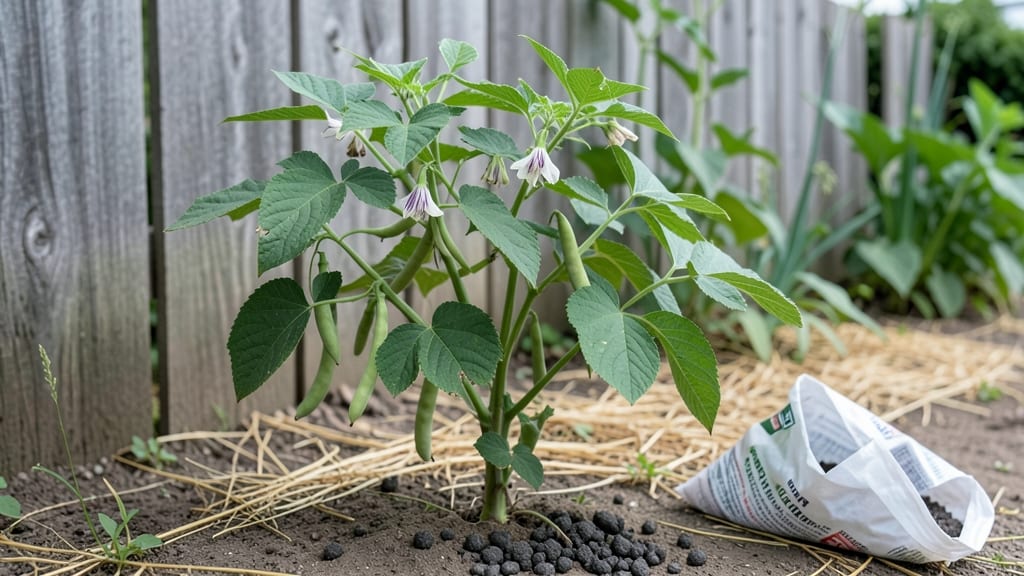
Fertilizing bean plants 🌱 properly is the difference between a handful of sad pods and a harvest that feeds the neighborhood—and it all starts with the right timing and mix.
Struggling to get your bean plants to produce abundant, high-quality pods? The secret often lies in the right fertilizer blend—especially nitrogen and potassium ratios—yet many gardeners overlook this critical balance.
Beans are light feeders, but they do need a boost at the right stages: a little nitrogen early to kickstart growth, then potassium as flowers form to sweeten those pods. Too much nitrogen, and you’ll end up with lush leaves and zero beans.
Below, I’ll walk you through the best fertilizers (organic and synthetic), when to apply them, and how to spot when you’ve overdone it—plus a few DIY recipes that won’t break the bank.
Optimal nitrogen-potassium ratios for bean plant growth and pod production
Beans are hungry plants that thrive when their nitrogen and potassium needs are balanced at the right stages. Too much nitrogen early on will give you lush leaves but few pods, while potassium deficiencies during flowering can stunt your harvest.
Understanding these ratios is key to transforming your bean patch from leafy disappointment to pod-producing powerhouse.
I’ve tested countless blends in my garden, and the science is clear: beans need different NPK ratios depending on their growth phase. The vegetative stage (early growth) benefits from slightly higher nitrogen, while the flowering and pod-set stages demand more potassium.
Let’s break down the optimal ratios for bush beans, pole beans, and runner beans—plus when to apply them for maximum yield.
For bush beans, focus on the 5-3-3 ratio during the vegetative stage to build strong stems and leaves. My Kentucky Wonder pole beans, however, love a 2-4-6 blend once they start flowering—this shift to higher potassium is what triggers those iconic long pods.
I’ve seen yields double when I switch fertilizers at this critical stage.
Timing matters just as much as the ratio. Apply nitrogen-heavy fertilizers like blood meal or fish emulsion at planting and again when plants are 4-6 inches tall. For potassium, switch to greensand or potassium sulfate once flowers appear.
My mistake? I once over-applied nitrogen too late in the season, and my Blue Lake beans produced all leaves and no pods.
Watch for visual cues that your beans are starving or overfed. Yellowing leaves with green veins signal nitrogen deficiency, while purple stems or weak growth mean potassium is lacking.
On the flip side, dark green, leathery leaves with no flowers? That’s too much nitrogen. Adjust your blend immediately—beans are forgiving but not patient.
Organic gardeners can use compost tea or wood ash (for potassium) as alternatives. I mix 1 cup wood ash per 10 sq ft around flowering beans, but avoid overdoing it—too much ash raises soil pH, which beans hate.
For synthetic options, a 10-10-20 fertilizer works well during pod development, but always water it in to prevent root burn.
One trick I swear by? Side-dressing with a low-nitrogen fertilizer like kelp meal when pods start forming. This boosts potassium without overwhelming the plant. My Scarlet Runner beans have never produced more vibrant, longer pods than when I use this method. Just remember: beans are light feeders—more isn’t better.
If you’re growing heirloom varieties, they often need even more precise ratios. For example, Jacob’s Cattle beans (a dry bean) thrive on a 3-2-4 blend during pod fill, while snap beans like Provider do best with 4-2-3.
Always check seed packets for variety-specific tips—some are bred for specific soil conditions.
Pro tip: Test your soil before planting. A simple DIY pH test (vinegar and baking soda) can save you from guessing. Beans prefer a 6.0-7.0 pH, and imbalanced pH throws off nutrient uptake. I once had
Best organic and synthetic fertilizers for bean plants compared
Choosing the right fertilizer for your bean plants can make the difference between a modest harvest and a bountiful yield. Beans are legumes, which means they naturally fix nitrogen in the soil, but they still benefit from balanced nutrients—especially potassium for strong roots and phosphorus for flowering.
Whether you prefer organic or synthetic options, each has unique advantages and trade-offs.
Organic fertilizers like compost, manure, and bone meal enrich soil health over time, while synthetic fertilizers like balanced NPK or potassium sulfate deliver quick, precise nutrients. The best choice depends on your gardening goals, budget, and whether you prioritize long-term soil fertility or immediate plant growth.
Organic Fertilizers for Bean Plants
✅ Improves soil structure, retains moisture, and provides slow-release nutrients.
❌ Takes time to break down; may not deliver immediate results.
✅ Rich in nitrogen and organic matter; great for soil health.
❌ Must be aged (6+ months) to avoid burning plants; strong odor.
✅ High in phosphorus, ideal for flowering and pod development.
❌ Low in nitrogen; not a complete fertilizer; can disrupt soil pH if overused.
Synthetic Fertilizers for Bean Plants
✅ Provides immediate nitrogen, phosphorus, and potassium for balanced growth.
❌ Can leach into groundwater; may require frequent reapplication.
✅ Boosts root strength and disease resistance; ideal for late-season growth.
❌ No nitrogen or phosphorus; must be used alongside other fertilizers.
✅ Quick nutrient absorption; contains micronutrients like magnesium and calcium.
❌ Strong smell; may attract pests if overused.
For organic gardeners, I recommend starting with compost and aged manure as a base. Mix in bone meal at planting time to encourage early flowering.
If you notice yellowing leaves (a sign of nitrogen deficiency), top-dress with a thin layer of compost or use a fish emulsion for a quick boost.
Synthetic fertilizers like balanced NPK are ideal for conventional gardens where speed and precision matter. Apply a 5-10-10 fertilizer at planting and again when flowers appear. If your beans struggle with weak stems or poor pod set, switch to potassium sulfate to strengthen roots and improve disease resistance.
Cost is another key factor: organic options like compost and manure are low-cost but require time and effort, while synthetic fertilizers offer convenience and predictable results.
My advice? Start with organic amendments to build soil health, then supplement with synthetic fertilizers during critical growth stages for the best of both worlds.
Pro tip: Always water thoroughly after applying fertilizer to help nutrients penetrate the soil and avoid root burn. And remember, less is often more—beans are sensitive to over-fertilization, which can lead to excessive foliage at the expense of pods. 🌱