
Plants
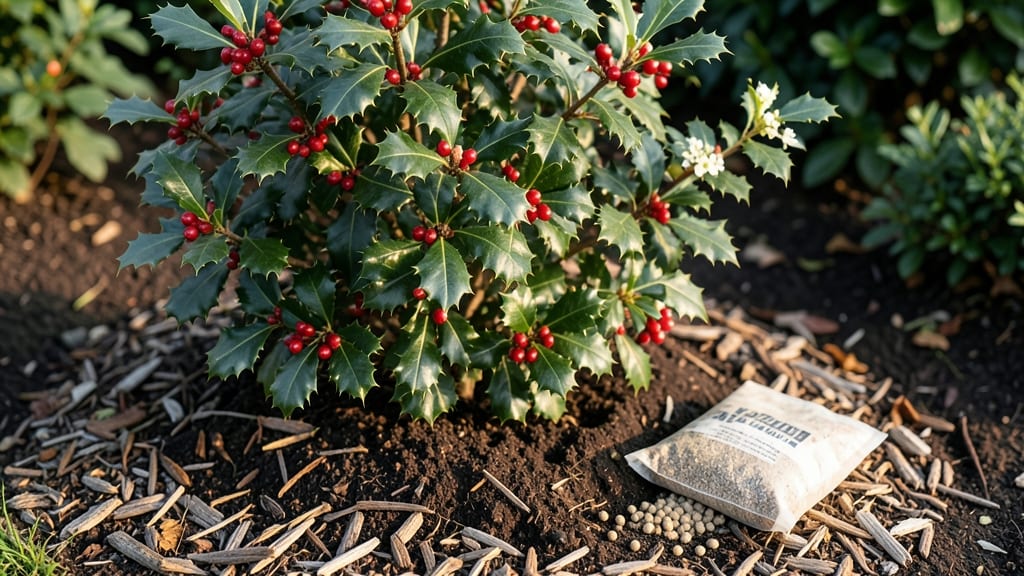
Choosing the right fertilizer for holly plants ensures vibrant green leaves and show-stopping red berries that stay stunning all winter.
Holly plants thrive when their soil mirrors the acidic conditions of their natural forest floors—but choosing the wrong fertilizer can stunt growth or even kill your shrub. The secret to vibrant foliage and abundant berries lies in understanding acid-loving plant nutrition, timing, and organic vs. synthetic options.
Most gardeners overlook the importance of pH levels, which can make or break your holly's health. Too alkaline, and your plant won't absorb nutrients properly; too acidic, and you risk burning the roots.
I've seen holly shrubs go from struggling to thriving in just one growing season by making a few simple adjustments.
In this guide, I'll walk you through the best fertilizer types for holly plants, when to apply them, and how to avoid common mistakes that waste money and harm your plants.
You'll discover which organic options work best, how often to feed your holly, and the one trick that boosts berry production by 30%.

Best acid-loving fertilizers for holly plants: organic vs. synthetic options
Holly plants thrive in acidic soil with a pH between 4.5 and 6.0. Without the right nutrients, their glossy leaves lose vibrancy, and berry production suffers. The challenge? Choosing between organic and synthetic fertilizers that won’t disrupt this delicate balance.
Organic options like peat moss or pine bark slowly adjust pH, while synthetic blends like iron sulfate deliver quick fixes—but each has trade-offs for your holly’s health.
Your holly’s nutrient needs shift with the seasons. In spring, focus on nitrogen for leaf growth, while summer demands phosphorus and potassium for berries. Fall is the time to strengthen roots before winter dormancy.
The wrong fertilizer can burn roots or alter soil pH too quickly, leaving your plant stressed. Let’s break down the best options to keep your holly thriving year-round.
Pro Tip: Always test your soil’s pH before fertilizing. A DIY test kit (vinegar + baking soda) costs pennies and saves your holly from nutrient shock. Aim for 5.0–5.5 pH—this is the "goldilocks zone" for acid-loving shrubs like holly.
⚠️ Warning: Never use lime or wood ash near holly plants. These raise pH and can kill your shrub within months. Stick to acidifying amendments only.
| Fertilizer Type | Key Nutrients | pH Impact | Application Rate | Best For | Season |
|---|---|---|---|---|---|
| Peat Moss | Slow-release organic matter | Lowers pH gradually (4.0–4.5) | 1–2 inches mixed into soil | Soil prep, long-term acidity | Fall or spring |
| Pine Bark Fines | Potassium, magnesium | Lowers pH slowly (5.0–5.5) | 2–3 cups per plant | Root health, berry production | Spring and summer |
| Iron Sulfate | Iron, sulfur | Lowers pH quickly (3.5–4.5) | 1 tbsp per gallon of water | Chlorosis correction, fast pH drop | Early spring |
| Citrus Blend Fertilizer | N-P-K (6-6-6), micronutrients | Mildly acidic (5.5–6.0) | 1/2 cup per 10 sq ft | Balanced growth, berry color | Spring and fall |
| Fish Emulsion | Nitrogen, phosphorus | Neutral (pH 7.0) | 1 tbsp per gallon | Leaf growth, young plants | Spring and summer |
Organic fertilizers like pine bark and fish emulsion feed holly plants slowly, mimicking natural forest floor decomposition. They improve soil structure and microbe activity, which boosts root health over time.
However, they require more frequent applications—think every 4–6 weeks—and may not correct immediate nutrient deficiencies like yellowing leaves.
Synthetic options such as iron sulfate or cit
How to apply fertilizer for holly plants: seasonal schedule and dosage guide
Timing and technique matter more than you might think when feeding your holly plants. Unlike annuals that respond quickly to fertilizer, holly shrubs need a measured approach to avoid salt buildup or root burn.
The key is applying nutrients when your plant is actively growing—typically spring through early fall—while matching the fertilizer type to your soil’s natural acidity.
Start by testing your soil’s pH level (aim for 4.5 to 6.0 for hollies). If your soil is too alkaline, a slow-release acidifier like sulfur or pine bark fines can prep the ground before planting.
For established hollies, the focus shifts to balanced feeding that supports both foliage and berry production without overloading the roots.
🌿 Seasonal Fertilizer Schedule for Holly Plants
- Early Spring (March-April): Apply slow-release fertilizer (10-10-10 or 8-3-9) when buds swell. Work into top 2-3 inches of soil to avoid leaf burn. ½ cup per mature plant is standard.
- Late Spring/Early Summer (May-June): Switch to liquid fertilizer (diluted to ¼ strength) every 4-6 weeks. Focus on root zone application—water first, then apply fertilizer to damp soil.
- Summer (July-August): Reduce frequency to every 6-8 weeks unless leaves show yellowing between veins (sign of iron deficiency). Use chelated iron if needed, but avoid high-nitrogen feeds.
- Fall (September-October): Apply a light organic feed (compost or worm castings) to replenish nutrients. Skip synthetic fertilizers—holly plants enter dormancy and won’t use excess nutrients.
- Winter (November-February): No fertilization. Holly roots rest during cold months, and feeding can promote weak growth vulnerable to frost damage.
For newly planted hollies, cut fertilizer applications in half during the first year. Young roots are delicate, and over-fertilizing can disrupt root development. Instead, focus on mulching with pine needles (which slowly acidifies soil) and watering deeply to encourage root spread.
Watch for signs of over-fertilization, like crispy leaf edges or yellowing between veins. These indicate salt buildup from synthetic fertilizers. If you see white crust on soil surface, flush the root zone with 3 inches of water.
Under-fertilized hollies show pale green leaves and stunted growth—respond with a balanced liquid feed applied to moist soil.
Pro tip: Slow-release fertilizers (like Osmocote or organic pellets) reduce risk of leaf burn and overfeeding. For berry production, add a low-phosphorus fertilizer (e.g., 5-10-10) in late summer to support flower buds for next year’s berries. Always water after applying to move nutrients into the soil.
Remember, hollies are slow growers—patience pays off. A consistent, light feeding schedule yields healthier plants with brighter foliage and more berries over time. 🌿