
Tools
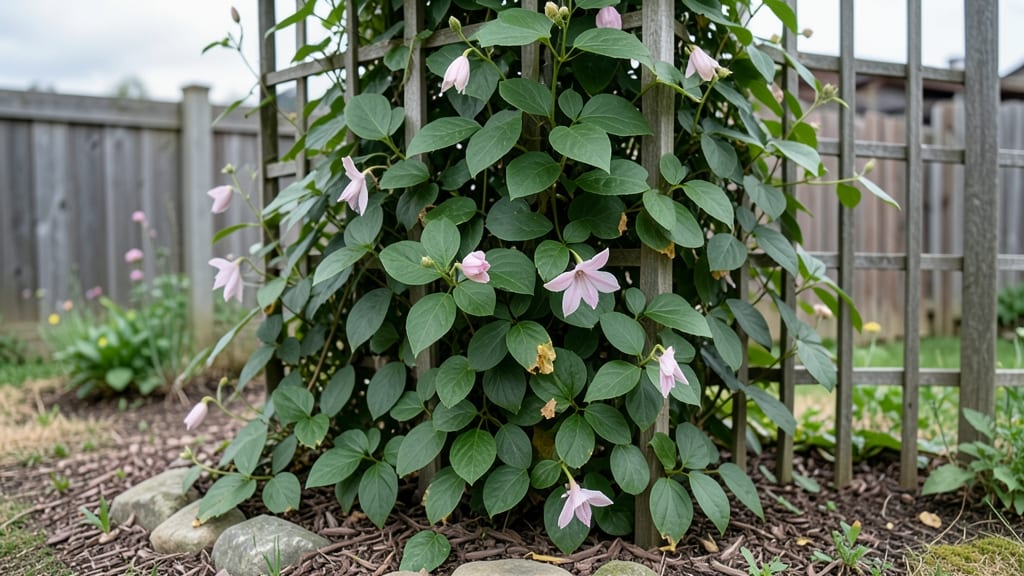
My evergreen trellis plants are the unsung heroes of my garden—keeping the space lush and green even when everything else goes dormant. 🌿 These vertical powerhouses turn blank walls into living art, offering privacy, texture, and year-round interest without demanding constant attention.
I’ve tested ivy, clematis, and ornamental grasses on trellises, and the right choice comes down to your climate and design goals. For example, English ivy clings effortlessly to lattice, while climbing hydrangeas add bold foliage and seasonal blooms.
Most need minimal pruning—just a trim in early spring to keep them tidy.
You’ll end up with a garden that feels alive in every season: spring’s fresh growth, summer’s shade, and winter’s structured evergreen backdrop. Pair them with seasonal annuals for extra color, and your trellis becomes the centerpiece of the yard. Let’s pick the perfect plants for your space.
Works for small patios, large backyards, or even urban balconies—just match the plant to your sunlight and trellis type. Here’s how to get started without overcomplicating things.
📚 In This Guide
- What you need
- Instructions
- Tips and common mistakes
- Wrapping up and next steps
What you need
- ● Trellis structure: Choose a sturdy, weather-resistant material like: Metal (galvanized or powder-coated steel)
- ● Wood (cedar or redwood for durability)
- ● Plastic or composite (lightweight and rot-resistant)
- ● Evergreen plants: Select 3–5 hardy, fast-growing varieties: English Ivy (Hedera helix)
- ● Star Jasmine (Trachelospermum jasminoides)
- ● Climbing Hydrangea (Hydrangea petiolaris)
- ● Clematis (dwarf varieties for smaller trellises)
- ● Potting soil: 2–3 bags (10–15 gallons) of well-draining, organic-rich mix (e.g., 60% potting soil + 30% perlite + 10% compost).
- ● Containers: 3–5 pots (10–15 gallons each) with drainage holes, or a vertical planter system if mounting directly to the trellis.
- ● Hand tools: Trowel or spade (for planting)
- ● Pruning shears (for shaping and maintenance)
- ● Measuring tape (to ensure proper spacing)
- ● Fasteners: Screws or brackets (if mounting trellis to a wall or fence)
- ● Heavy-duty zip ties or garden twine (to secure plants to the trellis)
- ○ Optional (but helpful!): Mulch (to retain moisture and suppress weeds)
- ● Fertilizer (slow-release or liquid, like 10-10-10 NPK)
- ● Drip irrigation kit (for automated watering)
- ● Garden gloves (for protection while handling soil/plants)
- ● A sunny or partially shaded location (most evergreens thrive in 4–6 hours of sunlight daily).
- ● Access to a water source (hose or irrigation system).
- ● Basic knowledge of plant support training (e.g., tying vines gently to avoid damage).
Step-by-Step guide to cultivating evergreen trellis plants year-round
Here’s how to transform vertical space into a lush, evergreen garden that thrives through spring, summer, and fall.
🌱 Step 1: Select the Right Evergreen Varieties for Your Climate
Start with cold-hardy evergreens that naturally cling or can be trained on trellises, like English ivy (Hedera helix), climbing hydrangea (Hydrangea petiolaris), or clematis (Clematis spp.). These varieties retain foliage year-round and adapt well to vertical structures. Check your hardiness zone—most evergreen climbers thrive in zones 5-9, but some, like ivy, tolerate colder winters.
I always choose plants with strong root systems at the nursery, avoiding leggy or bare-root specimens. Look for healthy stems with vibrant green leaves and minimal brown edges—a sign of stress. If planting in fall, opt for 1-2 gallon containers to give roots time to establish before winter.
🪴 Step 2: Install Sturdy Trellises and Prepare the Base
Use metal or wooden trellises with 1-inch grid spacing to allow roots and tendrils to latch on securely. Bury the base 12 inches deep in the soil for stability, or anchor it with concrete footings for heavy climbers like hydrangeas. I reinforce mine with galvanized screws to prevent rust and ensure longevity.
Amend the planting area with 3 gallons of compost mixed into the top 12 inches of soil to improve drainage and nutrient retention. Evergreens hate soggy roots, so avoid planting in low-lying spots where water pools. If your soil is heavy clay, add 20% perlite to the backfill mix for better aeration.
☀️ Step 3: Plant and Train for Vertical Growth
Dig a hole twice as wide as the root ball but only as deep as the container’s base. Place the plant at the same depth it was growing in the nursery, then backfill with soil, pressing gently to eliminate air pockets. Water deeply to settle the roots, using 1 gallon of water per plant immediately after planting.
For ivy and clematis, gently weave the main stems through the trellis grid and secure them with soft plant ties or jute twine. Avoid metal ties—they can cut into stems as the plant thickens. Climbing hydrangeas need a slightly different approach: attach the stems horizontally first, then train them upward in a spiral pattern to encourage bushier growth.
💧 Step 4: Maintain Moisture and Prune for Structure
Water deeply every 5-7 days during the first growing season, ensuring the soil stays 2-3 inches moist at all times. Evergreens are drought-tolerant once established, but young plants need consistent moisture. I use mulch around the base to retain humidity and suppress weeds—just keep it 2 inches away from the stem to prevent rot.
Prune in early spring to shape the plant and remove any dead or crossing branches. For ivy, I trim back one-third of the oldest growth annually to encourage new, vigorous shoots. Climbing hydrangeas benefit from a light summer prune to open up the canopy and improve airflow, which reduces disease risk.
⏰ Step 5: Winterize for Year-Round Resilience
In late fall, apply a 2-inch layer of shredded bark mulch around the base to insulate roots from freezing temperatures. For climates with below 10°F winters, wrap the trellis structure itself in burlap to protect it from ice damage. I also spray the foliage with anti-desiccant in late winter to prevent windburn.
Resist the urge to prune in winter—evergreens are dormant and need all their energy to survive. Instead, check for signs of pest damage, like spider mites or scale, and treat with neem oil if needed. With proper care, your trellis plants will rebound quickly in spring, ready to climb and flourish again.
Tips & tricks for perfect evergreen trellis plant growth
Transforming your vertical space into a thriving evergreen garden takes more than just planting—it requires strategic planning and attention to detail. Here are the game-changing tips that'll help your trellis plants flourish year-round.
Climate-Smart Selection: When choosing between English ivy, climbing hydrangea, or clematis in Step 1, consider their specific hardiness needs. Ivy tolerates colder winters down to zone 4, while hydrangeas prefer zones 5-9. For maximum resilience, opt for locally sourced nursery plants that already show strong root systems—this reduces transplant shock and gives you a head start on that lush vertical growth.
Trellis Stability Matters: In Step 2, don't skimp on the 12-inch deep burial or concrete footings for heavy climbers. I've seen trellises collapse under hydrangeas within months when not properly anchored. For extra security, use galvanized screws to attach wooden trellises to your house or fence—this prevents rust and ensures your structure stays upright through windstorms. The 1-inch grid spacing is perfect for allowing roots and tendrils to grip naturally.
Pruning Precision: The annual one-third trim for ivy in Step 4 might seem aggressive, but it's essential for encouraging new growth. For climbing hydrangeas, that spiral training pattern isn't just decorative—it creates a stronger framework that supports heavier blooms. Always use soft plant ties (never metal) to avoid girdling stems as they thicken. I've learned this the hard way after watching metal ties cut into stems and create weak points.
Winter Protection Strategy: That 2-inch mulch layer in Step 5 is your best defense against freezing temperatures. For climates below 10°F, the burlap wrap around trellis structures prevents ice damage that can snap delicate stems. I also recommend applying anti-desiccant in late winter—this prevents the foliage from drying out during winter winds, which can be just as damaging as freezing temperatures. Think of it as giving your plants a protective winter coat.
Pro Tips for Evergreen Trellis Plants
- Transforming your vertical space into a thriving evergreen garden takes more than just planting—it requires strategic planning and attention to detail.
- Climate-Smart Selection: When choosing between English ivy, climbing hydrangea, or clematis in Step 1, consider their specific hardiness needs.
- Trellis Stability Matters: In Step 2, don't skimp on the 12-inch deep burial or concrete footings for heavy climbers.
Frequently asked questions
Got questions about growing evergreen trellis plants? You’re not alone! Here are some of the most common queries—plus quick, actionable answers to keep your vertical garden thriving year-round.
What are the best evergreen trellis plants for beginners?
Start with easy-care options like English Ivy (great for shade), Star Jasmine (fragrant and hardy), or Climbing Hydrangea (lush foliage). These tolerate pruning, handle mild frost, and grow well on trellises with minimal fuss. For extra durability, Boston Fern or Sweet Pea vines are also beginner-friendly!
When is the ideal time to plant evergreen trellis plants?
Plant in early spring (after the last frost) or early fall (6–8 weeks before the first frost) for the best root establishment. Avoid summer heatwaves, which can stress young plants. If using potted evergreens, transplant them anytime their roots outgrow the container—just water deeply before and after!
Can I grow evergreen trellis plants in containers or only in the ground?
Many evergreens thrive in large containers (12"+ diameter) with well-draining soil and regular watering. Choose compact varieties like Creeping Jenny or Dwarf Mondo Grass for pots. For ground planting, ensure the trellis is staked securely and the soil is amended with compost for moisture retention. Pro tip: Use self-watering pots if you travel often!
Why are my evergreen trellis plants turning brown or dropping leaves?
Brown tips or leaf drop often signal overwatering, underwatering, or nutrient deficiencies. Check soil moisture (top 1–2 inches should be dry between waterings) and adjust care. Yellowing leaves? Boost iron or nitrogen. Brown patches? Prune affected areas and improve air circulation. Evergreens hate soggy roots—ensure trellises aren’t trapping excess moisture!
How do I protect evergreen trellis plants in winter?
Most evergreens handle light frost, but heavy snow or icy winds can damage tender growth. Mulch the base with 2–3 inches of shredded bark or straw, and wrap trellises in burlap if temps drop below 10°F. Water deeply before the ground freezes to prevent dehydration. For potted plants, move them to a sheltered spot or use frost blankets. Pro tip: Prune lightly in late winter to encourage fresh growth!
Wrapping up and next steps
Transforming your space with evergreen trellis plants isn’t just about aesthetics—it’s a year-round investment in beauty, sustainability, and even productivity! 🌿 Whether you’re a seasoned gardener or just starting, these plants offer low-maintenance, high-reward growth, perfect for small spaces or bold vertical statements.
From climbing roses to hardy vines, the key is patience, proper support, and a little creativity—and the results will leave you grinning.
Ready to level up your garden? Start small—pick one trellis plant, gather your tools, and let nature do the rest! 🌱 Browse our trellis guides or sketch your dream vertical layout today—your future self (and your neighbors!) will thank you.