
Flowers
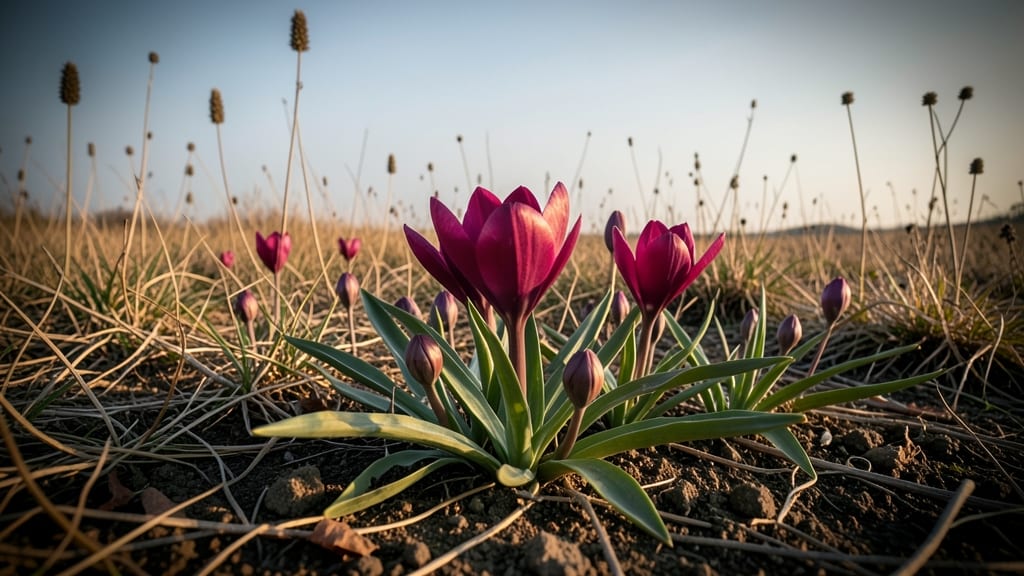
Fall planting gives flowers a head start for vibrant spring blooms. These 10 cold-hardy varieties thrive when planted in autumn, offering stunning colors and minimal winter maintenance while adapting to diverse climates.
Tulip Bulbs for Early Spring Color
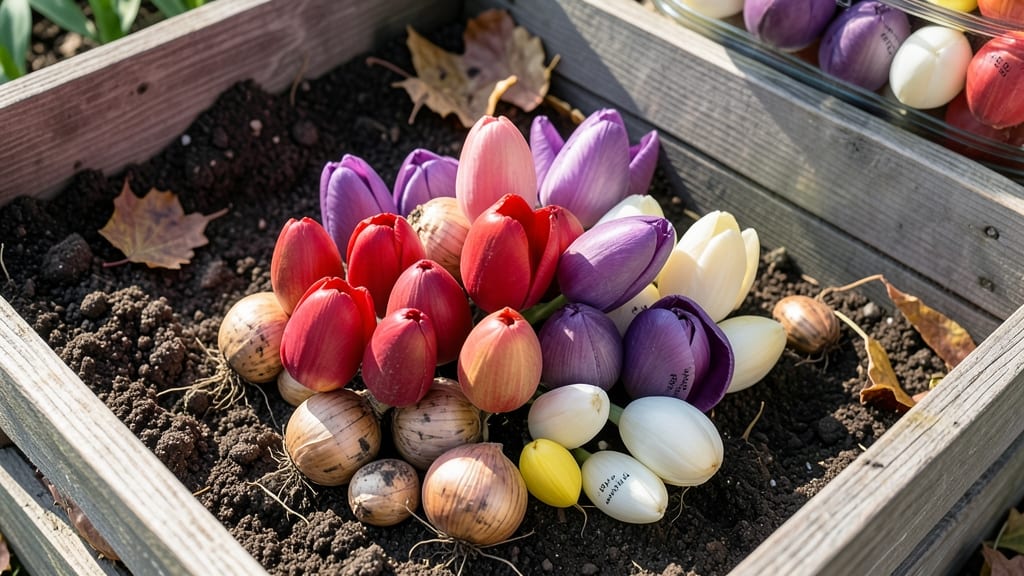
Want a foolproof way to bring early spring color to your garden with almost no effort? Tulip bulbs are the perfect starting point for first-time fall planters—they’re available in over 150 varieties, from classic reds to bold purples and delicate whites, and they’ll reward you with blooms year after year.
Plant them in well-draining soil between October and December (before the ground freezes), and mulch lightly to protect them through winter. Unlike annuals, tulips naturalize over time, meaning they’ll multiply and return bigger each season with minimal care. Choose Darwin Hybrid tulips for sturdy stems or fosterian tulips for striking striped petals—both thrive in full sun and are deer-resistant.
This makes tulips ideal for beginners or busy gardeners who want reliable spring color without the fuss. Just plant once, and enjoy their cheerful blooms for decades! 🌷
Daffodil Bulbs with Deer Resistance
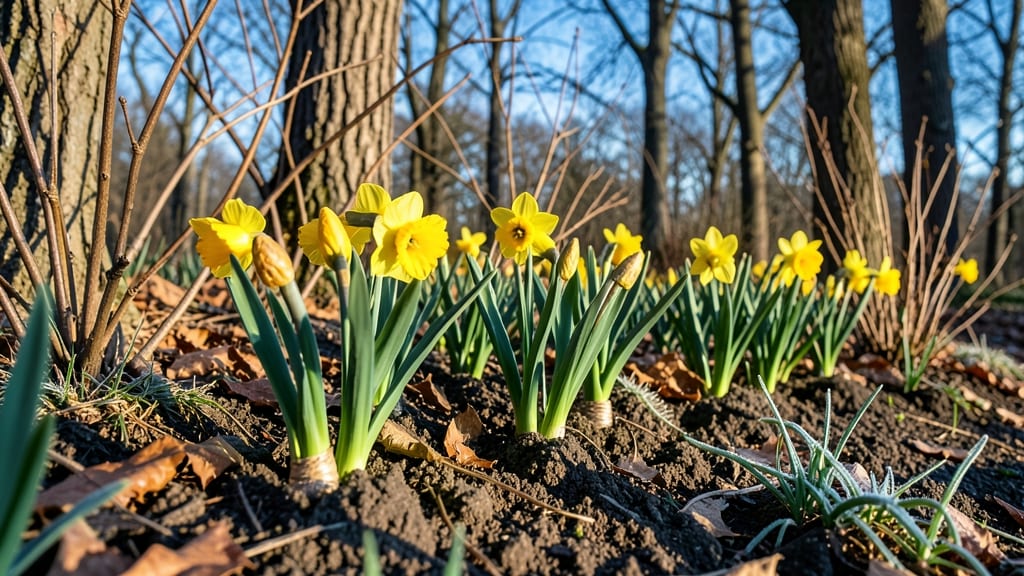
Tired of deer munching your spring blooms before they even emerge? Daffodil bulbs are your secret weapon—these cheerful yellow flowers contain natural toxins that deer find unappetizing, making them perfect for problem areas like garden edges or wooded borders.
Plant them in full sun or partial shade between October and December, and they’ll reward you with bold blooms in early spring. Their hardy nature means they thrive even in poor soil conditions, and many varieties multiply over time, creating natural drifts of color. Just be sure to plant bulbs 6 inches deep for best results.
This makes daffodils ideal for gardeners in rural areas or those with persistent deer visitors—you’ll get stunning blooms without the battle. 🌻
Crocus Flowers for Winter Interest
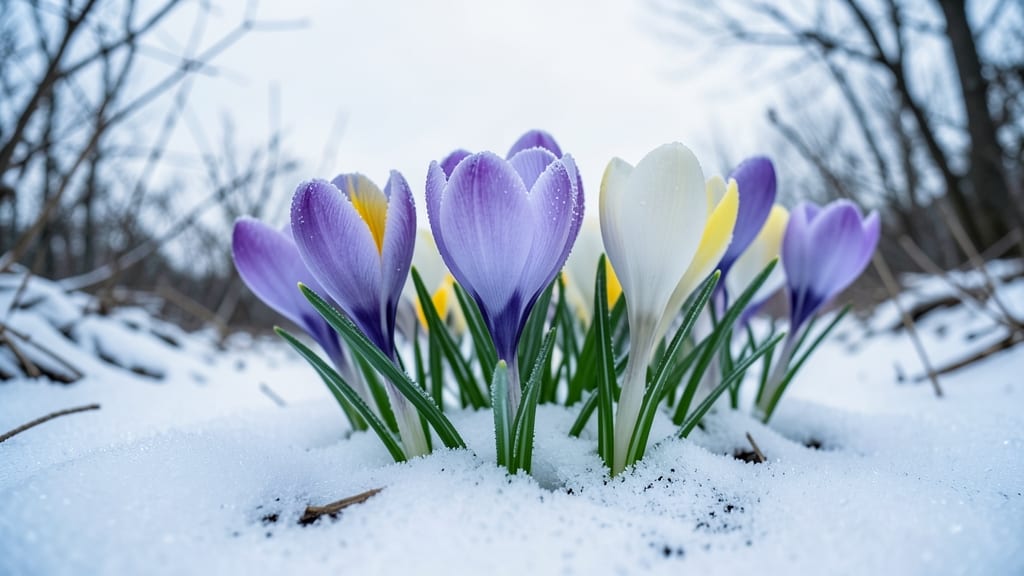
When you crave color in the bleakest winter months, crocus flowers punch through snow with their cheerful blooms—often the first sign that spring is coming. These hardy perennials thrive in USDA Zones 3-9 and require no summer care, making them perfect for gardeners who want effortless beauty.
Plant crocus bulbs 3-4 inches deep in fall, spacing them 2-3 inches apart in well-draining soil. They prefer full sun to partial shade and naturalize beautifully over time, creating stunning drifts in meadows or woodland edges. Their early blooms provide critical pollen for bees when food is scarce, making them a pollinator hero.
Ideal for cottage gardens, urban meadows, or under deciduous trees, crocus flowers bring life to dormant landscapes. Their low-maintenance nature and year-round interest make them a must-have for winter gardeners. 🌟
Allium Purple Spheres for Pollinators
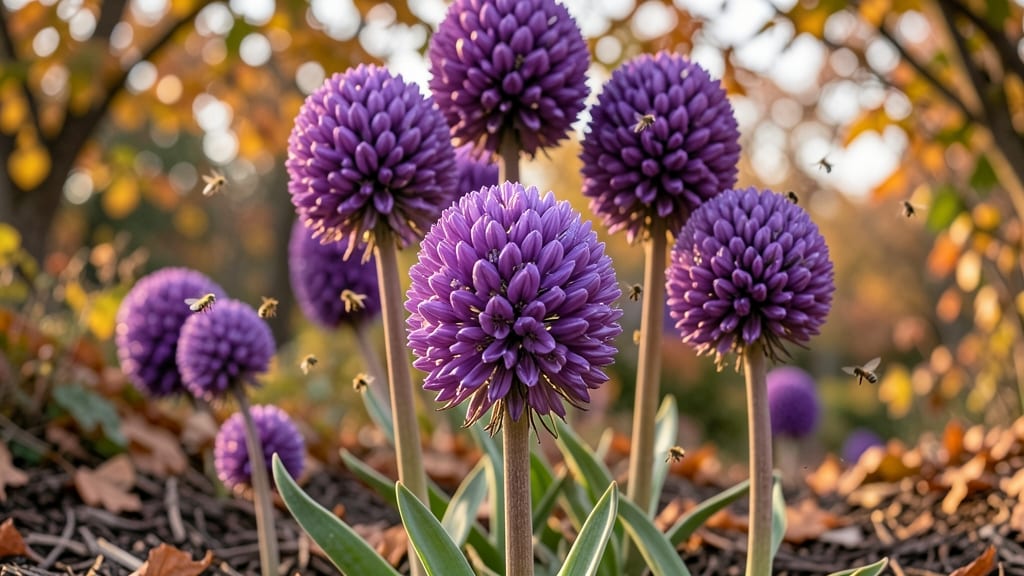
Skip the delicate blooms—Allium Purple Spheres bring bold drama to your garden with their globe-shaped purple flowers that look like they were painted on. These aren’t just pretty; they’re pollinator magnets, drawing bees and butterflies with their abundant nectar while adding vertical height that contrasts perfectly against low spring foliage.
Plant these bulbs in well-draining soil (they tolerate poor conditions better than most) and give them full sun to partial shade. Their 3-4 foot stems create stunning focal points in borders or meadows, and they multiply over time—once planted, they’ll return year after year with minimal effort. The key? Plant them 6 inches deep and 6 inches apart in fall for the best spring show.
Perfect for urban gardens, pollinator-friendly landscapes, or cottage-style beds, these alliums prove you don’t need perfect soil to grow showstoppers. 🌟
Hyacinth Bulbs with Fragrant Blooms
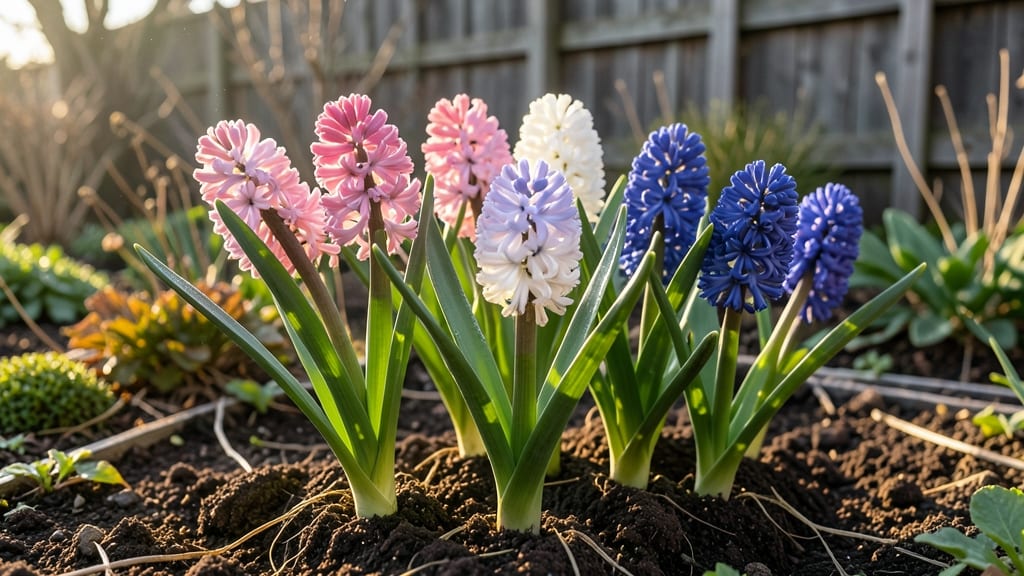
Want your garden to smell like a springtime parade? Hyacinth bulbs pack an intoxicating fragrance that fills the air with sweet, spicy notes—perfect for placing near seating areas or cottage-style borders. These clustered blooms arrive in pink, purple, white, and blue varieties, each with its own signature scent that intensifies on warm mornings.
Plant them in well-draining soil with 6 hours of sun and a 2-inch layer of mulch to protect roots during winter. The bulbs multiply over time, creating naturalizing drifts that reward you with year-after-year blooms with minimal effort. Their early spring timing makes them ideal companions for tulips and daffodils in mixed borders.
Cottage gardeners and patio plantings will love how hyacinths transform spaces with both color and aroma, while their compact size works beautifully in containers. 🌷
Snowdrop Flowers for Shade Gardens
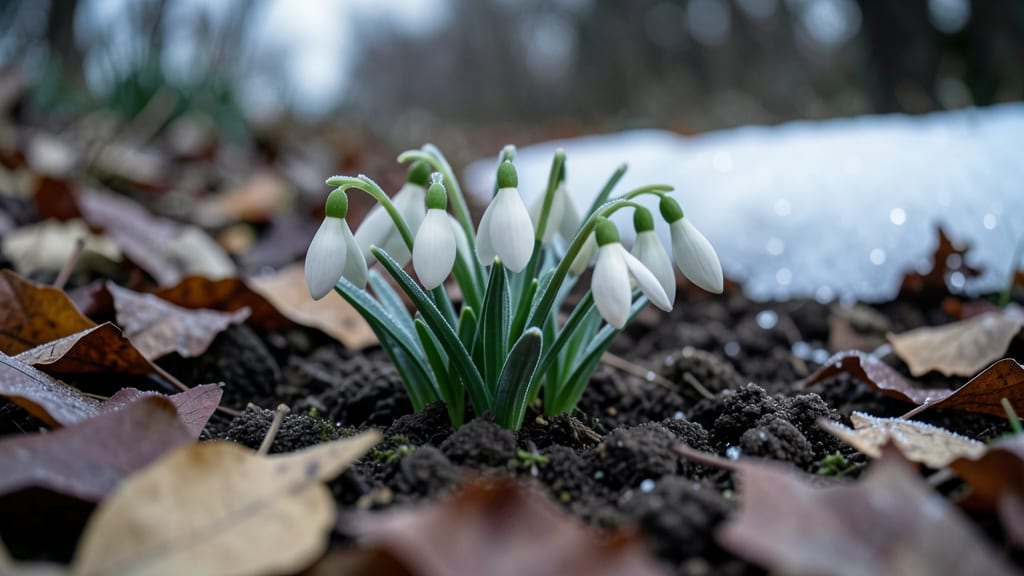
If your garden has deep shade where most plants struggle, snowdrops (Galanthus) are your secret weapon. These delicate white bloomers push through frozen soil as early as late January, often before snow melts, offering a rare splash of color when the garden feels dormant.
Unlike sun-loving bulbs, snowdrops thrive in full to deep shade under trees or along north-facing foundations, where they naturalize into lush colonies over time. Their toxic properties deter deer and rodents, and their early pollen provides critical nutrition for bees emerging from hibernation. Plant bulbs 3-4 inches deep in well-draining soil after the first frost for best results.
Perfect for woodland gardeners or urban yards with limited sunlight, snowdrops reward patience with year-round greenery and decades of blooms once established. Their quiet elegance makes them a favorite among cottage garden enthusiasts. ✨
Muscari Grape Hyacinth Clusters
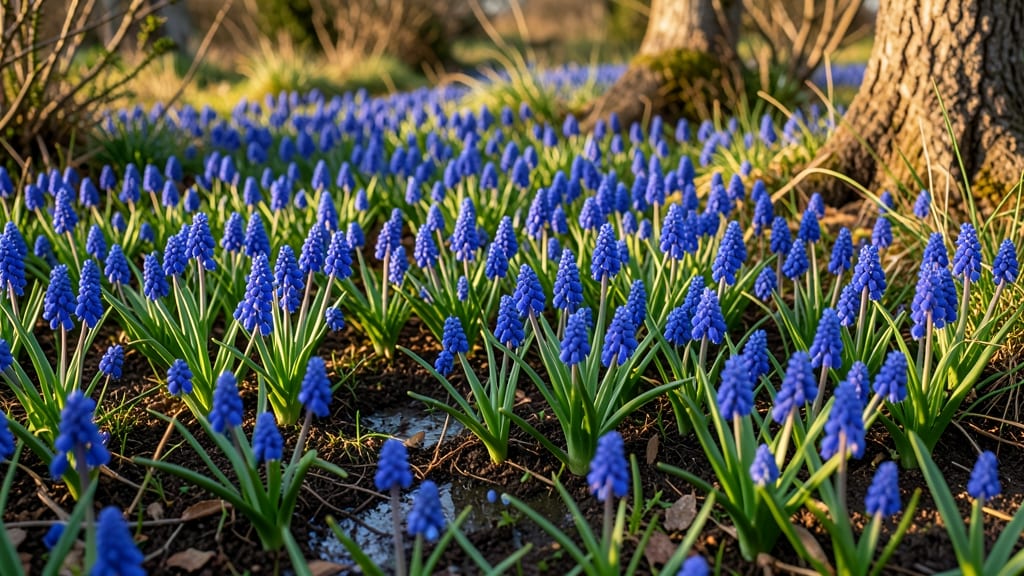
If you want a no-fuss flower that spreads like wildfire (in the best way), muscari grape hyacinth is your answer. These blue grape-like clusters create lush, naturalized drifts that look like they’ve been there for years—with almost zero effort from you.
Plant the small bulbs in fall (they love cool weather) and watch them multiply annually. They thrive in partial sun to full shade, making them perfect for borders, rock gardens, or even under trees where other plants struggle. The spring blooms attract early pollinators and fade into strappy foliage that stays tidy until summer.
Ideal for busy gardeners or small spaces, muscari adds textural contrast without the upkeep of high-maintenance perennials. 🌿
Fritillary Flowers for Unique Patterns
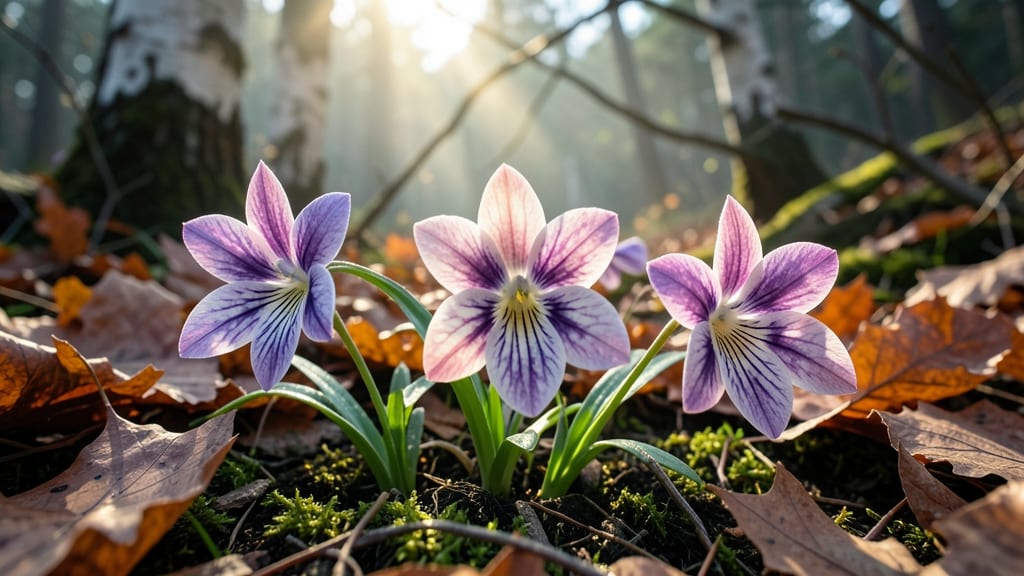
Looking for flowers that bring artistic flair to your garden? Fritillary flowers deliver with their intricate checkered petals in shades of purple, white, and pink. These woodland natives stand out with their unique patterns, making them a conversation starter in any spring garden.
Plant fritillary bulbs in partial shade during fall for early spring blooms that thrive in moist, well-drained soil. Their delicate yet striking flowers cut beautifully for arrangements, lasting up to a week in vases. Varieties like Imperialis and Persica offer different heights and patterns, perfect for adding texture to borders or woodland gardens.
Ideal for gardeners who love unexpected beauty, fritillaries are perfect for shady spots where other flowers struggle. Their early blooms also provide a vital food source for bees emerging from winter dormancy. 🌷
Anemone Bulbs for Late Season Color
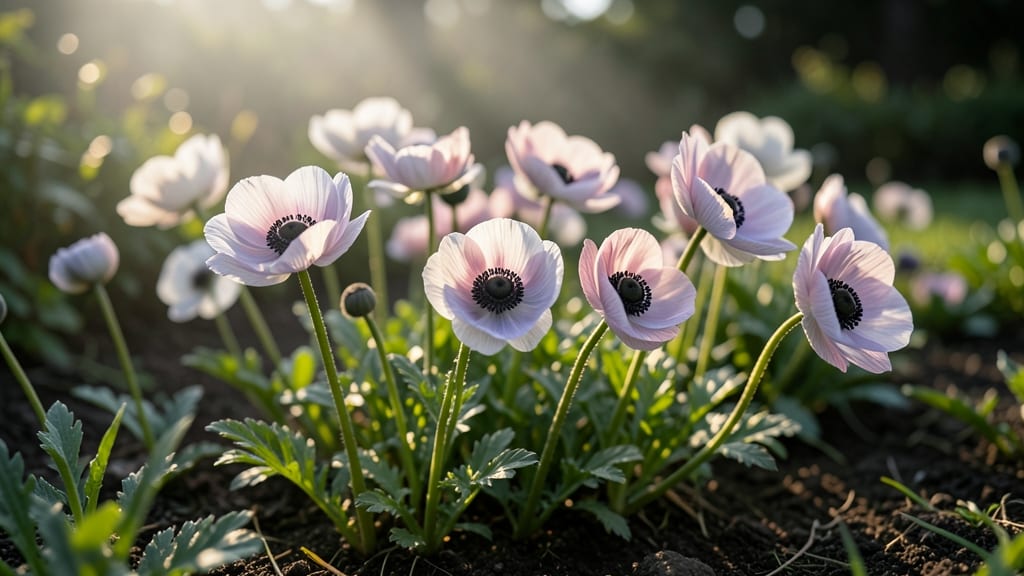
When your spring bloomers fade but you crave color, anemone bulbs step in with a late-season performance that lasts until fall. Their ethereal, wind-swayed petals—often called "windflowers"—create dynamic movement in borders, making them a standout for garden texture and visual interest.
These bulbs thrive in both full sun and partial shade, adapting to almost any garden spot. Plant them in fall for spring emergence, but they’ll reward you with blooms from late spring through September, long after most perennials have retired. Their dark centers contrast beautifully with white, pink, or blue petals, and they pair well with grasses or shrubs for height variation.
Perfect for gardeners who want extended color without summer maintenance, anemones are especially great for cutting gardens or cottage-style borders. Their drought tolerance once established makes them ideal for low-water landscapes too. 🌷
Colchicum Autumn Planting Flowers

When most gardens are winding down for winter, colchicum autumnale bursts onto the scene with late-summer blooms that defy the season. These unique bulbs thrive when planted in fall, emerging in September or October when other flowers have long since faded—creating a stunning contrast in meadows, borders, or naturalized areas.
Plant the bulbs 6-8 inches deep in well-draining soil with partial shade to full sun, and they’ll reward you with nodding, bell-shaped flowers in shades of pink, white, or lilac. Unlike spring-blooming bulbs, colchicums store energy underground during summer, then burst forth when temperatures drop—perfect for extending your garden’s season. They’re also deer-resistant and multiply over time, forming beautiful colonies.
Ideal for meadow-style gardens or low-maintenance landscapes, these bulbs are a game-changer for gardeners who want color when most plants are dormant. Their late-season blooms also provide vital nectar for pollinators still active in autumn. 🌷