
Planting
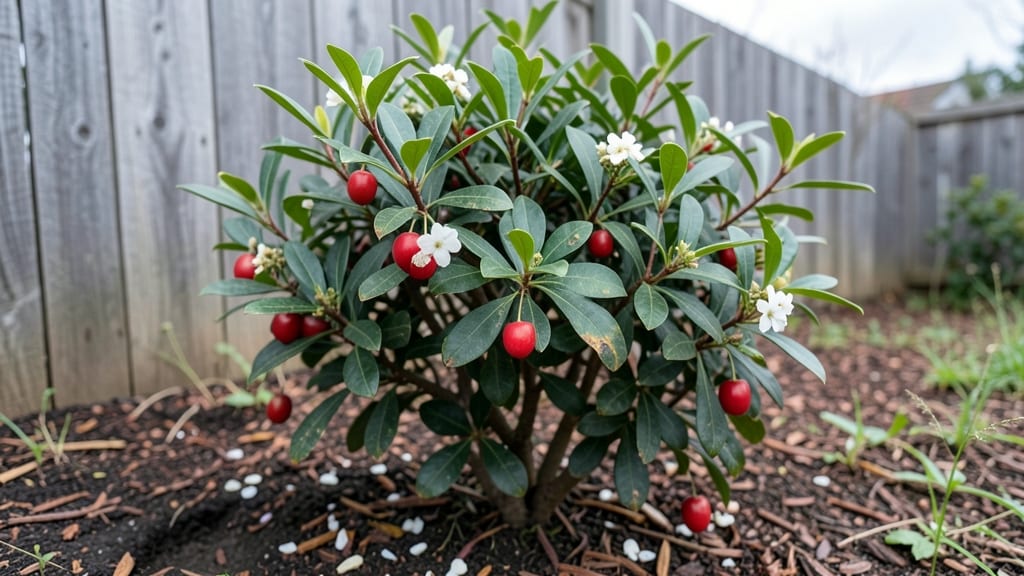
Creating a eugenia plant hedge that stays lush year-round feels like having a living wall that never lets you down. 🌿 I’ve grown these glossy-leaved beauties for years, and they’ve become my go-to for privacy screens that look polished with almost no effort.
The key is choosing the right variety—Eugenia myrtifolia is my favorite for its compact growth and ability to handle heat and humidity without fuss.
These hedges thrive in full sun to partial shade and grow about 12-18 inches tall per year, making them perfect for formal or informal borders.
You’ll need to space plants 3-4 feet apart for a dense screen, but once established, they rarely need heavy pruning—just a light trim to shape them. The glossy, dark green leaves stay vibrant even in winter, so you always have that fresh, tropical look without the high-maintenance upkeep.
By the end of the first growing season, you’ll have a hedge that’s disease-resistant, deer-proof, and shockingly lush for such a low-maintenance plant. The best part? They flower with tiny white blooms in summer, adding a delicate touch without stealing the show.
Pair them with drought-tolerant ground covers like mondograss for a complete, fuss-free privacy solution.
Works equally well in coastal climates, urban gardens, or rural landscapes—just avoid heavy clay soils, and you’re golden. Let’s get you started on a hedge that looks like it belongs in a botanical garden, not just your backyard.
📚 In This Guide
- What you need
- Instructions
- Tips and common mistakes
- Wrapping up and next steps
What you need
- ● Eugenia plants: 10-15 healthy nursery-grown plants (3-4 ft tall) per 10 ft of hedge length. Opt for Eugenia myrtifolia or Eugenia uniflora for best results.
- ● Topsoil or well-draining potting mix: 2-3 cubic yards (for a 10 ft hedge). Mix with compost (1:1 ratio) for nutrient-rich soil.
- ● Organic mulch: 2-3 bags of wood chips or pine straw (2-3 inches deep) to retain moisture and suppress weeds.
- ● Slow-release fertilizer: 10-10-10 or 8-3-9 blend (1 lb per 10 ft of hedge). Avoid high-nitrogen fertilizers.
- ● Shovel or spade: For digging planting holes (12-18 inches deep).
- ● Hedge shears: Sharp, bypass-pruning shears (8-10 inches) for shaping.
- ● Measuring tape: To mark hedge layout and spacing (plant 3-4 ft apart).
- ● Garden hose or watering can: With a gentle spray nozzle for post-planting hydration.
- ● Gloves and knee pads: For comfort during planting.
- ● Epsom salt: 1 tbsp per plant (for magnesium boost in clay soils).
- ● Drip irrigation system: To automate watering in dry climates.
- ● Plant stakes or twine: To temporarily support young hedges in windy areas.
- ● Soil pH tester: Eugenia prefers slightly acidic soil (pH 5.5-6.5).
Step-by-step instructions for planting a eugenia hedge
Here's how to create a lush, low-maintenance privacy screen that stays green year-round.
🌱 Step 1: Choose the Right Location and Soil
Eugenia plants thrive in partial shade to full sun, so pick a spot that gets at least 4-6 hours of filtered sunlight daily. Avoid harsh afternoon sun in hot climates—leaves can scorch if exposed too long. The soil should drain well but retain moisture, so amend heavy clay with 2-3 inches of compost mixed into the top 12 inches of soil.
I like to test drainage before planting by digging a 6-inch deep hole and filling it with water. If it drains completely within 30 minutes, the site is perfect. If water pools, raise the planting area by 4-6 inches with amended soil to prevent root rot. Eugenia roots spread moderately, so space plants 3-4 feet apart for a dense hedge.
🪴 Step 2: Plant Eugenia Saplings at the Right Depth
Dig holes twice as wide as the root ball but only as deep as the container. Gently remove the sapling from its pot and loosen any circling roots with your fingers—this encourages outward growth instead of girdling. Place the plant in the hole so the top of the root ball sits level with the surrounding soil (never bury the stem).
Fill the hole with soil, pressing lightly around the edges to remove air pockets. Water deeply until the soil 1 inch below the surface feels moist. I always add a 1-inch layer of mulch (like pine bark) around the base, keeping it 2 inches away from the stem to prevent rot. This conserves moisture and keeps roots cool.
☀️ Step 3: Water and Fertilize for Establishment
Water newly planted eugenia every 2-3 days for the first 2 weeks, then taper to once a week once leaves show signs of new growth. Overwatering is the biggest mistake—check soil moisture by sticking your finger 1 inch deep. If it's dry, water; if damp, wait. Eugenia tolerates drought once established but struggles with soggy roots.
After 6 weeks, apply a balanced 10-10-10 fertilizer at half strength to encourage root development. I use a slow-release granular fertilizer spread evenly around the drip line (the edge of the canopy). Avoid high-nitrogen fertilizers—they promote leafy growth at the expense of root strength, which eugenia doesn’t need.
✂️ Step 4: Prune for Shape and Health
Eugenia hedges need minimal pruning—just a light trim once a year in late winter or early spring before new growth starts. Use clean, sharp shears to cut back any leggy stems or overgrowth, shaping the hedge into your desired form. Never remove more than one-third of the foliage in a single pruning session, or you’ll stress the plant.
Watch for dead or diseased branches—remove them immediately by cutting just outside the branch collar (the swollen area where the branch meets the stem). I also snip off any suckers (shoots growing from the base) to keep energy focused on the hedge structure. After pruning, give the plants a light watering to help them recover.
🌿 Step 5: Maintain Through Seasons
Eugenia is drought-tolerant once established, so reduce watering to every 10-14 days during dry spells. In winter, cut back on watering further—once every 3-4 weeks—unless temperatures drop below 30°F, in which case a light drink helps protect the roots. The hedge stays evergreen in mild climates but may drop leaves in freezing conditions (they’ll regrow in spring).
Fertilize once a year in early spring with the same half-strength 10-10-10 mix to support steady growth. If you notice yellowing leaves, it’s usually a sign of overwatering or nutrient imbalance—adjust your care routine accordingly. With proper spacing and light pruning, your eugenia hedge will fill in beautifully within 2-3 years, providing year-round privacy with almost no upkeep.
Tips & tricks for perfect eugenia hedge planting
A few key tricks will help your eugenia hedge grow into that lush, evergreen privacy screen with minimal effort.
Soil Prep Matters: Before planting, I always mix 2-3 inches of compost into the top 12 inches of soil—this improves drainage while retaining moisture, which eugenia loves. For heavy clay soil, I add a handful of perlite to the mix to prevent compaction around the roots. The drainage test with the 6-inch deep hole is worth doing—if water pools, raise the planting area by 4-6 inches to avoid root rot.
Root Handling is Critical: When removing saplings from their containers, I gently tease apart any circling roots with my fingers—this prevents girdling and encourages outward growth. In Step 2, place the plant so the top of the root ball sits level with the soil—burying the stem causes rot, while planting too deep suffocates the roots. A light press around the edges removes air pockets without compacting the soil.
Watering Wisdom: Those first 2 weeks of watering every 2-3 days are crucial for establishment. I use a moisture meter to check 1 inch deep—if it's dry, water; if damp, wait. Overwatering is the #1 killer of young eugenia. After 6 weeks, I switch to a drip irrigation system on a timer to maintain consistent moisture without the risk of overdoing it.
Pruning Precision: When you do your annual prune in late winter, never remove more than one-third of the foliage at once. I always cut just outside the branch collar for dead branches and use clean shears to prevent disease spread. For shaping, I make small cuts and step back frequently to check the overall form—this prevents over-pruning and keeps the hedge healthy.
Pro Tips for Eugenia Plant Hedge
- A few key tricks will help your eugenia hedge grow into that lush, evergreen privacy screen with minimal effort.
- Soil Prep Matters: Before planting, I always mix 2-3 inches of compost into the top 12 inches of soil—this improves drainage while retaining moisture, which eugenia loves.
- Root Handling is Critical: When removing saplings from their containers, I gently tease apart any circling roots with my fingers—this prevents girdling and encourages outward growth.
Frequently asked questions
How fast does a Eugenia hedge grow, and when can I expect full privacy?
A Eugenia hedge grows at a moderate pace—expect 12–24 inches per year under ideal conditions. For a 6-foot-tall privacy screen, plan for 3–5 years of growth. Planting closer together (2–3 feet apart) speeds up coverage, but avoid overcrowding to prevent disease. Pro tip: Fertilize in spring with a balanced 10-10-10 blend to boost growth!
Do Eugenia hedges really require minimal pruning, or is that a myth?
Not a myth! Eugenia plants thrive with light pruning—just trim tips in spring to encourage bushiness. Unlike formal hedges, they tolerate irregular shapes and don’t need shearing. Troubleshoot: If leaves yellow, prune dead branches immediately to prevent spread. Bonus: Their glossy foliage stays dense with zero winter dieback!
What’s the best climate for a Eugenia hedge, and can I grow it in cold zones?
Eugenia plants love warmth (USDA Zones 9–11) but can survive brief dips to 25°F with mulch. For colder areas, grow in containers and overwinter indoors. Cold hack: Plant near a south-facing wall to trap heat. If leaves brown in winter, it’s likely windburn—add windbreaks!
Are there drought-tolerant alternatives if my soil drains poorly?
Yes! If your soil stays soggy, try drought-resistant substitutes like:
- Murraya paniculata (Orange Jasmine) – Fragrant, evergreen, and thrives in poor drainage.
- Podocarpus (Buddleia) – Fast-growing, handles wet soil, and stays lush.
- Ilex (Holly) – Classic hedge with year-round color and adaptability.
Why are my Eugenia leaves dropping, and how do I fix it?
Leaf drop usually signals stress from:
- Overwatering – Let soil dry 2 inches deep between waterings.
- Pests (scale/aphids) – Spray with neem oil or introduce ladybugs.
- Transplant shock – Mulch heavily and avoid fertilizing for 6 weeks post-planting.
Wrapping up and next steps
Transforming your outdoor space with a lush, low-maintenance Eugenia hedge is simpler than you think! This vibrant, year-round privacy screen thrives with minimal pruning, offering beauty and functionality without the hassle.
Whether you’re a gardening novice or a seasoned green thumb, the key is consistency—watering, sunlight, and occasional trims will keep your hedge thriving for years.
Ready to take the next step? Start small—plant a few Eugenia cuttings or young shrubs today, and watch your privacy screen grow into a stunning, natural masterpiece! 🌿✨