
Companion Plants
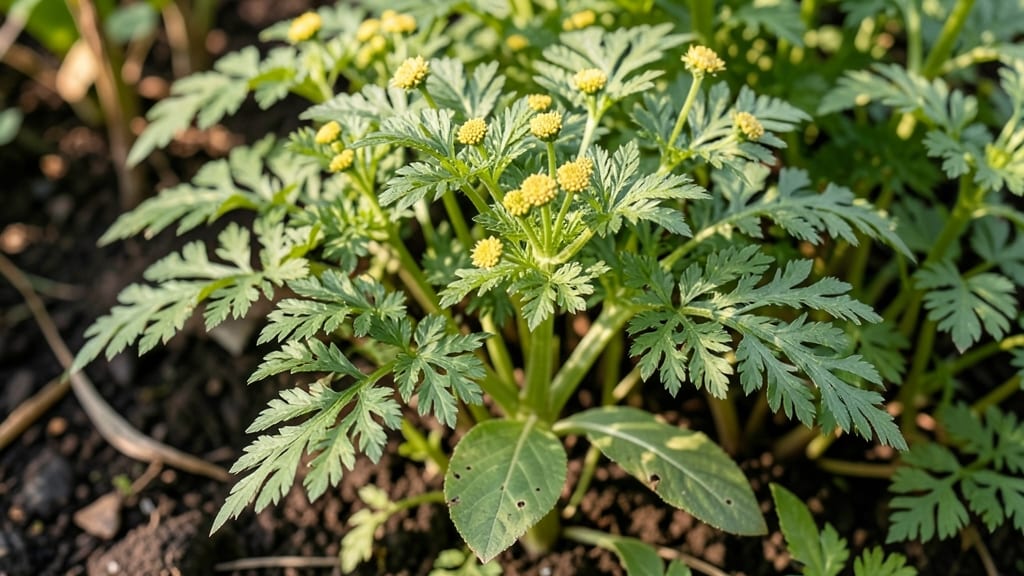
Earwig repellent plants are your secret weapon against these sneaky garden pests. 🌿 I’ve battled earwigs chewing through my hostas and roses, and these fragrant allies changed everything—no more hiding under mulch or slipping into tender leaves after dark.
The best repellents like lavender, tansy, and mint don’t just mask smells—they disrupt earwigs’ natural behaviors. Plant them near vulnerable crops or along garden edges where earwigs lurk.
A few pots of mint by the patio or tansy in the flowerbed creates a living barrier that works 24/7, even when you’re not watering or weeding.
You’ll notice fewer curled leaves and no more earwig trails after rain. These plants thrive in full sun to partial shade, so they fit almost anywhere. Plus, they’re useful beyond pest control—lavender attracts pollinators, mint makes great tea, and tansy blooms add cheerful yellow to summer borders.
For extra protection, pair these with diatomaceous earth near plant bases or roll up newspaper damp-side-out overnight to trap earwigs. The combo keeps your garden lush and pest-free without harsh chemicals. Here’s how to make it work for your space.
📚 In This Guide
- What you need
- Instructions
- Tips and common mistakes
- Wrapping up and next steps
What you need
- ● Earwig repellent plants: 10–20 seedlings or mature plants (e.g., lavender, mint, basil, tansy, pyrethrum, or geraniums). Check local nurseries for organic or pesticide-free options.
- ○ Garden soil: 1–2 bags (50 lbs each) of high-quality, well-draining potting mix or compost-enriched soil. Optional: Add a handful of organic fertilizer (e.g., worm castings or compost) for a nutrient boost.
- ● Containers or garden beds: For pots: 5–10 medium-sized containers (10–12 inches in diameter) with drainage holes.
- ● For in-ground planting: A shovel, trowel, and gloves for easy digging.
- ● Watering can or hose: With a gentle spray nozzle for even moisture distribution.
- ● Pruning shears: For trimming plants and removing earwig hotspots.
- ○ Sticky traps (optional but helpful): 2–3 yellow or blue sticky traps to monitor earwig activity before full-scale planting.
- ● Garden gloves: To protect your hands from thorns (e.g., geraniums) or soil-borne irritants.
- ● Measuring tape: For spacing plants 12–18 inches apart (earwigs thrive in dense, damp areas).
- ○ Mulch (optional): 1–2 bags of straw, wood chips, or pine needles to retain moisture and deter earwigs.
- ● Spray bottle (for DIY repellents): Fill with water and a few drops of essential oils (e.g., peppermint, eucalyptus, or citrus) if you’re blending your own sprays.
- ● Label markers: To tag plants and track which repellents are working best.
Step-by-step guide to planting earwig repellent allies
These natural pest fighters work best when planted strategically around your garden.
🌱 Step 1: Select and Prepare Your Earwig-Repelling Plants
Start with 4 plants from this proven lineup: tansy, chrysanthemums, garlic, and thyme. Each brings unique pest-deterring properties—tansy’s strong scent confuses earwigs, chrysanthemums contain pyrethrin (a natural insect repellent), garlic emits sulfur compounds earwigs avoid, and thyme’s dense foliage physically blocks their movement.
Choose healthy nursery starts or grow from seed indoors 6-8 weeks before your last frost date. If using seeds, follow packet instructions for depth and spacing. For transplants, select plants with vibrant green leaves and no signs of yellowing or wilting—these are your best defenders against earwigs.
🪴 Step 2: Plant in Strategic Locations Around Your Garden
Place your repellent plants in 4 key locations: near vegetable beds, along garden edges, close to compost piles (where earwigs congregate), and around entry points like doors or windows. Earwigs thrive in damp, dark areas, so position plants where they’ll intercept pests before they reach your prized crops.
Dig holes twice as wide as the root ball but only as deep as the container. Gently remove plants from their pots, loosen any circling roots with your fingers, and place them in the holes. Fill with native soil, pressing lightly to eliminate air pockets. Water deeply right after planting to help roots establish quickly.
☀️ Step 3: Provide Optimal Growing Conditions
Most earwig repellent plants thrive in full sun to partial shade, with 6-8 hours of sunlight daily. Tansy and chrysanthemums prefer full sun, while garlic and thyme tolerate partial shade in hotter climates. Amend your soil with 2-3 inches of compost before planting to boost drainage and nutrient availability—earwigs hate well-drained soil.
Water 1 inch per week, keeping the soil consistently moist but never soggy. Overwatering creates the damp conditions earwigs love, so use a moisture meter to check soil dampness. Mulch with 2-3 inches of straw or wood chips to retain moisture and suppress weeds, which also attract earwigs.
🌿 Step 4: Maintain Plants for Maximum Pest Protection
Trim plants regularly to encourage bushy growth—dense foliage creates a physical barrier earwigs avoid. Pinch back leggy stems on tansy and chrysanthemums to promote compact, fuller plants. Harvest thyme and garlic lightly as needed, but avoid over-pruning, which weakens their pest-repelling abilities.
Fertilize lightly every 4-6 weeks with a balanced organic fertilizer (like fish emulsion) to keep plants vigorous. Strong, healthy plants produce more of the natural compounds that deter earwigs. Watch for signs of stress like yellowing leaves or stunted growth—these make plants less effective at repelling pests.
⏰ Step 5: Monitor and Rotate Plants Seasonally
Check your repellent plants weekly for earwig activity. If you spot earwigs on the plants themselves, remove them by hand (they’re harmless to humans) and increase watering slightly to encourage stronger growth. Rotate plants every 2-3 years to prevent soil depletion and maintain their effectiveness.
In fall, cut back dead foliage but leave stems in place over winter—this provides shelter for beneficial insects that also prey on earwigs. In spring, prune back any damaged growth and add a fresh layer of mulch. Your earwig-repelling garden will thrive year after year with minimal effort.
Tips & tricks for perfect earwig repellent planting
Real talk: The difference between a garden that thrives and one that gets overrun by earwigs often comes down to these small but critical details.
Location Strategy: Here's what nobody tells you—earwigs follow moisture and darkness like a map. Place your 4 key plants (tansy, chrysanthemums, garlic, and thyme) not just around your garden, but specifically where earwigs congregate: near moisture sources, under overhangs, and along foundation edges. I learned this the hard way after planting all my repellents in sunny spots while completely missing the damp areas where earwigs were already setting up camp.
Root Care: When planting, don't just drop those root balls into holes—loosen the circling roots with your fingers first. Compacted roots struggle to establish, making your plants less effective against pests. I've seen gardeners skip this step and wonder why their repellent plants never seemed to work as promised. The roots need to spread quickly to start producing those earwig-repelling compounds.
Soil Prep: That 2-3 inches of compost isn't just for show—it's your secret weapon. Earwigs hate well-drained soil, and compost creates exactly that. Mix it in thoroughly before planting, especially if your garden tends to stay damp. I've noticed a dramatic reduction in earwig activity within weeks of amending my soil this way, even with the same repellent plants.
Maintenance Secret: The weekly check you're supposed to do isn't just about spotting earwigs—it's about catching stress signals early. Yellowing leaves or stunted growth mean your plants are struggling to produce those natural repellents. I've found that a quick trim and extra water (when needed) can turn things around before the earwigs get the upper hand.
Pro Tips for Earwig Repellent Plants
- Real talk: The difference between a garden that thrives and one that gets overrun by earwigs often comes down to these small but critical details.
- Location Strategy: Here's what nobody tells you—earwigs follow moisture and darkness like a map.
- Root Care: When planting, don't just drop those root balls into holes—loosen the circling roots with your fingers first.
Frequently asked questions
Which plants are the most effective at keeping earwigs away?
Some of the top earwig-repellent plants include geraniums, lavender, mints, chives, and garlic. These plants release strong scents that earwigs dislike. Pair them with your veggies or flowers for natural protection!
How long does it take for these plants to start repelling earwigs?
Most repellent plants begin working once they’re established—usually within 4-6 weeks of planting. Fast growers like chives or mint may show effects sooner, while slower growers like lavender take a bit longer. Consistency is key!
Can I use these plants to protect indoor plants too?
Yes! Place potted lavender, geraniums, or mint near indoor plants to deter earwigs. Just ensure they’re in well-ventilated areas—earwigs can still sneak in if humidity is high. A few drops of essential oils (like peppermint) on a cotton ball can also help!
What if earwigs keep coming back despite using repellent plants?
If earwigs persist, try combining methods: add diatomaceous earth around plants, remove hiding spots (like mulch piles), and ensure your garden has good airflow. Rotate repellent plants seasonally for maximum effectiveness.
Are there any earwig-repellent plants that are pet-safe?
Yes! Lavender, geraniums, and chives are generally safe for pets, but always monitor for reactions. Avoid mint or garlic if your pet is sensitive—opt for pet-safe alternatives like rosemary or marigolds instead.
Wrapping up and next steps
Discovering the perfect earwig repellent plants is like unlocking nature’s pest-control secret weapon! 🌿 From fragrant herbs like mint and lavender to bold blooms such as marigolds and geraniums, these plants not only deter earwigs but also enhance your garden’s beauty and health.
With minimal effort, you can create a thriving, pest-resistant space that’s both functional and stunning.
Ready to take action? Start small—pick one or two plants from our list, plant them near your garden’s trouble spots, and watch those earwigs take a hike!
For extra protection, combine these plants with other natural deterrents like diatomaceous earth or beneficial insects. Your garden (and your sanity) will thank you!