
Plants
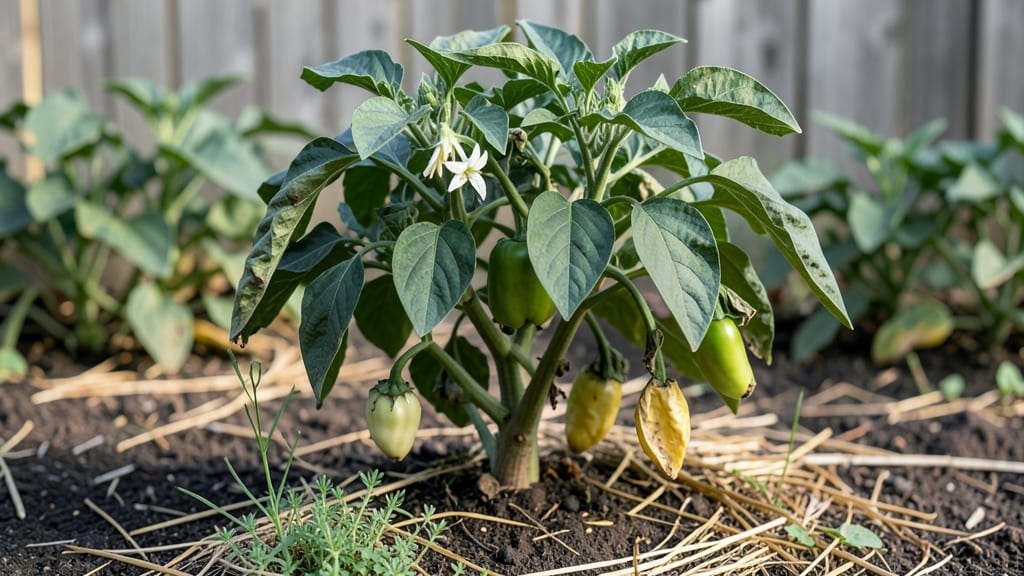
Your droopy pepper plants might be begging for a simple fix—before you lose the harvest. 🌿 I’ve nursed back more than my share of floppy peppers, and the root causes are almost always one of three things: water stress, hidden pests, or environmental shocks.
The good news? Each has a quick solution that gets them perky again in days.
First, check the soil—it’s either too dry or too soggy. Peppers hate both extremes. Stick your finger an inch deep; if it’s bone-dry, water deeply until it drains from the bottom. If it’s muddy, hold off until the top 2 inches feel crumbly.
Then there’s the pest patrol: inspect leaves for tiny bugs or sticky residue (aphids or spider mites love peppers). A strong spray of water or neem oil usually does the trick.
Once you’ve ruled out water and pests, look at the big picture. Peppers wilt fast in heat over 90°F or cold snaps below 55°F. Move potted plants to shade or shelter, and mulch heavily to stabilize soil temps.
Within 24-48 hours of fixing the issue, you’ll see them snap back to attention—ready to produce those sweet, glossy peppers you planted for.
Prevention is easier than cleanup: water consistently, monitor pests weekly, and keep temps steady. My plants stay upright all season long once I got the rhythm down. Let’s get yours back in shape before it’s too late.
Root Causes Of Plant Wilting
Understanding why your pepper plants develop droopy leaves is the first step to reviving them. Wilting isn’t just a random act of nature—it’s usually a clear signal that something in their environment or care routine has gone awry.
Let’s break down the most common reasons behind limp, sad-looking peppers, so you can pinpoint the issue and take action.
Pepper plants are sensitive to soggy roots, and overwatering is one of the fastest ways to stress them out. When soil stays too wet for too long, roots suffocate from a lack of oxygen, leading to nutrient uptake issues and wilting.
Poor drainage—whether from dense, clay-heavy soil or containers without drainage holes—exacerbates the problem by trapping excess moisture.
How to spot it:
- Yellowing leaves (not just drooping)
- Soil that feels soggy or smells musty
- Roots that appear mushy or black when checked
Why it happens:
- Root asphyxiation: Roots need oxygen to function. Waterlogged soil displaces air, starving them of what they need to absorb water and nutrients.
- Fungal infections: Excess moisture creates the perfect breeding ground for pathogens like Phytophthora or Pythium, which rot roots and block water transport.
- Nutrient lockout: Overwatered soil dilutes essential minerals (like nitrogen, potassium, and calcium), weakening the plant’s structural integrity.
Quick fix: Let the top 1-2 inches of soil dry out between waterings, and amend heavy soil with perlite or compost to improve aeration.
Pepper plants love warmth, but too much direct sun—especially during scorching afternoons—can cause wilting. High temperatures increase transpiration (water loss through leaves) faster than roots can replenish it, leading to temporary wilting. In extreme cases, sunburned leaves (visible as white or brown patches) can’t photosynthesize efficiently, further draining the plant.
How to spot it:
- Wilting that worsens in the afternoon heat
- Crispy or bleached leaf edges
- Leaves curling upward or downward
Why it happens:
- Stomatal closure: Under intense heat, stomata (tiny leaf pores) close to conserve water, slowing photosynthesis and causing wilting.
- Cell membrane damage: Excessive heat disrupts cellular processes, leading to plasmolysis (when cells shrink from water loss).
- Root system strain: Roots struggle to keep up with rapid water loss, especially in well-drained or sandy soils.
Quick fix: Provide afternoon shade (use shade cloth or move pots to a sheltered spot) and mulch to retain soil moisture.
Droopy peppers can also signal a hunger for key nutrients. While overwatering and heat stress are common culprits, deficiencies in calcium, magnesium, or nitrogen often mimic wilting symptoms.
For example, calcium deficiency (common in alkaline soils) causes blossom end rot in peppers, where fruit wilts and rots, while magnesium deficiency (chlorosis) turns leaves yellow between veins, reducing their ability to support the plant’s structure.
How to spot it:
- New leaves wilting first (nitrogen deficiency)
- Older leaves yellowing (magnesium deficiency)
- Fruit wilting or rotting at the blossom end (calcium deficiency)
Why it happens:
- Calcium uptake issues: Cool soil temperatures or compacted roots prevent calcium absorption, even if it’s present in the soil.
- Magnesium leaching: Overwatering or acidic soils wash out magnesium, which is mobile in the plant but often locked in older leaves.
- Nitrogen starvation: Without enough nitrogen, the plant can’t produce chlorophyll or maintain cell turgor (firmness), leading to floppy growth.
Quick fix: Test your soil and amend with Epsom salt (for magnesium), lime (for calcium), or a balanced fertilizer (for nitrogen). Side-dress with compost for a slow-release boost.
Hidden pests like aphids, spider mites, or whiteflies suck sap from leaves, weakening the plant’s vascular system. Meanwhile, diseases such as early blight or bacterial wilt clog xylem vessels (the plant’s water highways), preventing water from reaching the leaves.
Even root-knot nematodes—microscopic worms—can gnaw on roots, reducing their ability to absorb water.
How to spot it:
- Sticky residue on leaves (aphids)
- Fine webbing on undersides (spider mites)
- Yellowing veins or oozing sap (bacterial infections)
- Stunted growth despite regular watering
Why it happens:
- Sap depletion: Pests like aphids remove plant sap faster than it can be replenished, causing dehydration.
- Xylem blockage: Fungal or bacterial infections (e.g., Verticillium wilt) create gums or plugs in water-conducting tissues.
- Root damage: Nematodes or fungal root rot reduce root surface area, limiting water uptake.
Quick fix: Isolate affected plants, spray with neem oil (for pests) or copper fungicide (for diseases), and improve airflow to prevent future outbreaks.
Sudden changes in humidity, wind, or temperature can also trigger wilting. Pepper plants thrive in 60-80% humidity, and dry air increases transpiration rates, while high winds strip moisture from leaves faster than roots can compensate.
Even temperature swings (e.g., cold nights followed by hot days) stress the plant’s ability to regulate water.
How to spot it:
- Wilting that improves at night or in sheltered areas
- Leaf edges curling or browning
- No other visible signs of pests/disease
Why it happens:
- Transpiration spike: Low humidity or wind accelerates water loss through stomata.
- Cold stress: Chilly nights slow root activity, but warm days demand more water, creating a mismatch.
- Osmotic imbalance: Extreme conditions disrupt the plant’s ability to maintain turgor pressure in cells.
Quick fix: Use a humidifier near plants, mulch heavily to retain moisture, or move containers to a more stable microclimate.
If none of the above fit, the issue might be root-bound peppers or physical root damage. Roots that circle tightly in a pot or get pruned during transplanting struggle to support the plant’s needs. Even a broken root during repotting can cause wilting until new roots form.
How to spot it:
- Roots growing out of drainage holes
- Plant wilting after repotting
- Soil pulling away from pot edges
Why it happens:
- Circumstantial growth: Roots that girdle the pot can’t absorb water efficiently, leading to dehydration.
- Trauma response: Damaged roots take time to regenerate, leaving the plant vulnerable.
Quick fix: Gently loosen root-bound roots, repot in slightly larger containers, and water deeply to encourage new growth.
Reviving Wilted Pepper Plants Fast
Droopy pepper plants can be frustrating, but with the right approach, you can often bring them back to full, healthy growth. Below are practical, step-by-step solutions tailored to the most common causes—plus prevention tips to keep your plants thriving long-term.
If your pepper plants are soggy at the roots or sitting in waterlogged soil, they’ll wilt as oxygen is cut off. Act fast to save them:
🔥 Step 1: Check the Soil Moisture
Stick your finger 1–2 inches deep into the soil. If it’s damp or sticky, stop watering immediately. Overwatering is the #1 killer of pepper plants!
🍳 Step 2: Improve Drainage
- Repot if needed: If your container lacks drainage holes, transfer the plant to a pot with holes or add a 2-inch layer of gravel at the bottom.
- Loosen compacted soil: Gently fluff the top 3–4 inches of soil with a fork or your hands to help roots breathe.
- Use well-draining mix: Amend heavy soil with perlite, vermiculite, or coconut coir (20–30% of the mix).
👨🍳 Step 3: Let the Soil Dry Out
- Skip watering for 3–5 days—let excess moisture evaporate.
- Water deeply but infrequently: Only water when the top 1–2 inches of soil are dry. Pepper plants prefer slightly dry conditions over soggy roots.
🌡️ Prevention Tips
✅ Use self-watering pots with moisture sensors to avoid overwatering. ✅ Water in the morning so excess moisture evaporates during the day. ✅ Choose containers with drainage holes—no exceptions!
Pepper plants droop when they’re thirsty or overheated, especially in hot climates. Here’s how to revive them:
🔥 Step 1: Water Deeply and Slowly
- Soak the root zone (not just the surface) until water runs out the drainage holes.
- Use lukewarm water—cold water can shock roots.
- Water at the base, not the leaves, to prevent fungal issues.
🍳 Step 2: Provide Shade Relief
If temperatures exceed 90°F (32°C), move plants to partial shade (morning sun, afternoon shade works best).
- Use shade cloth (30–50% coverage) if outdoor temps are extreme.
- Mulch heavily (2–3 inches of straw or wood chips) to keep roots cool.
👨🍳 Step 3: Boost Humidity (If Needed)
- Mist leaves lightly in the morning (avoid evening misting to prevent disease).
- Group plants together to create a microclimate with higher humidity.
- Place a tray of water near them (but not too close—pepper plants dislike soggy feet).
✨ Prevention Tips
✅ Water consistently—pepper plants hate moisture swings. ✅ Avoid plastic pots in hot weather—they trap heat; opt for terracotta or fabric pots. ✅ Use drip irrigation for even, slow watering.
Yellowing leaves, weak stems, or crispy edges? Your pepper plants may be starving or burned by too many nutrients.
🔥 Step 1: Flush the Soil
If you’ve been over-fertilizing, leach out excess salts by:
- Watering heavily for 10–15 minutes until it drains completely.
- Repeat 2–3 times over a week.
🍳 Step 2: Feed with the Right Nutrients
Pepper plants need balanced NPK (10-10-10 or 5-5-5) but less nitrogen as they mature.
- Early growth: Use a high-nitrogen fertilizer (e.g., fish emulsion).
- Flowering/fruiting: Switch to a low-nitrogen, high-phosphorus fertilizer (e.g., 5-10-10).
- Organic option: Compost tea or worm castings for a gentle boost.
👨🍳 Step 3: Check pH Levels
- Ideal pH for peppers: 6.0–6.8.
- Test soil with a DIY kit or send a sample to a local extension office.
- Lower pH (too acidic)? Add lime (follow package instructions).
- Raise pH (too alkaline)? Mix in sulfur or peat moss.
💡 Prevention Tips
✅ Fertilize every 4–6 weeks—less is more! ✅ Use slow-release fertilizers to avoid spikes. ✅ Avoid synthetic fertilizers if possible; opt for organic, balanced options.
Sap-sucking pests (aphids, spider mites) or fungal infections (powdery mildew) can drain energy, causing wilting.
🔥 Step 1: Inspect for Pests
- Check undersides of leaves for tiny bugs, webs, or sticky residue (honeydew).
- Common culprits:
- Aphids (green/black clusters)
- Spider mites (tiny yellow dots, webbing)
- Whiteflies (tiny white moths when disturbed)
🍳 Step 2: Treat Naturally
- Neem oil spray: Mix 1 tbsp neem oil + 1 tsp mild soap + 1 quart water.
Spray every 5–7 days until pests are gone. - Insecticidal soap: Safe and effective for soft-bodied pests. - Introduce beneficial insects: Ladybugs or lacewings eat aphids naturally.
👨🍳 Step 3: Prevent Fungal Issues
- Prune infected leaves (remove 1 inch below the damage) and dispose of them.
- Space plants properly (18–24 inches apart) for good airflow.
- Avoid overhead watering—water at the base only.
🎯 Prevention Tips
✅ Rotate crops—don’t plant peppers in the same spot yearly. ✅ Use reflective mulch (like aluminum foil) to deter pests. ✅ Inspect plants weekly—catch problems early!
If your pepper plant is severely wilted but not dead, try this emergency recovery plan:
- Trim dead/dying leaves (helps the plant focus energy).
- Repot in fresh, well-draining soil if roots are rotting.
- Move to a shadier spot for 3–5 days to reduce stress.
- Water lightly (don’t drown it) and resume normal care once it perks up.
Remember: Pepper plants are resilient—most can bounce back with the right care! Start with the most likely cause, act quickly, and your plants should be back to their perky selves in 1–2 weeks. 🌿💚
Frequently asked questions about reviving pepper plants
Why do my pepper plants wilt even when the soil feels moist?
This usually means root asphyxiation from overwatering or poor drainage. Pepper roots need oxygen—when soil stays too wet, they suffocate and can’t absorb water efficiently. Check for mushy roots or musty smells; if present, let the soil dry completely before watering again. Containers without drainage holes are a common culprit—repot if needed.
Can I save a pepper plant that’s completely limp and not responding to water?
Yes, but act fast! First, trim any blackened or mushy roots and repot in fresh, well-draining soil. Move it to a shadier spot for 3–5 days to reduce stress. Water lightly (just enough to moisten the soil) and avoid fertilizing until new growth appears. Most peppers recover within 5–7 days if the roots aren’t fully rotted.
How do I tell if my wilting is from heat stress or underwatering?
Heat stress wilting happens during hot afternoons and often improves at night or in cooler conditions. Leaves may also show crispy edges or sunburn spots. Underwatering wilting is worse in the morning and improves after watering. Stick your finger 1–2 inches deep—if dry, it’s thirst; if damp, it’s likely heat or pests. Provide afternoon shade for heat stress.
Will Epsom salt help my droopy pepper plants?
Only if they’re deficient in magnesium—look for yellowing between leaf veins first. Mix 1 tablespoon of Epsom salt per gallon of water and apply as a foliar spray or soil drench. However, if wilting is from water issues or pests, Epsom salt won’t fix the root problem. Always check soil moisture and pests first before treating nutrient deficiencies.
Can I use coffee grounds to revive my pepper plants?
Coffee grounds can help with acid-loving plants but aren’t a cure for wilting. They add nitrogen and improve soil texture, but peppers prefer balanced nutrients. Use sparingly (a 1-inch layer mixed into soil) and pair with proper watering. For immediate wilting fixes, focus on drainage, shade, and pest control first—coffee grounds are more of a long-term soil booster.