
Companion Plants
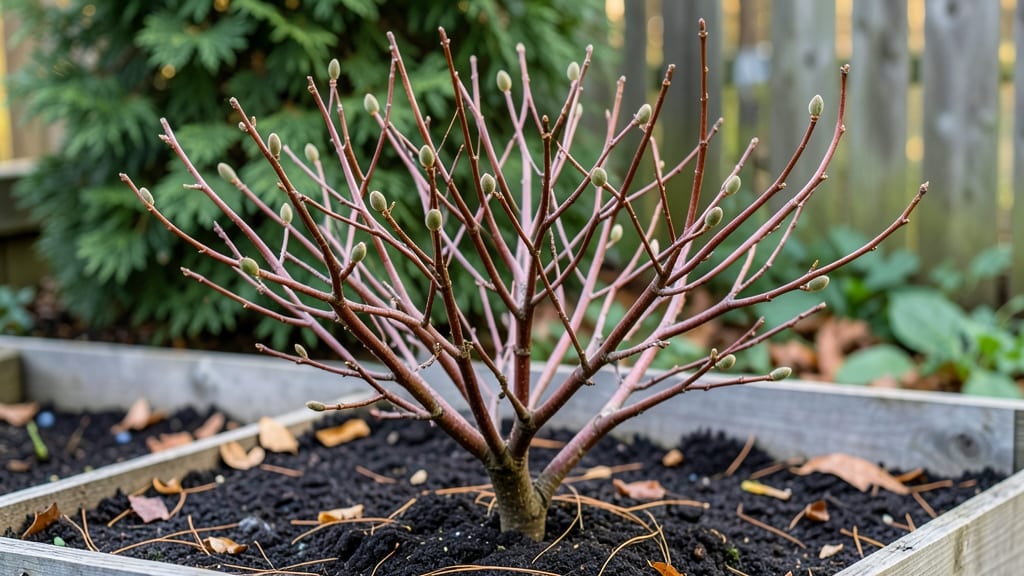
Reviving dormant blueberry plants transforms next year's harvest from "maybe" to "absolutely." I learned the hard way that ignoring winter prep means stunted growth and fewer berries—until I started doing these simple steps every fall.
The key isn't complicated: it's about timing, soil, and a little protection when winter bites hard.
You'll need a well-draining soil mix (think 50% peat or pine bark), a handful of organic mulch, and basic pruning shears. The process takes about 2 hours in late fall, but the payoff is blueberry bushes that burst with vibrant green growth by spring.
Even if you've killed plants before, this method is impossible to mess up.
By spring, you'll see strong new shoots and a bush ready to produce 2-3 times more berries than before. The berries themselves stay plump, sweet, and deep blue—exactly what you want when you're picking them fresh from the vine.
This works for both new plants and established bushes, whether you're in zone 5 or zone 8.
Here's the best part: once you master this routine, you'll never stress about winter again. The bushes handle cold better, recover faster in spring, and give you years of reliable harvests. Let's get those plants ready for their best season yet!
📚 In This Guide
- What you need
- Instructions
- Tips and common mistakes
- Wrapping up and next steps
What you need
- ● Dormant blueberry plants: 1–3 plants (bare-root or potted, depending on preference). Look for healthy, disease-free specimens!
- ● Well-draining soil: 5–10 gallons of a mix designed for acid-loving plants (pH 4.5–5.5). Add peat moss or pine bark fines for texture.
- ● Organic mulch: 2–3 inches of pine needles, wood chips, or straw to retain moisture and acidify soil.
- ● Slow-release fertilizer: 1–2 cups of acid-loving plant fertilizer (e.g., 10-10-10 or a blueberry-specific blend).
- ● Pruning shears: Sharp, clean pair to trim dead or crossing branches.
- ● Watering can or hose: With a gentle spray nozzle for hydration.
- ● Garden gloves: To protect your hands from thorns and soil.
- ● Soil pH test kit: To monitor acidity levels (aim for 4.5–5.5).
- ● Epsom salt: 1 tbsp per plant (mixed into soil) for magnesium boosts.
- ● Compost or worm castings: 1–2 cups per plant for nutrient-rich soil.
- ● Frost cloth: If reviving plants in early spring to protect from late frosts.
- ● Stakes or trellis: For support if your blueberries grow tall.
Instructions for reviving dormant blueberry plants
Here's how to wake up those dormant plants and set them up for an amazing harvest next year.
Prune Out Dead or Damaged Wood
Start by examining each branch carefully. Look for any that are completely brown, brittle, or showing no signs of life—these are dead and should be removed entirely. Use clean, sharp pruning shears to make clean cuts just outside the branch collar where the branch meets the trunk. This prevents disease from entering the plant through ragged cuts.
Next, identify any branches that are crossing or rubbing against each other. These create wounds that can invite pests and diseases. Cut one of the two branches at its base, making sure to leave the healthier branch intact. You'll know you're doing it right when the plant's center opens up, allowing better airflow and sunlight penetration.
Fertilize for Spring Awakening
Spread a 2-3 inch layer of compost evenly around the base of each plant, keeping it about 6 inches away from the trunk. This organic matter will slowly release nutrients as it breaks down, giving your blueberries exactly what they need to wake up from dormancy. Avoid piling compost directly against the trunk, as this can cause rot.
Mix in a slow-release, acid-loving plant fertilizer according to package instructions. Blueberries thrive in acidic soil, so if your soil isn't naturally acidic, add sulfur or peat moss to the soil around the plants. You'll know your soil is properly amended when it has a slightly spongy texture and a pH between 4.5 and 5.5. Test your soil's pH with a kit to confirm.
Water Deeply to Break Dormancy
Give your dormant plants a deep watering—enough to soak the soil to a depth of 12-18 inches. You can check this by sticking a long screwdriver into the ground; if it goes in easily, you've watered deeply enough. This initial watering helps wake up the roots and prepares the plant for active growth. Avoid shallow watering, which only encourages shallow root growth and makes plants more vulnerable to drought.
After the first deep watering, maintain consistent moisture throughout the dormant season. The soil should feel damp 2-3 inches below the surface, but not soggy. Overwatering can suffocate roots and lead to rot, while underwatering stresses the plant unnecessarily. Mulch the soil surface with 2-3 inches of wood chips or pine straw to help retain moisture and regulate soil temperature.
Protect from Late Frosts
Blueberries are sensitive to late frosts, which can damage new growth just as it emerges. Cover young plants with frost cloth or lightweight row covers on nights when temperatures are expected to drop below 28°F. Secure the covers loosely over the plants to allow airflow and prevent moisture buildup, which can encourage fungal diseases. Remove the covers during the day to let sunlight reach the plants.
If you're in an area with unpredictable late frosts, consider installing a small fan near the plants. The gentle movement of air can raise the temperature slightly and protect tender new growth. You'll know the frost protection is working when the plants remain upright and green, even after a cold snap. Monitor weather forecasts closely and act quickly if frost is predicted.
Monitor for Pests and Diseases
As your blueberry plants begin to wake up, keep an eye out for signs of pests like aphids, spider mites, or blueberry maggots. Inspect the undersides of leaves and along the stems for tiny insects or webbing. If you spot any, treat the plants immediately with neem oil or insecticidal soap, following the product's instructions carefully. Early intervention prevents infestations from becoming unmanageable.
Watch for signs of fungal diseases, such as powdery mildew or botrytis, which appear as white or gray fuzzy patches on leaves and fruit. Improve airflow around the plants by pruning densely packed branches and removing any infected leaves or fruit immediately. Healthy plants are less susceptible to diseases, so maintaining proper watering, fertilization, and pruning goes a long way in keeping them strong and resilient.
Tips & tricks for reviving dormant blueberry plants
Reviving dormant blueberry plants can feel like bringing a sleeping giant back to life—and with the right approach, you'll be rewarded with a bountiful harvest next season. Here are the game-changing tips to make sure your plants wake up strong and healthy.
Pruning Precision: When you're pruning in Step 1, don't be afraid to be aggressive with dead wood—these branches are no longer contributing to the plant's health. What you might not know is that you should also look for branches that are growing inward or upward. These "water sprouts" compete with fruit-bearing branches for nutrients. Cut them back to just outside a bud that's facing outward. This opens up the plant's center, allowing sunlight to reach all the way to the trunk and encouraging stronger, fruit-producing branches to develop.
Compost Placement: In Step 2, the 2-3 inch layer of compost around your plants is crucial, but where you place it matters just as much. Spread it in a donut shape, keeping it 6 inches away from the trunk to prevent rot. Pro tip: Mix in a handful of coffee grounds (if you have them) for an extra boost of acidity—blueberries love that tangy environment. Just be sure to work them into the soil rather than piling them on top, where they can create a sour barrier that prevents water from reaching the roots.
Deep Watering Technique: That 12-18 inch deep watering in Step 3 requires a bit of finesse. Use a garden trowel to create small holes around the plant's drip line (the area where branches naturally extend). Pour water into these holes rather than just watering from above. This directs moisture straight to the roots where they'll absorb it most efficiently. Think of it like giving your plant a deep drink rather than a quick sip—it'll make all the difference when those roots start waking up from dormancy.
Frost Protection Strategy: The 28°F threshold in Step 4 is critical, but here's what nobody tells you: if you're using frost cloth, secure it loosely—too tight and you'll trap moisture that can lead to fungal issues. For extra protection, consider using a combination of frost cloth and a small fan. The fan creates a gentle breeze that can raise the temperature around the plant by up to 5 degrees, giving you that extra buffer against frost damage. Just make sure to turn it off during the day so the plants get plenty of sunlight to fuel their growth.
Pro Tips for Dormant Blueberry Plants
- Reviving dormant blueberry plants can feel like bringing a sleeping giant back to life—and with the right approach, you'll be rewarded with a bountiful harvest next season.
- Pruning Precision: When you're pruning in Step 1, don't be afraid to be aggressive with dead wood—these branches are no longer contributing to the plant's health.
- Compost Placement: In Step 2, the 2-3 inch layer of compost around your plants is crucial, but where you place it matters just as much.
Frequently asked questions
Got questions about reviving your dormant blueberry plants? You’re not alone! Here are some of the most common concerns—and straightforward answers—to help you get back on track for a berry-filled next season.
Can I prune dormant blueberry plants now, or should I wait?
Pruning is best done in late winter or early spring before buds swell. This gives you a clear view of the plant’s structure and encourages healthy growth. Avoid heavy pruning in fall—it can stimulate tender new growth that won’t survive frost. Think of it as a fresh start for your bushes!
How do I protect dormant blueberry plants from winter damage?
Mulch heavily (3–4 inches) with pine straw or wood chips to insulate roots. Cover young plants or tender varieties with burlap or frost cloth if temps drop below 10°F. Avoid heavy snow buildup—gently brush it off to prevent branch breakage. A little winter prep goes a long way!
What if my dormant blueberry plant looks completely dead?
Don’t panic! Blueberries can look woody and lifeless in winter. Check for green buds or slight swelling at the base of stems—these are signs of life. If you see none, gently scratch the bark; if it’s green underneath, the plant is alive. If not, it may be time to replace it. Patience pays off!
Can I revive a dormant blueberry plant that’s been neglected for years?
It’s possible! Start by pruning dead wood, improving soil drainage (blueberries hate soggy roots), and fertilizing with an acidic, organic mix. Water deeply but infrequently to encourage root recovery. Neglected plants may take 1–2 seasons to bounce back, but consistent care works wonders. Slow and steady wins the berry race!
Are there any companion plants that help dormant blueberries recover?
Plant clover or alfalfa nearby to fix nitrogen in the soil, or add thyme or marigolds to deter pests. Avoid competitive plants like raspberries or blackberries—they can stress your blueberries. A happy neighborhood = happier berries!
Wrapping up and next steps
Reviving dormant blueberry plants doesn’t have to be a challenge—with the right care, patience, and a few simple steps, you can wake them up for a thriving harvest next season. 🌱 Whether it’s pruning, fertilizing, or protecting them from winter’s chill, each action sets the stage for stronger growth.
Now that you’re armed with knowledge, there’s no time like the present to roll up your sleeves and give your blueberries the love they deserve.
Your next step? Pick a calm day, grab your tools, and start with one task—like pruning dead branches or applying mulch. Small efforts lead to big rewards, and soon, you’ll be enjoying plump, juicy blueberries straight from your garden! 🍇