
Pests
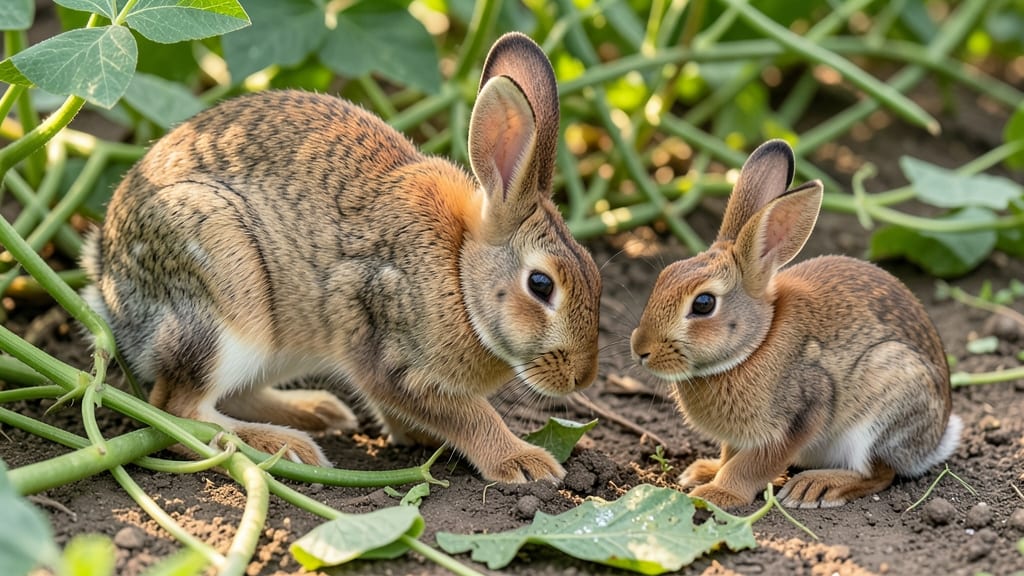
Rabbits do eat bean plants, including green beans, kidney beans, and other varieties, as they are high in protein and fiber. While edible, some beans may cause mild digestive upset if eaten in excess. Always introduce new plants gradually to monitor reactions.
Bean plants attract rabbits primarily because they're packed with nutrients like protein and fiber, which support a rabbit's diet. 🌱 The tender young shoots and pods are especially tempting, making them a common target in vegetable gardens.
Unlike some plants that deter rabbits with strong odors or textures, beans offer a soft, easily accessible meal that's hard to resist. Their upright growth habit also makes them vulnerable to browsing, as rabbits can nibble from the bottom without much effort.
If you're worried about rabbit damage, consider planting varieties with thorny supports or bitter-tasting leaves, which rabbits tend to avoid. Companion planting with strongly scented herbs like rosemary or thyme can also help create a natural barrier.
For a completely rabbit-proof garden, focus on vegetables like onions, garlic, or peppers, which rabbits typically steer clear of due to their pungent flavors.
💡 In This Article
- Why Rabbits Target Bean Plants in Gardens
- Safe Bean Alternatives for Rabbit-Proof Gardens
Why rabbits target bean plants in gardens
Bean plants act like an all-you-can-eat buffet for rabbits because they're packed with 18-25% protein—nearly double what's found in common garden weeds like dandelions (10-15% protein). The high fiber content (around 20-30% dry weight) provides both energy and digestive roughage, making beans an ideal snack.
What's more, the 85-90% water content in fresh pods keeps rabbits hydrated, especially during dry seasons when other garden plants wilt.
The science behind this preference lies in a rabbit's natural foraging instincts.
In the wild, rabbits seek out plants with balanced nutrition, and beans deliver all three critical components: protein for muscle maintenance, fiber for digestion, and moisture for survival. 🌱 Unlike leafy greens that often contain oxalates (which rabbits avoid), beans offer a clean, nutrient-dense meal without these compounds.
The tender young shoots contain even higher moisture levels (92% water), making them particularly irresistible to young rabbits developing their teeth.
Bean plants' growth habits make them especially vulnerable. Most varieties grow 3-6 feet tall with sprawling vines that create dense canopies at ground level—perfect for rabbits to nibble without standing up. The vertical structure also means multiple height levels of edible material, from roots to pods.
Compare this to carrots, which rabbits must dig up (a more labor-intensive process), or tomatoes that often have prickly stems. Bean plants offer easy access and high reward with minimal effort.
Rabbits also target beans because they're often planted in large, uniform patches—a feast waiting to happen. In nature, rabbits would encounter scattered plants, but garden rows create artificial abundance. This unnatural concentration triggers their "super-grazing" behavior, where they'll consume entire plants until they find something less appealing.
The 3-4 inch diameter of mature bean pods provides an ideal mouthful size for rabbits, making them particularly tempting targets.
Seasonal factors amplify this behavior. During spring and early summer when beans are most tender, rabbits may consume up to 50% of young plants in a single night.
The combination of nutritional value, accessibility, and seasonal abundance creates what researchers call a "preferred forage" scenario—where rabbits will prioritize beans over other available garden plants, even when better options exist nearby.
What most gardeners don't realize is that this preference extends beyond the pods. Rabbits will also eat the leaves (25-30% protein), flowers (20% protein), and even the roots (15% protein) when other food sources are scarce.
This comprehensive consumption pattern makes beans one of the most challenging plants to protect in rabbit-prone areas.