
Companion Plants
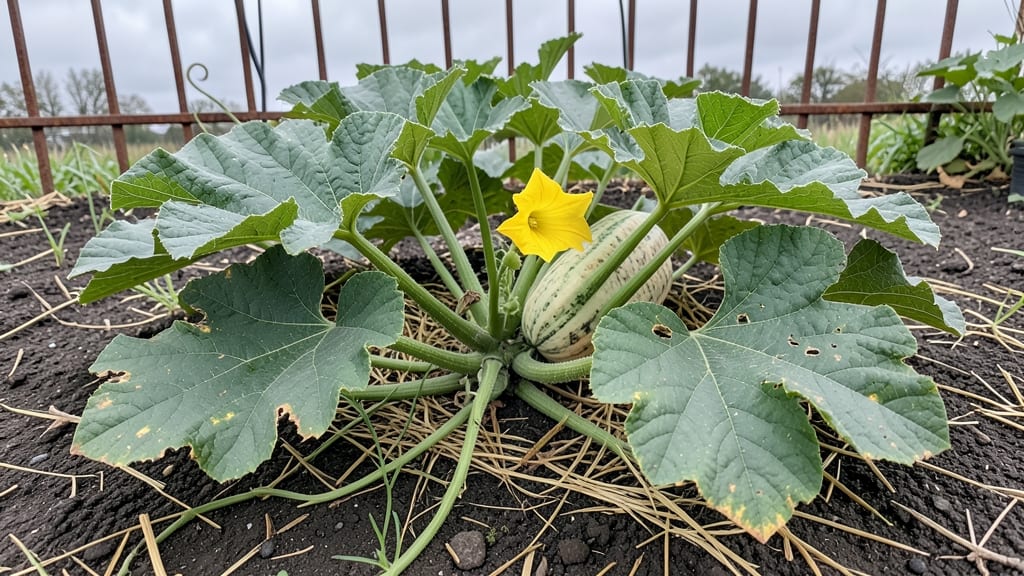
Fast-growing delicata squash plants transform any garden into a pest-resistant haven in just 60 days. I remember the first time I planted them—they shot up like weeds, outpacing even my zucchini, and the bees went wild for their bright blossoms.
These aren’t your typical squash; they’re the unsung heroes of summer gardens, thriving where others struggle.
You’ll need well-draining soil, full sun, and consistent moisture—but no fancy equipment. Start seeds indoors 4 weeks before your last frost or sow directly when soil reaches 60°F. The key is spacing: give them 3-4 feet between plants to prevent disease.
I’ve found that companion planting with nasturtiums keeps squash bugs at bay, and the two plants actually improve each other’s growth.
By midsummer, you’ll be harvesting 3-6 inch squash with edible skin—no peeling required. The flavor? Sweet, nutty, and perfect for roasting or spiralizing. These plants are so productive that I’ve given away more than I’ve eaten, and the vines keep producing until frost. Even my black thumb can’t kill these.
Works in containers too—just use 5-gallon pots for smaller gardens. The real magic happens when you let them climb trellises, saving space and making harvests easier. Here’s how to keep them thriving all season long.
📚 In This Guide
- What you need
- Instructions
- Tips and common mistakes
- Wrapping up and next steps
What you need
- ● Delicata squash seeds – 3–5 seeds per plant (or 1–2 per pot if container growing). Opt for heirloom or organic seeds for better flavor and sustainability.
- ● Well-draining potting mix – 5–10 gallons per plant (or a high-quality compost-blended soil for in-ground planting). Avoid heavy clay soils.
- ● Compost or aged manure – 2–3 cups per planting hole to enrich the soil with nutrients.
- ● Organic mulch – Straw or shredded leaves (1–2 inches thick) to retain moisture and suppress weeds.
- ● Garden trowel or transplanting spade – For digging planting holes (6–8 inches deep).
- ● Watering can or hose with a gentle spray nozzle – Delicatas need consistent moisture, especially in their early growth stages.
- ● Garden gloves – To protect your hands from prickly vines and soil.
- ○ Row cover or lightweight fabric – Optional but helpful for young plants to deter pests like squash bugs.
- ○ Trellis or sturdy stakes (optional) – If growing vertically to save space, use 4–6 ft tall supports.
- ● Sunlight – Full sun (6–8+ hours daily). Delicatas thrive in warm climates but tolerate partial shade in hotter regions.
- ● Warm soil – Plant after the last frost when soil temps reach 60–65°F (15–18°C).
- ○ Companion plants (optional but recommended!) – Pair with bush beans, nasturtiums, or marigolds to repel pests naturally.
Step-by-Step instructions for growing delicata squash plants
Here’s how to cultivate these fast-growing, pest-resistant plants with minimal fuss.
Choose the Right Location and Prepare the Soil
Delicata squash thrives in full sun, needing at least 6-8 hours of direct sunlight daily. Select a spot with well-draining soil—these plants despise soggy roots. Amend the soil with 2-3 inches of compost to enrich nutrients, as Delicatas are heavy feeders. Work the compost into the top 6-8 inches of soil to create a loose, crumbly texture that encourages root expansion.
I always test the soil pH before planting—Delicatas prefer a slightly acidic to neutral range (6.0-7.0). If your soil is heavy clay, mix in 1 part perlite per 3 parts soil to improve drainage. Avoid fresh manure, which can burn tender roots; composted material is key for steady nutrient release without risk of scorching.
Plant Seeds at the Correct Depth and Spacing
Sow seeds 1 inch deep when soil temperatures reach 60°F or warmer—cold soil delays germination. For 4 plants, space seeds 2-3 feet apart in rows 4-5 feet apart to allow vines to sprawl without crowding. Delicatas grow fast, so give them room to stretch.
I like to plant seeds in small clusters of 3-4 per hill and thin to the strongest seedling after germination. This ensures you don’t waste seeds and gives plants a head start. Water the soil to a depth of 1 inch before planting to encourage root growth immediately after sowing.
Provide Consistent Water and Mulch for Fast Growth
Keep the soil evenly moist but not waterlogged—Delicatas need 1-1.5 inches of water per week, more during fruiting. I water deeply every other day in hot weather, focusing on the base to avoid wetting leaves, which reduces disease risk. Use a soaker hose or drip irrigation to deliver water slowly and evenly.
Apply a 2-inch layer of straw mulch around plants after germination to retain moisture, suppress weeds, and regulate soil temperature. Replenish mulch as it breaks down—this is non-negotiable for fast, healthy growth. Delicatas grow quickly, so consistent moisture is critical to prevent blossom-end rot or cracked fruits.
Fertilize and Monitor for Pests
Feed plants with a balanced, organic fertilizer (10-10-10) every 3-4 weeks once vines start running. Delicatas are prolific producers, so they need steady nutrients. I avoid high-nitrogen fertilizers, which encourage leafy growth at the expense of fruit. Instead, I use compost tea or fish emulsion for a gentle nutrient boost.
Watch for squash bugs and cucumber beetles—common pests that target Delicatas. I handpick eggs from the undersides of leaves daily and use row covers early in the season to deter adults. If aphids appear, spray plants with neem oil in the evening to avoid harming pollinators. Delicatas are naturally pest-resistant, but vigilance ensures they stay that way.
Harvest at Peak Ripeness for Best Flavor
Delicatas are ready to harvest 80-100 days after planting, when the skin hardens and the vines begin to yellow. I harvest in the morning, when fruits are cool and crisp. Use a sharp knife to cut stems, leaving 1 inch of stem attached to preserve the fruit’s integrity. Store harvested squash in a cool, dark place for up to 2 months.
Leave a few squash on the vine to mature fully if you want seeds—Delicatas produce beautiful, edible-skinned fruits that store well. I always save seeds from my healthiest plants to ensure strong, disease-resistant starts the following year. This is the easiest part of growing Delicatas—they reward patience with minimal effort.
Tips & tricks for growing delicata squash plants
Delicata squash plants are one of the fastest and most rewarding crops to grow, but a few strategic moves can turn good results into spectacular ones. Here’s what I’ve learned from years of growing these hardy plants in my own garden.
Soil Preparation is Non-Negotiable: In Step 1, when amending your soil with 2-3 inches of compost, don’t just mix it in—create a dedicated planting mound. Mound the compost-rich soil into a small hill about 6 inches high and 12 inches wide. This elevated planting method improves drainage and warms the soil faster in spring, which is crucial since Delicatas need soil temperatures of 60°F or warmer for proper germination. The raised beds also help prevent the blossom-end rot that can plague squash when roots sit in cold, wet soil.
Timing Your Planting for Speed: The 6-8 hours of daily sunlight requirement isn’t just about location—it’s about timing your planting. I’ve found that transplanting seedlings instead of direct sowing can shave 10-14 days off your harvest time. Start seeds indoors 3-4 weeks before your last frost date, then transplant when they have 2-3 true leaves. This gives you a head start on the 80-100 day harvest window while still allowing vines to sprawl properly in their permanent 4-5 foot rows.
Watering Strategy for Fast Growth: During Step 3, when you’re maintaining that 1-1.5 inches of water per week, focus on consistency rather than quantity. I water my Delicatas using the "clock method"—setting a timer for 15 minutes every other day during hot weather. This ensures deep, even watering without the risk of overwatering that comes from eyeballing it. The key is to water at the base, never the leaves, to prevent fungal diseases that can slow growth dramatically.
Pest Prevention That Actually Works: The vigilance mentioned in Step 4 about handpicking squash bug eggs isn’t just about what you see—it’s about what you don’t. I’ve had the most success using yellow sticky traps placed near plants to monitor for early pest arrival. Combine this with a weekly neem oil spray (applied in the evening) and you’ll create a barrier that keeps pests at bay without chemicals. The beauty of Delicatas is their natural resistance, but giving them this extra protection ensures they stay that way throughout their rapid growth cycle.
Pro Tips for Delicata Squash Plants
- Delicata squash plants are one of the fastest and most rewarding crops to grow, but a few strategic moves can turn good results into spectacular ones.
- Soil Preparation is Non-Negotiable: In Step 1, when amending your soil with 2-3 inches of compost, don’t just mix it in—create a dedicated planting mound.
- Timing Your Planting for Speed: The 6-8 hours of daily sunlight requirement isn’t just about location—it’s about timing your planting.
Frequently asked questions
Got questions about growing delicata squash plants? You’re not alone! Here are answers to the most common queries from gardeners—whether you're a beginner or a seasoned pro looking for tips to maximize your harvest.
How long does it take for delicata squash plants to mature?
Delicata squash plants typically mature in 85–100 days from transplanting, depending on your climate. They grow faster than many other winter squash varieties, making them perfect for shorter growing seasons. Plant them after the last frost when soil temperatures reach 60°F (15°C) or warmer for the best results.
What companion plants should I avoid with delicata squash?
Avoid planting delicata squash near potatoes, aromatic herbs (like sage or dill), or other cucurbits (e.g., pumpkins or zucchini), as they can attract the same pests or compete for nutrients. Instead, pair them with beans, corn, or nasturtiums—these companions deter pests and boost growth!
How much water do delicata squash plants need?
Delicata squash plants thrive with 1–2 inches of water per week, especially during flowering and fruiting. Water at the base (not the leaves) to prevent disease, and mulch around the plants to retain moisture. Overwatering can lead to blossom-end rot, so let the soil dry slightly between waterings.
Can I grow delicata squash in containers?
Yes! Delicata squash plants adapt well to containers if given enough space. Use a 5-gallon pot or larger with drainage holes and a lightweight potting mix. Trellis vines to save space, but expect smaller yields than in-ground plants. Place containers in full sun (6+ hours daily) for best results.
Why are my delicata squash leaves turning yellow?
Yellowing leaves often signal overwatering, nutrient deficiency (like nitrogen), or powdery mildew. Check soil moisture first—squash prefers slightly dry soil. If mildew is the issue, improve airflow, remove affected leaves, and spray with neem oil. For deficiencies, amend soil with compost or a balanced fertilizer.
Wrapping up and next steps
Growing delicata squash plants isn’t just about adding a delicious harvest to your garden—it’s about cultivating a thriving, pest-resistant ecosystem! 🌱 Their fast growth and companion-friendly nature make them a game-changer for both beginners and seasoned gardeners.
Whether you’re aiming for a bountiful fall harvest or simply want to boost your garden’s health, delicata squash delivers big rewards with minimal fuss.
Ready to take the next step? Start by planting a few seeds this season and watch your garden transform into a lush, productive haven. Happy growing! 🌟