
Companion Plants
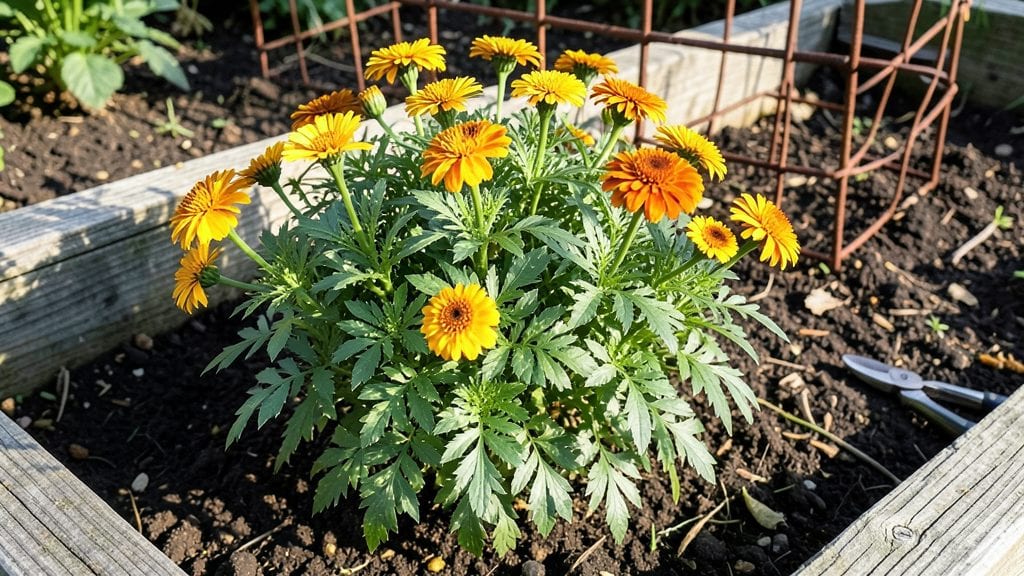
Growing lemon marigold plants transforms your garden into a fragrant, pest-repelling paradise that hums with pollinators. 🌻 I’ve learned these golden-yellow beauties aren’t just pretty—they’re the unsung heroes of summer gardens, keeping aphids and nematodes at bay while attracting bees and butterflies.
They thrive in full sun and well-draining soil, making them perfect for borders, containers, or mixed flower beds. Start seeds indoors 6-8 weeks before your last frost or plant young seedlings after all danger of frost has passed. Water consistently but avoid soggy soil—they hate wet feet.
By midsummer, you’ll have a bushy, lemon-scented plant that blooms nonstop until frost. The petals even make a lovely garnish for summer drinks (though I usually just admire them). They’re so easy, even my black thumb can’t kill them.
Bonus: Deadheading spent blooms encourages more flowers, and their strong scent deters deer and rabbits. Perfect for gardeners who want beauty and function without the fuss. Let’s get those seeds in the ground!
📚 In This Guide
- What you need
- Instructions
- Tips and common mistakes
- Wrapping up and next steps
What you need
- ● Lemon marigold seeds or seedlings: Quantity: 10–20 seeds (or 3–5 seedlings for a small patch)
- ● Type: Tagetes lemmonii (true lemon marigolds) for the best citrusy scent
- ● Well-draining potting mix or garden soil: Quantity: 1–2 cubic feet (for containers) or amend garden beds with compost
- ● pH: 6.0–7.0 (slightly acidic to neutral)
- ● Containers or garden bed: Containers: 6–12" diameter pots (1–2 plants per pot)
- ● Garden beds: Full sun (6+ hours/day) with loose, fertile soil
- ● Watering can or hose with a gentle spray nozzle
- ○ Fertilizer (optional but recommended): Balanced 10-10-10 or organic compost (e.g., worm castings)
- ● Quantity: 1 tbsp per plant (mixed into soil at planting)
- ○ Gloves (optional) – To protect hands while handling soil or seeds
- ● Trowel or small shovel – For transplanting seedlings or loosening soil
- ● Mulch (e.g., straw or shredded leaves) – To retain moisture and suppress weeds
- ● Pruning shears – For trimming spent blooms or shaping plants
- ○ Pest control (optional): Neem oil or insecticidal soap (if aphids or spider mites appear)
Step-by-Step instructions for planting lemon marigold plants
Here's how to establish these vibrant, pest-deterring beauties for maximum impact in your garden.
🌱 Step 1: Prepare the Planting Site for Optimal Growth
Lemon marigolds thrive in well-draining soil with full sun exposure—at least 6-8 hours daily. Choose a location where they’ll receive afternoon sunlight, as this enhances their natural pest-repelling properties. If your soil is heavy clay, amend it with 2-3 inches of compost mixed into the top 12 inches of soil to improve drainage and nutrient availability.
Work the soil gently with a garden fork or trowel, breaking up any compacted areas. Lemon marigolds are drought-tolerant once established, but they prefer soil that’s moist but not soggy. Avoid planting in low-lying spots where water pools, as their roots are sensitive to prolonged moisture. A slight mound or raised bed helps prevent root rot and ensures better airflow around the foliage.
🪴 Step 2: Space and Plant Lemon Marigold Starts
Dig holes twice as wide as the root ball of each lemon marigold plant but only as deep as the container they came in. Gently remove the plant from its pot and loosen the roots if they appear circling or compacted. This encourages outward root growth, which stabilizes the plant and improves nutrient uptake.
Space plants 12-18 inches apart in rows 18-24 inches apart to allow for airflow and future growth. Lemon marigolds can reach 18-24 inches tall, so adequate spacing prevents overcrowding and reduces the risk of fungal diseases. Place each plant in its hole, ensuring the top of the root ball sits just below soil level—burying the stem too deeply can lead to rot. Fill the hole with soil and press lightly around the base to eliminate air pockets.
💧 Step 3: Water and Mulch for Healthy Establishment
Water each newly planted lemon marigold deeply—about 1 gallon per plant—to settle the soil and encourage root growth. Water at the base rather than overhead to minimize leaf wetness, which can invite fungal issues. After watering, let the soil dry out slightly before watering again; lemon marigolds are sensitive to overly wet conditions, especially during their first few weeks.
Apply a 2-3 inch layer of organic mulch, such as shredded bark or straw, around each plant, keeping it 2-3 inches away from the stem. Mulch conserves moisture, regulates soil temperature, and suppresses weeds—all critical for lemon marigolds, which thrive in consistent conditions. Replenish the mulch as it breaks down to maintain its protective layer throughout the growing season.
☀️ Step 4: Maintain Light and Pest Management
Lemon marigolds rely on full sun to produce their signature lemon-scented foliage and vibrant blooms. If you notice the plants stretching toward the light or developing pale leaves, they need more sunlight. Move them to a sunnier spot or supplement with a reflective surface (like a white wall or mirror) to bounce light onto the plants during cloudy days.
These plants are natural pest deterrents, but they still benefit from occasional checks for aphids, spider mites, or whiteflies. If you spot pests, spray the undersides of leaves with a soapy water solution (1 tablespoon mild dish soap per gallon of water) or introduce beneficial insects like ladybugs. Lemon marigolds also attract pollinators, so avoid heavy-handed pesticide use—let their natural defenses do the work.
✂️ Step 5: Prune and Harvest for Continuous Blooms
Pinch back the tips of young lemon marigold plants when they reach 6-8 inches tall to encourage bushier growth. This simple step prevents leggy stems and promotes a fuller, more compact plant. Regular pruning also stimulates more flowering, as the plant focuses energy on producing blooms rather than just height.
Deadhead spent blooms by snipping them off at the base with clean pruners. This redirects the plant’s energy toward new flowers and prolongs the blooming season. You can also harvest leaves for their lemony scent—simply snip a few leaves from the outer edges of the plant. Avoid taking more than one-third of the foliage at a time to ensure the plant remains healthy and continues producing.
Tips & tricks for perfect lemon marigold planting
Transforming your garden into a pest-free paradise starts with these essential tips for lemon marigolds—they’re more than just pretty flowers.
Soil Preparation Secret: In Step 1, if your soil feels compacted like wet clay, mix in that 2-3 inches of compost into the top 12 inches of soil using a garden fork. This creates a perfect airy environment that prevents root rot—their biggest enemy. I’ve seen lemon marigolds struggle in dense soil because their roots need that oxygen flow to thrive. For extra insurance, add a handful of perlite to improve drainage in heavy soils.
Root Health Technique: When planting in Step 2, those circling roots you might find are actually a sign of root-bound plants. Gently tease them apart with your fingers—this encourages outward growth that stabilizes the plant better than leaving them compacted. I learned this the hard way after seeing several plants topple over in windy conditions because their roots weren't properly established.
Watering Wisdom: The 1 gallon per plant deep watering in Step 3 might seem like a lot, but it's crucial for establishing strong roots. Water at the base rather than overhead to prevent fungal issues—lemon marigolds hate wet leaves. After watering, let the soil dry slightly before watering again. I use a moisture meter to check; the soil should feel like a wrung-out sponge, not a dripping wet rag.
Sunlight Strategy: For that critical 6-8 hours of full sun in Step 4, position your plants where they get afternoon sun—this is when their pest-repelling compounds are most effective. If your garden has shady spots, consider reflective surfaces like white walls or mirrors to bounce extra light onto the plants. I've seen lemon marigolds in partial shade lose up to 40% of their pest-deterrent potency.
Pro Tips for Lemon Marigold Plants
- Transforming your garden into a pest-free paradise starts with these essential tips for lemon marigolds—they’re more than just pretty flowers.
- Soil Preparation Secret: In Step 1, if your soil feels compacted like wet clay, mix in that 2-3 inches of compost into the top 12 inches of soil using a garden fork.
- Root Health Technique: When planting in Step 2, those circling roots you might find are actually a sign of root-bound plants.
Frequently asked questions
How do I start lemon marigold plants from seed?
Lemon marigolds are easy to grow from seeds! Plant them directly in the garden after the last frost when soil is warm (around 60°F/15°C). Press seeds ¼ inch deep, space them 12–18 inches apart, and keep soil moist. Seedlings typically sprout in 7–14 days. For faster results, start indoors 4–6 weeks before the last frost.
When is the best time to plant lemon marigolds?
Plant lemon marigolds in spring or early summer after the soil warms up (consistently above 60°F/15°C). They thrive in full sun and bloom best when planted after frost danger passes. In warm climates, you can also sow them in fall for winter blooms. Avoid planting too early—they won’t germinate in cold soil!
Do lemon marigolds really repel pests?
Lemon marigolds are natural pest deterrents thanks to their strong scent and pyrethrin compounds. They repel aphids, mosquitoes, nematodes, and even rabbits. Plant them near vegetables, herbs, or roses to create a protective barrier. For extra defense, interplant with basil or garlic.
How often should I water lemon marigold plants?
Water lemon marigolds moderately—about 1 inch per week—but avoid soggy soil. They’re drought-tolerant once established but need consistent moisture during flowering and hot spells. Water at the base (not leaves) to prevent mildew. Mulch around plants to retain moisture and keep roots cool.
Can I grow lemon marigolds in containers?
Yes! Lemon marigolds adapt well to containers as long as the pot is at least 12 inches wide and deep. Use well-draining soil and place them in full sun. Choose a container with drainage holes to prevent root rot. They’re great for balconies, patios, or small gardens—just ensure they get plenty of sunlight!
Why are my lemon marigold leaves turning yellow?
Yellow leaves usually signal overwatering, poor drainage, or nutrient deficiency. Check the soil—it should be damp but not waterlogged. If roots are soggy, reduce watering and improve drainage. Yellowing can also mean nitrogen deficiency; fertilize lightly with a balanced 10-10-10 mix. Avoid wet foliage to prevent fungal issues like powdery mildew.
Wrapping up and next steps
Growing lemon marigold plants is a game-changer for any garden—whether you're chasing pest control, vibrant blooms, or that zesty citrus aroma! 🌿 These sun-loving companions are low-maintenance, drought-tolerant, and packed with benefits for both your plants and your soul.
With their bright colors and pest-repelling superpowers, they’re the perfect addition to beds, borders, or even containers.
Ready to transform your garden? Start small—plant a few lemon marigolds this season, and watch your space thrive! Next step: Grab seeds or seedlings, pick a sunny spot, and let nature do the rest. Happy gardening! 🌱✨