
Companion Plants
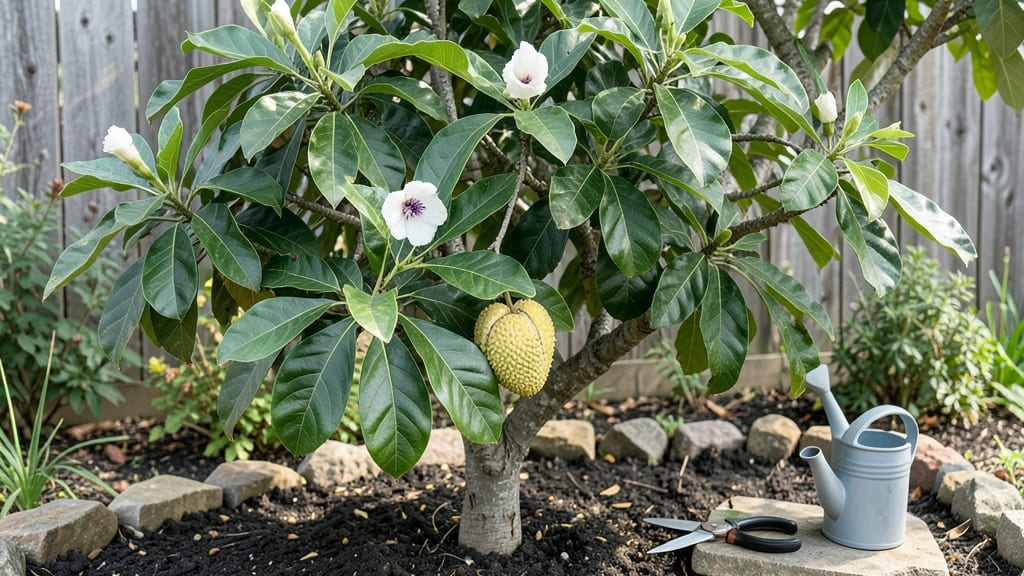
Growing custard apple plants means tropical fruit right in your backyard—creamy, fragrant flesh that tastes like dessert come to life. 🌿 I’ve grown both Annona reticulata (bullock’s heart) and Annona squamosa (sugar apple), and the key to success starts with mimicking their natural jungle habitat.
These plants thrive where temperatures stay above 60°F year-round, so if you’re in zones 10-11 or a warm microclimate, you’re already ahead of the game.
The tricky part isn’t just heat—it’s humidity and soil. They hate soggy roots but need consistent moisture, so well-draining soil mixed with compost is non-negotiable. I’ve seen custard apples struggle in heavy clay unless amended properly, and container growing works surprisingly well for small spaces or cooler climates.
Just pick a pot at least 2 feet wide and use a fast-draining mix with perlite.
By the time your plant hits its second year, you’ll start seeing those signature scaly fruits forming—each one packed with sweet, custard-like segments. With the right care, a mature tree can produce 50-100 pounds of fruit annually, and the best part?
They’re self-pollinating, so no bees required. The first harvest usually comes in late summer, but patience pays off—young trees take 2-3 years to bear fruit reliably.
Here’s the thing about custard apples: they’re finicky but forgiving once you understand their quirks. Pests like fruit flies and root rot are the biggest threats, but a little preventive care—like mulching and proper drainage—keeps them at bay.
If you’ve ever dreamed of growing your own tropical fruit without the hassle of a greenhouse, this is your chance. Let’s get those plants thriving!
📚 In This Guide
- What you need
- Instructions
- Tips and common mistakes
- Wrapping up and next steps
What you need
- ● Custard apple seeds or saplings: 1–3 seeds (if starting from scratch) or 1–2 young plants (for faster growth). Opt for organic, disease-free seeds or nursery-grown saplings.
- ● Well-draining potting mix: 5–10 gallons, blending coco coir, perlite, and compost (ratio: 40% coco coir, 30% perlite, 30% compost). Avoid heavy clay soils.
- ● Containers or garden space: For seedlings: 5–7 inch pots (2–3 pots per seed) with drainage holes.
- ● For mature plants: 15+ gallon containers or a sunny, sheltered garden bed (6’x6’ minimum space per plant).
- ● Fertilizer: Balanced organic fertilizer (e.g., 10-10-10 NPK) or worm castings (1 cup per plant every 4–6 weeks). Slow-release options like osmocote are ideal.
- ● Basic gardening tools: Trowel, pruning shears, and a watering can (or hose with gentle spray nozzle).
- ● pH testing kit: To ensure soil pH is between 6.0–7.0 (custard apples thrive in slightly acidic to neutral soil).
- ● Mulch: Organic mulch (e.g., straw or shredded leaves) to retain moisture and regulate temperature.
- ○ Support stakes or trellis: Optional for heavy branches (install as plants reach 3–4 feet tall).
- ● Climate: USDA Zones 10–12 (or indoor grow lights for cooler climates). Custard apples cannot tolerate frost!
- ● Sunlight: Full sun (6+ hours daily) or bright indirect light for container plants.
- ● Humidity: 60–80% (use a humidifier or mist leaves in dry climates).
- ● Water source: Access to filtered or rainwater (avoid chlorinated tap water).
- ● Growth regulators (e.g., seaweed extract) to boost flowering.
- ● Pollination aid: A small paintbrush to hand-pollinate flowers if bees are scarce.
- ● Drip irrigation system for automated watering.
- ● Companion plants: Citrus trees or banana plants (they share similar care needs!).
Step-by-step instructions for growing custard apple plants
Here’s how to nurture these tropical gems from seed to fruit-bearing maturity.
🌱 Step 1: Prepare Seeds and Planting Medium
Custard apple seeds germinate best when pre-soaked to soften their tough outer shell. Place the seeds in a bowl of lukewarm water for 24 hours, then transfer them to moistened seed-starting mix in small pots. The mix should feel like a damp sponge—squeeze it gently to test; if water drips out, it’s too wet.
Use a pencil or your finger to create a ½-inch-deep hole in the soil, place one seed inside, and cover it lightly. Avoid pressing down too firmly—you want the soil to stay loose for tender roots. Label each pot with the planting date, as germination can take 3-6 weeks, depending on temperature.
☀️ Step 2: Provide Warmth and Humidity for Germination
Custard apple seeds thrive in 75-85°F soil temperatures, so place the pots in a warm, humid environment. A seedling heat mat set to 80°F speeds up germination, but if you don’t have one, a sunny windowsill or under a grow light works. Keep the soil consistently moist but never soggy—water when the top ½ inch feels dry.
Cover the pots with clear plastic wrap to trap humidity, but remove it daily for 10 minutes to prevent fungal growth. Once sprouts appear, reduce humidity gradually over 3-5 days to harden them off. Watch for the first true leaves (the second set after the initial seed leaves)—this signals it’s time to move seedlings to individual containers.
🪴 Step 3: Transplant Seedlings to Larger Pots
When seedlings reach 4-6 inches tall with 4-5 true leaves, transplant them into 5-gallon pots filled with a well-draining potting mix. Choose containers with drainage holes to prevent root rot, which custard apples are prone to in waterlogged soil. Gently remove the seedling from its pot, loosen the roots if they’re circling, and place it in the center of the new container.
Fill around the roots with additional mix, pressing lightly to eliminate air pockets. Water thoroughly until it drains from the bottom, then let excess water run out. Place the pots in a location with bright, indirect light—direct sun can scorch young leaves. Avoid cold drafts, as custard apples prefer 65-85°F temperatures year-round.
💧 Step 4: Establish a Watering and Fertilizing Routine
Once transplanted, water custard apple plants when the top 1-2 inches of soil feel dry. These tropical plants love moisture but hate soggy roots, so aim for 1-2 inches of water per week, adjusting for humidity and temperature. During the growing season, fertilize every 4-6 weeks with a balanced, water-soluble fertilizer diluted to half strength to avoid burning delicate roots.
You’ll notice new growth within 2-3 weeks if conditions are ideal. Prune leggy stems to encourage bushier growth, and pinch back the tips of new shoots to redirect energy into root and fruit development. Keep an eye out for pests like spider mites—wipe leaves with a damp cloth if you spot webbing or tiny dots on the undersides.
⏰ Step 5: Prepare for Fruit Production
Custard apple plants typically take 3-5 years to bear fruit, but with patience and proper care, you’ll see the first signs of flowering. Once buds appear, ensure the plant gets full sun (6+ hours daily) and maintain consistent moisture. Hand-pollinate flowers by gently shaking the plant or using a small brush to transfer pollen between blooms.
Harvest fruits when they’re fully ripe—this usually means they’ve turned a deeper yellow or green, depending on the variety, and yield slightly to gentle pressure. Ripe custard apples release a sweet, intoxicating aroma, so trust your nose as much as your eyes. Store harvested fruit in the fridge for up to 1 week or eat it fresh for the creamy, tropical flavor.
Tips & tricks for perfect custard apple plant growth
Growing custard apple plants from seed rewards patience with tropical bounty—but these tropical gems demand specific care. Here’s how to maximize your success without common pitfalls.
Soaking Secret: That 24-hour soak in lukewarm water isn’t just about softening the seed shell—it also helps break dormancy by mimicking natural tropical rainfall patterns. I’ve found using filtered water prevents mineral buildup that could inhibit germination. After soaking, pat the seeds dry before planting to reduce fungal risks in the moist seed-starting mix.
Temperature Precision: Maintaining the 75-85°F soil temperature range during germination is critical because custard apple seeds are sensitive to cold. If your home stays below 70°F, place pots on a seedling heat mat set to 80°F or use a warm spot near an appliance (like the fridge). I’ve seen germination rates drop by 50% when soil temps fall below 72°F—don’t let that happen to your tropical dreams!
Transplant Timing: Waiting until seedlings reach 4-6 inches with 4-5 true leaves ensures they have enough energy reserves for the transplant shock. I’ve learned the hard way that rushing this step often leads to stunted growth. When transplanting to 5-gallon pots, use your finger to gently loosen any circling roots—this prevents girdling as the plant matures.
Fertilizer Strategy: The 4-6 week fertilization schedule works best when you use a balanced fertilizer diluted to half strength. I recommend applying it during the plant’s active growing phase (spring through summer) and withholding it during winter months when growth naturally slows. Always water thoroughly before and after fertilizing to prevent root burn in these sensitive tropical plants.
Pro Tips for Custard Apple Plants
- Growing custard apple plants from seed rewards patience with tropical bounty—but these tropical gems demand specific care.
- Soaking Secret: That 24-hour soak in lukewarm water isn’t just about softening the seed shell—it also helps break dormancy by mimicking natural tropical rainfall patterns.
- Temperature Precision: Maintaining the 75-85°F soil temperature range during germination is critical because custard apple seeds are sensitive to cold.
Frequently asked questions
Got questions about growing custard apple plants? You’re not alone!
Here are answers to the most common queries—from planting tips to troubleshooting—so you can cultivate these tropical gems with confidence.
How long does it take for a custard apple plant to bear fruit?
A custard apple plant typically takes 3 to 5 years to produce fruit from seed, but grafted trees can bear fruit in as little as 1.5 to 2 years. Patience is key—provide consistent care (sunlight, water, and nutrients) to speed up the process!
Can custard apple plants survive cold weather?
Custard apple plants (Annona squamosa) are tropical and thrive in USDA zones 10-11. They’re sensitive to frost—temperatures below 32°F (0°C) can damage or kill them. If you live in cooler climates, grow them in containers and bring them indoors during winter or plant them near a heat source.
What are the best companion plants for custard apple trees?
Custard apple plants love companions that repel pests or improve soil health. Try pairing them with:
- Marigolds (natural pest deterrent)
- Citrus trees (shared sunlight needs)
- Legumes like beans (nitrogen-fixing for soil)
- Basil or mint (complementary flavors + pest control)
Why are my custard apple leaves turning yellow or dropping?
Yellowing or dropping leaves usually signal overwatering, underwatering, or nutrient deficiencies. Check the soil—it should be moist but well-draining. Other culprits:
- Fungal diseases (like anthracnose): Prune affected leaves and apply fungicide.
- Pests (e.g., aphids, mites): Spray with neem oil or insecticidal soap.
- Nutrient deficiency: Fertilize with a balanced citrus/fruit tree fertilizer (high in potassium).
Can I grow custard apple plants in pots? What’s the best container size?
Yes! Custard apple plants thrive in containers, making them perfect for patios or small gardens. Use a pot at least 18–24 inches in diameter with drainage holes. Dwarf varieties (like Annona squamosa ‘Nana’) need slightly smaller pots (12–15 inches). Ensure the container has well-draining soil mixed with compost, and repot every 2–3 years as the plant grows.
Wrapping up and next steps
Growing custard apple plants is a rewarding journey that brings tropical beauty and delicious harvests to your garden! 🌿 Whether you're a seasoned gardener or just starting, these versatile companions thrive with the right care—think warm climates, well-draining soil, and a little patience.
Your efforts will soon be rewarded with fragrant blossoms and sweet, creamy fruit that’s perfect for sharing.
Ready to take the next step? Start small—plant one or two custard apple trees and watch your garden flourish! If you’re feeling ambitious, explore companion planting with other tropical favorites like mango or citrus to create a thriving edible ecosystem. Happy gardening! 🌱✨