
Companion Plants
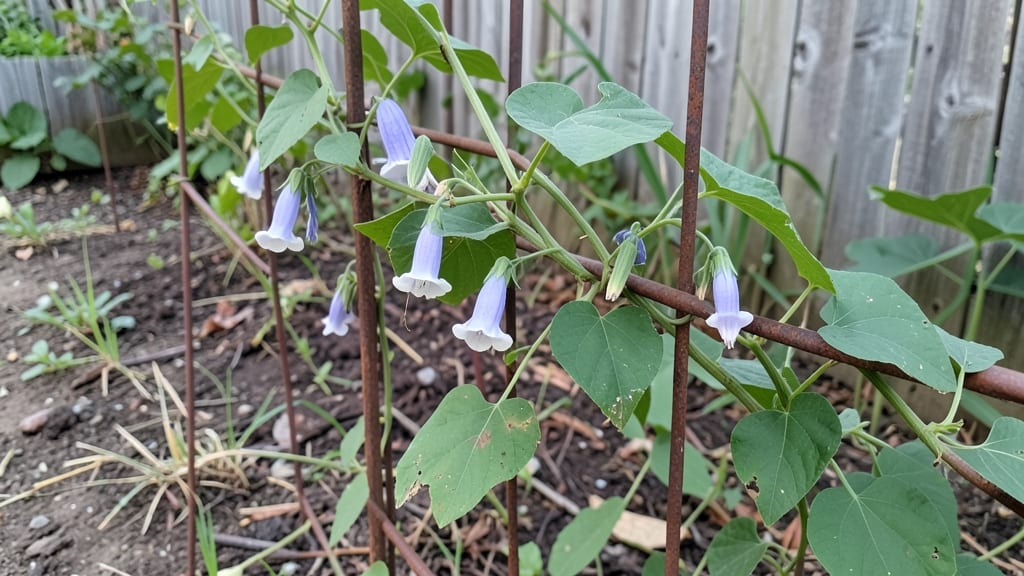
The plants of Cobaea scandens—the cup-and-saucer vine—transformed my shady corner into a lush vertical paradise. This fast-climbing beauty thrives where most vines give up, draping itself over trellises with delicate bell-shaped flowers that hummingbirds adore.
The key? A little patience and the right spot—it rewards you with 10-foot vines in a single season, even in partial shade.
You’ll need a sturdy trellis or pergola (metal or wooden works best), well-draining soil mixed with compost, and a spot that gets morning sun and afternoon shade. Water consistently but avoid soggy roots—this vine hates wet feet.
Prune leggy growth in spring to encourage bushier blooms, and watch it explode with pink, purple, or white flowers by midsummer.
The real magic happens when you see it in action: cascading tendrils of glossy leaves frame your patio, while the unusual cup-shaped blossoms add drama to any garden. It’s the perfect shade-loving climber for fences, arbors, or even hanging baskets—just give it something sturdy to grip.
Pair it with ferns or hostas for a woodland vibe, or let it tangle with roses for a romantic twist. Once established, it’s nearly maintenance-free—just watch it grow. Ready to bring vertical charm to your shady spots?
📚 In This Guide
- What you need
- Instructions
- Tips and common mistakes
- Wrapping up and next steps
What you need
- ● Cobaea scandens seeds or young plants: 3–5 seeds (or 1–2 nursery-grown plants) for a balanced display. Opt for organic, non-GMO seeds for best results.
- ● Well-draining potting mix: 5–10 gallons (for containers) or amend garden soil with compost (50% soil, 50% organic matter) to improve moisture retention.
- ● Support structure: Trellis (4–6 ft tall) or obelisk for vertical growth.
- ● Or, a sturdy permanent fence/post (if planting in-ground).
- ● Watering can or hose with gentle spray nozzle: Cobaea loves moisture but hates soggy roots!
- ○ Mulch (optional but recommended): 2–3 inches of shredded bark or straw to retain humidity and suppress weeds.
- ● Gloves (gardening or nitrile) to protect hands from thorns.
- ● Trowel or small shovel for planting.
- ● Pruning shears (sterilized) for trimming dead growth.
- ○ Sunlight meter (optional): Ensure your spot gets dappled shade to partial sun (2–4 hours/day).
- ○ pH test kit (optional): Ideal soil pH: 6.0–7.0. Amend with lime or sulfur if needed.
- ● Slow-release fertilizer (balanced 10-10-10) for a nutrient boost during growing season.
- ● Self-watering planter if you’re prone to forgetful watering.
- ● Companion plants: Pair with hostas, ferns, or impatiens for a lush, shade-loving display!
Instructions for establishing cobaea scandens in your garden
This shade-loving climber delivers dramatic, bell-shaped blooms with minimal fuss once properly established.
Select and Prepare the Planting Site
Cobaea scandens thrives in partial to full shade, making it perfect for northern exposures or woodland gardens. Choose a location with well-draining soil—this plant despises soggy roots. If your soil is heavy clay, amend it with 2-3 inches of compost worked into the top 12 inches of soil to improve aeration and moisture retention.
Since cobaea is a vigorous climber, install a trellis, arbor, or sturdy fence within 3-4 feet of the planting spot. The vines can reach 10-15 feet in a single season, so ensure your support structure is at least 6 feet tall and can handle the weight. I like to use powder-coated metal trellises because they resist rust and provide years of support.
Plant Seeds or Transplants at the Right Time
For best results, sow seeds 4-6 weeks before your last frost date indoors or directly outdoors after soil temperatures reach 60°F. Cobaea seeds germinate best in warm conditions—I use a seedling heat mat set to 75°F to speed up germination, which typically occurs in 10-20 days. If starting from transplants, choose 4-6 inch tall specimens with healthy foliage and no signs of disease.
Dig a hole twice as wide as the root ball but only as deep as the container. Gently remove the plant from its pot and loosen any circling roots with your fingers. Place the plant in the hole so the top of the root ball sits level with the surrounding soil. Backfill with native soil, pressing lightly to eliminate air pockets. Water deeply to settle the soil and encourage root contact.
Provide Support and Encourage Climbing
As soon as the plant reaches 6-8 inches tall, guide the main stem along the trellis or support structure. Cobaea vines are twining climbers, meaning they coil around structures naturally, but young plants need gentle encouragement. I tie the stem loosely with soft plant ties or jute twine every 12-18 inches until the vine can support itself.
Prune any side shoots that emerge below the first 2 feet of growth to direct energy upward. This ensures the plant devotes resources to reaching the trellis and producing showy, cascading flower clusters. Once established, the vine will climb 3-4 feet per season, so avoid over-pruning—let it grow vigorously for maximum impact.
Water and Fertilize for Optimal Growth
Water deeply once a week during the first growing season, allowing the top 2-3 inches of soil to dry out between waterings. Cobaea scandens is drought-tolerant once established but benefits from consistent moisture during its first year. I use a soaker hose to deliver water slowly at the base, which prevents fungal issues that can arise from overhead watering.
Feed with a balanced, slow-release fertilizer (10-10-10) at planting time, then again in early summer. Avoid high-nitrogen fertilizers, which promote leafy growth at the expense of flowers. Instead, switch to a low-nitrogen, high-phosphorus formula (5-10-10) once blooms appear to encourage more vibrant flowers. Mulch with 2-3 inches of organic mulch around the base to retain moisture and suppress weeds.
Prune and Maintain Through the Season
Deadhead spent blooms regularly to encourage continuous flowering from mid-summer until frost. Cobaea scandens produces pendulous, bell-shaped flowers that can become heavy—trim back leggy growth in late summer to redirect energy toward new blooms rather than excessive vine length.
In early spring, prune back any damaged or weak stems to 12-18 inches from the base. This rejuvenates the plant and promotes bushier growth. If your climate experiences hard freezes, protect the base with a thick layer of mulch (4-6 inches) to insulate the roots. While cobaea is perennial in USDA zones 9-11, it often self-seeds prolifically, making it easy to naturalize in favorable conditions.
Tips & tricks for perfectly establishing cobaea scandens
Here's what I've learned over the years to help your shade-loving climber thrive from the very beginning.
Soil Preparation Insight: When amending heavy clay soil with compost, work it into the top 12 inches thoroughly—don't just top-dress. I've found that cobaea roots spread horizontally, so proper soil aeration at this depth prevents root rot and encourages vigorous growth. The 2-3 inches of compost should be evenly distributed, not just piled around the planting hole.
Germination Strategy: The 75°F heat mat is crucial for breaking seed dormancy, but don't be discouraged if germination takes the full 20 days. I've seen seeds sprout as early as 7 days with consistent warmth, but patience pays off. Place your seed trays in indirect light during this period—direct sun can cause seedlings to stretch too quickly before they're strong enough to support themselves.
Support Structure Wisdom: For the trellis placement within 3-4 feet, I recommend positioning it slightly closer to the north side of your planting spot. This helps the vine reach sunlight more efficiently as it grows upward, especially in northern exposures where light is more limited. Powder-coated metal trellises are my top recommendation because they resist rust and provide consistent support as the vine grows to its full 10-15 feet potential.
Watering Technique: The once-weekly deep watering is perfect, but timing matters just as much as quantity. I water in the early morning to allow foliage to dry completely before evening, which prevents fungal issues that can plague climbing plants. The soaker hose method is ideal because it delivers water directly to the roots without wetting the leaves, creating the perfect conditions for healthy growth.
Pro Tips for Cobaea Scandens Plants
- Here's what I've learned over the years to help your shade-loving climber thrive from the very beginning.
- Soil Preparation Insight: When amending heavy clay soil with compost, work it into the top 12 inches thoroughly—don't just top-dress.
- Germination Strategy: The 75°F heat mat is crucial for breaking seed dormancy, but don't be discouraged if germination takes the full 20 days.
Frequently asked questions
How fast does Cobaea scandens grow, and how much space does it need?
Cobaea scandens is a fast grower—expect 10–15 feet per season with proper support! Plant it 3–5 feet from a trellis, fence, or arbor to give roots room to spread. In tight spaces, prune regularly to control vines (but don’t cut back too hard—it blooms on new growth!).
When is the best time to plant Cobaea scandens, and how long until it flowers?
Plant in spring after the last frost or early fall in mild climates. With ideal conditions (partial shade, rich soil), you’ll see first flowers in 2–3 months! For faster blooms, start seeds indoors 8–10 weeks before transplanting.
Does Cobaea scandens tolerate drought or heavy rain?
While it’s drought-tolerant once established, consistent moisture is key for lush growth. Water deeply 1–2 times per week during dry spells, but avoid soggy soil—Cobaea hates root rot. Mulch heavily to retain moisture and protect roots in heavy rain.
What pests or diseases should I watch for with Cobaea scandens?
Common issues include:
- Aphids: Spray with soapy water or introduce ladybugs.
- Spider mites: Keep leaves damp; neem oil helps.
- Powdery mildew: Improve airflow and avoid overhead watering.
Can I grow Cobaea scandens in containers, or is it strictly a garden plant?
Yes! Use a large container (15+ gallons) with drainage holes and a trellis or obelisk for support. Choose a fast-draining potting mix and fertilize monthly during growing season. Containers dry out faster—water daily in hot weather.
Pro Tip: Deadhead spent blooms to encourage nonstop summer-to-fall flowers! And if your plant looks leggy, a light trim in early spring promotes bushier growth.
Wrapping up and next steps
Ready to transform your shade garden into a lush, enchanting retreat? Cobaea scandens—with its stunning bell-shaped flowers and easygoing nature—is the perfect addition for adding vertical drama and color to dimmer spaces.
Whether you're a seasoned gardener or just starting, this climbing beauty rewards patience with breathtaking blooms and minimal fuss.
Now that you’re armed with everything you need to know—from soil prep to troubleshooting—take the next step! Start small: plant a single vine in a pot or along a trellis, and watch it thrive.
Before you know it, your garden will be a showstopper—and you’ll be the proud host of a botanical masterpiece. 🌿✨