
Diseases
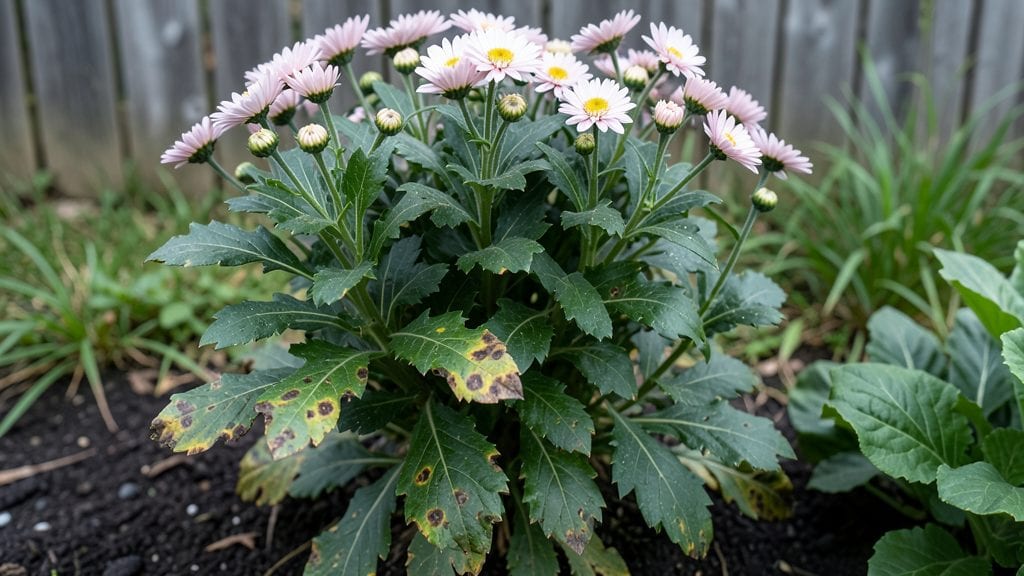
Chrysanthemum plant diseases can turn your fall garden into a sad, yellowing mess if you don’t catch them early. 🌼 I’ve had my share of battles with powdery mildew and rust—both of which can cripple blooms before they even open.
The key isn’t just spotting the problem, but understanding why it shows up in the first place.
Most issues start with too much moisture, poor airflow, or overcrowded plants. My chrysanthemums used to struggle until I adjusted watering to early morning and thinned out the stems.
A quick spray of neem oil or baking soda mix can stop mildew before it spreads, and copper fungicide handles rust like a champ—without harsh chemicals.
Once you recognize the signs—white powder, orange spots, or wilting leaves—you’ll act fast. The goal is to save your plants while keeping them healthy enough to rebound. With the right prevention, you’ll enjoy those vibrant fall blooms without the stress.
This works for both backyard gardens and container-grown chrysanthemums. The same principles apply whether you’re dealing with a single pot or a full border. Let’s get those plants thriving again!
Root Causes Of Chrysanthemum Struggles
Chrysanthemums are resilient, but their health can quickly decline when faced with the wrong conditions or unseen threats. Understanding why these diseases and pests strike is the first step to protecting your plants.
Below, we break down the most common culprits—from environmental stressors to microbial invaders—and explain the science behind their attacks.
Chrysanthemums thrive in cool to moderate temperatures (60–75°F / 15–24°C), but extremes—whether too hot or too cold—disrupt their natural defenses. High humidity (above 70%) creates the perfect breeding ground for fungal pathogens like Botrytis cinerea (gray mold) and Pythium species, which thrive in damp, stagnant air.
- Why it happens: Fungal spores germinate faster in warm, moist conditions. When nights stay damp and days are hot, the plant’s cuticle weakens, making it easier for pathogens to penetrate leaves and stems.
- Actionable insight: If your garden is prone to morning dew or poor airflow, space plants 18–24 inches apart and avoid overhead watering. A dehumidifier in greenhouses or a simple fan on low can reduce fungal pressure.
- Pro tip: 🌡️ Monitor your microclimate with a hygrometer—ideal humidity for chrysanthemums is 40–60%. If humidity spikes after rain, prune lower leaves to improve airflow.
Chrysanthemums hate soggy roots. When soil stays waterlogged, oxygen is cut off, and beneficial microbes that suppress pathogens (like Trichoderma) struggle to thrive. This creates a vacuum for root rot fungi (Phytophthora, Fusarium) and bacterial wilts (Ralstonia solanacearum).
- Why it happens: Waterlogged soil triggers anaerobic conditions, where harmful microbes outcompete beneficial ones. Weakened roots also release sugars that attract pests like slugs and nematodes, compounding the problem.
- Actionable insight: Test your soil’s drainage—if water pools after 2–3 hours, amend with perlite or coarse sand. Use raised beds or container growing if your native soil is clay-heavy.
- Pro tip: 💧 Water deeply but infrequently. Aim for 1–1.5 inches per week, and always water at the base (not leaves) to prevent foliar diseases.
Chrysanthemums are heavy feeders, but too much nitrogen (common in lawn fertilizers) leads to lush, weak growth—perfect for pests like aphids and spider mites. Conversely, phosphorus or potassium deficiencies weaken cell walls, making plants more susceptible to powdery mildew (Erysiphe cichoracearum) and leaf spot.
| Symptom | Likely Cause | Fix It With |
|---|---|---|
| Yellowing lower leaves | Nitrogen toxicity or overwatering | Flush soil with water, switch to balanced 10-10-10 fertilizer |
| Purple stems/leaves | Phosphorus deficiency | Apply bone meal or compost tea |
| Brown leaf edges | Potassium deficiency | Use wood ash or greensand |
Why it happens: Stress from poor nutrition disrupts the plant’s cuticular wax layer, making it easier for pathogens to enter. Additionally, salt buildup from synthetic fertilizers can burn roots, further weakening defenses.
Pro tip: ✨ Soil test first! Use a DIY test kit or send a sample to a lab. Chrysanthemums prefer slightly acidic soil (pH 6.0–6.5)—adjust with lime (to raise pH) or sulfur (to lower pH) as needed.
Chrysanthemums don’t just get sick from bad luck—they’re often invited in. Pruning wounds, insect bites, or even contaminated tools create gateways for diseases like Septoria leaf spot and bacterial blight (Xanthomonas campestris).
- Why it happens:
- Mechanical damage: Pruning with dull shears crushes cells, exposing them to pathogens. Thrips and spider mites also puncture leaves, creating entry points.
- Tool contamination: Reusing pruners on infected plants spreads bacterial ooze or fungal spores to healthy ones.
- Splashing water: Rain or overhead irrigation splashes spores from soil onto leaves, kickstarting infections.
- Actionable insight:
- ✂️ Sanitize tools between cuts with 70% isopropyl alcohol or a 10% bleach solution.
- 🌿 Prune strategically: Remove only 1/3 of the plant at a time, and avoid cutting into old wood (which heals poorly).
- 💦 Water at the base and use drip irrigation to prevent foliar contamination.
Pests like aphids, whiteflies, and spider mites don’t just sap nutrients—they transmit viruses (e.g., Chrysanthemum stunt virus) and create sticky honeydew that fosters sooty mold. A single infestation can turn a minor disease into a full-blown crisis.
- Why it happens:
- Viral vectors: Aphids feed on infected plants, then spread viruses to healthy ones via their stylets (mouthparts).
- Honeydew buildup: Sooty mold (Capnodium) grows on honeydew, blocking sunlight and clogging stomata, which strangles the plant.
- Stress from feeding: Mites and thrips puncture cells, releasing jasmonic acid—a plant stress hormone that suppresses immune responses.
Quick Fixes For Common Chrysanthemum Ailments
When your chrysanthemums show signs of distress, acting fast can save the day! Below are practical, organic solutions tailored to the most common diseases, along with prevention tips to keep your blooms thriving. 🌿💚
Fix It: Fungal diseases thrive in damp, crowded conditions, but you can starve them out with these steps:
- 🔥 Remove & Destroy Infected Foliage
- Snip off yellowed, spotted, or powdery leaves immediately (don’t compost them—fungi spread easily).
- Use sterilized pruners (wipe with rubbing alcohol between cuts) to avoid cross-contamination.
- 🍳 Homemade Fungicide Spray (DIY & Effective) Mix 1 quart water + 1 tbsp baking soda + 1 tbsp vegetable oil + a drop of dish soap in a spray bottle.
Shake well and apply early morning or late evening (avoid direct sun to prevent leaf burn). Reapply every 7–10 days until the problem clears.
- 🌡️ Improve Airflow & Light
- Space plants 12–18 inches apart to reduce humidity buildup.
- Prune overcrowded stems and thin out lower leaves to enhance airflow.
- Morning sun exposure (4–6 hours) helps leaves dry faster, deterring fungi.
✨ Prevention Tip:
- Water at the base (avoid overhead spraying).
- Rotate plants every few weeks for even sunlight exposure.
- Apply neem oil (1 tsp per quart of water) as a preventive spray every 2 weeks during humid months.
Fix It: Pests weaken plants and spread diseases—crush them early with these non-toxic methods:
- 👨🍳 Blast Them Off with Water
- Use a strong spray nozzle to dislodge aphids or spider mites from leaves. Do this 2–3 times a week until they’re gone.
- For stubborn mites, wipe leaves with a damp cloth dipped in soapy water (1 tsp mild soap per gallon).
- 🥘 Introduce Beneficial Insects
- Ladybugs and lacewings devour aphids—buy them online or attract them with dill or fennel plants nearby.
- Predatory mites (like Phytoseiulus persimilis) target spider mites. Release them at dusk when pests are active.
- 🔪 DIY Insecticidal Soap Mix 2 tbsp castile soap + 1 quart water in a spray bottle. Test on a small leaf first—some varieties are sensitive. Spray directly on pests (avoid blooms).
💡 Pro Tip:
- Yellow sticky traps catch whiteflies—hang them near plants to monitor infestations.
- Reflective mulch (aluminum foil or silver plastic) confuses whiteflies and reduces egg-laying.
Fix It: Bacterial diseases are tricky, but isolation and copper-based treatments can help:
- 🔪 Prune & Burn Infected Stems
- Cut off blackened or oozy stems (bacterial ooze is a red flag) below the infection with sterilized tools.
- Do NOT compost—burn or bag infected debris to prevent spread.
- 🍳 Copper Fungicide Spray (Best Organic Option) Use copper sulfate pentahydrate (1 tsp per gallon of water) or a commercial copper fungicide (like Copper Soap). Spray every 10–14 days until new growth appears healthy. ⚠️ Warning: Avoid spraying in high heat (can burn leaves).
- 🌡️ Adjust Watering Habits
- Water deeply but infrequently (1–2 times per week) to avoid soggy soil.
- Improve drainage by amending soil with perlite or compost (30% mix).
- Mulch with straw (not wood chips) to keep roots dry.
🎯 Prevention Tip:
- Rotate crops—don’t plant chrysanthemums in the same spot yearly (bacteria linger in soil).
- Sterilize tools after pruning with bleach (1 part bleach to 9 parts water).
If your chrysanthemum is weak but not critically diseased, try these quick boosters:
- 💪 Fertilize Lightly: Use a balanced organic fertilizer (5-5-5) diluted to half-strength.
Avoid high-nitrogen feeds—they encourage leafy growth over blooms. - 🥗 Repot if Needed: If roots are circling or soil is depleted, transplant to fresh potting mix with compost or worm castings. - 🌞 Give Them a Break: If overcrowded, divide the plant in spring—each section should have 3–5 stems.
🚀 Final Reminder: Most chrysanthemum diseases are preventable with good hygiene, airflow, and proactive care. Once you spot a problem, act fast—but don’t panic! Organic fixes work best when applied consistently. 🌸🔍
Frequently asked questions
1Why do my chrysanthemum leaves develop white powdery spots?
That’s likely powdery mildew, a fungal disease thriving in humid conditions. The white powder blocks sunlight, weakening your plant. Improve airflow by spacing plants 18–24 inches apart and spray with a baking soda mix (1 tbsp baking soda + 1 quart water + 1 tsp oil) every 7–10 days.
2Can I save a chrysanthemum with brown, mushy stems?
If stems are soft and blackened, it’s probably bacterial wilt or root rot. Prune infected stems below the damage with sterilized tools, then repot in fresh, well-draining soil. Add copper fungicide to prevent spread, and water only at the base to avoid soggy roots.
3How do I prevent chrysanthemum diseases before they start?
Focus on prevention: water at the base (not leaves), space plants for airflow, and rotate crops yearly. Use neem oil (1 tsp per quart of water) every 2 weeks during humid months, and remove fallen leaves/debris to reduce fungal spores.
4Are there organic treatments for chrysanthemum rust?
Yes! Rust appears as orange spots on leaves. Spray with a copper fungicide (1 tsp copper sulfate per gallon) or a garlic spray (blend 2 garlic cloves + 1 quart water, strain, and add 1 tsp soap). Prune infected leaves immediately and improve airflow to dry foliage faster.
5Why do my chrysanthemums get yellow leaves even with enough water?
Yellowing leaves often signal overwatering or nutrient deficiency. Check soil moisture—chrysanthemums prefer 1–1.5 inches of water weekly. If soil is soggy, improve drainage with perlite. For yellowing from deficiency, fertilize lightly with a balanced 5-5-5 organic blend.
- 🔥 Remove & Destroy Infected Foliage