
Companion Plants
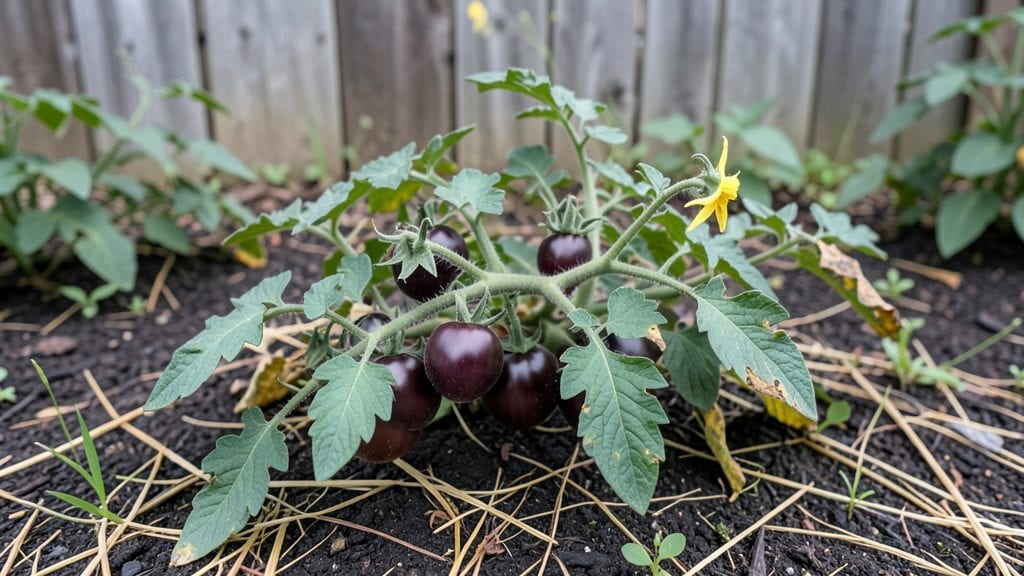
Growing chocolate tomato plants delivers a flavor so deep it’ll make your taste buds sing. 🌱 These heirlooms aren’t just pretty with their dark mahogany skins—they pack a rich, smoky-sweet taste that turns every slice into a dessert.
The secret? Mimicking their Mediterranean roots with well-draining soil, just enough sun, and a little extra care when summer heats up.
Start with a spot that gets at least 6-8 hours of sunlight daily, but protect them from scorching afternoon rays in hot climates. Amend your soil with compost before planting—these tomatoes thrive in loose, fertile ground that drains well.
I’ve found they reward patience with heavy, beefsteak-sized fruits that stay firm even when overripe, perfect for slicing or sauces.
Water consistently at the base (never the leaves) to prevent disease, and prune suckers aggressively to focus energy on fruit production.
The first harvest arrives around 75-80 days, but the real magic happens as vines mature—each tomato develops a deep, almost purple hue when fully ripe, with a flavor profile that rivals sun-dried tomatoes.
Watch for common tomato pests like hornworms and early blight, but these plants handle stress better than most varieties. With the right soil prep and a little TLC, you’ll be turning your garden into a year-round source of gourmet tomatoes that taste like a vacation to Italy.
Let’s get those seeds in the ground!
📚 In This Guide
- What you need
- Instructions
- Tips and common mistakes
- Wrapping up and next steps
What you need
- ● Chocolate tomato seeds or seedlings: Choose heirloom varieties like ‘Chocolate Cherry,’ ‘Black Krim,’ or ‘Indigo Rose’ (1-2 plants per container or 2-3 plants per square foot in the ground).
- ● Well-draining potting mix: 5-10 gallons of high-quality, organic mix (e.g., Miracle-Gro Organic Choice or a 60/40 blend of peat moss/compost and perlite).
- ● Containers (if not planting in-ground): 5-gallon fabric grow bags (1-2 per plant) or
- ● 12-18" diameter pots with drainage holes (1 per plant).
- ● Compost or aged manure: 1-2 cups per plant (rich in nitrogen and microbes).
- ● Balanced organic fertilizer: 10-10-10 or 5-5-5 (e.g., Dr. Earth Organic Tomato Fertilizer; 1 tbsp per plant at planting).
- ● Mulch: Straw or shredded leaves (2-3 inches thick to retain moisture).
- ● Garden trowel or transplant spade (for digging holes).
- ● Pruners or scissors (for trimming suckers and shaping plants).
- ○ pH test kit (optional but helpful; aim for 6.0–6.8).
- ○ Café au lait or cocoa powder (optional: 1 tsp per gallon of water for a chocolatey foliar spray to enhance flavor!).
- ● Drip irrigation or watering can (deep watering 1–2 times weekly).
- ● Companion plants: Basil, borage, or marigolds (plant nearby to deter pests and boost flavor!).
Step-by-step instructions for growing chocolate tomato plants
Here's how to coax those deep, velvety tomatoes from seed to vine with soil science that works.
🌱 Step 1: Start Seeds in Warm, Sterile Soil
Fill your 4-inch seed trays with a sterile seed-starting mix—never garden soil, which carries diseases that can rot tender seedlings. I like to add a handful of perlite to each tray to prevent compaction. Press the mix down gently until firm but not packed, then moisten it with warm water until it's damp 1 inch deep.
Plant 2-3 seeds per cell at a depth of just ¼ inch, barely covering them. Chocolate tomatoes germinate best at 75-85°F, so I use a seedling heat mat underneath the trays. Cover the entire setup with a clear plastic dome to trap warmth and moisture. You'll see sprouts in 7-10 days—watch for the first true leaves to emerge before thinning.
☀️ Step 2: Provide Strong Light and Prevent Legginess
Once seedlings break through the soil, move them 2-3 inches under a full-spectrum LED grow light for 14-16 hours daily. Chocolate tomatoes need intense light to develop their rich, complex sugars. I adjust the light height weekly to keep it just above the tallest leaves—too far away and stems stretch desperately toward the light.
You'll know your seedlings are thriving when they develop thick stems and dark green leaves spaced 1 inch apart. If leaves look pale or stems bend toward the light, lower the light immediately. Avoid cold drafts near the seedlings—they'll slow growth and make plants weak.
🪴 Step 3: Transplant to Larger Pots with Rich Soil
When seedlings have 4-5 true leaves (about 4-6 weeks after sowing), transplant them into 1-gallon containers filled with a mix of 50% potting soil, 30% compost, and 20% perlite. This blend ensures excellent drainage while retaining moisture—critical for chocolate tomatoes, which need consistent hydration to develop their deep flavor.
Dig a hole twice as wide as the root ball but no deeper, then place the seedling in and firm the soil around it. Water deeply until it drains from the bottom of the pot. After transplanting, keep plants in bright, indirect light for 3-5 days to reduce shock. You'll notice new growth within a week—that's your signal everything is working.
💧 Step 4: Feed and Water for Maximum Flavor
Chocolate tomatoes thrive on a balanced fertilizer (like 10-10-10) applied every 2-3 weeks once flowers appear. I mix the fertilizer into the top 1 inch of soil at the base of the plant to avoid leaf burn. Water deeply twice weekly, ensuring the soil dries slightly between waterings—soggy roots lead to blossom-end rot, which ruins fruit.
Here's the thing—chocolate tomatoes need full sun (6+ hours daily) and warmth (70-85°F) to develop their signature rich, cocoa-like flavor. If your tomatoes taste bland, they're not getting enough light or heat. Prune suckers (the small shoots in the leaf axils) to direct energy into fruit production, and remove any yellow leaves immediately—they drain the plant.
✂️ Step 5: Harvest and Extend the Season
Pick tomatoes when they're fully colored and slightly soft to the touch—usually 70-80 days after transplanting. I harvest in the morning when sugars are at their peak. To extend the season, move pots indoors near a sunny window or under grow lights when temperatures dip below 50°F. Chocolate tomatoes continue producing if given consistent light and warmth.
Real talk: these tomatoes are worth the effort. The deeper the red, the richer the flavor. Store harvested tomatoes in a cool, dry place (not the fridge) and enjoy them within 1-2 weeks for the best taste. With the right care, you'll get 4-6 pounds of tomatoes per plant—enough to share with neighbors who'll beg for your secrets.
Tips & tricks for growing chocolate tomato plants
These soil science secrets will transform your chocolate tomatoes from good to extraordinary.
Germination Conditions: The 75-85°F temperature range is non-negotiable for chocolate tomato germination. I've found that placing seed trays on a seedling heat mat with the plastic dome creates a perfect microclimate. If your home stays below 70°F, consider using a small greenhouse or even a sunny windowsill with a space heater nearby. The key is maintaining consistent warmth—fluctuations below 70°F delay germination by up to 3 days.
Light Management: Those critical 14-16 hours of daily light aren't just about duration—the quality matters too. I've learned the hard way that cheap LED bulbs can't replicate full-spectrum light. Invest in quality grow lights and adjust them weekly to maintain 2-3 inches above seedlings. The moment you see stems elongating dramatically (called legginess), lower the light immediately. This prevents weak stems that can't support the heavy fruit later.
Transplanting Strategy: The 4-6 week window for transplanting is actually a range you should watch closely. Look for seedlings with 4-5 true leaves AND stems thick enough to support themselves when touched. I've seen growers rush this step and end up with plants that flop over under the weight of tomatoes. The root ball should be firm but not compacted—gently squeeze the soil mix before transplanting to test its structure.
Season Extension: When temperatures dip below 50°F, don't just move plants indoors—create an optimal environment. Place them near a south-facing window where they'll get at least 6 hours of direct sunlight daily. Supplement with grow lights if natural light is insufficient. I've successfully kept chocolate tomatoes producing through winter by maintaining 70-85°F temperatures indoors and using reflective surfaces to maximize light exposure.
Pro Tips for Chocolate Tomato Plants
- These soil science secrets will transform your chocolate tomatoes from good to extraordinary.
- Germination Conditions: The 75-85°F temperature range is non-negotiable for chocolate tomato germination.
- Light Management: Those critical 14-16 hours of daily light aren't just about duration—the quality matters too.
Frequently asked questions
Got questions about growing chocolate tomato plants?
You’re not alone! Here are some of the most common queries—plus quick, no-fuss answers to keep your garden thriving.
How long does it take for chocolate tomatoes to ripen?
Patience is key! With proper care, chocolate tomatoes typically ripen in 70–85 days after transplanting. However, flavor peaks when they’re fully colored and slightly soft—so wait for that deep, rich hue. Pro tip: Warmth (70–85°F) speeds things up, while cooler temps delay ripening.
Can I grow chocolate tomatoes indoors?
These vining beauties thrive indoors with 10+ hours of sunlight daily (or a grow light). Use a 5-gallon container with drainage, and prune regularly to manage size. Just watch for pests—indoor plants can attract spider mites faster. Bonus: A trellis saves space and improves air circulation.
What’s the best companion plant for chocolate tomatoes?
Pair them with basil, marigolds, or onions to repel pests and boost flavor. Avoid planting near fennel or brassicas (like broccoli), which stunt growth. Fun fact: Basil near tomatoes can make them taste sweeter—nature’s flavor hack!
Why are my chocolate tomato leaves turning yellow?
Yellow leaves usually signal overwatering, nutrient deficiency, or fungal issues. Check soil moisture (top inch should dry between waterings) and ensure pots have drainage. Fix it: Apply a balanced fertilizer (like 10-10-10) and trim affected leaves to prevent spread.
Are chocolate tomatoes sweeter than regular tomatoes?
Yes! Their higher sugar content (thanks to the chocolate gene) delivers a richer, almost caramel-like flavor. They’re perfect for sauces, salsas, or eating fresh—just don’t overcook them to preserve that velvety taste. Pro move: Harvest when firm but fragrant for peak sweetness.
Wrapping up and next steps
Growing chocolate tomato plants is a rewarding journey that blends creativity with gardening—whether you're a seasoned green thumb or a curious beginner! 🌱 With the right companion plants, soil prep, and a dash of patience, you can enjoy year-round flavor bombs that taste like a sweet, smoky hug.
The key? Start small, stay consistent, and don’t hesitate to experiment with your garden’s layout.
Ready to take the next step? Pick a sunny spot, grab your seeds, and plant your first batch this season! Share your progress with fellow gardeners or dive deeper into companion planting guides for even more delicious pairings. Happy growing—your taste buds (and plants) will thank you! 🍫🍅