
Diseases
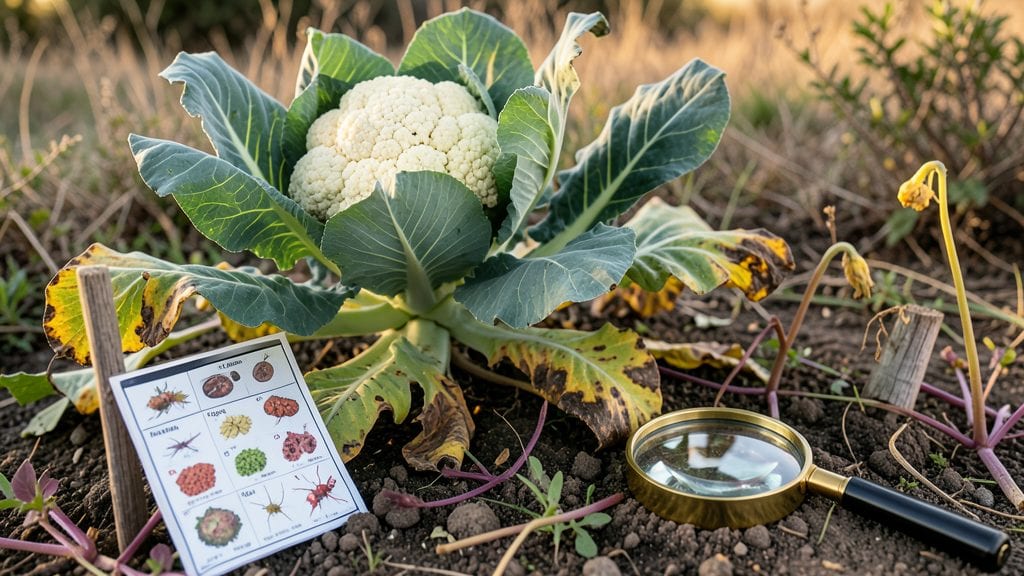
Cauliflower plant diseases strike fast when soil stays too wet or air can't circulate—clubroot and black rot are my biggest nemeses after three failed harvests. 🌱 The telltale signs are easy to miss until your plants look like they've been hit by a fungal blight overnight.
I've learned to check leaves for yellowing veins, stems for blackened patches, and roots for gnarled growth that screams "trouble." The good news? Most of these diseases respond quickly to the right moves—copper sprays for mildew, sulfur dust for clubroot, and proper spacing to let air move.
My biggest breakthrough came when I swapped heavy clay soil for a lighter mix with 30% compost, cutting down on moisture buildup. The key is acting before the disease spreads beyond the first few plants.
You'll save your entire crop by catching these early, and your cauliflower heads will stay firm, white, and disease-free all season. The secret weapon? A 12-inch spacing between plants and rotating crops every two years—simple changes that make all the difference. Let's get your plants back on track.
Here's the thing—most gardeners wait too long to treat fungal issues because they don't recognize the early warnings.
That's why I focus on the three most common culprits: clubroot (which twists roots like a corkscrew), black rot (which turns veins black as ink), and downy mildew (the fuzzy white growth on undersides of leaves). Each has a distinct look, and knowing them saves time and heartache.
Once you spot the problem, the fixes are straightforward: remove infected plants immediately, disinfect tools with rubbing alcohol, and apply organic sprays like neem oil or baking soda mixtures.
For prevention, I swear by mulching with straw to keep soil dry and planting disease-resistant varieties like 'Snowball Y Improved'—it's made all the difference in my garden.
This works whether you're growing in raised beds, containers, or the ground—just adjust your spacing and soil prep. The faster you act, the faster your plants bounce back. Let's turn those wilting heads into perfect, market-ready cauliflower before the season ends.
Root Causes of Cauliflower Ailments
Cauliflower plants are surprisingly delicate despite their hardy appearance, and their diseases often stem from a mix of environmental stress, microbial invasions, and poor cultural practices. Understanding why these issues arise is the first step to prevention and treatment.
Below, we break down the key culprits behind cauliflower diseases—from fungal pathogens to environmental triggers—and explain the science behind their attacks.
Fungi are the most common and destructive enemies of cauliflower plants. These microscopic invaders thrive in moist, warm conditions and exploit weak spots in the plant’s defenses. Here’s how they gain the upper hand:
- Spores Spread Like Wildfire: Fungal spores (like those from Alternaria or Botrytis) are lightweight and travel via wind, water, or even garden tools. Once they land on a susceptible host, they germinate and penetrate the plant through natural openings—like stomata (tiny pores) or wounds from pruning.
- High Humidity = Fungal Buffet: Fungi love humidity levels above 70%. In crowded gardens or greenhouses with poor airflow, spores multiply rapidly, creating a perfect storm for infections like downy mildew or gray mold.
- Old or Damaged Leaves Are Vulnerable: Fungal spores latch onto senescent (aging) leaves or those damaged by pests, hail, or improper harvesting. These weak points become entry gates for diseases like black rot.
💡 Pro Tip: Remove infected plant debris immediately and avoid overhead watering to keep spores at bay.
Cauliflower plants are sensitive to temperature swings and excessive moisture, which weaken their immune systems and invite diseases. Here’s how weather plays a role:
| Weather Factor | How It Weakens Plants | Resulting Diseases |
|---|---|---|
| 🔥 Heat Stress (Above 85°F) | High temperatures disrupt photosynthesis and cause leaf scorch, making plants more susceptible to Alternaria leaf spot. | Alternaria, Powdery Mildew |
| 🌧️ Prolonged Rain or Overwatering | Waterlogged soil and wet foliage create ideal conditions for fungal spores to germinate and spread. | Botrytis Gray Mold, Downy Mildew |
| ❄️ Cold Snaps (Below 50°F) | Chilling injuries stunt growth and reduce resistance, leaving plants open to black rot infections. | Black Rot, Clubroot |
🎯 Prevention Tip: Use row covers in extreme heat or rain, and ensure proper drainage to avoid waterlogged roots.
Healthy soil is the foundation of disease-resistant cauliflower plants. When soil conditions are off, plants become stressed and more prone to infections. Here’s what goes wrong:
- Compacted or Waterlogged Soil: Poor drainage leads to root rot (Phytophthora), which weakens the plant and opens doors for secondary fungal infections.
- Nitrogen Deficiency: Cauliflower is a heavy feeder, and low nitrogen slows growth, making leaves thin and more susceptible to downy mildew.
- Excessive Phosphorus: While phosphorus aids root development, too much can disrupt calcium uptake, leading to clubroot (a soil-borne disease caused by Plasmodiophora brassicae).
- Lack of Organic Matter: Soil low in compost or mulch has poor microbial activity, reducing beneficial fungi that outcompete pathogens.
✨ Soil Fix: Test your soil annually and amend it with compost, aged manure, and balanced fertilizers to keep nutrients in check.
Pests like aphids, cabbage worms, and flea beetles don’t just eat cauliflower—they create wounds that fungal spores exploit. Here’s how:
- Aphids and Cabbage Mites: These sap-sucking pests weaken plants by removing nutrients and excreting honeydew, which attracts sooty mold—a fungal growth that blocks sunlight and further stresses the plant.
- Flea Beetles: Their tiny holes in leaves create entry points for Alternaria and Botrytis spores.
- Slugs and Snails: They leave large, irregular holes that expose inner tissues to fungal infections like gray mold.
🔥 Pest Control Tip: Use row covers early in the season to block pests, and apply neem oil or insecticidal soap as a preventative measure.
Cauliflower plants need space to breathe—literally. Poor airflow creates a microclimate that traps moisture and fungal spores. Here’s why it’s a problem:
- Stagnant Air = Fungal Hotspot: Dense plantings prevent air circulation, keeping humidity high and allowing spores to linger on leaves.
- Wet Foliage Lingers: Without airflow, water droplets from irrigation or dew stay on leaves for hours, giving fungi like Botrytis the perfect environment to infect.
- Slow Drying After Rain: Crowded plants take longer to dry out, extending the window for fungal spores to germinate.
🌡️ Spacing Solution: Plant cauliflower heads 18–24 inches apart and avoid overhead watering to keep foliage dry.
Fixing Fungal Foes Fast
Now that you’ve spotted the trouble, it’s time to act! Fungal diseases in cauliflower can spread like wildfire if left unchecked, but with the right moves, you can save your crop and keep your garden thriving.
Below is your battle plan—practical, step-by-step solutions tailored to each common fungal threat, plus prevention tips to stop future outbreaks.
Cause: Plasma fungus thrives in soggy, compacted soil. Fix It: ✅ 🔥 Improve Drainage ASAP
- Amend soil with sand, perlite, or compost (20-30%) to loosen it.
- Raise beds or plant in containers if drainage is poor.
- Avoid overwatering—water deeply but infrequently (1-2 inches per week).
✅ 👨🍳 Rotate Crops & Sterilize Tools
- Never replant brassicas (cauliflower, cabbage, broccoli) in the same spot for 3+ years.
- Disinfect tools with 70% rubbing alcohol or a 10% bleach solution between uses.
✅ 🌡️ Boost Soil Health
- Add lime (pH 6.5-7.0) if soil is acidic—club root hates alkaline conditions.
- Use beneficial fungi like Trichoderma to outcompete the pathogen.
💡 Pro Tip: If your garden is heavily infested, consider cover cropping with clover or rye in the off-season to starve the fungus.
Cause: Xanthomonas campestris bacteria (often misdiagnosed as fungal) spreads via contaminated water and tools. Fix It: ✅ 🔪 Remove & Destroy Infected Plants
- Pull and bag any plants with V-shaped yellow leaves or black veins—do not compost them.
- Burn or trash severely infected foliage to prevent spread.
✅ 💦 Adjust Watering Practices
- Water at the base (not overhead) to avoid splashing bacteria.
- Use a soaker hose or drip irrigation to keep leaves dry.
✅ 🛡️ Copper-Based Sprays (Best Defense)
- Spray copper fungicide (1 tbsp per gallon of water) every 7-10 days at dawn or dusk (when humidity is high).
- Repeat after rain—it washes off quickly.
💡 Pro Tip: Isolate new plants for 2 weeks before mixing with existing crops to catch early signs.
Cause: Peronospora fungus loves cool, damp, shady conditions. Fix It: ✅ 🌬️ Improve Air Circulation
- Space plants 18-24 inches apart (cauliflower needs room to breathe!).
- Prune lower leaves to reduce humidity near the soil.
- Avoid planting under trees—shade traps moisture.
✅ 🍳 Baking Soda Spray (Cheap & Effective!)
- Mix 1 tsp baking soda + 1 tbsp horticultural oil + 1 tsp soap per gallon of water.
- Spray every 7-10 days, especially on undersides of leaves.
✅ 🌿 Preventative Fungicides
- Use neem oil (2 tsp per gallon) or serenade (plant-based fungicide) as a weekly preventative.
💡 Pro Tip: Harvest early if mildew appears—young cauliflower heads are less susceptible.
Cause: Erysiphe fungus thrives in warm, dry conditions (yes, it’s a paradox!). Fix It: ✅ 🧼 Scrub Off the Fungus
- Wipe leaves with a damp cloth to remove white powder.
- For bad cases, prune heavily infected leaves (but sterilize shears first!).
✅ 🍳 DIY Milk Spray (Yes, Really!)
- Mix 1 part milk to 9 parts water + a drop of dish soap.
- Spray every 3-5 days—milk contains natural fungicidal compounds.
✅ 🌿 Sulfur or Potassium Bicarbonate Sprays
- Wetable sulfur (1 tbsp per gallon) or potassium bicarbonate (1 tbsp per gallon) work well.
- Apply in the evening to avoid burning leaves.
💡 Pro Tip: Reflective mulch (like aluminum foil) can reduce mildew by 50% by increasing light and air flow.
No matter the fungus, these game-changers will dramatically reduce risks: 🔹 🌱 Choose Resistant Varieties – Look for ‘Snowball Y Improved’ or ‘Purple of Sicily’ (some are bred for disease resistance). 🔹 ⏰ Plant at the Right Time – Avoid cool, damp springs (peak fungal season). Late summer/early fall is ideal. 🔹 🌡️ Mulch Properly – Use straw or grass clippings (not wood chips) to keep soil dry without smothering plants. 🔹 🧼 Clean Up Debris – Remove all plant waste at season’s end to starve fungi overwintering in the soil. 🔹 🔄 Crop Rotation is Non-Negotiable – Never plant brassicas in the same spot two years in a row.
Final Thought: Fungal diseases are annoying but beatable—the key is speed and consistency. Act at the first sign, sterilize everything, and keep your plants happy and healthy (good air flow, proper watering, balanced soil). Your cauliflower will thank you with tight, disease-free heads! 🚀🥬
Frequently asked questions
What are the first signs of black rot in cauliflower plants?
Look for V-shaped yellow patches on older leaves that eventually turn brown and develop black veins. The disease often starts at the leaf edges and moves inward. If you see these symptoms, remove infected plants immediately to prevent spread.
Can I still save my cauliflower crop if clubroot is already present?
Yes, but act fast! Improve drainage by amending soil with sand or compost, raise beds if needed, and apply lime to adjust pH to 7.0. For severe cases, consider replanting in a different location next season and use disease-resistant varieties like 'Snowball Y Improved'.
How do I tell the difference between downy mildew and powdery mildew?
Downy mildew appears as fuzzy white or gray patches on leaf undersides and thrives in cool, damp conditions. Powdery mildew looks like white powdery coating on leaf surfaces and prefers warm, dry weather. Check both sides of leaves and note the growing conditions to make the distinction.
Will copper spray harm beneficial insects in my garden?
Copper sprays can be tough on beneficial insects if overused. Apply only when necessary (early morning or late evening) and avoid spraying flowers where bees forage. For a gentler approach, use neem oil or baking soda sprays as alternatives that are safer for pollinators.
How often should I rotate crops to prevent cauliflower diseases?
Rotate your cauliflower and other brassicas (like cabbage and broccoli) every 3-4 years to break the disease cycle. This prevents soil-borne pathogens from building up and gives you healthier plants. Keep records of where you plant each family to track rotations effectively.