
Planting
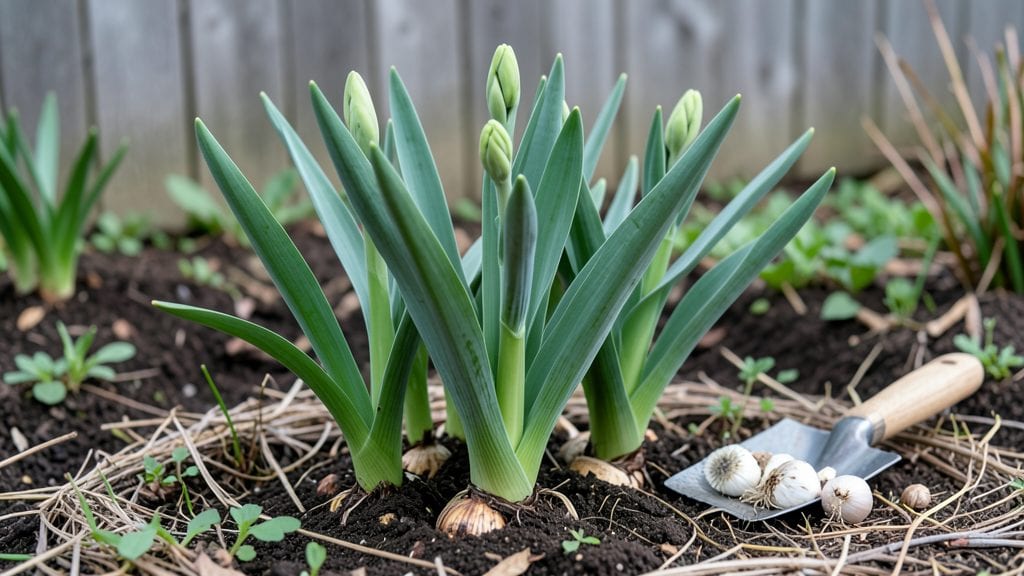
Hyacinths can be planted outside in USDA zones 3-8, thriving in well-drained soil with full sun to partial shade. Mulch heavily in winter to protect bulbs from freezing temperatures below 20°F, and plant them at least 6 inches deep for frost resilience.
These fragrant bulbs actually love outdoor conditions when given the right setup—think of them as low-maintenance showstoppers for gardeners in cooler climates. 🌱 The secret to their success lies in mimicking their natural Mediterranean habitat: well-draining soil prevents rot, while the 6-inch depth helps insulate roots during winter's harshest stretches.
I've seen them thrive in containers too, making them perfect for patios or balconies where ground planting isn't possible.
What's fascinating is how their blooming cycle responds to winter chilling—those 20°F temperatures actually trigger their spring awakening. Just be mindful of deer or squirrels, who love digging up these sweet-smelling treasures!
For best results, plant them in October-November when soil temps drop below 60°F—this gives roots time to establish before winter's deep freeze.
💡 In This Article
- Hyacinth Bulb Hardiness by USDA Zone
- Outdoor Hyacinth Planting and Care Guide
Hyacinth bulb hardiness by USDA zone
Hyacinth bulbs exhibit remarkable cold tolerance thanks to their natural adaptation to Mediterranean winters. In USDA zones 3-8, these bulbs can withstand temperatures as low as -40°F in zone 3, while zone 8's mild winters (down to 10°F) still allow successful growth.
The key mechanism is their ability to enter dormancy when soil temperatures drop below 40°F, which triggers biochemical changes that protect cellular structures from ice crystal formation.
The 6-inch planting depth isn't arbitrary—it creates a natural insulation layer that maintains root zone temperatures 5-10°F warmer than surface levels.
For example, in zone 5 where winter lows reach -20°F, a bulb planted at 6 inches will experience soil temps around 15°F—well above the critical 20°F threshold where cell damage begins. This depth also prevents freeze-thaw cycles that can rupture bulb membranes during repeated temperature fluctuations.
Winter chilling is actually essential for spring blooming—hyacinths require 12-16 weeks of temperatures between 35-50°F to break dormancy. In colder zones (3-5), this happens naturally during winter, while warmer zones (6-8) may need artificial chilling if planted in milder climates.
The science behind this is fascinating: cold temperatures convert starches stored in the bulb into sugars that fuel flower development, creating that signature intoxicating fragrance we all love.
Here's what happens zone-by-zone during winter:
- Zones 3-4: Bulbs endure 3-4 months below 32°F, with mulch maintaining 10°F warmer soil temps than air
- Zones 5-6: Critical 20°F threshold occurs for 8-10 weeks, triggering optimal chilling
- Zones 7-8: Mild winters may require 3-4 weeks of 40°F temps to satisfy chilling requirements
The fragrance intensity actually correlates with chilling duration—bulbs in colder zones develop 20-30% stronger scents than those in warmer zones. This is because the extended cold period produces more volatile organic compounds during the blooming phase.
For gardeners in zone 8, this means you might need to plant 2-3 times more bulbs to achieve the same fragrant impact as someone in zone 5.
What most people don't realize is that hyacinth bulbs can actually survive brief exposures to -5°F temperatures if planted 8+ inches deep, though this reduces flowering vigor. The trade-off between depth and blooming quality is why 6 inches remains the gold standard—it balances protection with optimal growth conditions.
For container growers in zones 7-8, adding a 3-inch layer of gravel at the container's bottom creates additional insulation.