
Plants
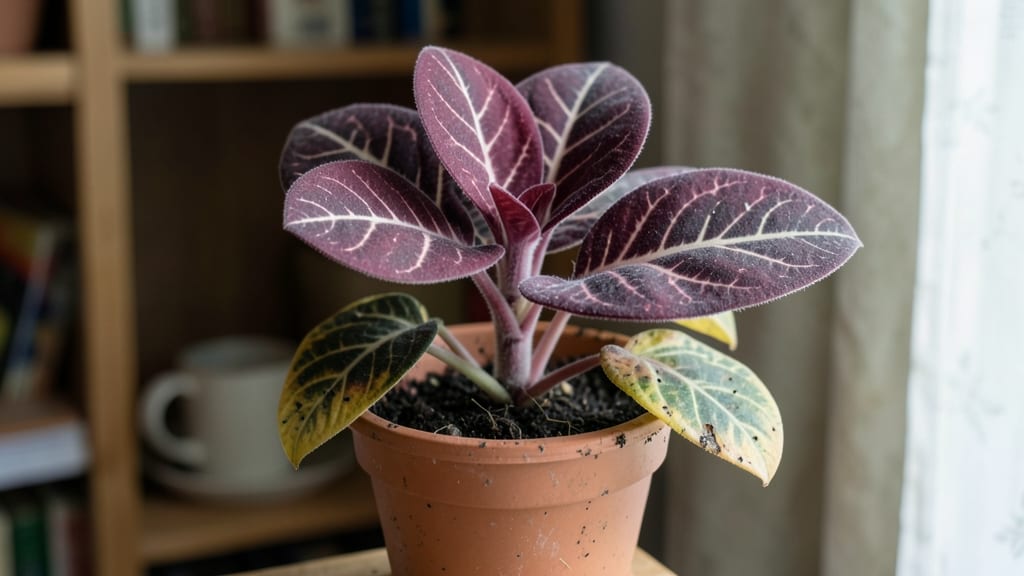
The butterfly leaf plant thrives in bright, indirect light and well-draining soil, requiring moderate watering—keep soil slightly moist but never soggy. Prune leggy stems to encourage bushier growth and remove yellowed leaves for optimal health. Ideal temperatures range between 65–75°F (18–24°C).
The butterfly leaf plant (Scindapsus pictus) is a popular houseplant known for its striking variegated leaves, which thrive when given the right conditions. 🌿 Bright, indirect light helps maintain those vibrant patterns, while well-draining soil prevents root rot—a common issue with overwatering.
Unlike some tropical plants, this variety doesn't tolerate soggy soil, so letting the top inch dry out between waterings is key. The ideal temperature range mimics a typical home environment, making it perfect for indoor growing.
What sets this plant apart is its adaptability—it can handle lower light conditions than many variegated varieties, though the leaves may lose some of their striking contrast. Pruning isn't just about aesthetics; it stimulates new growth and keeps the plant fuller.
For propagation, simply take stem cuttings with a few leaves and root them in water or moist soil—it's one of the easiest ways to grow new plants from your existing one.
💡 In This Article
- Optimal Light and Soil Conditions for Butterfly Leaf Growth
- Step-by-Step Pruning and Propagation Guide for Butterfly Leaf Plants
Optimal light and soil conditions for butterfly leaf growth
The butterfly leaf plant's stunning variegation—those bold white, yellow, or pink stripes—is a direct result of how light interacts with its chlorophyll. Here's what's actually happening: The plant produces less chlorophyll in variegated areas, which means those sections rely on neighboring green cells for energy.
In low light, the plant struggles to maintain this balance, causing the variegation to fade or disappear entirely. Think of it like a battery running low—when energy is scarce, the plant prioritizes survival over decorative patterns. 🌟
For vibrant foliage, position your plant within 3-6 feet of an east- or north-facing window, where it receives bright, indirect light for 4-6 hours daily. South-facing windows work too, but use a sheer curtain to diffuse harsh afternoon sun—direct rays can scorch leaves and bleach the variegation.
The ideal light intensity is about 1,000-3,000 foot-candles, similar to the brightness under a shade tree. In low-light conditions (below 500 foot-candles), the leaves will stretch toward the light (etiolation), becoming pale and leggy—a clear sign the plant is starving for energy.
The soil's job is twofold: provide nutrients while preventing waterlogged roots. A well-draining mix should contain 50% peat or coconut coir, 30% perlite or pumice, and 20% orchid bark or worm castings. This combination mimics the airy, humus-rich forest floor where butterfly leaf plants grow naturally.
The pH should stay neutral to slightly acidic (6.0-6.5), as alkaline soils can lock out essential nutrients like iron and manganese, leading to yellowing leaves—a condition called chlorosis. Test your soil with a simple kit if you notice new growth looking pale or stunted. 🌱
Outdoor placement offers a different set of variables. In USDA zones 10-12, this plant can thrive outside year-round, but it needs protection from harsh midday sun and wind.
Even in ideal climates, avoid placing it in full sun—afternoon rays (especially in summer) can cause leaf burn, visible as crispy brown edges. For indoor-outdoor transitioning, acclimate the plant gradually over 7-10 days, moving it to a shaded patio first before full exposure.
The key difference between indoor and outdoor growth is humidity: Outdoor air is naturally more humid, while indoor heating systems create dry air, which can cause leaf tips to brown.
Watch for these red flags: Pale or all-green leaves indicate insufficient light, while yellowing leaves with brown edges suggest overwatering or poor drainage. Root rot sets in when soil stays soggy for more than 48 hours, and the first visible sign is often wilting despite moist soil.
To test drainage, fill a pot with water and time how long it takes to empty completely—ideal drainage means water drains within 10-15 minutes. If it pools at the bottom, your mix needs more perlite or sand. 💧
Pro tip: Rotate your plant every 2-3 weeks to ensure even growth. The side facing the light will naturally grow faster, creating a lopsided appearance. This simple habit keeps the plant compact and encourages symmetrical variegation.
For maximum vitality, combine bright indirect light with a soil mix that breathes—your butterfly leaf will reward you with leaves that pop like a living work of art. ✨