
Lawn
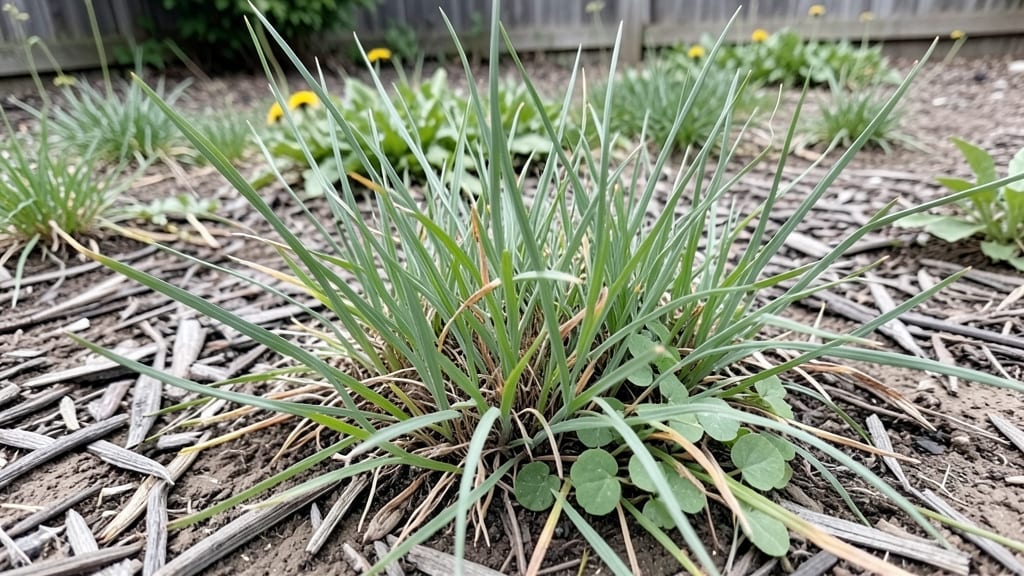
Your brown grass plant isn’t a lost cause—it’s just calling for a little attention. 🌱 I’ve nursed back more lawns than I can count, and the key is figuring out whether your grass is thirsty, stressed, or fighting something serious.
The good news? Most brown patches respond to simple fixes like watering, mowing adjustments, or a quick nutrient boost.
The first step is diagnosing the problem. Is the brown patch dry to the touch? That’s usually dehydration. Yellowing with a mushy feel? Fungal infection might be at play. Or maybe it’s just compacted soil starving the roots.
I’ll walk you through how to tell them apart and what to do next—no guesswork, just actionable steps that actually work.
By the end, you’ll know exactly how to coax your lawn back to that vibrant green. We’re talking deeper roots, thicker growth, and a lawn that stays resilient through droughts and heatwaves. The best part? You’ll spot early warning signs next time and fix them before they spread.
For stubborn cases or if you’re unsure, I’ll let you know when to call in a pro. But trust me—most brown grass can bounce back with the right care. Let’s get your lawn thriving again.
Understanding Root Causes
When your once-vibrant lawn starts turning brown, it’s often a cry for help from your grass plants. But what’s really behind that dull, dry look? Let’s break down the key culprits causing brown grass—so you can tackle the problem at its source.
Grass plants thrive on consistency, and watering is their lifeline. Overwatering or underwatering can both trigger browning, but the effects differ:
- Underwatering 🌵 - Grass blades lose their turgor (firmness) when dehydrated, causing them to curl and turn brown. - Root zone stress: Shallow roots can’t absorb moisture efficiently, leading to wilting and eventual browning. - Actionable fix: Water deeply 1–1.5 inches per week (including rainfall).
Early morning is best to reduce evaporation.
- Overwatering 🌧️ - Excess moisture suffocates roots by displacing oxygen, leading to anaerobic conditions (roots can’t breathe). - Fungal diseases like brown patch or dollar spot thrive in soggy soil, killing grass patches. - Actionable fix: Improve drainage with sand or compost.
Only water when the top 2–3 inches of soil feel dry.
Too much sun without relief can cook your grass, especially during heatwaves. Here’s how:
- Heat Stress 🔥
- Temperatures above 90°F (32°C) for prolonged periods cause oxidative damage in grass cells, turning blades brown.
- Dormancy: Some grasses (like Bermuda or Zoysia) go dormant in extreme heat, appearing brown but staying alive until cooler temps.
- Sun Scorch 🌞
- Young or thin grass in full sun may develop bleached or crispy patches from direct UV exposure.
- Actionable fix: Water deeply in the early morning to cool the lawn. Mow higher (3–4 inches) to shade roots.
Grass needs a balanced diet of nitrogen (N), phosphorus (P), and potassium (K) to stay green. Deficiencies show up as:
- Nitrogen Deficiency 🌱
- Leads to pale, yellowish-brown grass (not crispy—more like faded).
- Fix: Apply a slow-release nitrogen fertilizer (like 20-0-5) in early spring or fall.
- Potassium Deficiency ⚡
- Causes weak roots and brown tips (grass looks "burnt" at the edges).
- Fix: Use a potassium-rich fertilizer (like 0-0-30) or compost to rebuild root strength.
- Iron or Chlorophyll Issues 🍃
- Yellowing with brown patches? Iron deficiency (common in alkaline soils) prevents chlorophyll production.
- Fix: Apply chelated iron or sulfur to lower soil pH.
Unseen invaders can wreak havchavoc on your lawn. Watch for:
- Grubs 🐛
- White, C-shaped larvae eat grass roots, causing patches to pull up easily and turn brown.
- Fix: Apply beneficial nematodes or grub-specific insecticides in late summer.
- Fungal Infections 🍄
- Brown patch (circular brown rings) or dollar spot (straw-colored patches) thrive in humidity.
- Fix: Reduce evening watering, improve airflow, and apply fungicides if needed.
- Weeds Stealing Resources 🌿
- Crabgrass or clover compete for water/nutrients, stressing grass and causing browning.
- Fix: Apply pre-emergent herbicide in spring and hand-pull weeds.
Heavy foot traffic, clay soil, or construction can squeeze the life out of grass:
- Compacted Soil 🏋️
- Roots can’t penetrate dense soil, leading to shallow, stressed growth and browning.
- Fix: Aerate in spring/fall using a core aerator to create air pockets.
- Clay or Hardpan Layers 🪨
- Water pools on top, suffocating roots. Test soil drainage—if water sits after 6 hours, amend with sand or gypsum.
- Fix: Top-dress with compost to improve structure over time.
Not all brown grass is bad! Some types naturally go dormant in:
- Hot/Dry Summers 🌡️
- Cool-season grasses (like Kentucky Bluegrass) turn brown but recover when temps drop.
- Fix: Reduce mowing, avoid fertilizing, and water lightly to prevent stress.
- Winter Freeze ❄️
- Grass may brown but stays alive until spring. Don’t panic!
- Fix: Rake off heavy snow to prevent mold, but avoid disturbing dormant grass.
Before treating, dig up a small patch of brown grass to check:
- Roots: Healthy (white) or mushy (fungus)?
- Soil: Dry, wet, or compacted?
- Pests: Grubs, larvae, or weeds present?
Use this quick guide to narrow down the cause:
| Symptom | Likely Cause | Solution |
|---|---|---|
| Uniform brown, crispy | Drought/heat stress | Deep watering + shade |
| Yellow with brown tips | Nitrogen deficiency | Fertilize with N-rich formula |
| Circular dead patches | Fungal disease | Fungicide + improve airflow |
| Pulls up easily | Grubs or compaction | Aerate + pest control |
| Bleached, straw-like | Dollar spot fungus | Reduce humidity + fungicide |
Revive Your Lawn Naturally
Brown patches in your yard don’t have to mean the end of your green oasis. With the right approach, you can nurse your grass back to health—and even prevent future issues.
Below, we’ve mapped out practical, step-by-step solutions tailored to the most common causes of brown grass, plus pro tips to keep your lawn thriving long-term.
Signs: Soggy soil, mushrooms, or dry, brittle blades.
How to Fix It:
- 🔥 Adjust your watering schedule – Water deeply 2–3 times per week (early morning is best) rather than daily shallow sessions. Aim for 1–1.5 inches of water per week, including rainfall.
- 🍳 Improve drainage – If your lawn stays soggy, aerate compacted soil and consider adding sand or compost to improve water absorption.
- 👨🍳 Test your soil – Use a moisture meter or the "squeeze test": Grab a handful of soil—if it crumbles easily, it’s dry; if it sticks together, it’s overwatered.
Prevention Tips: ✨ Install a rain gauge to track natural water input. ✨ Water only when needed—walk on the grass; if footprints stay, it’s time to water.
Signs: Crunchy, straw-like blades; slow recovery after walking.
How to Fix It:
- 🥘 Increase water gradually – If your grass is dormant, soak the root zone (4–6 inches deep) every 5–7 days until you see green shoots.
- 🔪 Mow higher in summer – Set your lawnmower to 3–4 inches to shade roots and retain moisture.
- 🌡️ Apply mulch or shade cloth – Protect high-traffic or sunny areas with straw mulch or temporary shade (30–50% coverage).
Prevention Tips: 💡 Choose drought-resistant grass types like Bermuda or Zoysia for hot climates. 🎯 Water before 10 AM to reduce evaporation.
Signs: Chewed blades, brown rings, or slimy patches.
How to Fix It:
- 🔪 Identify the culprit – Check for grubs (dig up a patch), fungal spots (dollar spots look like coins), or insects (aphids, chinch bugs).
- 🍳 Treat accordingly:
- Grubs? Apply beneficial nematodes or milky spore (organic options).
- Fungus? Use copper fungicide or baking soda spray (1 tbsp per gallon of water).
- Insects? Try neem oil or diatomaceous earth for natural control.
- 👨🍳 Reseed bare spots – After treating, spread high-quality grass seed and top with soil.
Prevention Tips: ✨ Aerate annually to reduce pest habitats. ✨ Avoid over-fertilizing—it attracts pests and fungus.
Signs: Yellow-brown patches, slow growth, or thin grass.
How to Fix It:
- 📊 Test your soil – Use a DIY kit or send a sample to a local extension office. Adjust pH (ideal: 6.0–7.0) with lime (to raise pH) or sulfur (to lower it).
- 💪 Fertilize smartly – Apply a slow-release, balanced fertilizer (16-4-8 or similar) in early spring and fall. Avoid summer feeding—it stresses grass.
- 🥗 Boost organic matter – Spread compost or topsoil (¼ inch thick) over the lawn, then rake in.
Prevention Tips: 🔥 Overseed thin areas in fall with a mix of cool-season grasses. 🎯 Use organic matter like grass clippings (left on the lawn) to enrich soil naturally.
Final Pro Tip: 🌿 Patience is key! Reviving brown grass takes 4–6 weeks of consistent care. Monitor progress and adjust as needed—your lawn will bounce back with the right TLC.
Frequently asked questions
Why does my grass turn brown in hot weather but grows back when it cools down?
This is completely normal for cool-season grasses like Kentucky Bluegrass or Fescue. When temperatures exceed 90°F (32°C), they enter dormancy to conserve moisture, turning brown but staying alive. Once temps drop below 80°F (27°C), they’ll green up again with proper watering (1 inch per week). Avoid fertilizing during dormancy—it stresses the grass further.
How can I tell if my brown grass is dead or just dormant?
Perform the tug test: Pull up a small patch of brown grass. If the roots are white and firm, it’s dormant. If they’re mushy or crumbly, the grass is dead. For dormant grass, water lightly (½ inch per week) and reduce mowing height. Dead grass won’t recover—reseeding will be needed.
Is it better to water my lawn every day for a little while or less often but deeply?
Always choose deep, infrequent watering. Shallow daily sessions encourage shallow roots and fungal growth. Instead, water 2–3 times per week for 15–20 minutes per session (or until 6–8 inches of soil are moist). Early morning (4–8 AM) is ideal to reduce evaporation and disease risk.
What’s the fastest way to fix brown patches caused by grubs?
Start with beneficial nematodes (like Heterorhabditis bacteriophora) for organic control—apply in the evening when grubs are active. For faster results, use a grub-specific insecticide (e.g., imidacloprid) and follow up by aerating the lawn to help roots recover. Reseed bare spots with high-quality grass seed within 2 weeks for best results.
Can I use household items like vinegar or baking soda to fix brown grass?
Vinegar (acetic acid) will kill grass—it’s not a fix! Baking soda (1 tbsp/gallon of water) can help with mild fungal issues like dollar spot, but it’s not a cure-all. For nutrient deficiencies, use compost tea or fish emulsion instead. Always test small areas first to avoid damage.