
Plants
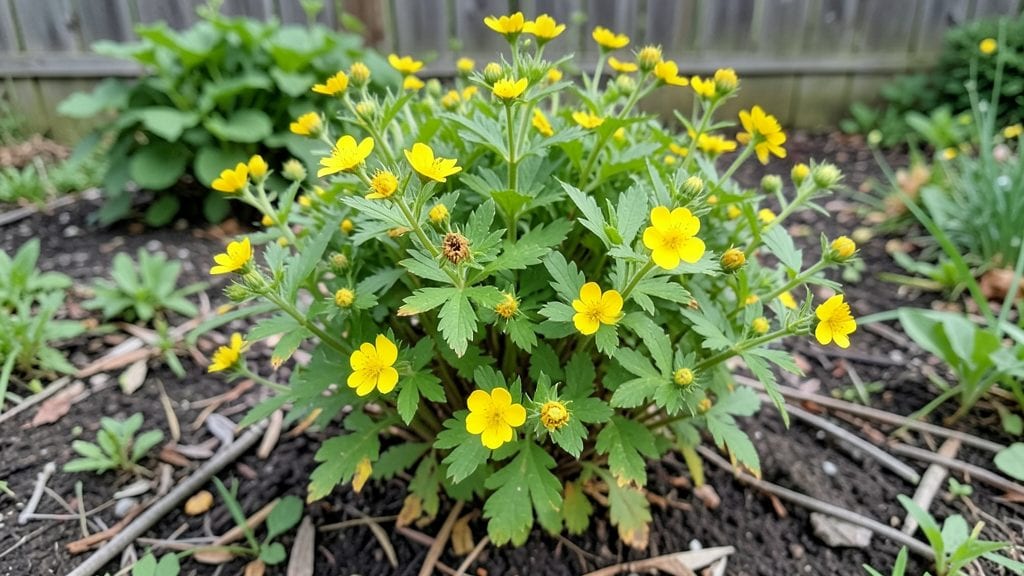
The American goldfinch plant (Lobelia cardinalis) thrives in moist, well-drained soil with partial shade, producing striking red blooms from summer through fall. Start seeds indoors 8-10 weeks before your last frost date or sow directly in spring, while maintaining even soil moisture to encourage strong germination and vigorous growth.
The American goldfinch plant (Lobelia cardinalis) isn't actually a finch—it's a stunning perennial with bright red, tubular flowers that attract hummingbirds. 🌸 This plant loves humidity and does best in USDA zones 3-9, where it can handle cooler climates better than many tropical flowers.
The key to keeping it blooming is consistent moisture without waterlogging, which can rot the roots. I've found that mulching around the base helps retain moisture while preventing weeds, and deadheading spent blooms encourages more flowers throughout the season.
💡 In This Article
- Ideal Growing Conditions for Lobelia Cardinalis
- Step-by-Step Lobelia Cardinalis Planting and Maintenance Guide
Ideal growing conditions for Lobelia cardinalis
This striking plant evolved in the moist, shaded environments of North America's eastern woodlands and wetlands, where it thrives in 60-70% humidity and partial sunlight. The native soil conditions—rich in organic matter with a slightly acidic pH (5.5-6.5)—mimic the damp, leaf-littered forest floors where it naturally grows.
What's fascinating is how its deep red flowers developed to attract hummingbirds in dappled sunlight conditions, which explains why direct sun can actually bleach the petals over time.
The plant's root system prefers consistent moisture but detests waterlogging, which is why well-drained soil is crucial. In its native habitat, Lobelia cardinalis grows alongside ferns and other moisture-loving perennials where the soil stays damp but never soggy.
The ideal moisture balance keeps the stems firm and upright rather than flopping, which is especially important during the peak bloom period (July-September) when the plant allocates energy to both flower production and root development.
Temperature plays a surprising role in bloom cycles—cool spring nights (50-55°F) followed by warm days (75-80°F) trigger the hormonal signals that initiate flowering.
This is why gardeners in USDA zones 3-9 often see more abundant blooms when plants experience these natural temperature fluctuations rather than constant warmth. The plant's ability to handle cooler climates (down to -30°F) makes it uniquely adaptable compared to many tropical flowers.
Partial shade (3-6 hours of morning sun) is actually a protective mechanism. The delicate petals contain anthocyanins that are sensitive to UV radiation, which can cause them to fade or develop brown spots.
In full sun, the plant will still grow but may produce fewer flowers and exhibit signs of stress like leaf scorch. The ideal light scenario mimics the filtered sunlight found under tall trees in its native habitat, where it receives bright but indirect light throughout the day.
For gardeners in drier regions (like the Southwest), creating a microclimate with mulch and drip irrigation can replicate these ideal conditions.
The mulch layer helps maintain 60-70% soil moisture while preventing evaporation, while drip irrigation delivers water directly to the roots without wetting the foliage—reducing the risk of fungal diseases that thrive in humid conditions.
This approach has helped me maintain vibrant Lobelia cardinalis plants in zone 7b with only 12 inches of annual rainfall.
What most people don't realize is how the plant's growth habit changes with light exposure. In full sun, Lobelia cardinalis tends to grow more upright with fewer side shoots, while in partial shade, it develops a bushier, more compact form with more flowering stems.
This is why gardeners often prune back the stems in early summer—it encourages the plant to branch out and produce more flowers in the second half of the growing season.