
Pruning
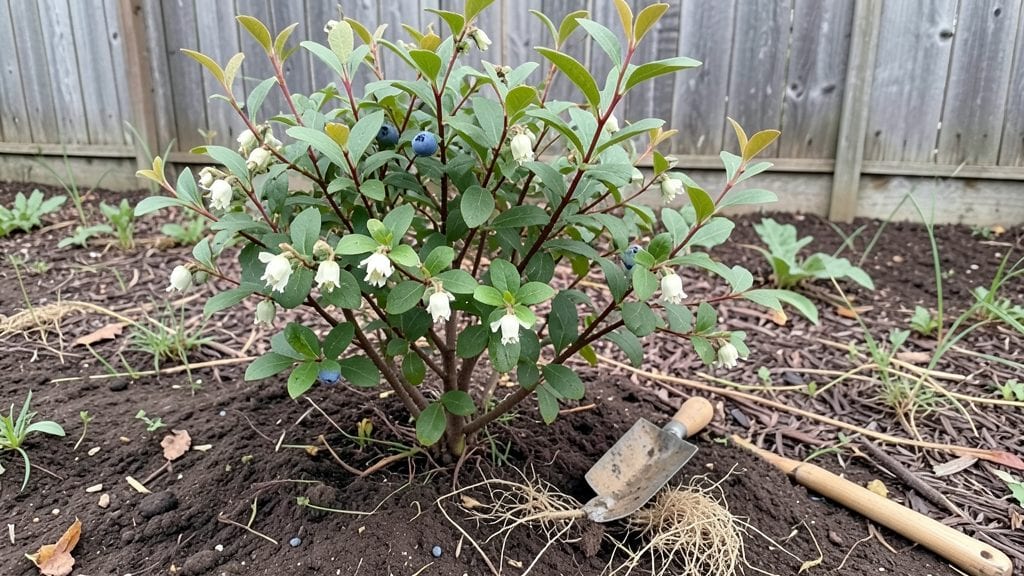
Mastering the blueberry bush planting requirements is your key to lush, fruiting shrubs—yet my first crop failed miserably when I skipped the acidic soil rule. 🌿 The difference between a thriving patch and a sad, sparse shrub comes down to these three non-negotiables: soil pH, sunlight hours, and proper spacing.
You’ll need well-draining, acidic soil (pH 4.5–5.5)—think pine mulch or peat moss mixed into your garden bed. Blueberries crave 6+ hours of direct sun daily, though afternoon shade helps in hot climates.
Space bushes 4–6 feet apart to give roots room to breathe, and avoid planting where tomatoes or peppers grew last year (they share soil diseases).
Water deeply once a week (more in summer) and mulch heavily to keep roots cool. The first year, focus on establishing roots—not berries. By year two, you’ll see clusters of jewel-toned fruit that taste like summer in a cup.
Patience pays off: well-cared-for bushes live 20+ years and produce more each season.
Regional tweaks matter: Northern gardeners plant in early spring; Southerners wait until fall to avoid heat stress. And never skip the soil test—cheap fixes like lime can ruin your crop. Once you’ve got these basics locked in, you’re set for decades of easy harvests.
📚 In This Guide
- What you need
- Instructions
- Tips and common mistakes
- Wrapping up and next steps
What you need
- ● Blueberry plants: 2–4 dwarf (1–2 ft tall) or semi-dwarf (3–4 ft tall) bushes (for pollination, choose one self-pollinating variety or two different types like ‘Duke’ + ‘Bluecrop’).
- ● Well-draining soil: Acidic (pH 4.5–5.5)—test with a soil pH kit ($10–$15).
- ● Organic matter: Peat moss or pine bark fines (1–2 bags, ~$15–$25) to amend soil.
- ● Fertilizer: Acid-loving plant fertilizer (e.g., Miracle-Gro Azalea/Camellia, 1 lb) or cottonseed meal (5 lbs).
- ● Mulch: Pine needles, wood chips, or shredded bark (2–3 cubic feet) to retain moisture and acidity.
- ● Tools: Garden trowel or spade
- ● Pruners (sterilized with rubbing alcohol)
- ● Gloves (to protect from thorns)
- ● Watering can or hose with soaker nozzle
- ● Location: Full sun (6+ hours/day) and protected from wind (e.g., near a fence or wall).
- ● Epsom salt: (1 cup) for magnesium boost (mix into soil at planting).
- ● Blueberry bush cages: (1–2, $15–$25) to deter birds and pests.
- ● Drip irrigation system: (for automate watering)—blueberries hate soggy roots!
- ● Aluminum sulfate: (1 lb) if soil pH is too high (follow package instructions).
- ● Compost tea: (homemade or store-bought) for a nutrient kick.
Step-by-Step instructions for planting blueberry bushes
Here’s how to plant blueberries for a thriving, productive shrub that’ll reward you with berries for decades.
🌱 Step 1: Choose the Perfect Planting Site
Blueberries demand full sun—at least 6-8 hours daily—and acidic soil with a pH between 4.5 and 5.5. Test your soil first; if it’s alkaline, amend with sulfur or peat moss before planting. I dig a hole twice as wide as the root ball but only as deep—planting too deep suffocates roots.
Space bushes 4-6 feet apart to allow airflow and prevent disease. If planting multiple bushes, stagger them in a U-shape to maximize sunlight exposure. Avoid low spots where water pools—blueberries hate soggy roots.
🪴 Step 2: Prepare the Soil and Plant
Mix 3 parts native soil with 1 part peat moss and 1 part compost in the planting hole. This ensures the right acidity and drainage. Gently remove the bush from its container, loosen tangled roots, and place it in the hole so the top of the root ball sits level with the soil surface—burying too deep strangles growth.
Backfill with the amended soil, pressing lightly to eliminate air pockets. Water deeply to settle the soil and remove any air gaps. Mulch around the base with 2-3 inches of pine needles or wood chips to retain moisture and acidify the soil over time.
☀️ Step 3: Water and Maintain Moisture
Water 1-2 inches per week, keeping the soil consistently moist but never waterlogged. Blueberries are shallow-rooted, so drip irrigation works best—it delivers water directly to the root zone without wetting foliage, which reduces disease risk. I check moisture by sticking my finger 1 inch deep; if it’s dry, it’s time to water.
For the first 4-6 weeks, water every 2-3 days to help roots establish. After that, adjust based on rainfall—blueberries tolerate brief dry spells better than soggy soil. Avoid overhead watering, especially in the evening, to prevent fungal issues.
✂️ Step 4: Prune for Shape and Productivity
Prune in late winter or early spring before new growth begins. Remove dead, diseased, or crossing branches, then cut back older canes to encourage new, fruiting wood. I aim to keep the bush open and airy—this prevents humidity buildup and makes harvesting easier. Never prune more than one-third of the bush in a single season.
Fertilize in early spring with an acid-loving plant fertilizer (look for one with low nitrogen—too much promotes leafy growth over fruit). Spread ½ cup per bush around the root zone, then water deeply to activate the nutrients. Skip fertilizer the first year—new plants need time to establish roots.
🍇 Step 5: Harvest and Plan for Next Year
Blueberries ripen in late spring to early summer, depending on your climate. They’re ready when they pop easily off the bush and turn a deep, uniform blue. Harvest in dry weather to prevent mold—wear gloves, as the stems stain hands.
After harvest, prune again to remove weak or overcrowded branches, then top-dress with 1-2 inches of fresh mulch. This protects roots in winter and keeps the soil acidic. By next spring, your bush will be stronger, and you’ll have even more berries to enjoy.
Tips & tricks for perfect blueberry bush planting
Here’s what I’ve learned after years of growing blueberries—these tricks will help you avoid common mistakes and set your bushes up for success.
Soil pH Precision: Testing your soil pH is non-negotiable. I use a simple test kit to confirm the reading—blueberries refuse to thrive above 5.5. If your soil tests higher, amend with sulfur or peat moss 2-3 months before planting to give it time to adjust. Think of it like prepping the perfect canvas for a masterpiece.
Root Ball Placement: In Step 2, when positioning your bush, don’t just eyeball the depth. The top of the root ball should sit level with the surrounding soil—burying it too deep suffocates roots while planting too shallow exposes them. I make a small mound of amended soil first, then place the bush on top before backfilling. This ensures perfect alignment every time.
Watering Strategy: Those first 4-6 weeks are critical for root establishment. I set up a simple drip irrigation system right away—it delivers water directly to the roots without wetting leaves, which prevents fungal diseases. Check moisture by sticking your finger 1 inch deep; if it’s dry, water immediately. Overhead watering in the evening is a recipe for disaster.
Pruning Insight: When pruning in late winter, focus on creating an open, airy structure. I remove any branches that cross or rub against each other—this prevents wounds that invite disease. Remember, you’re sculpting the bush’s future productivity, not just tidying it up. Never cut more than one-third of the bush in a single season to avoid shock.
Pro Tips for Blueberry Bush Planting Requirements
- Here’s what I’ve learned after years of growing blueberries—these tricks will help you avoid common mistakes and set your bushes up for success.
- Soil pH Precision: Testing your soil pH is non-negotiable.
- Root Ball Placement: In Step 2, when positioning your bush, don’t just eyeball the depth.
Frequently asked questions
Got questions about planting blueberry bushes?
You’re not alone! Here are answers to the most common queries to help you grow thriving bushes with minimal stress.
When is the best time to plant blueberry bushes?
The ideal time is early spring (just as buds swell) or fall (6–8 weeks before your first frost). Avoid planting in summer heat or winter freezes—roots need time to establish before extreme temperatures hit. Pro tip: If buying bare-root plants, soak roots in water for 2–4 hours before planting!
Can I plant blueberry bushes in containers or just in the ground?
Yes! Blueberries thrive in containers (use well-draining soil + acidic pH) or ground plantings. Containers work well for small spaces or renters—just ensure pots are at least 18 inches deep and have drainage holes. For ground planting, choose a sunny, sheltered spot with loose, acidic soil (pH 4.5–5.5).
Why aren’t my blueberry bushes producing fruit?
Common culprits include:
- Improper pH: Test soil—blueberries need acidic conditions. Amend with sulfur or peat moss if needed.
- Lack of pollinators: Most blueberries are self-pollinating, but planting two varieties nearby can boost yields.
- Young age: Bushes take 2–3 years to bear fruit after planting. Patience is key!
- Over-pruning: Prune in late winter to remove dead wood, but avoid cutting back too aggressively.
How far apart should I space blueberry bushes?
Spacing depends on the variety:
- Dwarf varieties: 3–4 feet apart (great for containers or small gardens).
- Standard bushes: 5–6 feet apart (allows airflow and sunlight).
- Spreaders (like ‘Duke’): 6–8 feet apart (they grow wide!).
Pro tip: Group bushes 3–5 feet apart in rows for easier harvesting and maintenance.
Are blueberry bushes prone to pests or diseases?
Yes, but most issues are preventable! Watch for:
- Birds: Use netting when berries ripen.
- Spider mites/scale insects: Spray with neem oil or insecticidal soap.
- Fungal diseases (like botrytis): Improve airflow with proper spacing and avoid overhead watering.
- Root rot: Ensure well-draining soil and avoid soggy conditions.
Regularly inspect leaves and berries—early action keeps bushes healthy!
Wrapping up and next steps
Planting a blueberry bush is a rewarding journey that combines patience, care, and a little sunshine—and you’re already on the right path! 🌱 By choosing the perfect location, preparing the soil, and selecting the right variety, you’ve set the stage for a thriving, year-round harvest.
Remember, these berries aren’t just delicious; they’re a labor of love that’ll pay off with bursting, juicy rewards.
Now that you’re equipped with the know-how, roll up your sleeves and get planting! Start small, track your progress, and soon, you’ll be savoring homemade blueberry jam, pies, or fresh snacks straight from your garden. Happy growing! 🍇✨