
Companion Plants
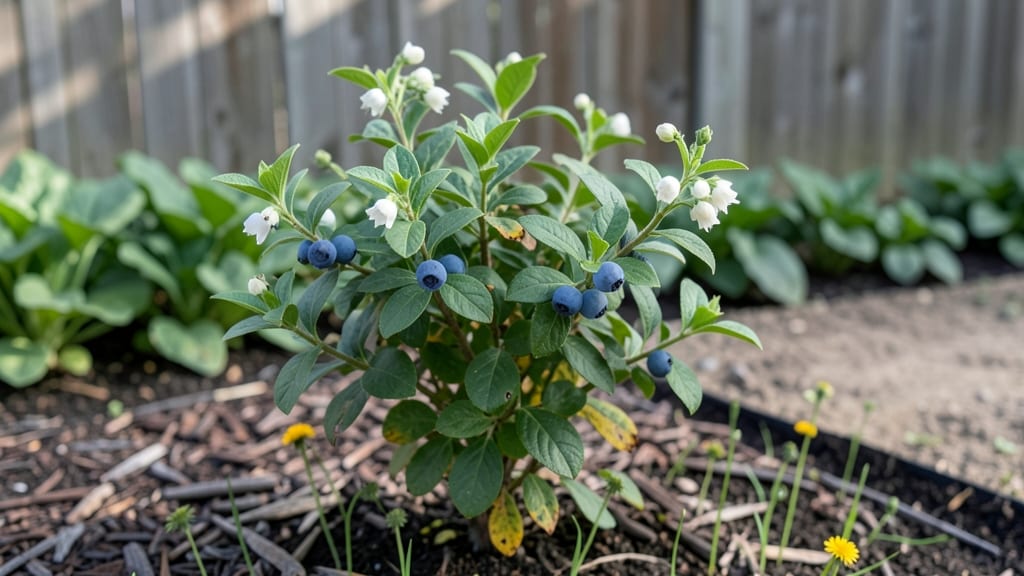
Northern blueberry plants are the unsung heroes of cold climates—bursting with flavor in zones where most berries refuse to play. 🌿 I’ve grown them for years, and the secret isn’t just their hardiness; it’s how they transform a shady corner into a juicy, antioxidant-packed harvest.
These shrubs don’t just survive winter—they thrive, sending out fresh growth as soon as snow melts.
The trick starts with soil: they demand acidic, well-draining conditions (think pH 4.5–5.5). Most gardeners overlook this, and that’s why their bushes produce tiny, mealy berries. Once you get the soil right, though, these plants reward you with pounds of fruit—no fancy fertilizers needed.
They’re also low-maintenance once established, making them perfect for busy gardeners.
By late summer, you’ll be picking berries that taste sweeter than anything from the store. The bushes stay compact, fit neatly into small gardens, and even attract pollinators. Pruning is minimal—just a few cuts in early spring to keep them open and airy.
The real magic happens when you see those first blue clusters forming after winter.
Works in containers too, so even apartment balconies can grow them. Here’s how to set yours up for success—no more half-hearted harvests or bitter-tasting berries. Let’s get those roots in the ground!
📚 In This Guide
- What you need
- Instructions
- Tips and common mistakes
- Wrapping up and next steps
What you need
- ● Northern blueberry plants: 3–5 Vaccinium angustifolium (lowbush) or Vaccinium corymbosum (highbush) varieties, depending on your climate zone (Zones 3–7). Choose acid-loving cultivars like 'Bluecrop' or 'Patriot'.
- ● Acidic soil amendments: Peat moss or coconut coir: 2–3 gallons per plant (for soil acidification).
- ● Sulfur or aluminum sulfate: 1–2 lbs per 100 sq ft (test soil pH first—aim for 4.5–5.5).
- ● Organic mulch: Pine needles, wood chips, or sphagnum peat (2–3 inches deep) to retain moisture and acidity.
- ● Well-draining soil: Mix in compost (1 part) and sand (1 part) if your soil is heavy clay.
- ● Watering system: Drip irrigation or soaker hoses (1–2 gallons per plant, 2–3x/week during dry spells).
- ● Fertilizer: Acid-loving plant fertilizer (e.g., 10-10-10 or cottonseed meal for organic options; ½ cup per plant in early spring).
- ● Pruning tools: Bypass pruners (for clean cuts).
- ● Loppers (for thicker stems).
- ○ Protective barriers (optional but helpful): Bird netting (if wildlife loves your berries!).
- ● Frost cloth (for young plants in late spring).
- ● Soil pH test kit: To monitor acidity levels ($10–$20).
- ● Blueberry plant food: Slow-release granules (e.g., Espoma Blueberry Acidifier).
- ● Companion plants: Rhododendrons, azaleas, or ferns (they share similar soil needs!).
- ● Garden gloves & knee pads: For comfy planting and maintenance. 😉
Step-by-Step instructions for planting northern blueberry shrubs
Here's how to get your cold-hardy blueberries thriving in acidic soil with minimal fuss.
🌱 Step 1: Choose the Right Location and Prepare the Soil
Northern blueberries need full sun—at least 6-8 hours daily. Pick a spot where they’ll get morning sun and afternoon shade if your summers run hot. These shrubs hate alkaline soil, so test your pH first. Aim for 4.5-5.5—if yours is higher, you’ll need to amend it.
Use the 2 cubic yards of peat moss to lower pH naturally. Mix it into the top 12 inches of soil in your planting area. I like to work it in a few weeks before planting so it fully integrates. Avoid fresh manure—it raises pH and burns roots. Instead, add 10 pounds of sulfur if your soil tests above 6.0.
🪴 Step 2: Plant Bare-Root Shrubs at the Right Depth
Dig holes 2-3 times wider than the root ball but only as deep as the roots. Never bury the crown—it should sit just above soil level. Gently spread the roots outward in the hole before backfilling with native soil mixed with 1 part peat moss.
Water deeply after planting to settle the soil. You’ll need 4 plants for a productive patch—space them 5-6 feet apart in rows 8 feet apart. This gives them room to spread without crowding. Mulch heavily with 3 inches of pine needles to keep soil acidic and retain moisture.
☀️ Step 3: Water and Fertilize for First-Year Establishment
Keep soil consistently moist but never soggy for the first 2 months. Water deeply 2-3 times weekly until new growth appears. After that, water once weekly unless it’s exceptionally dry. You’ll know they’re happy when you see bright green leaves and no wilting.
Apply 1 pound of ammonium sulfate in early spring and again after harvest. This provides nitrogen without raising soil pH. Avoid high-phosphorus fertilizers—they can make soil less acidic over time. Prune only to remove dead wood in late winter, keeping branches 12-18 inches tall.
✂️ Step 4: Prune and Maintain for Long-Term Productivity
Prune in late winter or early spring while plants are still dormant. Remove old, woodier canes at the base and thin out crowded branches. Leave 5-6 of the newest, most vigorous canes—these will produce the best fruit. Never prune more than ⅓ of the plant in one season.
Renew the pine needle mulch annually in late fall. This keeps soil acidic and suppresses weeds. Watch for signs of stress like yellowing leaves—this often means your soil pH has drifted. If it happens, add more peat moss or sulfur and retest. With proper care, your blueberries will bear fruit in 2-3 years.
Tips & tricks for perfect northern blueberry planting
These simple tricks will help you avoid common mistakes and maximize your blueberries' success in your yard.
Soil Prep Secret: Don't rush the soil preparation in Step 1. The 2 cubic yards of peat moss should be worked into the top 12 inches of soil at least 2-3 weeks before planting. This gives it time to fully integrate and lower your soil's pH naturally. I've seen many gardeners skip this step and end up with poor fruit production because the soil wasn't properly amended. Test your pH again right before planting to confirm you've reached that ideal 4.5-5.5 range. If you're still above 6.0, add the 10 pounds of sulfur as directed and give it another week to work.
Planting Depth Trick: In Step 2, when planting your bare-root shrubs, make sure the crown sits just above soil level—this is absolutely critical. I've seen too many gardeners bury the crown even slightly, which can lead to rot. After planting, gently press the soil around the roots to remove air pockets, then water deeply. The 3 inches of pine needle mulch you'll add helps maintain that critical soil acidity while also conserving moisture—the perfect combination for happy blueberries.
Watering Wisdom: The first 2 months after planting are crucial for establishing your blueberries. During this time, you'll need to water deeply 2-3 times weekly, but here's the thing: don't just sprinkle water on the surface. Water slowly until you see moisture reaching down 6-8 inches into the soil. This encourages deep root growth. After that initial period, you can reduce to once weekly unless you're experiencing extreme heat or drought. You'll know you're doing it right when you see those bright green leaves without any wilting.
Long-Term Maintenance: When it comes to pruning in Step 4, remember that less is more. Never remove more than ⅓ of the plant in one season—this can shock the shrub. Focus on removing old, woodier canes at the base and thinning out crowded branches. The goal is to leave 5-6 of the newest, most vigorous canes. These will produce the best fruit. And that annual pine needle mulch in late fall isn't just about keeping soil acidic—it's also a natural weed suppressant that saves you time and effort in the long run.
Pro Tips for Northern Blueberry Plants
- These simple tricks will help you avoid common mistakes and maximize your blueberries' success in your yard.
- Soil Prep Secret: Don't rush the soil preparation in Step 1.
- Planting Depth Trick: In Step 2, when planting your bare-root shrubs, make sure the crown sits just above soil level—this is absolutely critical.
Frequently asked questions
Got questions about growing northern blueberry plants? You’re not alone—these cold-hardy shrubs are a favorite, but they do have unique needs! Here are answers to the most common queries to help you cultivate thriving bushes with ease.
How do I know if my soil is acidic enough for northern blueberries?
Test your soil’s pH using a kit (available at garden centers) or send a sample to a local extension office. Northern blueberries thrive in soil with a pH between 4.0 and 5.5. If your soil is too alkaline, amend it with sulfur or peat moss and retest in 2–3 months. Pro tip: Avoid lime—it raises pH and harms blueberries!
When is the best time to plant northern blueberry bushes?
The ideal time is early spring or fall, when temperatures are cool but not freezing. Planting in spring (after the last frost) gives roots time to establish before summer heat, while fall planting allows roots to grow before winter dormancy. Avoid planting in extreme heat or freezing conditions—both stress young plants.
How long does it take for northern blueberry plants to produce fruit?
Patience is key! Most northern blueberry bushes take 2–3 years to bear fruit after planting, though some varieties (like ‘Patriot’ or ‘Bluecrop’) may produce a few berries in the first year if well-cared-for. Pro tip: Prune lightly in the first year to encourage bushier growth, which speeds up fruiting.
What pests or diseases should I watch for with northern blueberries?
Common issues include:
- Blueberry maggots: Tiny white larvae that tunnel into berries. Use floating row covers early in the season.
- Mummy berry fungus: Causes gray, shriveled fruit. Remove infected berries promptly and space plants for airflow.
- Birds: Love ripe blueberries! Try netting over bushes when fruit ripens.
Keep bushes healthy with proper watering and mulching to prevent stress, which invites pests.
Can I grow northern blueberries in containers? What’s the best setup?
Yes! Use a 5-gallon or larger container with acidic potting mix (like a blend of peat moss, pine bark, and sand). Ensure the pot has drainage holes and place it in full sun. Dwarf varieties like ‘Top Hat’ or ‘Peach Sorbet’ are perfect for containers. Pro tip: Fertilize with an acid-loving plant formula in early spring.
Wrapping up and next steps
Growing northern blueberry plants is a rewarding journey—perfect for gardeners in cooler climates who love low-maintenance, cold-hardy, and nutrient-rich shrubs! 🌱 With the right acidic soil, sunlight, and a little patience, you’ll enjoy bountiful harvests for years.
Whether you’re a beginner or a seasoned gardener, these resilient plants are a fantastic addition to your landscape or kitchen.
Ready to take the next step? Start by selecting the right variety for your zone, then grab your tools and get planting—your future blueberry muffins (or smoothies!) will thank you. Happy gardening! 🍇