
Pests
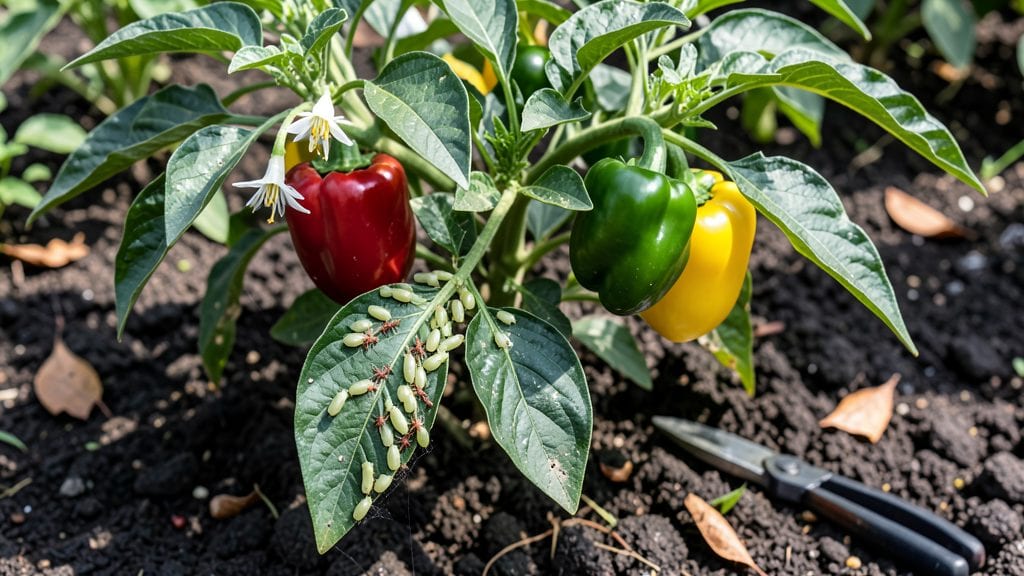
Bell pepper plant pests can turn your thriving garden into a battleground overnight—if you don’t catch them early. 🌱 I’ve lost entire harvests to hornworms and spider mites before learning these telltale signs: chewed leaves, sticky residue, or tiny webs on stems.
The good news? Most problems vanish with simple organic fixes once you spot them.
Common culprits include aphids (tiny green bugs clustering on new growth), hornworms (giant green caterpillars with white stripes), and spider mites (barely visible but leave yellow speckles). Prevention starts with healthy soil—peppers stressed by drought or poor nutrition attract pests like a buffet.
A quick morning walk through your plants with a magnifying glass saves weeks of cleanup later.
You’ll protect your harvest by using neem oil sprays, introducing ladybugs for aphids, or handpicking hornworms (yes, really—it works). The key is acting fast: a few minutes of inspection now means pounds of peppers later. Even my black thumb garden stays pest-free with these tricks.
Works for backyard gardens, containers, or raised beds—just adjust the scale. Here’s how to turn your peppers from pest magnets into the envy of the neighborhood.
Root Causes Of Pepper Plant Attacks
Bell pepper plants may seem like the picture of resilience, but they’re not immune to pest invasions—and understanding why these critters target them is half the battle. Here’s a breakdown of the key factors that turn your garden into an all-you-can-eat buffet for hungry pests:
Pests thrive in chaos, and overcrowded pepper plants create the perfect storm.
When plants are packed too tightly: - Reduced airflow traps moisture, creating damp conditions that attract fungal pests like aphids and spider mites. - Shaded foliage (from dense growth) weakens plants, making them easier targets for chewing insects like hornworms or flea beetles. - Hidden nooks (where leaves brush together) provide shelter for soft-bodied pests to lay eggs undetected.
Actionable fix: Space plants 18–24 inches apart and prune regularly to improve airflow. Mulch with straw to deter soil-dwelling pests while keeping moisture balanced.
Pepper plants under stress—whether from over-fertilization or deficiencies—emit chemical signals that pests love.
Key triggers: - Excess nitrogen (from over-fertilizing) produces lush, tender leaves that aphids and whiteflies adore. - Phosphorus or potassium deficiencies weaken cell walls, making plants more vulnerable to borers and root maggots. - Zinc or calcium shortages stunt growth, leaving plants slow to recover from pest damage.
Actionable fix: Test soil pH (ideal: 6.0–6.8) and use a balanced organic fertilizer (like 5-5-5) with micronutrients. Avoid synthetic fertilizers that can disrupt natural pest resistance.
Bell peppers release volatile organic compounds (VOCs) that act like dinner bells for pests.
For example: - Sweet, ripe peppers attract fruit flies and hornworms, which are drawn to the sugars and aromatic oils. - Damaged leaves (from hail or poor pruning) emit stress signals that lure predators like flea beetles. - Night-blooming flowers (common in some pepper varieties) attract moths, whose larvae then feast on the plants.
Actionable fix: Harvest peppers promptly to remove attractants. Use row covers early in the season to block flying pests, and plant companion crops like basil or marigolds to mask pepper scents.
Extreme conditions force plants into survival mode, making them easier prey.
Watch for: - Heatwaves (above 90°F) weaken plants, increasing susceptibility to spider mites and thrips. - Frequent rain creates slimy foliage, perfect for slugs and cutworms. - Sudden temperature drops (like early fall frosts) stress plants, inviting fungal pests like powdery mildew.
Actionable fix: Use shade cloth in peak summer and drip irrigation to avoid wetting leaves. Choose heat-tolerant pepper varieties (e.g., ‘Jalapeño M’ or ‘Cayenne’) for hot climates.
Even well-meaning gardeners accidentally create pest paradises. Common mistakes:
- Reusing contaminated soil (from previous infestations) introduces pest eggs or larvae.
- Ignoring fallen debris (like dropped peppers or dead leaves) provides hiding spots for pests.
- Overhead watering spreads fungal spores and attracts slugs.
Actionable fix: Sterilize soil with solarization or compost before planting. Clean up garden debris weekly, and water at the base (not overhead) to deter pests.
Pro Tip: 💡 Rotate crops annually—pests like flea beetles and aphids develop resistance to host plants over time. Swap pepper locations each year to break their life cycles!
Quick Fixes for Common Pepper Problems
When pests and diseases strike your bell pepper plants, acting fast is key to saving your harvest. Below are practical, organic solutions tailored to the most common issues—from chewed leaves to wilting stems—along with prevention tips to keep your plants thriving. No fancy tools required, just smart strategies!
🔥 Signs: Jagged holes in leaves, missing petals, or tiny specks on foliage.
How to Fix It:
- Handpick & Squish 👨🍳
- Wear gloves and pluck off large caterpillars (like hornworms) by hand. Drop them in soapy water to kill them instantly.
- Pro tip: Do this in the early morning when bugs are sluggish.
- Neem Oil Spray 🌿
- Mix 1 tbsp neem oil + 1 tsp mild soap + 1 quart water in a spray bottle. Apply to both sides of leaves at dusk to avoid harming bees.
- Reapply every 5–7 days until pests vanish.
- Row Covers or Netting 🏃♂️
- Cover young plants with floating row covers to block adult beetles. Secure edges with soil or bricks.
💡 Prevention:
- Plant companions: Interplant with basil, marigolds, or nasturtiums to repel pests naturally.
- Clean up debris: Remove fallen leaves where eggs may hide.
🌡️ Signs: White powdery patches, yellowing leaves, or mushy stems.
How to Fix It:
- Baking Soda Spray ✨
- Stir 1 tsp baking soda + 1 tbsp oil + 1 quart water. Spray every 7–10 days for powdery mildew.
- Why it works: Raises leaf pH, making it inhospitable for fungi.
- Improve Airflow 🌬️
- Space plants 12–18 inches apart and prune crowded branches to reduce humidity.
- Copper Fungicide (Organic Option) 🛡️
- Use copper-based sprays (like Bonide Copper Fungicide) for blight. Follow label instructions—do not overapply.
💡 Prevention:
- Water at the base (avoid wetting leaves) to prevent mildew.
- Rotate crops annually to break fungal cycles.
📊 Signs: Sticky residue ("honeydew"), yellow stippling, or tiny webs.
How to Fix It:
- Blast Them Off 💦
- Spray plants with a strong stream of water to knock off aphids/mites. Repeat 2–3 times a week.
- Insecticidal Soap 🧼
- Use a store-bought or homemade soap spray (1 tbsp castile soap per quart of water). Test on a small leaf first.
- Beneficial Insects 🐞
- Release ladybugs or lacewings (available at garden centers) to eat pests naturally.
💡 Prevention:
- Yellow sticky traps catch whiteflies before they multiply.
- Avoid over-fertilizing (soft new growth attracts mites).
🔪 Signs: Wilting despite moist soil, holes in stems, or stunted growth.
How to Fix It:
- Check for Grubs 🕷️
- Dig around the base—if you find white C-shaped larvae, handpick them or use beauveria bassiana (a natural fungus).
- Adjust Watering 💧
- Overwatering? Let soil dry 1–2 inches deep between waterings. Use a moisture meter if unsure.
- Compost or Mulch 🌱
- Add 2–3 inches of compost to improve drainage. Mulch with straw to deter wireworms.
💡 Prevention:
- Rotate planting spots every 3 years to break pest cycles.
- Plant deep-rooted crops (like carrots) nearby to compete with grubs.
🎯 Final Tip: Inspect plants weekly—early action beats a full-blown infestation! With these fixes, your bell peppers will stay healthy, happy, and pest-free all season. 🌶️💚
Frequently asked questions
What are the most destructive pests for bell pepper plants?
Hornworms (giant green caterpillars) and spider mites (tiny but destructive) cause the most damage. Hornworms devour leaves overnight, while spider mites create fine webs and yellow speckles. Aphids and flea beetles also rank high—watch for curled leaves or tiny holes in foliage.
How do I know if my pepper plants have pests before damage appears?
Check the undersides of leaves for tiny eggs or webs daily. Early signs include sticky residue (honeydew from aphids), chewed leaf edges, or tiny black specks (flea beetle eggs). A handheld magnifying glass helps spot mites—look for faint webbing between leaves.
Can I use chemical pesticides on bell peppers?
Organic methods work best for edible plants. Chemical pesticides leave residues on peppers, which you’ll eat. Neem oil, insecticidal soap, or horticultural oil are safe alternatives. For severe cases, use pyrethrin-based sprays (like pyrethrum) and harvest peppers 3 days after application.
Why do pests seem to target my peppers more than tomatoes?
Peppers are softer and more aromatic than tomatoes, making them irresistible. Their sweet scent attracts fruit flies and hornworms, while their tender leaves lure aphids. Stress from poor soil or drought also weakens defenses—keep plants healthy with balanced fertilizer and consistent watering.
How often should I inspect my pepper plants for pests?
Check plants 2–3 times per week during growing season. Early morning inspections work best—pests hide in shade. Focus on new growth, leaf undersides, and stems. A quick 10-minute walk through your garden prevents small problems from becoming full-blown infestations.