Pests
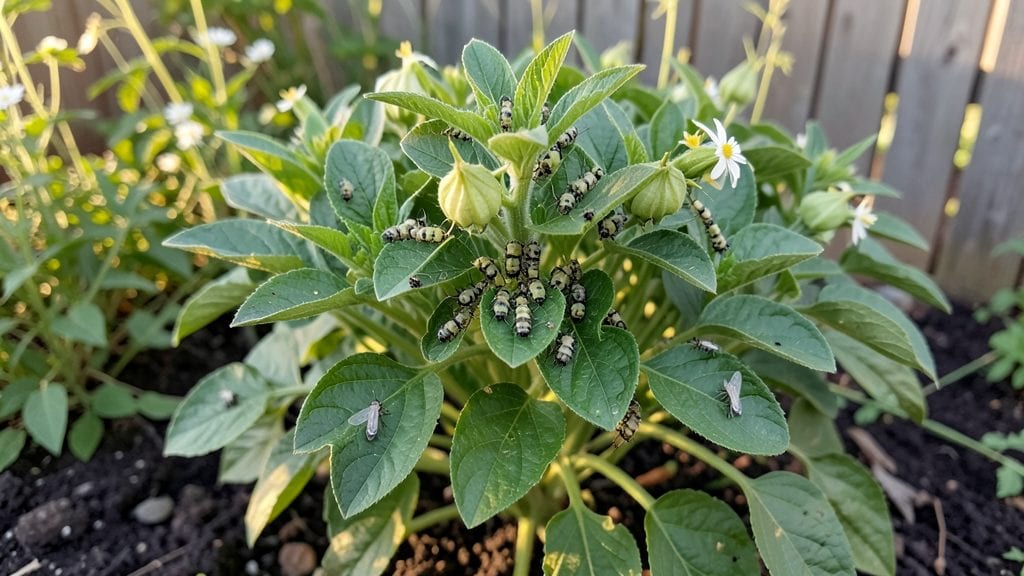
Tomatillo plant pests turn your green paper lanterns into a sad, sticky mess—unless you catch them early. I’ve watched aphids and whiteflies drain my tomatillos faster than I can say "salsa verde," and the key to saving your crop is spotting the warning signs before the damage spreads.
The first clue? Tiny holes in the husks or a fine webbing between leaves—both mean trouble if you ignore them.
Most pests target stressed plants, so healthy soil and proper spacing are your first defense. I swear by neem oil spray for soft-bodied insects—it’s humane, works within a week, and won’t harm pollinators if timed right.
For fungal issues like powdery mildew, a baking soda mix (1 tablespoon per quart of water) keeps leaves crisp and disease-free. The trick is consistency: pests don’t vanish overnight, but they will if you act fast.
By the time you’re pruning back the worst damage, your plants will bounce back stronger. I’ve seen tomatillos recover from near-total infestations when I removed the worst offenders by hand and boosted their defenses.
The payoff? A harvest of tart, flavorful tomatillos that taste like summer—no store-bought shortcuts needed. Let’s get those plants back on track.
This works for both backyard gardens and container setups, though larger plots may need extra vigilance. If pests keep coming back despite your efforts, it might be time to call in a local extension service—they’ve seen it all and can pinpoint what’s really going on.
Now grab those gloves and let’s tackle this together.
Root Causes Behind Tomatillo Pest Problems
Tomatillo plants, with their delicate green husks and vibrant salsa potential, can quickly become a pest magnet if conditions align. Understanding why these critters target your plants is the first step in outsmarting them. Below, we break down the science—and the sneaky strategies—behind the most common invaders.
Tomatillos thrive in well-spaced conditions, but when plants grow too close together, they create the perfect pest buffet. Why?
- Moisture Traps: Dense foliage retains humidity, creating a damp microclimate that attracts fungus gnats, aphids, and slugs. These pests love the sticky, soggy environment between leaves and soil.
- Shaded Soil: Compacted or shaded soil stays cooler and damper, accelerating the life cycle of root-knot nematodes and cutworms, which burrow in search of tender roots.
- Stress Signals: Crowded plants produce volatile organic compounds (VOCs) when stressed, which act like dinner bells for pests like whiteflies and thrips that detect plant distress.
Actionable Fix: Space tomatillo plants 18–24 inches apart and prune lower leaves to improve airflow. Mulch with straw (not thick layers) to balance moisture without suffocating roots.
Tomatillos are heavy feeders, and when soil lacks balance, pests move in to exploit the chaos. Key triggers:
- Excess Nitrogen: Lush, soft growth attracts aphids and hornworms, which thrive on tender, protein-rich leaves. Over-fertilizing with synthetic nitrogen (like blood meal) sends a clear message: “Easy snack here!”
- Compacted or Poor-Draining Soil: Waterlogged roots weaken plants, making them vulnerable to root maggots and wireworms. These pests target stressed roots, laying eggs in soggy soil.
- Lack of Beneficial Microbes: Healthy soil teems with mycorrhizal fungi and Bacillus subtilis, which naturally repel pests. When these are missing, fungal infections (like powdery mildew) and their insect allies move in.
Actionable Fix:
- Test soil pH (aim for 6.0–7.0) and amend with compost or aged manure.
- Use slow-release organic fertilizers (like fish emulsion) to avoid nitrogen spikes.
- Add perlite or vermiculite to improve drainage if your soil is clay-heavy.
Tomatillos evolved in temperate, high-altitude regions, but when grown in the wrong climate—or during erratic weather—they become sitting ducks. Common culprits:
| Weather Factor | Pest Attraction | Why It Happens |
|---|---|---|
| 🌞 Hot, Dry Conditions | Spider Mites, Flea Beetles | Drought-stressed plants produce less chlorophyll, making leaves paler and more appealing to sap-sucking pests. Spider mites also thrive in dry air, spinning webs to trap moisture. |
| 🌧️ Excessive Rain | Slugs, Cutworms, Fungal Gnats | Wet soil softens plant stems (inviting cutworms) and creates slime trails for slugs. Fungal gnats breed in waterlogged organic matter. |
| 🌬️ Sudden Temperature Shifts | Whiteflies, Thrips | Cold nights followed by warm days stress plants, causing them to release sugary honeydew—a magnet for whiteflies. Thrips also exploit new growth triggered by erratic warmth. |
Actionable Fix:
- Use shade cloth (30–50%) in peak summer to prevent heat stress.
- Install drip irrigation to keep soil consistently moist (not soggy) and avoid wetting leaves.
- Choose heat-tolerant varieties like ‘Purple de Milpa’ if your climate swings wildly.
Pests don’t strike randomly—they calculate. When a garden lacks their natural enemies, they multiply unchecked. Key missing players:
- Beneficial Insects: Ladybugs devour aphids, lacewings hunt whiteflies, and ground beetles patrol for cutworms. Without them, pests feast freely.
- Birds and Bats: These creatures control hornworms, beetles, and moths—but they avoid gardens treated with pesticides or lacking perches (like nearby trees).
- Fungal Pathogens: Soil-dwelling fungi like Beauveria bassiana naturally infect and kill grubs. Chemical fertilizers often sterilize these beneficial microbes.
Actionable Fix:
- Plant companion flowers (like marigolds or dill) to attract predatory insects.
- Avoid broad-spectrum pesticides; opt for neem oil or kaolin clay to disrupt pests without harming helpers.
- Add birdhouses or bat boxes near your garden to encourage year-round pest control.
Pro Tip: 💡 Monitor your plants daily—early signs (like chewed leaves or sticky residue) help you intervene before pests stage a full takeover.
Quick Fixes for Tomatillo Plant Pests
When pests invade your tomatillo plants, acting fast is key to saving your harvest. Below are practical, humane solutions tailored to the most common culprits—from chewers to sap-suckers—along with prevention tips to keep your garden thriving.
Signs: Sticky residue (honeydew), curled leaves, or clusters of tiny green/black bugs on stems.
How to Remove Them: 🔥 Blast Them Off – Use a strong stream of water from a hose to dislodge aphids. Repeat every 2–3 days until gone. 🍳 Soapy Water Spray – Mix 1 tsp mild dish soap + 1 quart water in a spray bottle. Lightly coat leaves (avoid overspraying flowers). Test on a small area first! 👨🍳 Introduce Beneficial Insects – Ladybugs and lacewings love aphids. Release them in the evening when they’re most active.
Prevention Tips: ✨ Encourage Diversity – Plant marigolds, basil, or dill nearby to attract predator insects. 🌡️ Neem Oil Barrier – Spray neem oil solution (1 tbsp neem oil + 1 tsp soap per gallon of water) weekly as a deterrent.
Signs: Large green caterpillars with white stripes, skeletonized leaves, or missing fruit.
How to Remove Them: 🔪 Handpick at Night – Hornworms are nocturnal. Shine a flashlight on plants after dark—they’ll be easy to spot and remove. 🥘 Drop in Soapy Water – If you can’t relocate them, dunk them in soapy water (humane and effective). 💡 Bacillus thuringiensis (Bt) – A natural bacterial spray that targets caterpillars’ digestive systems. Safe for humans and pets!
Prevention Tips: 🎯 Plant Near Basil – Hornworms hate basil. Interplanting deters them naturally. 🔥 Remove Eggs Early – Check undersides of leaves for white egg masses. Scrape them off daily.
Signs: Irregular holes in leaves, silvery slime trails, or missing seedlings overnight.
How to Remove Them: 🍳 Beer Traps – Bury a shallow dish filled with beer near plants. Slugs crawl in and drown. Refresh every 2 days. 👨🍳 Copper Barrier – Wrap copper tape around pots or garden beds. The electric shock (from their slime) repels them. 🌡️ Diatomaceous Earth (DE) – Sprinkle food-grade DE around plants. It’s non-toxic but deadly to slugs’ delicate bodies.
Prevention Tips: ✨ Mulch Strategically – Use gravel or sharp-edged mulch (like cedar chips) to deter slugs from hiding. 💡 Water in Mornings – Slugs thrive in moisture. Watering early lets soil dry by night.
Signs: White, moth-like insects fluttering above plants, sticky honeydew, or yellowing leaves.
How to Remove Them: 🔥 Yellow Sticky Traps – Hang yellow cards coated in petroleum jelly near plants. Whiteflies are drawn to yellow and get stuck. 🍳 Neem Oil Spray – Spray neem oil + water + a drop of dish soap directly on leaves (especially undersides). 👨🍳 Reflective Mulch – Cover soil with aluminum foil or reflective plastic. The glare disorients whiteflies.
Prevention Tips: 🎯 Keep Plants Healthy – Stressed plants attract pests. Ensure proper watering, sunlight, and fertilization. 💡 Rotate Crops – Avoid planting tomatillos in the same spot yearly to break pest cycles.
Signs: Cleanly cut stems at soil level, or small brown/black worms hiding in mulch at night.
How to Remove Them: 🔪 Nighttime Patrol – Shine a flashlight on plants after dark. Pick off worms and drop them in soapy water. 🥘 Collar Barrier – Wrap cardboard or aluminum foil collars around young plants to block cutworms. 🌡️ Diatomaceous Earth – Sprinkle DE around the base of plants to dehydrate them.
Prevention Tips: ✨ Remove Debris – Clear weeds and old plant matter where cutworms hide. 🔥 Plant Repellent Herbs – Mint, thyme, or wormwood deter cutworms naturally.
Final Pro Tip: 💡 Inspect plants weekly—early action prevents small problems from becoming big ones! With these methods, your tomatillos will stay pest-free and productive. 🌱🍅
Frequently asked questions about tomatillo plant pests
What are the most common pests that attack tomatillo plants?
The top culprits include aphids (tiny green/black bugs), hornworms (large striped caterpillars), slugs (leaving slime trails), whiteflies (white moth-like insects), and cutworms (chewing stems at night). Early detection is key—check leaves and stems regularly for signs like holes, sticky residue, or wilting.
How do I tell if my tomatillo plant has a fungal issue instead of pests?
Fungal problems like powdery mildew show as white powdery patches on leaves, while pests leave physical damage (chewed edges, holes, or honeydew). Fungal issues thrive in humid conditions, while pests often target stressed plants. Test with a damp paper towel—if it’s moldy, it’s likely fungal.
Can I use chemical pesticides on tomatillo plants?
It’s best to avoid chemicals—tomatillos are sensitive, and pesticides can harm beneficial insects like ladybugs and lacewings. Instead, try neem oil, soapy water sprays, or Bacillus thuringiensis (Bt) for caterpillars. For severe cases, consult a local extension service for organic-approved solutions.
Why do pests keep coming back even after I treat them?
Pests often return if their environment remains favorable—like crowded plants, overwatered soil, or lack of natural predators. Improve airflow by spacing plants 18–24 inches apart, reduce watering, and attract beneficial insects with companion plants like marigolds. Consistency is key—treatments need 2–3 weeks to fully work.
What’s the best time of day to check for pests on tomatillo plants?
Early morning or late evening are ideal—pests like hornworms and slugs hide during the day but become active at dawn/dusk. Use a flashlight to spot nocturnal critters, and shake plants gently over a bucket of soapy water to dislodge them.