
Vegetables
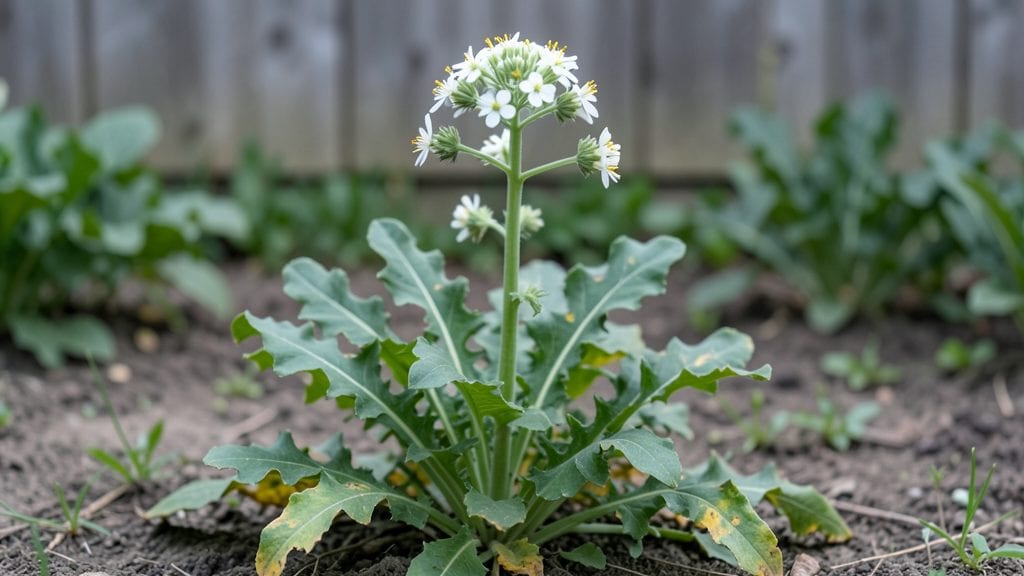
Why arugula flowers too quickly and how bolting affects flavor
If you've ever grown arugula only to watch it suddenly send up tall flowering stalks, you're not alone. This rapid transition from leafy greens to bolting plants is a common frustration for gardeners.
When arugula flowers too quickly, it shifts its energy from producing tender, peppery leaves to creating bitter seed stalks, drastically altering its flavor and texture.
The process of bolting occurs when arugula detects environmental cues that signal it's time to reproduce. For this cool-season crop, these triggers often include warming temperatures, long daylight hours, or plant stress. Understanding these signals is key to maintaining a steady supply of fresh, flavorful leaves.
🌱
The primary trigger for bolting is temperature. Arugula is a cool-season crop that thrives when daytime temperatures stay below 75°F (24°C). When heat exceeds this threshold, the plant perceives it as a signal to reproduce quickly.
Even a single hot day can accelerate bolting, especially in varieties like 'Astro' or 'Ruby', which are more heat-sensitive.
Another common cause is plant age. Arugula typically matures in 30-60 days, but if left unharvested, it will naturally transition to flowering. Regular harvesting of outer leaves encourages bushier growth and delays bolting by preventing the plant from sensing it's "done" producing leaves.
Stress factors like drought, poor soil, or nutrient deficiencies can also trigger premature flowering. Arugula prefers consistently moist, well-draining soil with a pH between 6.0-7.0. If your plants look wilted or yellow, they may be signaling stress before bolting occurs.
One of the most noticeable changes during bolting is the flavor shift. Young arugula leaves are prized for their peppery, slightly nutty taste, but as the plant flowers, the leaves become bitter and tough.
The flower stalks themselves are edible (often used in salads for their mild peppery taste), but they're no substitute for tender leaves.
If you're growing arugula for seed production, allowing bolting is beneficial. However, if your goal is fresh leaves, you'll want to harvest aggressively and remove flowering plants to prevent seed spread. Some gardeners even use shade cloth during hot spells to delay bolting and extend the harvest window.
For fall planting, choose bolting-resistant varieties like 'Sylvetta' or 'Tango', which tolerate warmer temperatures better than traditional types. These varieties can often be harvested well into late fall before bolting becomes an issue.
🌿
Best harvesting techniques to prevent bolting and extend arugula production
Arugula’s delicate leaves transform into bitter seed stalks when it bolts—turning your salad greens into a frustrating gardening challenge. The key to maximizing your harvest lies in strategic harvesting and understanding the ideal timing for leaf removal.
By following these proven techniques, you can delay flowering and enjoy tender arugula for weeks longer. Whether you're harvesting in cool spring mornings or fall evenings, small adjustments make a big difference in your garden’s productivity.
Harvesting arugula correctly isn’t just about cutting leaves—it’s about encouraging regrowth while avoiding stress that triggers bolting. The leaf-by-leaf method is my go-to for continuous production, while full cuts work well for larger plants.
Seasonal variations also play a role: spring arugula responds differently than fall-planted varieties. Let’s dive into the step-by-step techniques that will keep your arugula thriving and your harvest bountiful.
- Harvest outer leaves first: Use clean scissors or fingers to pinch off 2-3 outer leaves when they reach 2-3 inches—this prevents overcrowding and encourages new growth.
- Morning harvests are best: Pick leaves in the cool morning hours (before 10 AM) to maintain crispness and flavor while reducing stress from heat.
- Avoid cutting stems: Never trim into the center stem—this weakens the plant and accelerates bolting. Always leave the growth point intact.
- Seasonal adjustments: In spring, harvest every 5-7 days; in fall, extend to 7-10 days as cooler temps slow growth.
- Post-harvest care: Water deeply after harvesting to replenish moisture and apply a light mulch to retain soil humidity.
For spring-planted arugula, the race against bolting begins as soon as temperatures rise above 70°F. I’ve found that harvesting leaf by leaf in the morning keeps plants productive for up to 6 weeks longer than full cuts.
In contrast, fall-planted arugula bolting is less heat-driven and more tied to plant maturity. By adjusting your harvest frequency—every 5-7 days in spring versus every 7-10 days in fall—you can sync with the plant’s natural rhythm and avoid the bitter taste of bolting.
One common mistake is harvesting afternoon leaves, which can wilt quickly and stress the plant. Always aim for morning harvests when leaves are fully hydrated and crisp. If you notice yellowing leaves or tall stems forming, it’s a sign you’re harvesting too aggressively or the plant is stressed.
Reduce frequency immediately and focus on watering and shade to reset the plant’s growth cycle.
To further extend your harvest, consider succession planting every 2-3 weeks in both spring and fall. This overlapping method ensures a continuous supply of tender leaves while giving each batch its own optimal growing window.
Pair this with partial shade cloth during heatwaves, and you’ll push back bolting by 3-4 weeks in hot climates. The goal is to keep your arugula in its leafy green phase as long as possible.
Remember, every arugula plant has a limited window before bolting becomes inevitable—usually 4-8 weeks depending on variety and conditions. But with the right harvesting rhythm, you can double or triple your usual yield.
Start small, observe your plants’ responses, and adjust your technique until you find the perfect balance between harvest and regrowth. Your future salads will thank you!