
Companion Plants
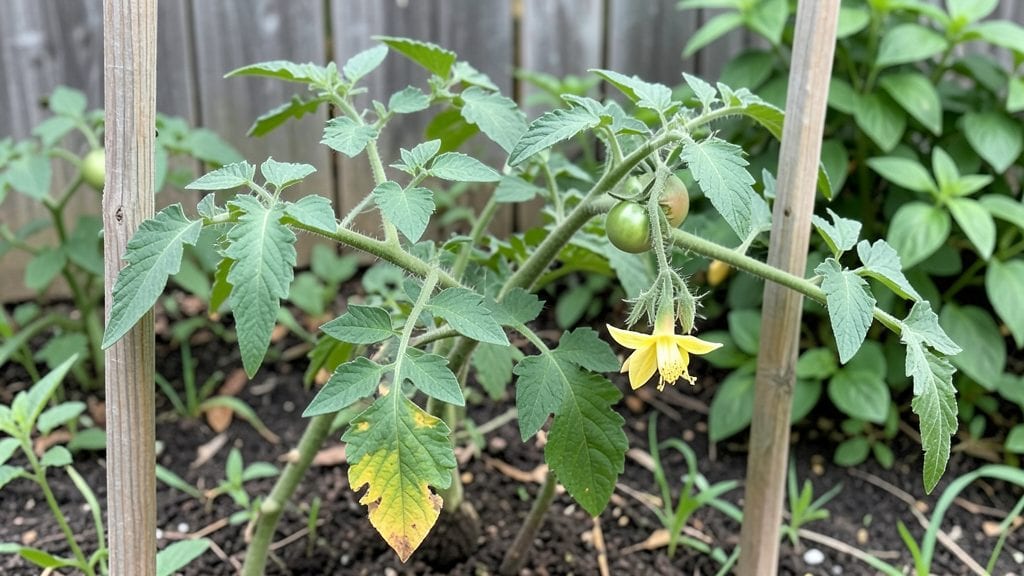
Growing tomato plants from seed to harvest means turning a single seed into a vine that produces pounds of fruit—if you nail the growth stages. 🌱 I’ve watched my first tomato seedling stretch from a tiny sprout to a 6-foot monster covered in red fruit, and the secret isn’t just water or sunlight—it’s understanding when to push growth and when to let the plant focus on fruit.
The magic happens in three phases: early growth (when leaves matter most), flowering (where pruning makes or breaks your harvest), and fruiting (when water and nutrients decide if those tomatoes ripen). Most gardeners rush the flowering stage, but holding back on pruning there actually boosts fruit set.
I learned that the hard way after my first over-pruned plant produced only three sad tomatoes.
By the time your first vine flowers, you’ll already see the payoff: dark green leaves mean strong roots, and tiny yellow blossoms signal fruit is coming.
The key is balancing fertilizers—too much nitrogen early keeps plants lush but fruitless, while a steady dose of phosphorus and potassium later ensures heavy, flavorful tomatoes. Even my black thumb can’t mess this up once you get the timing right.
This works for both backyard gardens and container setups, though dwarf varieties handle small spaces better. The same principles apply whether you’re growing in Florida heat or a cool-summer zone—adjust watering and shading, but the growth stages stay the same.
Let’s break it down step by step so you end up with vines that look like they belong in a greenhouse, not a backyard.
📚 In This Guide
- What you need
- Instructions
- Tips and common mistakes
- Wrapping up and next steps
What you need
- ● Tomato Seeds or Seedlings: Choose disease-resistant varieties like Cherry Tomatoes, Roma, or Beefsteak. Start with 6–12 plants for a small harvest or scale up for bigger yields.
- ● Containers or Garden Bed: For containers: Use 5-gallon pots or larger (tomatoes need space!). Ensure they have drainage holes.
- ● For garden beds: Allocate 18–24 inches of spacing per plant (or 3–4 feet for indeterminate varieties).
- ● High-Quality Potting Mix: A well-draining, nutrient-rich blend (e.g., 60% peat/coir, 30% perlite, 10% compost). Avoid garden soil—it compacts too easily!
- ● Fertilizer: Balanced fertilizer (10-10-10) for seedlings.
- ● Tomato-specific fertilizer (5-10-10 or higher in phosphorus) once flowering begins.
- ● Organic options: Compost, worm castings, or fish emulsion (great for slow-release nutrients!).
- ● Support System: Cages (5–6 feet tall) or stakes (6–8 feet) for indeterminate varieties.
- ● Trellis or bamboo poles for vining types (e.g., Brandywine).
- ● Watering Supplies: Drip irrigation or soaker hoses (to keep roots moist without wetting leaves).
- ● Watering can with a fine rose (for seedlings).
- ● Mulch: Straw or shredded leaves (2–3 inches thick) to retain moisture and suppress weeds.
- ● Pruning Shears: Bypass pruners (clean and sharp) for trimming suckers and dead leaves.
- ● pH Test Kit: Ensure soil pH is 6.0–6.8 (tomatoes thrive in slightly acidic soil).
- ● Grow Lights (for indoor/early starts): LED full-spectrum bulbs (12–16 hours/day) for seedlings.
- ● Companion Plants: Basil, marigolds, or onions (pest-repelling and growth-boosting!).
- ● Row Covers or Shade Cloth: Protect seedlings from frost or intense sun (30–50% shade for hot climates).
- ● Plant Markers: Label varieties to avoid mix-ups (especially if growing multiple types!).
How to cultivate thriving tomato plants year-round
Here’s how to coax robust, high-yield tomato vines—whether you’re starting from seed or transplanting.
🌱 Step 1: Choose the Right Variety and Planting Time
For year-round production, opt for determinate varieties (like 'Roma' or 'Celebrity') if you’re in cooler climates—they stay compact and fruit faster. Indeterminate types (like 'Cherry' or 'Beefsteak') need warmer conditions but keep producing until frost. Plant seeds 6-8 weeks before your last frost date for outdoor starts, or indoors now if you’re using grow lights.
Tomatoes thrive in 60-85°F soil temperatures. If your spring soil is still chilly, wait—cold roots delay germination and invite disease. I always check soil temp with a soil thermometer (borrow one from a neighbor if you don’t own one). For fall/winter harvests, use black plastic mulch to warm the soil early in the season.
☀️ Step 2: Provide Optimal Light and Support
Tomatoes need 8+ hours of direct sunlight daily—no compromises. If your garden gets less, supplement with a full-spectrum LED grow light positioned 6 inches above the plants. I’ve seen leggy, weak vines when light was insufficient, so don’t skimp here. Move the light closer as plants grow to maintain that 6-inch gap.
Install cages or stakes at planting time—tomatoes hate being disturbed later. Bury the cage halfway into the soil to anchor it, or tie stems to a 6-foot bamboo stake with soft cloth strips. Prune suckers (the little shoots in the leaf axils) regularly to direct energy to fruit production. Wait until vines are 12 inches tall before pruning—young plants need all their leaves for photosynthesis.
💧 Step 3: Water Deeply and Consistently
Water deeply once or twice a week, aiming for 1-1.5 inches of moisture per week. Shallow watering stresses roots and leads to blossom-end rot. I use a soaker hose or drip irrigation to deliver water at the base—avoid overhead sprinklers, which spread disease. Check moisture by sticking your finger 2 inches into the soil; if it’s dry, water again.
Mulch with 2-3 inches of straw or shredded leaves to lock in moisture and keep soil temps stable. This is especially critical in summer when evaporation speeds up. Watch for yellowing lower leaves—this often signals underwatering, not disease. Adjust your watering schedule if rain is frequent; tomatoes hate soggy roots.
✂️ Step 4: Fertilize and Prune for Maximum Yield
Feed plants every 2-3 weeks with a balanced 10-10-10 fertilizer (or compost tea) once flowers appear. Too much nitrogen early on leads to lush foliage but few tomatoes. I switch to a low-nitrogen, high-phosphorus formula (like 5-10-10) when fruit sets to boost flowering. Always water before fertilizing to prevent root burn.
Prune aggressively to improve airflow and fruit production. Remove suckers (the shoots between the stem and branches) weekly, and trim lower leaves that touch the soil. This prevents soil-borne diseases and redirects energy to ripening fruit. When vines hit your trellis or cage top, top the plant by cutting the growing tip—this encourages ripening of existing fruit instead of endless new growth.
🍅 Step 5: Harvest and Extend the Season
Pick tomatoes when they’re fully colored and slightly soft to the touch. Green tomatoes can ripen off the vine in a paper bag with a banana (the ethylene gas speeds things up). For fall/winter harvests, cover plants with frost blankets on chilly nights or move potted tomatoes indoors near a sunny window. I’ve kept cherry tomatoes producing until December this way.
Save seeds from your best tomatoes for next year! Scoop out the jelly-like center, rinse the seeds, and dry them on a paper towel. Store in an airtight container in the fridge until planting season. Rotate crops yearly to prevent soil-borne diseases like verticillium wilt—never plant tomatoes in the same spot two years in a row.
Tips & tricks for thriving tomato plants year-round
Real talk: Growing tomatoes successfully isn't just about following steps—it's about understanding the little details that make all the difference. Here's what I've learned after years of trial and error in my own garden.
Soil Temperature Secrets: Those 60-85°F soil temperatures aren't just numbers—they're critical for germination and root health. I've seen seeds fail to sprout when soil was below 65°F, no matter how much I watered. For fall/winter harvests, use black plastic mulch at least 2 weeks before planting to raise soil temps naturally. And if you're using containers, place them on a heat mat during cooler months—it makes a huge difference for root development.
Lighting Game-Changer: That 6-inch distance from your grow light might seem arbitrary, but it's actually the sweet spot for preventing leggy plants. I learned this the hard way when my seedlings stretched toward the light and became weak. Adjust the light height every few days as plants grow, and aim for 14-16 hours of light daily if you're growing indoors. The extra light boosts fruit production dramatically, especially for indeterminate varieties.
Pruning Strategy: Don't wait until your plants are 12 inches tall to start pruning—begin when you see the first suckers. I used to wait too long, and my plants became overgrown and disease-prone. Prune suckers weekly and remove any leaves touching the soil. This might seem harsh, but it actually increases airflow and prevents those dreaded soil-borne diseases that can wipe out your harvest.
Watering Wisdom: The 2-inch soil check is your best friend for determining when to water. I've ruined multiple tomato plants by either underwatering (leading to blossom-end rot) or overwatering (causing root rot). For containers, I've found that watering when the top inch of soil feels dry works better than sticking to a schedule. And always water at the base—those overhead sprinklers can spread fungal diseases faster than you can say "early blight."
Pro Tips for Tomato Plants Growth
- Real talk: Growing tomatoes successfully isn't just about following steps—it's about understanding the little details that make all the difference.
- Soil Temperature Secrets: Those 60-85°F soil temperatures aren't just numbers—they're critical for germination and root health.
- Lighting Game-Changer: That 6-inch distance from your grow light might seem arbitrary, but it's actually the sweet spot for preventing leggy plants.
Frequently asked questions
Got questions about growing lush tomato plants all year round?
You’re not alone! Here are answers to the most common queries—from timing tricks to troubleshooting tips—to keep your vines thriving.
How long does it take for tomato plants to grow from seed to harvest?
Most tomato varieties take 60–85 days from transplant to harvest, depending on the type (determinate vs. indeterminate). Starting seeds indoors 6–8 weeks before the last frost ensures a head start. For year-round harvests, succession planting (every 2–3 weeks) keeps your table stocked!
What’s the best temperature range for tomato plant growth?
Tomatoes love warmth! Ideal daytime temps are 70–85°F (21–29°C), while nights should stay above 55°F (13°C). Below 50°F (10°C), growth stalls, and flowers may drop. Use row covers or greenhouses in cooler climates to extend the season.
Why are my tomato leaves turning yellow, and how do I fix it?
Yellowing leaves often signal overwatering, nutrient deficiencies (like nitrogen), or pests (e.g., aphids, spider mites). Check soil moisture—tomatoes prefer consistently moist but well-drained soil. Feed with balanced fertilizer (10-10-10) and inspect leaves for bugs. Prune affected areas to prevent spread.
Can I grow tomatoes indoors year-round, and what’s the best setup?
Yes! Use a sunny south-facing window or grow lights (14–16 hours/day) for indoor tomatoes. A 5-gallon container per plant works well, with well-draining potting mix. Pollinate flowers by gently shaking plants or using a small brush. Varieties like ‘Tiny Tim’ or ‘Balcony Red’ thrive indoors!
Are there any companion plants that boost tomato growth?
Plant basil, marigolds, or onions nearby to repel pests and improve flavor. Avoid brassicas (like cabbage) or fennel, which stunt tomato growth. Companion planting also maximizes space—try interplanting with lettuce or spinach for a year-round garden!
Pro Tip:
For continuous harvests, stagger plantings every 2–3 weeks (spring through fall) or use greenhouse setups in winter. Rotate crops yearly to prevent soil-borne diseases. Happy growing!
Wrapping up and next steps
Growing thriving tomato plants is all about patience, the right conditions, and a little green-thumb love—but the rewards are absolutely worth it! 🌱 Whether you’re planting in spring, summer, or even winter, these year-round hacks will help you cultivate lush vines and a bountiful harvest.
Start small, experiment with companion plants, and don’t forget to celebrate every ripe tomato you pick!
Ready to take the next step? Pick your favorite variety, grab your gardening tools, and get planting! Your future self (and your taste buds) will thank you. 🍅✨