
Pruning
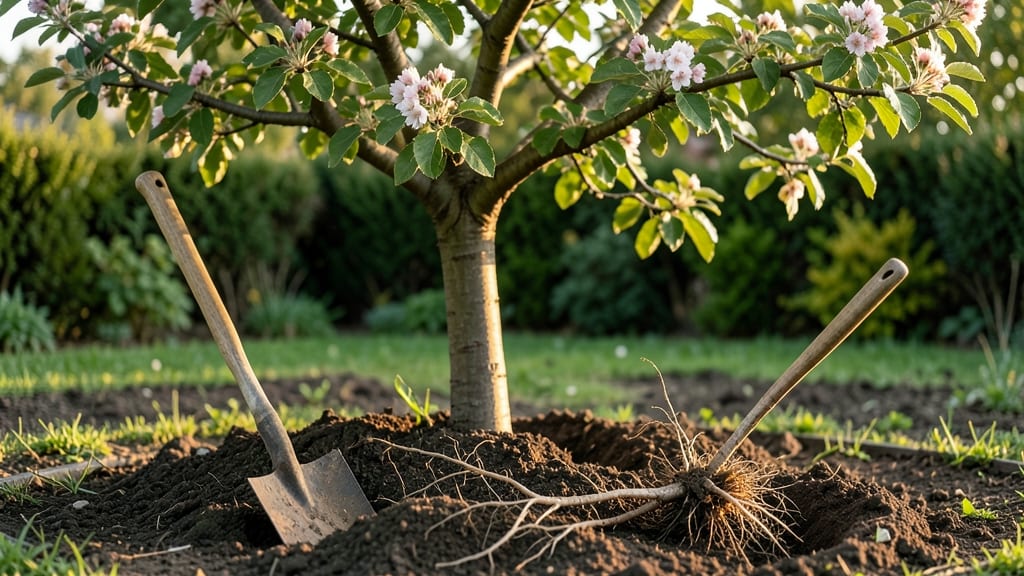
Planting an apple tree in the wrong zone is like setting up a lemonade stand in a desert—no matter how good your recipe, it’s doomed to fail. 🌱 The USDA planting zones determine which varieties will survive your winters and thrive through your summers, and picking the right one means the difference between a tree that bears fruit for decades and one that struggles from day one.
Most apple trees thrive in zones 4 through 8, but the real magic happens when you match your location to the right variety. Cold-hardy Granny Smiths handle zone 5 winters, while Fuji apples prefer the milder zone 7 climate.
Microclimates—like a sunny south-facing slope or a sheltered valley—can even let you grow varieties outside their official zone. I’ve seen it happen!
Once you’ve got the zone right, you’ll end up with a tree that flowers reliably, sets fruit without freezing, and produces harvests year after year. The payoff? Juicy, homegrown apples straight from your backyard instead of store-bought ones that taste like cardboard.
Plus, you’ll avoid the heartbreak of a tree that looks great but never bears fruit.
Here’s the kicker: even within a zone, local frost dates and soil conditions matter. A late-spring frost can wipe out blossoms, while poor drainage turns roots into a soggy mess.
But with the right prep—like choosing early-blooming varieties for cold zones or planting on a slope to avoid frost pockets—you’ll set your tree up for success from the start.
📚 In This Guide
- What you need
- Instructions
- Tips and common mistakes
- Wrapping up and next steps
What you need
- ● Apple tree sapling: Choose a variety suited to your USDA Plant Hardiness Zone (e.g., 'Honeycrisp' for Zones 4-7, 'Fuji' for Zones 5-8). Buy from a reputable nursery.
- ● Shovel: A round-point shovel (18–24 inches long) for digging the planting hole.
- ● Garden fork or tiller: To loosen soil (especially in clay-heavy areas).
- ● Compost or well-aged manure: 5–10 gallons, to enrich the soil with organic matter.
- ● Mulch: 2–3 inches of wood chips or straw (keep 6 inches away from the trunk).
- ● Pruning shears: Bypass pruners (sharp and clean) for trimming dead or crossing branches.
- ○ Staking materials (optional but recommended for young trees): 2–3 sturdy wooden stakes (4–6 feet tall).
- ● Soft tree tie straps (not wire—it can damage bark).
- ● Watering can or hose: With a gentle spray nozzle for post-planting hydration.
- ● Soil test kit: To check pH (ideal range: 6.0–7.0 for apples). Adjust with lime or sulfur if needed.
- ● Root stimulator: A powder or gel to encourage root growth (follow package instructions).
- ● Tree guard or plastic collar: Protects the trunk from pests and mowers.
- ● Drip irrigation system: For consistent watering, especially in dry zones.
- ● Fertilizer (slow-release, balanced 10-10-10): Apply sparingly—too much can harm young roots.
Instructions for planting apple trees in the right climate Zones
Here’s how to match your apple tree variety to your hardiness zone for strong, productive growth.
☀️ Step 1: Identify Your USDA Hardiness Zone
Find your zone using the USDA Plant Hardiness Zone Map—most home gardeners fall between Zones 4 and 9. Apple trees thrive best in Zones 4-8, but varieties differ in cold tolerance. For example, Honeycrisp handles Zones 3-8, while Fuji prefers Zones 5-9. Check your local zone (often listed on seed packets or extension service websites).
If you’re unsure, note your first and last frost dates—apple trees need at least 100-150 chill hours (below 45°F) annually. Without enough chill, trees may bloom poorly or produce sparse fruit. I always verify my zone by typing my ZIP code into the USDA map—it’s free and precise.
🌱 Step 2: Select Cold-Hardy Varieties for Your Zone
Choose tree types based on your zone to avoid winter damage. In Zones 4-5, opt for Northern Spy or McIntosh—both tolerate below -20°F. For Zones 6-7, Gala or Golden Delicious work well, handling down to -10°F. In warmer Zones 8-9, Anna or Dorsett Golden thrive with mild winters. Always pick disease-resistant varieties to reduce maintenance.
Cross-pollination matters too—plant at least two compatible varieties for fruit production. For instance, Honeycrisp needs another variety like Zestar! nearby. Check the tree tag for pollination partners before buying. I keep a small notebook to track which varieties I’ve planted and their pollinators—it saves headaches later.
🪴 Step 3: Plant at the Right Time for Your Climate
Timing depends on your zone. In Zones 4-6, plant bare-root trees in early spring (March-April) or fall (October-November), when soil is workable but not frozen. In Zones 7-9, plant in late winter or early spring to avoid summer heat stress. Avoid planting when temperatures fluctuate wildly—roots need stable conditions to establish.
Dig a hole twice as wide as the root ball but no deeper. Amend the soil with compost if your native soil is heavy clay or sandy. Place the tree so the graft union (visible bump on the trunk) sits 2-3 inches above soil level—this prevents rot. Backfill with native soil, tamp gently, and water deeply to eliminate air pockets.
⏰ Step 4: Protect Young Trees in Harsh Zones
In Zones 4 and below, wrap the trunk with tree guard or burlap in late fall to shield from winter winds and rodents. Use mulch (like straw or wood chips) to insulate roots, keeping it 3-4 inches thick but 6 inches away from the trunk. In Zones 8-9, shade young trees from intense afternoon sun with a lightweight cloth during the first summer to reduce stress.
Watch for sunscald (brown patches on bark) in cold zones—it happens when winter sun warms the trunk during the day, then freezing temps strike at night. Paint the trunk with white latex paint in late fall to reflect sunlight. I’ve seen trees recover from sunscald, but prevention is easier than treating damage later.
🌿 Step 5: Adjust Care Based on Your Zone
In cooler zones (4-6), prune in late winter to remove dead wood before buds swell. In warmer zones (7-9), prune in early spring to avoid fungal issues from summer humidity. Thin fruit in Zones 8-9 to prevent overburdening branches—too many apples can stress the tree in heat. I set a timer for 10 minutes per tree during thinning to stay consistent.
Fertilize in early spring with balanced 10-10-10 for young trees, then switch to low-nitrogen (like 5-10-10) once fruiting begins. In Zones 7-9, apply mulch in late summer to retain moisture during dry spells. Always water deeply once a week (or more in drought-prone zones) to encourage deep root growth.
Tips & tricks for perfect apple tree planting in your zone
Planting apple trees successfully starts with understanding your climate—here's how to make sure your orchard thrives where you live.
Zone Verification: Don't guess your hardiness zone! I always double-check by entering my ZIP code into the USDA Plant Hardiness Zone Map—it's free and gives you the exact zone down to half-zones like 5b. This precision matters because a tree that handles Zone 5a might struggle in 5b if you're just a few degrees off. The 45°F chill hour threshold is non-negotiable for most varieties, so track your frost dates using local weather records or a simple thermometer.
Variety Selection Strategy: When choosing between Northern Spy and McIntosh for Zones 4-5, consider your specific winter extremes. If you get dips below -20°F regularly, Northern Spy is the safer bet—its roots are more cold-hardy. For Zones 6-7, I've found Golden Delicious produces slightly larger fruit than Gala, but both handle the -10°F threshold well. Always check the tree tag for disease resistance codes—it's the difference between a tree that needs constant spraying and one that thrives with minimal care.
Planting Timing: The 10-minute per tree thinning tip from Step 5 applies to planting too—set a timer when you're digging holes to ensure consistent hole sizes. In Zones 4-6, I've learned to plant in late October rather than November for fall planting, as the ground stays workable longer. For Zones 7-9, early March gives roots time to establish before summer heat arrives. Pro tip: Dig your hole first, then let it sit uncovered for 24 hours—this prevents compaction from foot traffic when you're ready to plant.
Winter Protection: In Zones 4 and below, I've had the most success with burlap wraps combined with white latex paint on the trunk—it's like giving your tree a thermal blanket. For mulch, I use straw because it breaks down slowly and doesn't compact like wood chips. Remember to keep mulch 6 inches away from the trunk to prevent rot at the base. In Zones 8-9, that lightweight shade cloth during the first summer is a game-changer—it reduces stress without creating humidity that could invite fungal issues.
Pro Tips for Apple Tree Planting Zones
- Planting apple trees successfully starts with understanding your climate—here's how to make sure your orchard thrives where you live.
- Zone Verification: Don't guess your hardiness zone!
- Variety Selection Strategy: When choosing between Northern Spy and McIntosh for Zones 4-5, consider your specific winter extremes.
Frequently asked questions
Got questions about planting apple trees in the right zones? You’re not alone! Here are answers to the most common concerns—so you can grow a thriving orchard with confidence.
What are the best apple tree planting zones in the U.S.?
The U.S. Department of Agriculture (USDA) Plant Hardiness Zones 4–8 are ideal for most apple varieties. Cold-hardy types (like Honeycrisp or McIntosh) thrive in Zones 4–6, while warmer-climate varieties (such as Anna or Dorsett Golden) suit Zones 7–8. Always check your local zone for precision!
When is the best time to plant an apple tree?
Plant in early spring (before buds swell) or late fall (6–8 weeks before frost). Avoid summer heat or winter freezes—roots need time to establish without stress. Pro tip: Bare-root trees plant best in dormancy (late fall/winter), while container-grown trees adapt year-round!
Can I grow apple trees in containers or small spaces?
Yes! Dwarf or semi-dwarf varieties (like Columnar or Spartan) thrive in 15–25 gallon containers. Use well-draining soil, a trellis for support, and ensure 6+ hours of sunlight. Just note: Potted trees may need annual repotting and winter protection in colder zones.
Why did my apple tree leaves turn brown after planting?
Brown leaves often signal transplant shock, over/under-watering, or pest damage (like spider mites). Check soil moisture (keep it consistently damp but not soggy) and inspect for bugs. If roots were damaged during planting, trim any mushy sections and apply mulch to retain moisture.
How do I choose the right apple variety for my zone?
Start with your USDA zone, then pick varieties matching your climate:
- Zones 4–5: Jonathan, Cortland (cold-tolerant)
- Zones 6–7: Gala, Fuji (versatile, disease-resistant)
- Zones 8–9: Anna, Golden Delicious (heat-adapted)
Cross-pollination tip: Plant two compatible varieties (e.g., Honeycrisp + McIntosh) for better fruit production!
Wrapping up and next steps
Planting an apple tree is a rewarding journey, and choosing the right apple tree planting zones is your first step to success! 🌳 By matching your climate to the ideal hardiness zone, you’ll set the stage for a thriving orchard with bountiful harvests.
Now that you’re armed with the knowledge, take action—visit your local nursery, pick the perfect variety, and dig in! Your future apple pies (and bragging rights) will thank you.
🌱 Next Steps:
- Research USDA Plant Hardiness Zone Map for your exact location.
- Check soil pH and drainage—amend if needed!
- Start planting this fall or early spring for the best results.