
Pruning
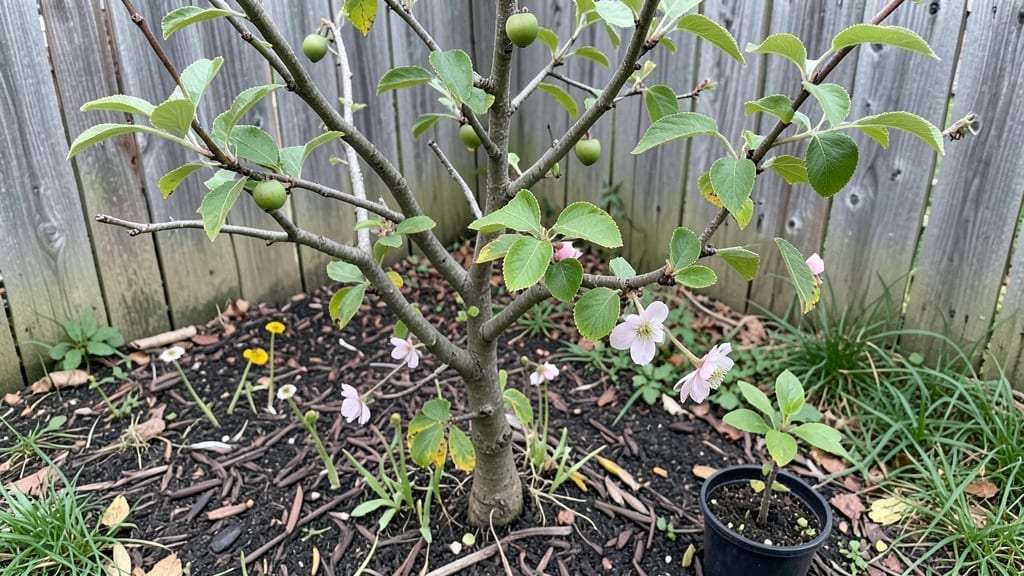
Planting a crab apple tree means adding a four-season showstopper to your yard—fragrant spring blooms, glossy summer foliage, and fiery fall color that birds adore. 🌿 I’ve planted three in my own yard, and the one I chose a full sun spot with well-draining soil now produces enough fruit for jams and attracts flocks of cedar waxwings every October.
The key to success starts before you even dig: test your soil’s pH (aim for 6.0–7.0), pick a spot with at least 6 hours of sunlight daily, and space trees 20–25 feet apart if planting multiples.
Beginners often underestimate root space—crab apples have deep taproots, so avoid planting too close to foundations or sidewalks. A 5-gallon container tree is my top recommendation for first-timers because it’s easier to handle than bare-root stock.
Once planted, you’ll see dramatic growth within 2–3 years, with the first blooms appearing around year 4. The trees handle drought surprisingly well once established, but a 3-inch layer of mulch keeps roots cool and retains moisture.
Prune only to remove crossing branches in early spring—these trees thrive with minimal fuss, unlike fussy ornamentals.
Whether you’re after wildlife support, old-fashioned charm, or homegrown apples for baking (yes, they’re edible!), this tree delivers. The real magic happens in late winter when buds swell—just don’t plant too close to patios, or you’ll be cleaning up fruit splatter for years.
📚 In This Guide
- What you need
- Instructions
- Tips and common mistakes
- Wrapping up and next steps
What you need
- ● Crab apple tree sapling: Choose a Malus variety (e.g., 'Liberty,' 'Dolgo,' or 'Sargent') from a reputable nursery. Opt for a 1- to 2-gallon container-grown tree (1–3 feet tall) for best root establishment.
- ● Shovel or trowel: A round-point shovel (for digging) and a hand trowel (for precision).
- ● Compost or well-aged manure: 5–10 gallons to enrich the planting hole.
- ● Mulch (organic): 2–3 inches of shredded bark, wood chips, or pine straw (keep 3–6 inches away from the trunk).
- ● Watering can or hose with nozzle: A soaker hose or drip irrigation is ideal for deep watering.
- ○ Tree stake (optional but recommended): A 4–6 ft wooden or metal stake + soft tree tie (to secure young trees in windy areas).
- ● Pruning shears: Bypass pruners (for shaping after planting).
- ● Garden gloves: Heavy-duty to protect hands from thorns and rough bark.
- ● Root stimulator: A mycorrhizal fungi or compost tea to boost root growth.
- ● Slow-release fertilizer: 10-10-10 or 5-10-10 (follow package rates).
- ● Tree guard or cage: To deter animals (e.g., deer or rabbits).
- ● Soil test kit: To check pH (crab apples thrive in slightly acidic to neutral soil (pH 6.0–7.0)).
- ● Post-hole digger: If staking requires deeper holes.
Step-by-step guide to planting a thriving crab apple tree
Here's how to establish a crab apple tree that delivers stunning blooms, fragrant blossoms, and wildlife-friendly fruit for decades.
🌱 Step 1: Select the Perfect Planting Location and Prepare the Soil
Choose a site with full sun exposure (6-8 hours daily) and well-draining soil. Crab apple trees tolerate a range of soil types but perform best in slightly acidic to neutral conditions (pH 6.0-7.0). Avoid low spots where water pools—root rot will stunt growth within weeks.
Dig a hole twice as wide as the root ball but only as deep as the container's root base. Loosen the native soil around the edges to encourage root spread. Mix the excavated soil with 3-4 inches of compost to improve fertility and drainage. This ensures your tree starts with the nutrients it needs to establish strong roots.
🪴 Step 2: Remove the Tree from Its Container and Inspect the Roots
Gently squeeze the sides of the container to loosen the root ball, then slide the tree out. Tease apart any circling roots with your fingers—these will strangle the tree if left intact. If the roots are tightly bound, make 2-3 vertical cuts around the perimeter to encourage outward growth.
Place the tree in the hole so the top of the root ball sits 1-2 inches above ground level. This prevents water from pooling at the base and reduces rot risk. Backfill with the amended soil mixture, tamping lightly every 6 inches to eliminate air pockets. Water deeply to settle the soil.
☀️ Step 3: Stake and Mulch for Optimal Support
Install two 4-6 foot stakes on opposite sides of the tree, positioned 6-8 inches from the trunk. Tie the tree to the stakes with soft tree tie material (never wire or plastic that can girdle the trunk). The goal is to provide temporary support while roots establish—remove stakes after 1-2 years.
Apply 2-3 inches of mulch (wood chips or shredded bark) in a ring around the base, keeping it 3-4 inches away from the trunk. Mulch conserves moisture, regulates soil temperature, and suppresses weeds. Replenish mulch annually as it breaks down, but never let it pile against the trunk—this creates rot-prone conditions.
💧 Step 4: Water Deeply and Establish a Care Routine
Water the tree immediately after planting with 10-15 gallons of water, enough to soak the entire root zone. Check soil moisture weekly—water again when the top 2-3 inches feel dry. Deep, infrequent watering encourages deep root growth, while shallow watering promotes weak, surface roots.
Fertilize lightly in early spring with a balanced 10-10-10 formula (follow package rates). Avoid heavy feeding the first year—your tree is focusing on root establishment, not fruit production. Prune only to remove damaged branches or crossing limbs; wait until dormancy the following winter for major shaping.
⏰ Step 5: Monitor Growth and Adjust Care Seasonally
In the first year, your tree will prioritize root and trunk growth over flowering or fruiting. Watch for new leaves emerging in spring and bud swell in early summer—these are signs of healthy establishment. If leaves yellow or drop prematurely, your tree may be stressed by overwatering or poor drainage.
By the second or third year, you'll see the first blooms and fruit. Thin clusters to 3-4 inches apart to improve fruit size and quality. Crab apple trees are low-maintenance once established, but a light pruning in late winter keeps the canopy open and air circulating—preventing disease and pests from taking hold.
Tips & tricks for planting a thriving crab apple tree
To ensure your crab apple tree thrives for decades, these practical tips will help you avoid common pitfalls and maximize its potential.
Soil Preparation: The 6-8 hours of daily sunlight is non-negotiable, but soil quality makes all the difference. Test your soil's pH before planting—if it's outside the 6.0-7.0 range, amend it with sulfur (to lower pH) or lime (to raise pH) a few weeks before planting. I've seen trees planted in unamended soil struggle even with perfect sunlight. For clay-heavy soils, mix in 10-15% sand with your compost to improve drainage.
Root Ball Handling: When inspecting roots in Step 2, pay special attention to the root ball's moisture level. If it feels bone-dry, soak it in water for 10-15 minutes before planting. The goal is to maintain root integrity while preventing waterlogged conditions. After making those vertical cuts to encourage outward growth, gently spread the roots outward in the planting hole—this creates a wider root system from day one.
Staking Strategy: The 1-2 year staking window is crucial, but don't rush to remove supports. Check stakes at the 1-year mark—if the tree sways noticeably when you gently tug it, leave them in place another year. I've seen trees topple when stakes were removed too soon, especially in windy areas. Use soft tree ties that won't cut into the bark as the trunk thickens.
Watering Wisdom: That initial 10-15 gallons of water should soak down at least 12 inches into the soil. Use a garden trowel to check moisture depth—if it's still damp at 12 inches, you've done it right. For the weekly moisture checks, stick your finger 2-3 inches deep—this is where the roots will be establishing. A simple soil moisture meter makes this check effortless and accurate.
Pro Tips for Crab Apple Tree Planting
- To ensure your crab apple tree thrives for decades, these practical tips will help you avoid common pitfalls and maximize its potential.
- Soil Preparation: The 6-8 hours of daily sunlight is non-negotiable, but soil quality makes all the difference.
- Root Ball Handling: When inspecting roots in Step 2, pay special attention to the root ball's moisture level.
Frequently asked questions
Got questions about planting your crab apple tree? Here are some of the most common ones—plus answers to help you grow with confidence!
When is the best time to plant a crab apple tree?
The ideal time is early spring (just before buds swell) or fall (6 weeks before your first frost). Planting in spring lets roots establish before summer heat, while fall gives them time to settle before winter dormancy. Avoid planting in extreme heat or freezing temperatures for best success.
How close can I plant my crab apple tree to my house or fence?
Keep it 10–15 feet away from structures, sidewalks, or fences to allow for mature spread (some varieties reach 20–30 feet wide!). Overhanging branches can damage roofs or block sunlight. If space is tight, choose a dwarf variety (like ‘Dolgo’ crabapple) to save room.
Will crab apples attract pests? How do I prevent them?
Yes, they can draw codling moths, apple maggots, or aphids, but don’t worry—these trees are tough! Prevention tips: Prune for airflow, apply neem oil in early summer, and pick up fallen fruit promptly. Most pests are minor compared to the tree’s beauty and wildlife benefits (birds love the berries!).
Can I grow a crab apple tree in a container? What size pot do I need?
Yes! Dwarf varieties (like ‘Sargent’ or ‘Adams’) thrive in 15–25 gallon containers with drainage holes. Use a well-draining potting mix and repot every 2–3 years. Place the pot in full sun and water deeply when the top inch of soil dries out. Just know: container-grown trees may produce fewer apples than those in the ground.
How cold-hardy are crab apple trees? Will they survive winter?
Most crab apples are USDA Zones 3–8 hardy—meaning they’ll handle winters down to -30°F! Young trees may need mulch (2–3 inches) around the base to protect roots. Prune damaged branches in late winter, but avoid heavy pruning until spring when you can see the tree’s structure clearly.
Are crab apples edible? Can I eat them raw?
While not as sweet as store-bought apples, crab apples are edible! They’re tart and best used for jams, jellies, or baked goods. Some varieties (like ‘Winesap’) are milder. Warning: Always cook them first—they contain paraxanthin, which can cause mild stomach upset if eaten raw in large quantities.
Wrapping up and next steps
Planting a crab apple tree is a rewarding journey that brings beauty, fragrance, and wildlife benefits to your garden year after year! 🌳 Whether you're drawn to its stunning blooms, fragrant blossoms, or the joy of nurturing a fruit-bearing tree, every step—from choosing the right variety to proper pruning—sets you up for success.
Now that you’re armed with the how-to, it’s time to roll up your sleeves and get growing!
Ready to take the next step? Mark your calendar for planting season (early spring or fall) and gather your tools. Watch your backyard transform into a vibrant, fragrant haven—one crab apple tree at a time! 🌟