
Pests
Tired of battling aphids in your garden? These 10 naturally aphid-resistant plants thrive without pesticides, repel pests, and enhance your landscape with minimal effort. Discover the science-backed greenery that keeps your garden healthy and vibrant.
Garlic Chives for Culinary and Pest Control
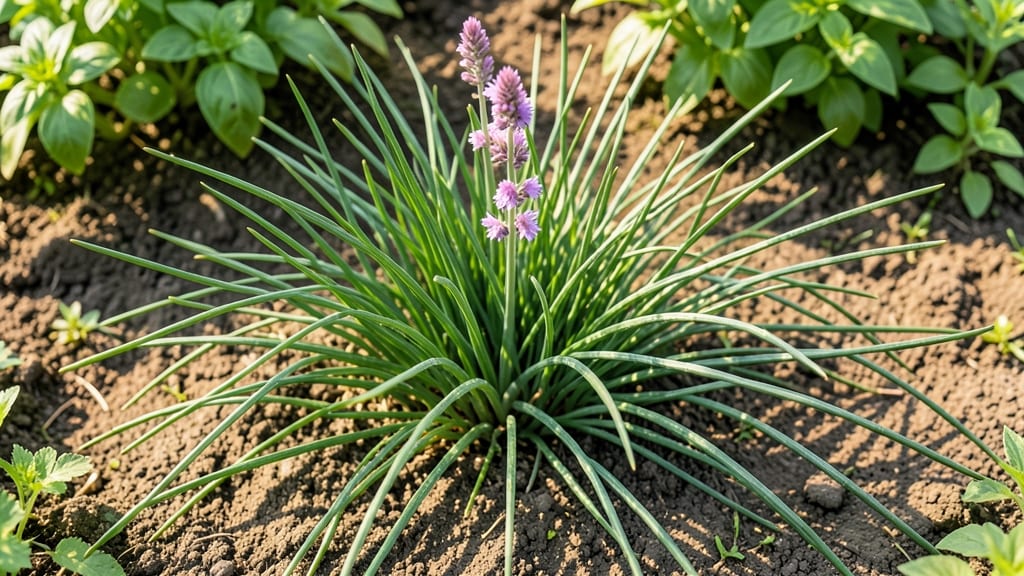
Want a plant that doubles as both a kitchen staple and a natural aphid deterrent? Garlic chives are your answer—this hardy perennial packs a punch with its strong garlic scent, which aphids despise, while adding fresh flavor to your favorite dishes.
Plant garlic chives in full sun to partial shade, where they’ll thrive in well-draining soil. Their low-maintenance nature makes them perfect for containers or garden beds, and they’ll even self-seed for continuous coverage. Snip leaves as needed for cooking, and let the scent work its magic to keep pests away.
Urban gardeners and organic growers will love this dual-purpose plant—it’s a year-round solution for both your plate and pest control efforts. 🌱
Marigold Flowers with Natural Pyrethrin Properties
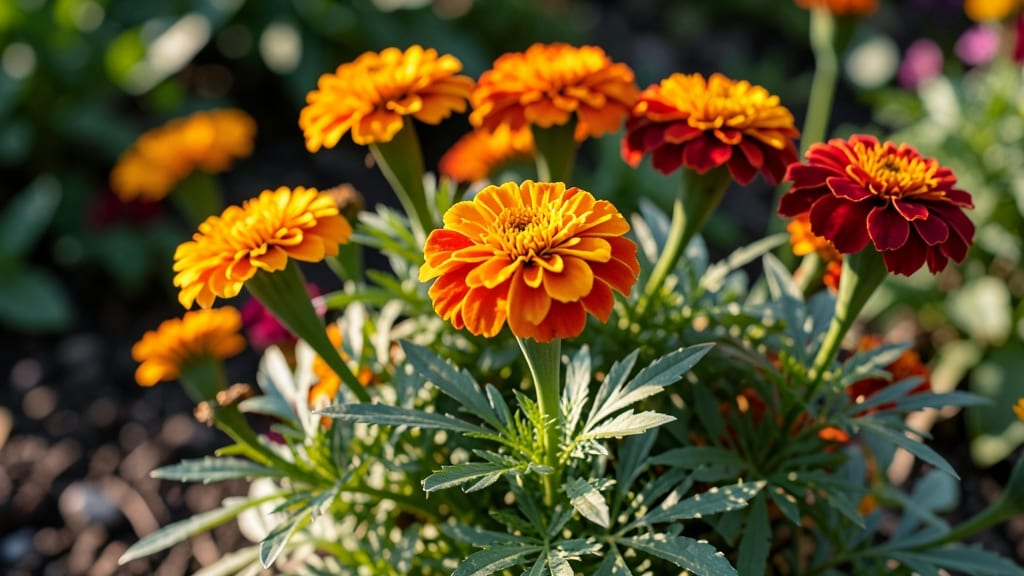
Looking for a bright, low-maintenance way to keep aphids at bay while adding color to your garden? French marigolds (Tagetes patula) pack a double punch with their natural pyrethrin compounds, a chemical that disrupts aphid life cycles while being completely safe for humans and pets.
These cheerful annuals thrive in full sun to partial shade, making them ideal for borders, containers, or even interspersed among vegetables. Plant seeds directly after your last frost date—no transplanting required—and watch them bloom continuously from early summer until frost. Their strong scent also attracts pollinators like bees and butterflies, turning your garden into a thriving ecosystem.
Urban gardeners and beginners will love how marigolds deter pests without chemicals, while their vibrant blooms in orange, yellow, and gold add instant curb appeal. Just pinch back leggy stems to encourage bushier growth. 🌻
Rosemary Herb for Drought-Tolerant Gardens
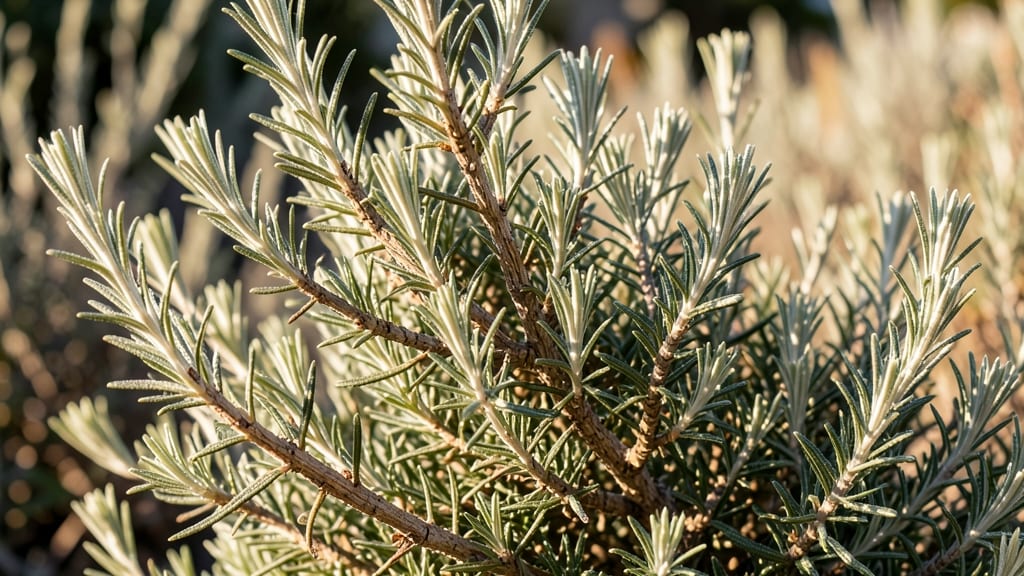
If you’re dreaming of a garden that thrives on neglect but still fights off aphids, rosemary is your secret weapon. This woody, evergreen herb doesn’t just survive drought—it loves it, making it perfect for water-wise landscapes where other plants wilt.
The key to rosemary’s aphid resistance lies in its aromatic oils, which aphids find overwhelming and avoid. Its woody stems store moisture efficiently, so you’ll rarely need to water once established. Plant it in full sun (at least 6 hours daily) and well-draining soil—even rocky or sandy soil works. Prune lightly after flowering to encourage bushier growth, but avoid over-trimming, as rosemary can handle itself.
Urban gardeners and drought-prone regions will appreciate rosemary’s resilience, while its piney fragrance adds a sensory bonus. Plus, it’s a pollinator magnet—bees adore its flowers! 🌿
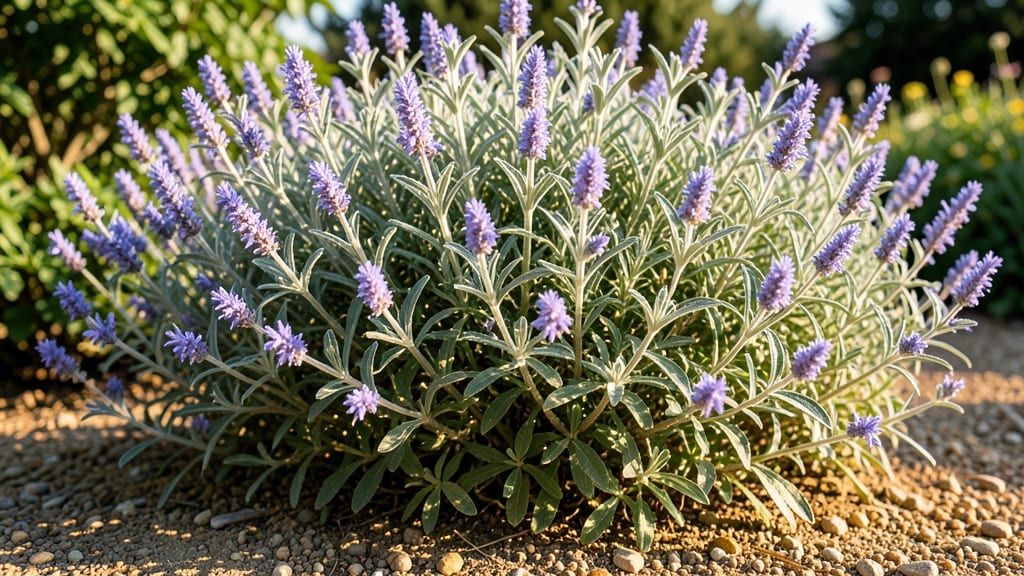
Lavender Plants for Fragrant Pest Deterrence
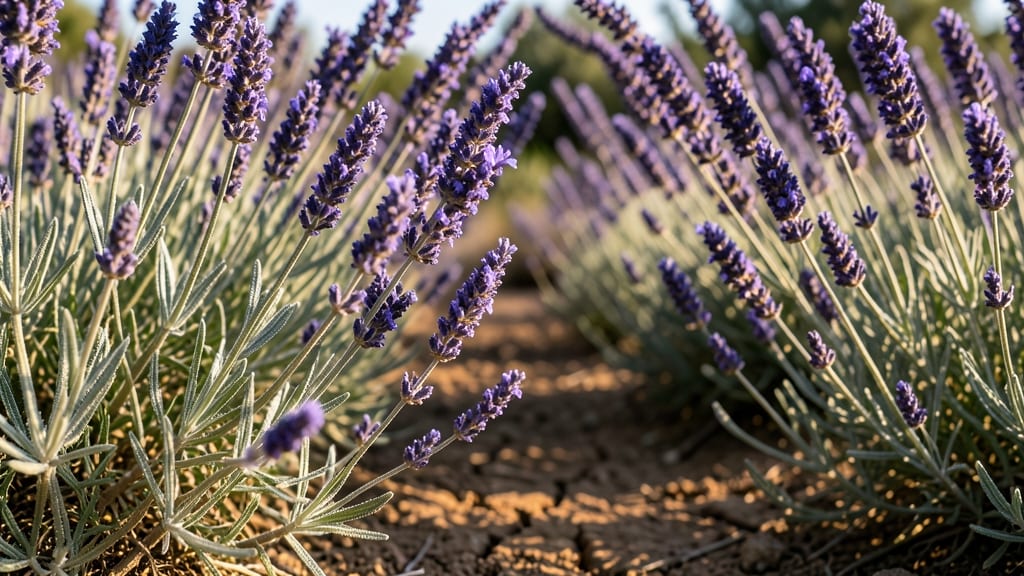
Looking for a plant that doubles as a pest repellent and a stress-reliever? Lavender is your fragrant solution—its silvery foliage and intoxicating scent naturally deter aphids, flea beetles, and even mosquitoes while creating a serene atmosphere.
This drought-tolerant shrub thrives in full sun and well-drained soil, making it perfect for rocky slopes or Mediterranean-style gardens. Prune lightly after flowering to encourage bushier growth, and harvest stems for sachets or homemade lavender oil. The calming fragrance also attracts pollinators like bees and butterflies, boosting your garden's biodiversity.
Whether you're a beginner or an aromatherapy enthusiast, lavender adds beauty, function, and tranquility to any space—all while keeping pests at bay. 🌿
Snapdragons with Fuzzy Leaves
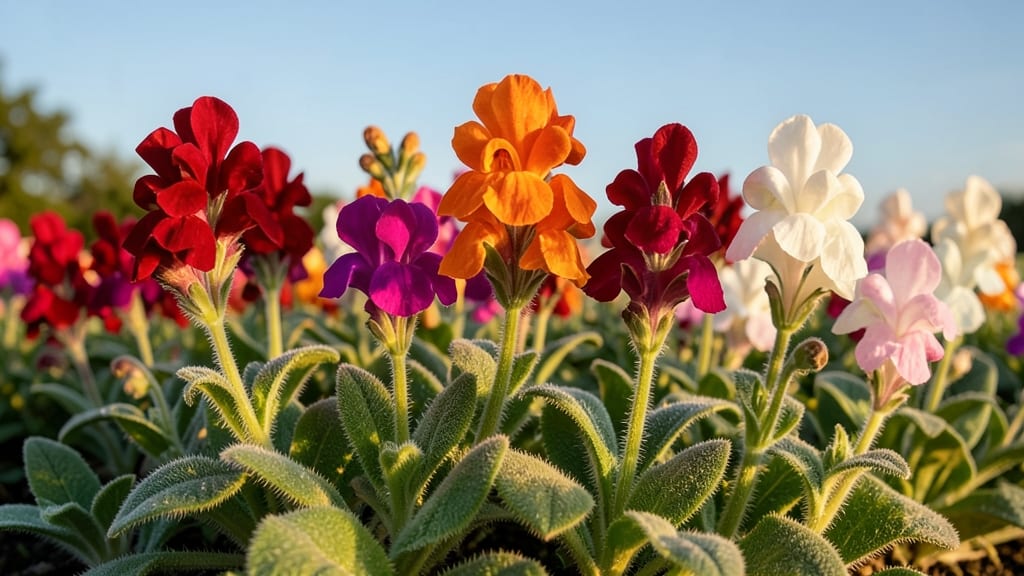
Looking for a colorful annual that naturally deters aphids while adding charm to your garden? Snapdragons with their fuzzy, hairy leaves create a physical barrier that aphids simply won’t tolerate—no pesticides required!
These bright blooms come in a rainbow of colors (from deep reds to soft whites) and thrive in full sun to partial shade, making them perfect for cottage gardens or cut flower arrangements. The velvety leaves release subtle oils that repel pests while their unique snapdragon-shaped flowers add whimsy to borders. Deadhead spent blooms to encourage continuous flowering from spring until frost.
Ideal for beginners or gardeners seeking low-maintenance beauty, snapdragons bring both pest resistance and visual appeal without the fuss of high-maintenance perennials. 🌻
Thyme Ground Cover for Low-Maintenance Gardens
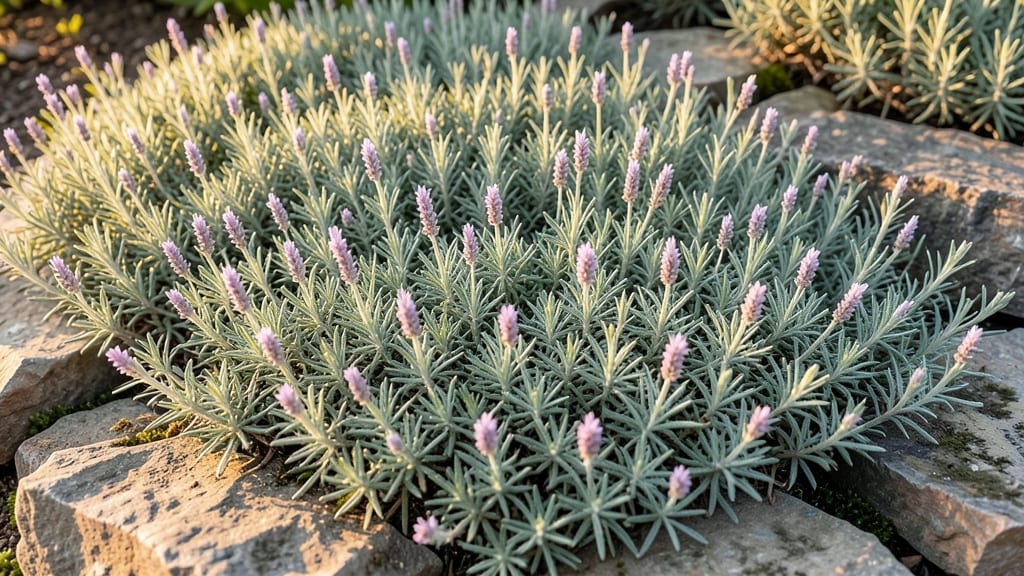
If you're looking for a zero-effort way to crowd out weeds while keeping aphids at bay, creeping thyme is your secret weapon. This hardy ground cover spreads effortlessly in sunny spots, forming a dense mat that smothers weeds and releases aromatic oils that aphids despise.
Plant it in rock gardens, between stepping stones, or along borders where its low-growing habit (3–6 inches tall) won’t compete with other plants. It thrives in poor, well-drained soil and only needs occasional watering once established. Varieties like woolly thyme or lemon thyme add bonus fragrance and pollinator appeal.
Perfect for beginners, urban gardeners, or anyone tired of weeding—just plant once and enjoy year-round pest protection with minimal care. 🌿
Dill Plants for Pollinators and Pest Control
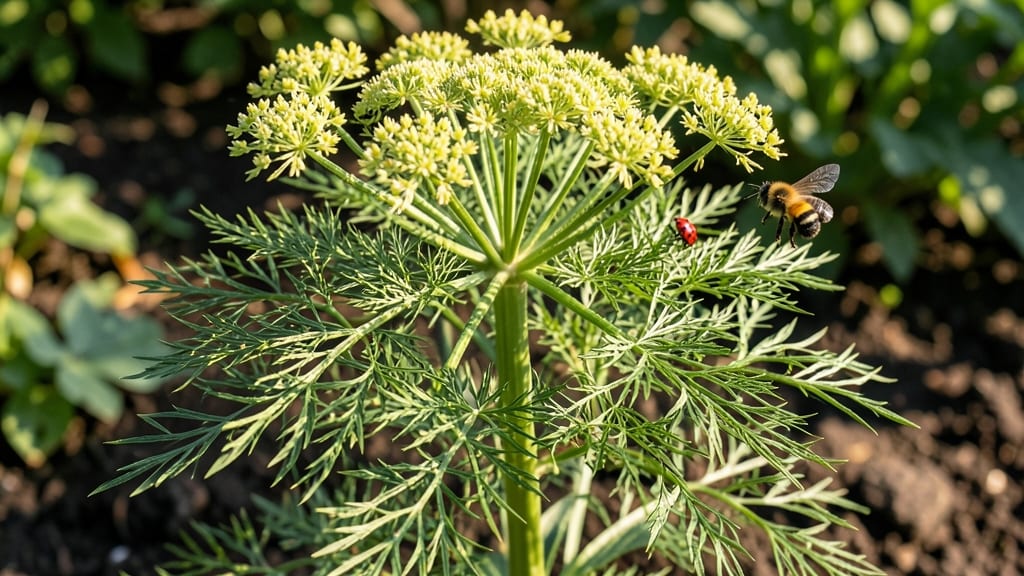
If you want a plant that does double duty—repelling pests and inviting helpful pollinators—dill is your secret weapon. Its feathery leaves and strong aroma create a natural barrier against aphids while luring ladybugs and bees to your garden.
Plant dill in full sun to full partial shade, and watch it thrive in well-draining soil. It’s a fast grower, reaching maturity in about 60-70 days, making it perfect for vegetable gardens or pollinator-friendly borders. The yellow flowers also attract beneficial wasps that prey on aphids, creating a natural pest-control ecosystem.
This versatile annual is ideal for gardeners who want to support wildlife while keeping pests at bay—no chemicals required! 🌻
Coriander Herbs with Aphid-Repelling Oils
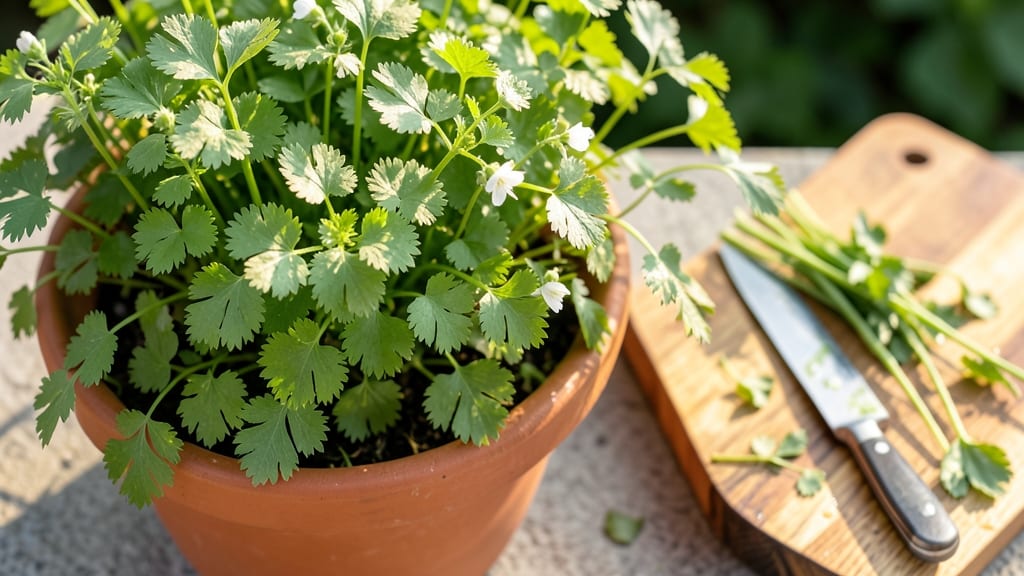
Want a plant that keeps aphids away while adding fresh flavor to your kitchen? Coriander is your secret weapon—this fast-growing annual packs a citrusy scent that aphids can’t stand, making it a natural pest deterrent. Its lacy leaves and delicate white flowers also add beauty to containers or small garden beds.
Sow seeds directly in well-draining soil after the last frost, spacing them 6 inches apart. Coriander thrives in full sun to partial shade and prefers moderate watering—keep soil moist but not soggy to prevent bolting. Harvest leaves regularly to encourage bushier growth and deter pests naturally.
Perfect for urban gardeners or small spaces, coriander’s dual-purpose nature makes it a must-have for both pest control and culinary gardens. 🌱
Fennel Bulbs for Bold Flavor and Pest Defense
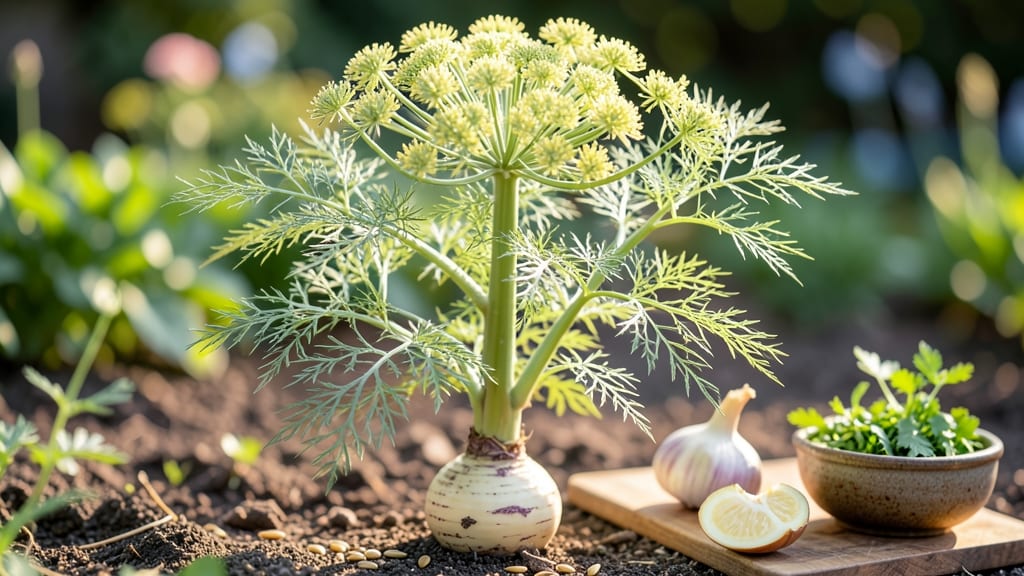
Looking for a plant that doubles as a natural aphid repellent and a bold culinary ingredient? Fennel delivers with its striking feathery foliage and strong anise scent that aphids despise. Unlike other pest-deterring plants, fennel’s edible bulbs add a unique licorice-like flavor to salads, soups, and marinades—making it a standout for kitchen gardens.
This perennial thrives in full sun to partial shade and tolerates well-drained soil, though it prefers moisture. Plant seeds directly in spring after the last frost, spacing them 12-18 inches apart for optimal growth. The tall, architectural stems (up to 5 feet) make it a dramatic backdrop for borders, while its scent keeps pests like aphids, spider mites, and even some beetles at bay.
Perfect for gardeners who want dual-purpose plants—fennel’s pest-repelling powers and culinary versatility make it a must-have for edible landscapes and organic pest control. 🌻
Catmint Perennials for Long-Lasting Protection

Want a perennial that fights aphids and thrives on neglect? Catmint delivers year-round protection with its minty fragrance, which aphids despise. Unlike annuals, this hardy plant returns every season, offering months of pest deterrence with minimal care.
Plant catmint in full sun with well-drained soil, and watch it self-seed for repeated blooms from early summer through fall. Its lavender-blue flowers attract bees and butterflies, turning your garden into a pollinator magnet. Deadhead spent blooms to encourage more flowers and deter pests even longer.
Perfect for beginners and wildlife gardens, catmint’s drought tolerance means fewer watering chores. Pair it with other aphid-resistant plants for a low-maintenance, pest-free border that keeps blooming year after year. 🌻