
Plants
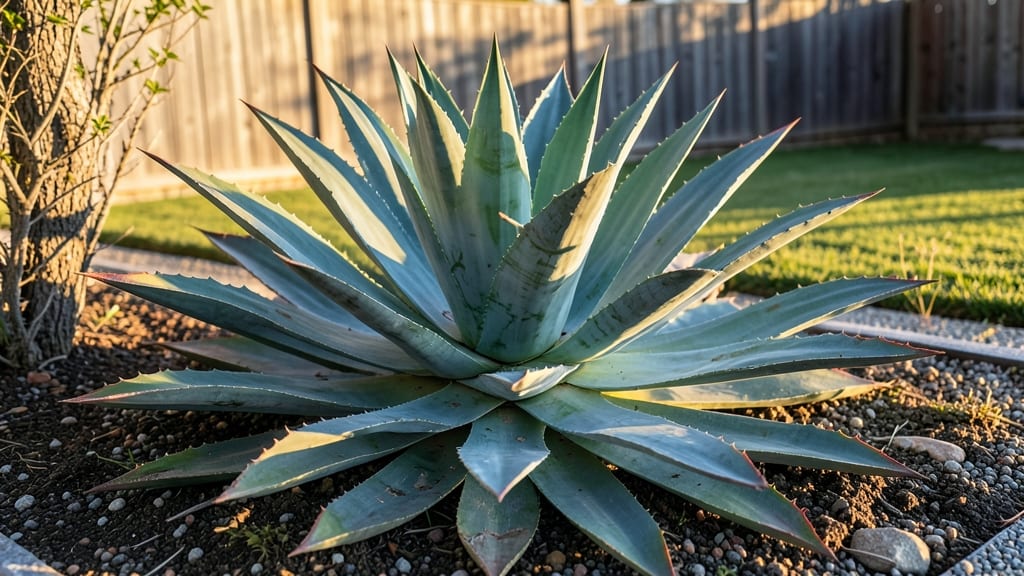
That burning, blistering agave plant rash can turn a sunny gardening day into misery in minutes. ✨ I’ve had the sap burn my hands twice—once while trimming a blue agave and again when harvesting tequila plants—and I learned the hard way that even a quick touch can leave skin screaming for relief.
The good news? Most reactions fade within 24-48 hours with the right care, and I’ll walk you through exactly what works.
The culprit is sapoxins, natural compounds in agave that trigger contact dermatitis. You don’t need to be a botanist to recognize the signs: red streaks, stinging blisters, or itching that won’t quit.
The key is acting fast—washing with cool water and mild soap within 10 minutes can prevent the rash from spreading. After that, soothing treatments like aloe vera or hydrocortisone cream (for severe cases) become your new best friends.
You’ll feel the sting fade within hours if you catch it early, and the redness should disappear in 3-5 days. Keep the area dry, avoid scratching, and watch for signs of infection like pus or fever—those mean it’s time to see a doctor.
Trust me, your hands will thank you when you’re back to gardening without flinching at the sight of an agave.
Prevention is simpler than you’d think: wear nitrile gloves when handling plants, and rinse your skin immediately if sap touches it. Even experienced gardeners slip up—like me, reaching for that perfect cutting without thinking. But once you know the drill, you’ll handle agave like a pro without the painful aftermath.
Root Causes Of Skin Reactions
When your skin reacts to an agave plant—whether from sap, spines, or even pollen—it’s usually due to one of three key triggers. Understanding these can help you avoid flare-ups and treat irritation faster. Let’s break down the science behind why your skin might be protesting.
The most common cause of an agave rash is direct contact with the plant’s sap. Agave plants produce a milky, sticky resin (similar to aloe or milkweed) that contains:
- Saponins: Natural compounds that act as mild irritants, disrupting the skin’s protective barrier and triggering inflammation.
- Oxalates: Crystalline structures that can cause mechanical irritation, almost like tiny micro-tears in the epidermis.
- Enzymes (e.g., proteases): Break down skin proteins, leading to redness, swelling, or even blistering in sensitive individuals.
Why it stings: The sap’s stickiness ensures it lingers on skin, prolonging exposure. Even a light brush against the leaves or stems can leave behind enough residue to spark a reaction within hours.
Agave plants are armed with sharp, hair-like spines (not true thorns) that penetrate the skin easily. These aren’t just physical irritants—they can also:
- Introduce bacteria: Tiny cuts create entry points for Staphylococcus or Streptococcus, worsening redness and infection risk.
- Trigger histamine release: The body’s immune response to foreign objects can cause itching, hives, or even anaphylaxis in rare cases.
- Embed deeply: Unlike cactus spines, agave spines can break off under the skin, leading to persistent irritation or granulomas (small, hard bumps).
Pro tip: 💡 If you’ve touched an agave and notice raised, itchy trails, the spines may still be lodged—use tweezers (sterilized!) to extract them gently.
Less obvious but equally problematic is exposure to agave pollen or dust. When disturbed (e.g., by wind, pruning, or even walking nearby), the plant releases:
- Volatile organic compounds (VOCs): Can trigger respiratory symptoms and skin reactions in allergy sufferers.
- Protein allergens: Similar to those in ragweed or grass pollen, these may cause contact dermatitis or atopic eczema flare-ups.
- Fine particulate matter: Linger in the air or settle on skin, acting like a mild abrasive over time.
Watch for: If your rash appears hours after handling the plant (or even days later), pollen exposure is likely the culprit. Symptoms may include:
- Red, scaly patches
- Intense itching (especially at night)
- Secondary reactions like dryness or cracking
Key takeaway: Most agave rashes are your skin’s way of saying, “Hey, back off!” Whether it’s sap, spines, or pollen, the solution starts with identifying the trigger—so you can avoid it next time. Stay tuned for our next section on how to treat reactions fast!
How to Treat Plant Skin Reactions
If you’ve spotted a red, itchy, or swollen patch after coming into contact with an agave plant, don’t panic—there are effective ways to soothe the irritation and speed up healing. The right approach depends on the cause of your reaction (allergic contact dermatitis, sap irritation, or mechanical damage).
Below, we break down practical solutions for each scenario, plus prevention tips to keep your skin safe in the future.
Cause: Direct contact with agave sap or spines Fix: Cleanse, cool, and calm the skin ASAP.
- Wash the area 🧼
- Use mild, fragrance-free soap (like Cetaphil or Dove) and lukewarm water to remove any residual sap or plant oils.
- Pro tip: Avoid scrubbing—gentle rinsing prevents further irritation.
- Apply a cold compress ❄️
- Wrap an ice pack (or a damp cloth) around the affected area for 10–15 minutes to reduce swelling and numb itching.
- Repeat every few hours if needed.
- Use an over-the-counter (OTC) anti-itch cream 🧴
- Hydrocortisone 1% (like Cortizone-10) can help with inflammation.
- Calamine lotion or baking soda paste (mix with water) may also provide relief.
- Take an oral antihistamine 💊
- If the itch is severe, Benadryl (diphenhydramine) or Zyrtec can help break the itch-scratch cycle.
Cause: Sensitivity to agave compounds (saponins, resins, or spines) Fix: Strengthen your skin barrier and reduce inflammation.
- Moisturize with a fragrance-free lotion 🧴
- CeraVe or Vanicream (ceramide-based) help repair the skin barrier.
- Avoid: Alcohol-based products—they can dry out skin further.
- Try a topical steroid (if needed) 💡
- For moderate reactions, a 2% hydrocortisone cream (applied 2–3x daily) can help.
- When to see a doctor: If the rash spreads, oozes, or lasts more than 3–5 days.
- Use colloidal oatmeal 🌾
- Aveeno Soothing Bath or a homemade oatmeal paste (blend oats into a fine powder, mix with water) can reduce irritation.
- Avoid triggers ❌
- Don’t touch agave plants (or other succulents like aloe) until fully healed.
- Wear gloves when gardening or handling plants.
Cause: Agave sap (which can act like a mild irritant) or spine punctures Fix: Clean, protect, and monitor for infection.
- Clean the wound 🧴
- Rinse with saline solution (or clean water if saline isn’t available).
- Do not use hydrogen peroxide—it can damage healthy tissue.
- Apply an antibiotic ointment 💊
- Neosporin or Polysporin helps prevent infection in cuts or scrapes.
- Cover with a bandage 🩹
- Use a non-stick gauze pad and medical tape to keep the area clean.
- Change daily or if it gets wet.
- Watch for signs of infection ⚠️
- Red streaks, pus, or increasing pain mean see a doctor immediately.
The best way to avoid agave-related rashes? Stay proactive!
✅ Wear protective gear 🧤
- Gloves (nitrile or leather) and long sleeves when handling agave or gardening.
✅ Wash hands after contact 🧼
- Even a small amount of sap can cause irritation—soap and water are your best defense.
✅ Choose low-risk plants 🌱
- If you’re sensitive, opt for non-irritating plants like spider plants or African violets.
✅ Test new plants first 🧪
- Do a patch test: Rub a small area of your arm with the plant (or sap) and wait 24 hours to check for reactions.
✅ Keep agave out of high-traffic areas 🏡
- Place potted agave in low-touch spots (like shelves) where kids or pets won’t brush against it.
While most agave rashes are mild, seek medical help if you experience:
- Severe swelling or difficulty breathing (signs of anaphylaxis—rare but possible).
- Blisters, oozing, or spreading redness (could indicate infection).
- No improvement after 5–7 days of home treatment.
Final Thought: Agave plants are stunning, but their sharp spines and irritating sap can cause trouble. With the right cleansing, soothing, and preventive steps, you can enjoy their beauty without the itch! 🌵💚
Frequently asked questions
What does an agave plant rash look like?
An agave rash typically appears as red, inflamed streaks or patches where the skin touched the plant. You might see small blisters, intense itching, or even raised bumps from embedded spines. The reaction often starts within minutes to hours after contact, with the most severe cases showing swelling or oozing.
How long does an agave rash last?
Most mild reactions fade within 24-48 hours with proper care, while more severe cases may take 3-5 days to heal. If you notice persistent redness, blistering, or signs of infection (pus, fever) after 5-7 days, see a doctor—this could indicate a secondary infection or allergic reaction.
Can I use household items to treat an agave rash?
Yes! For immediate relief, try washing with mild soap and cool water, then applying a cold compress (ice pack wrapped in a cloth) for 10-15 minutes. Baking soda paste (mix with water) or aloe vera gel can also soothe irritation. Avoid rubbing alcohol or vinegar—they can worsen dryness.
Why do some people get rashes from agave and others don’t?
Skin sensitivity varies—some people have natural resistance to agave’s saponins and oxalates, while others develop reactions due to weakened skin barriers, allergies, or previous exposure. Even if you’ve handled agave before without issues, factors like stress, humidity, or compromised skin (e.g., eczema) can trigger reactions later.
Will my agave rash spread if I scratch it?
Yes! Scratching can worsen irritation, introduce bacteria, and cause the rash to spread. Break the itch-scratch cycle with oral antihistamines (Benadryl) or hydrocortisone cream. Keep nails short and wear gloves if you must touch the area to prevent further damage.