
Diseases
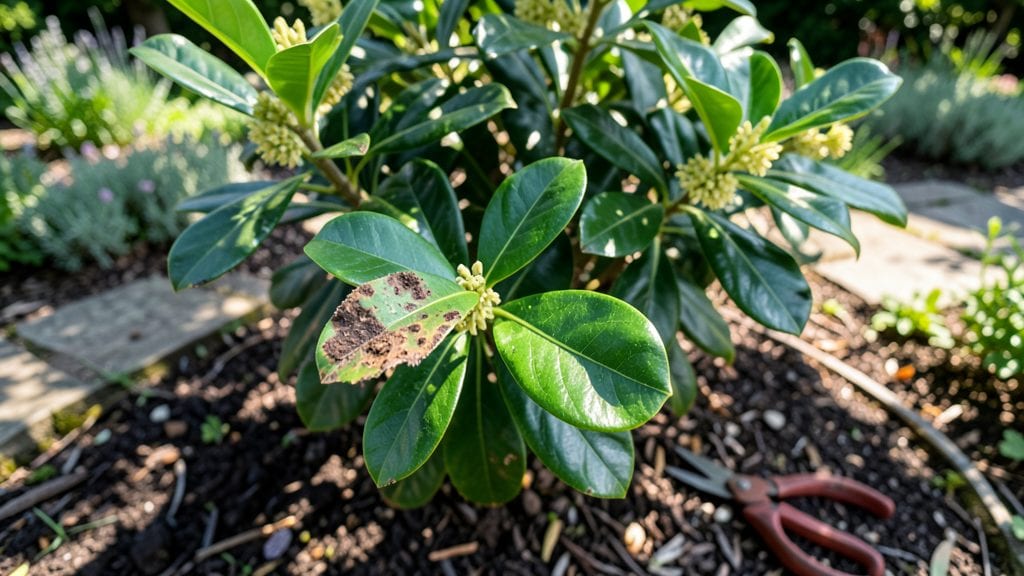
Laurel plant diseases start with subtle clues—yellowing leaves, strange spots, or leaves that refuse to stay crisp. 🌿 I’ve seen powdery mildew turn glossy leaves into dusty messes and bacterial spots spread like inkblots overnight. The good news? These problems have organic fixes that actually work, not just temporary bandages.
Most issues pop up when humidity hangs too long, water pools at the roots, or nutrients get out of balance. My bay laurels thrived until I moved them under a dripping eave—suddenly, fungus took over.
The key is catching signs early: white powder, dark rings, or leaves that curl like they’re hiding something. Once you spot these, you can act before the whole plant throws in the towel.
You’ll learn to treat fungal infections with baking soda sprays, bacterial spots with copper solutions, and environmental stress with better watering habits. Within weeks, your laurels can bounce back to that rich, glossy green we all love. The secret? Consistency—don’t wait until the plant is half-dead to intervene.
Works for both indoor and outdoor laurels, no matter the season. Let’s get your plants back to their best before the damage spreads further.
Root Causes Of Laurel Stress
Laurel plants, whether Laurus nobilis (bay laurel) or Prunus laurocerasus (cherry laurel), are hardy but not invincible. When diseases strike, they rarely appear out of nowhere—they’re usually the result of environmental mismatches, biological invaders, or cultural oversights.
Understanding these triggers is the first step to prevention. Below, we break down the most common reasons your laurel’s health is under siege.
Laurel plants thrive in specific conditions, and when those conditions shift—whether due to weather, soil changes, or human interference—they become vulnerable to disease. Here’s how environmental factors set the stage for trouble:
💧 Overwatering or Poor Drainage
Laurel roots hate soggy feet. While they enjoy consistent moisture, waterlogged soil suffocates roots, cutting off oxygen and inviting fungal pathogens like Phytophthora (root rot). Signs of overwatering include:
- Yellowing leaves (especially lower leaves)
- Mushy, blackened stems at the base
- Foul, wet-smelling soil when dug into
Why it happens: Clay-heavy or compacted soil traps excess water, while containers without drainage holes act as death traps. Even well-draining soil can become waterlogged during prolonged rain or if you’re on a strict watering schedule without checking soil moisture.
Actionable fix: Test soil moisture by sticking your finger 2 inches deep—if it’s damp, wait. Amend heavy soil with perlite or sand, and ensure pots have drainage holes.
☀️ Extreme Heat or Sunburn
Laurel leaves are glossy for a reason—they reflect sunlight to prevent scorching. But when exposed to intense afternoon sun (especially in hot climates) or sudden heatwaves, they develop sunburn, which weakens the plant’s defenses against pests and diseases.
- Brown, crispy patches on leaf edges
- Premature leaf drop in summer
- Stunted growth despite adequate water
Why it happens: Young laurel plants or those recently transplanted are most at risk. High humidity + full sun = a recipe for leaf scorch, while drought stress makes leaves more susceptible to damage.
Actionable fix: Provide afternoon shade (especially in zones 8–10) and mulch heavily to retain moisture. Avoid pruning in peak sun—do it in early morning or late afternoon.
❄️ Cold Snaps and Frost Damage
Most laurel varieties are semi-evergreen, meaning they can tolerate light frosts but not prolonged cold (below 15°F). Frost cracks stems, and freezing temperatures stress the plant, making it an easy target for bacterial canker or powdery mildew.
- Blackened, mushy stems (bacterial canker)
- White, powdery coating on leaves (mildew)
- Wilting despite moist soil
Why it happens: Laurel roots are shallow, so frost penetrates quickly. Wind also exacerbates cold damage by drying leaves faster. Overhead watering before a freeze can freeze leaf tissue, creating entry points for pathogens.
Actionable fix: Mulch with 4–6 inches of straw or wood chips before winter. In containers, move plants to a protected location or wrap them in burlap. Avoid watering before a freeze.
Diseases don’t just appear—they’re often hitchhikers on pests, wind, or contaminated tools. Once established, they exploit a laurel’s weakened state. Here’s how the worst offenders gain a foothold:
🐜 Fungal Spores: The Silent Spreaders
Fungi like Septoria leaf spot or Botrytis blight thrive in humid, stagnant conditions. They don’t just attack—they wait for the right moment: when leaves are wet for 12+ hours, when debris clogs the soil, or when a laurel is already stressed.
- Dark spots with yellow halos (Septoria)
- Gray, fuzzy mold on stems/leaves (Botrytis)
- Premature leaf drop in damp weather
Why it happens: Fungal spores overwinter in dead leaves or soil. When conditions turn humid (like after rain or in shaded areas), they germinate and infect through stomata (leaf pores) or wounds. Poor air circulation in dense plantings accelerates spread.
Actionable fix:
- ✂️ Prune for airflow: Thin out crowded branches by 20–30%.
- 🌧️ Water in the morning to allow leaves to dry by evening.
- 🔥 Clean up debris: Remove fallen leaves and mulch 3+ inches away from stems.
🐛 Pests as Disease Carriers
Some pests don’t just eat laurel—they inject diseases while feeding. For example:
- Scale insects excrete honeydew, which ferments into sooty mold (a fungal growth that blocks sunlight).
- Aphids spread virus diseases like Laurel wilt (caused by the fungus Raffaelea lauricola, vectored by redbay ambrosia beetles).
- Spider mites weaken leaves, making them more susceptible to fungal infections.
Why it happens: Pests thrive in dry, hot conditions (they desiccate plants faster). Once established, they create wounds or leave sticky residues that trap fungal spores. Laurel wilt, for instance, is 100% fatal and spreads via beetles attracted to stressed trees.
Actionable fix:
- 🔍 Inspect new plants for pests before bringing them home.
- 💦 Blast pests off with a strong stream of water (aphids/scale hate this).
- 🌿 Introduce beneficial insects: Ladybugs eat aphids; predatory mites control spider mites.
🦠 Soil-Borne Pathogens
Some diseases lurk below ground, waiting for the perfect moment to strike. Phytophthora root rot and Armillaria (honey fungus) are two of the most destructive, often introduced via contaminated soil or infected plant material.
Quick Fixes for Common Laurel Ailments
Laurel plants are hardy, but even the toughest greenery can fall prey to pests and diseases. The good news? Most issues have simple, organic solutions that don’t require harsh chemicals. Below, we’ll map out practical fixes for each problem, along with prevention tips to keep your laurels thriving.
**🔥 Cause: Overwatering, poor airflow, or damp foliage 🍳 Fix It Fast:
- Prune & Improve Airflow
- Trim back dense branches to
- Remove infected leaves (wear gloves!) and dispose of them in a sealed bag—do not compost.
- Apply a Fungicide Spray (Organic Options)
- Baking soda solution (1 tbsp baking soda + 1 quart water + a few drops of soap) – spray every 7–10 days until symptoms fade.
- Copper fungicide (like Copper Soap) – follow label instructions for severe cases.
- Adjust Watering Habits
- Let the
- Water at the base (not overhead) to keep leaves dry.
💡 Prevent Future Outbreaks: ✔ Space plants 3–5 feet apart for better airflow. ✔ Water in the morning so foliage dries quickly. ✔ Avoid overhead irrigation (drip systems > sprinklers).
🔥 Cause: Weak plants, drought stress, or poor garden hygiene 🍳 Fix It Fast:
- Blast Off Pests (Mechanical Control)
- Spider mites/aphids: Spray with a strong jet of water to knock them off.
- Natural Insecticides (Safe & Effective)
- Horticultural oil (like Neem oil or refined petroleum oil) – apply when temps are above 50°F to avoid leaf damage.
- Beneficial insects: Release ladybugs or lacewings to eat aphids naturally.
- Treat Laurel Wilt (If Infected)
- Prune surrounding plants to reduce spread.
- Avoid wounding trees (use sharp tools when pruning).
💡 Prevent Pest Problems: ✔ Keep plants healthy (balanced fertilizer, proper watering). ✔ Inspect new plants before bringing them home. ✔ Clean up fallen leaves/debris (pests love hiding there!). ✔ Use reflective mulch (like aluminum foil) to deter spider mites.
🔥 Cause: Poor soil, over/under-fertilizing, or compacted roots 🍳 Fix It Fast:
- Diagnose the Issue (Leaf Color Clues)
- Yellow edges? → Potassium or magnesium deficiency.
- Pale green leaves? → Iron or chlorophyll deficiency.
- Organic Fertilizer Boost
- For potassium/magnesium: Apply greensand or Epsom salt (1 tbsp per gallon of water, spray on leaves).
- For iron: Use chelated iron supplement (follow package rates).
- Improve Soil Health
- Add organic matter (compost or well-rotted manure).
- Mulch (2–3 inches of wood chips or straw) to retain moisture and nutrients.
💡 Prevent Deficiencies Long-Term: ✔ Test soil every 2–3 years (check pH—laurels prefer 6.0–7.5). ✔ Fertilize in early spring (avoid heavy feeding in fall/winter). ✔ Use slow-release fertilizers to avoid nutrient spikes.
🔥 Cause: Harsh weather, sudden temperature shifts, or poor location 🍳 Fix It Fast:
- Protect from Sun Scorch
- Use shade cloth (30–50%) if outdoors.
- Revive Frost-Damaged Plants
- Water deeply (but avoid soggy soil).
- Apply mulch (4–6 inches) to insulate roots.
- Shield from Windburn
- Stake young laurels to prevent bending.
💡 Prevent Weather-Related Damage: ✔ Choose the right location (avoid hot, dry spots or frost pockets). ✔ Water deeply before frost (hydrated plants handle cold better). ✔ Use frost cloth in tender climates (Zone 7 and below).
Final Pro Tip: 🌿 When in doubt, start with neem oil! It’s a multi-purpose fix for fungi, pests, and even some nutrient issues. Spray preventatively every 4–6 weeks to keep laurels disease-free.
Now go give those laurels the organic TLC** they deserve! 🌱✨
Frequently asked questions about laurel plant diseases
What are the most common signs my laurel plant might have a fungal infection?
Look for white powdery coatings (powdery mildew), dark spots with yellow halos (leaf spot), or gray fuzzy patches (Botrytis). These appear when humidity stays high for long periods or airflow is poor. Check both upper and lower leaf surfaces—fungi love hiding there!
Can I save a laurel plant already showing severe disease symptoms?
It depends! For early-stage fungal infections, prune infected leaves, improve airflow, and apply neem oil or baking soda spray. If you see blackened stems or wilting (like with root rot), the plant may be beyond saving. Remove it immediately to prevent spread to other plants.
How often should I spray my laurel plants with preventive treatments?
Every 4-6 weeks during growing season (spring-fall) is ideal for neem oil sprays. If your area has high humidity or past disease issues, do it monthly. Always spray in early morning or evening to avoid leaf burn from sunlight.
Are there any diseases that can kill my laurel plant quickly?
Yes—Laurel wilt (caused by a fungus spread by beetles) is 100% fatal and moves through the plant's vascular system. Watch for sudden wilting, black streaks in stems, and leaf drop. Unfortunately, there's no cure—remove infected plants immediately and sterilize tools.
What's the difference between bacterial and fungal diseases on laurels?
Fungal diseases appear as powdery coatings, spots with fuzzy edges, or white webs (like powdery mildew). Bacterial infections show as water-soaked spots that ooze, blackened cankers on stems, or yellow halos around lesions. Fungi thrive in damp conditions; bacteria spread through wounds or contaminated tools.