Planting
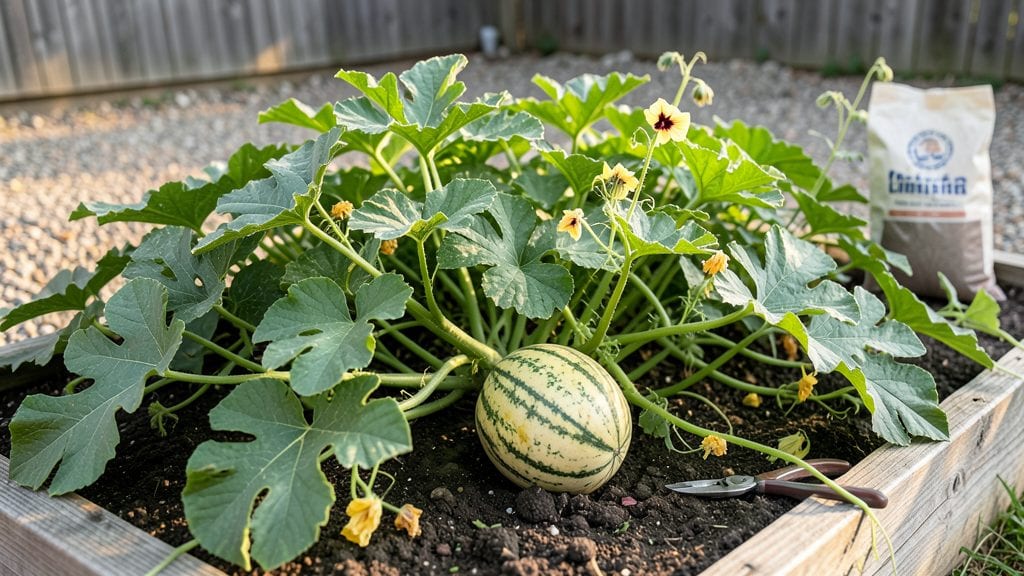
A yellow watermelon plant signals trouble before your harvest does. 🌱 I’ve diagnosed this issue in every season—from nutrient starvation to fungal infections—and the fixes depend on what’s causing the discoloration first. The key is acting fast, because once the vines weaken, fruit production suffers.
Common culprits include overwatering (root rot), nitrogen deficiency (pale yellow leaves), or powdery mildew (yellowing with white spots). I’ve seen gardeners waste weeks guessing instead of checking soil moisture, leaf texture, and stem health first.
A simple soil test or close inspection of undersides can pinpoint the exact problem in minutes.
Once you identify the issue, solutions range from adjusting watering schedules to applying fungicide or organic fertilizer. My go-to fix for nutrient problems? A balanced 10-10-10 mix applied at the base of the plant—it revives growth within 7-10 days if the roots are still healthy.
For fungal issues, neem oil or copper spray stops the spread before it reaches the fruit.
Prevention starts with proper spacing (6 feet between vines), mulching to retain moisture, and choosing disease-resistant varieties like ‘Sugar Baby’ or ‘Crimson Sweet’. If yellowing persists after treatment, consult a local extension service—they can test for soil-borne pathogens that may need professional intervention.
Root Causes Of Leaf Discoloration
Understanding why your watermelon plant’s leaves turn yellow is the first step toward fixing the problem. Yellowing leaves—often called chlorosis—can stem from a mix of environmental, nutritional, or biological stressors. Below, we break down the most common culprits with clear science-backed explanations and actionable fixes.
Yellowing leaves are a classic sign of root stress, and overwatering is one of the most common offenders. Watermelons thrive in well-drained soil, but when roots sit in soggy conditions, they suffocate, starving the plant of oxygen and nutrients.
Why it happens:
- Waterlogged soil disrupts root respiration, leading to anaerobic conditions (lack of oxygen).
- Fungal infections (like Pythium or Phytophthora) thrive in wet soil, rotting roots and blocking nutrient uptake.
- Nutrient leaching occurs when excess water washes away essential minerals (like nitrogen, iron, or magnesium) before roots can absorb them.
Actionable fixes:
- Test your soil’s moisture by sticking your finger 2 inches deep—if it’s damp, wait before watering.
- Improve drainage by amending soil with perlite, sand, or compost (aim for a mix that drains within 1–2 hours).
- Raise plant beds or use containers with drainage holes to prevent water pooling.
- Aerate compacted soil with a garden fork to help roots breathe.
Yellowing between leaf veins (interveinal chlorosis) is often a micronutrient deficiency, while general yellowing (starting at the older leaves) usually signals nitrogen starvation. Watermelons are heavy feeders, and soil depletion or imbalances can leave them malnourished.
Why it happens:
- Nitrogen deficiency (most common): Leaves turn pale yellow or yellowish-green, starting with the older, lower leaves. Nitrogen is vital for chlorophyll production—without it, leaves can’t photosynthesize efficiently.
- Iron deficiency (chlorosis): Young leaves develop bright yellow patches between veins, even if soil has iron. This happens because:
- High soil pH (alkaline conditions) binds iron into forms roots can’t absorb.
- Over-fertilizing with lime raises pH, locking out micronutrients.
- Poor root health (from disease or compaction) prevents uptake.
Actionable fixes:
- For nitrogen: Apply a balanced fertilizer (10-10-10) or compost tea every 3–4 weeks. Use blood meal (high in nitrogen) for a quick boost.
- For iron: Lower soil pH with sulfur or peat moss (aim for pH 6.0–6.8). Use chelated iron supplements (like iron sulfate) or Epsom salt (magnesium sulfate) for a DIY fix.
- Foliar spray: Mix 1 tsp iron chelate + 1 gallon water and spray leaves for immediate absorption.
Watermelon plants are heat-loving but can suffer from extreme conditions—whether too much sun, sudden cold snaps, or poor airflow. Yellowing leaves may appear as a stress response or sun scorch.
Why it happens:
- Excessive heat + dry soil: Leaves curl and turn yellow as the plant wilts to conserve water. This is common in high-desert climates or during heatwaves.
- Sunburn: Young or thin leaves exposed to intense afternoon sun (especially in hot climates) develop brown/yellow patches (necrosis).
- Cold stress: Temperatures below 50°F (10°C) slow growth, causing chlorosis and stunted vines. Watermelons are sensitive to frost and may yellow if shocked by cold.
Actionable fixes:
- Shade cloth: Use 30–50% shade fabric during peak sun (11 AM–3 PM) to protect young plants.
- Mulch heavily: Apply straw or black plastic mulch to retain soil moisture and regulate temperature.
- Avoid overhead watering: Water deeply at the base in the early morning to prevent evaporation and leaf burn.
- Hardening off: Gradually acclimate seedlings to outdoor conditions over 7–10 days to prevent cold shock.
Hidden pests and pathogens drain nutrients and disrupt the plant’s ability to produce chlorophyll. Yellowing leaves may be a secondary symptom of a larger issue.
Why it happens:
- Aphids, spider mites, or whiteflies: These sap-sucking pests inject toxins that cause yellow stippling or curling leaves. They also transmit viruses like watermelon mosaic virus, which stunts growth and yellows foliage.
- Fungal diseases (e.g., downy mildew, powdery mildew): Thrives in humid, low-light conditions, causing yellow spots that turn brown and fuzzy.
- Root-knot nematodes: Microscopic worms that feed on roots, reducing water/nutrient uptake and leading to generalized yellowing.
Actionable fixes:
- Inspect leaves daily: Look for sticky residue (aphids), webbing (mites), or mold on undersides.
- Neem oil spray: Apply weekly to deter pests (mix 1 tbsp neem oil + 1 tsp mild soap + 1 quart water).
- Copper fungicide: Treat powdery mildew with a baking soda spray (1 tsp baking soda + 1 quart water + few drops of soap).
- Crop rotation: Avoid planting watermelons in the same spot yearly to break nematode cycles.
Pro Tip: 💡 When in doubt, check the roots! Gently dig up a small section of the plant. Healthy roots are firm, white, and fibrous; rotted roots smell foul and are mushy. If roots are the issue, prune damaged sections and repot in fresh soil.
Revive Your Watermelon Vines
When your watermelon plant turns yellow, it’s a cry for help—but don’t panic! With the right fixes, you can nurse it back to health and even prevent future struggles. Below, we break down the most common causes of yellowing watermelon plants and the practical, step-by-step solutions to save your crop.
Signs: Yellowing leaves, soggy soil, wilting despite water, or roots exposed above the soil.
How to Fix It:
- 🔥 Stop Watering Immediately
- Let the top 1–2 inches of soil dry out before watering again. Overwatering suffocates roots, leading to rot.
- 👨🍳 Improve Soil Drainage
- Mix in compost or perlite (1 part to 3 parts soil) to loosen heavy clay soil.
- If planting in containers, ensure pots have drainage holes and use a well-draining potting mix.
- ⏰ Adjust Your Watering Schedule
- Water deeply 1–2 times per week (early morning is best) rather than daily shallow watering.
- Use a moisture meter to check soil dampness—aim for 60–70% moisture, not soggy.
💡 Prevention Tip:
- Raise beds or mounds slightly to help excess water drain away from roots.
- Mulch with straw or shredded leaves to retain moisture without overwatering.
Signs: Pale yellow leaves (especially on lower vines), slow growth, or leggy stems reaching for light.
How to Fix It:
- 🌞 Move to a Sunnier Spot
- Watermelons need 6–8 hours of direct sunlight daily. If indoors, place near a south-facing window or use grow lights (12–14 hours/day).
- 🍳 Prune Obstructing Plants
- Trim back taller plants (like corn or sunflowers) blocking sunlight.
- Remove nearby weeds competing for light.
- 🌡️ Boost Light with Reflective Surfaces
- Place white reflective panels or aluminum foil around the base to bounce extra light onto vines.
💡 Prevention Tip:
- Start seeds indoors 2–3 weeks before the last frost, then transplant to a full-sun location once warm.
- Use black plastic mulch to absorb heat and encourage faster growth.
Signs: Yellow spots with black/brown edges, mushy stems, or powdery white growth on leaves.
How to Fix It:
- 🔪 Remove Infected Parts
- Snip off yellowed or spotted leaves with clean pruners (sterilize with rubbing alcohol).
- Dispose of infected debris away from the garden to prevent spread.
- 🥘 Apply Fungicide
- Spray with a copper-based fungicide or neem oil solution (1 tbsp neem oil + 1 tsp mild soap per quart of water).
- Reapply every 7–10 days until new growth appears healthy.
- 🌡️ Improve Air Circulation
- Space plants 3–4 feet apart to reduce humidity buildup.
- Use fan circulation (on low) for 1–2 hours daily if growing in containers.
💡 Prevention Tip:
- Water at the base (avoid wetting leaves) to minimize fungal spores.
- Rotate crops yearly—don’t plant watermelons in the same spot if fungal issues persist.
Signs: Uniform yellowing (especially between veins), stunted growth, or purple stems (phosphorus deficiency).
How to Fix It:
- 📊 Test Your Soil
- Use a home soil test kit to check pH (ideal: 6.0–6.8) and nutrient levels.
- 💪 Fertilize Properly
- Nitrogen deficiency? Apply balanced fertilizer (10-10-10) or compost tea.
- Magnesium deficiency (yellow between veins)? Sprinkle Epsom salt (1 tbsp per gallon of water) every 2 weeks.
- Potassium deficiency? Use banana peel tea (steep peels in water for 2 days) or a potassium-rich fertilizer.
- 🍎 Avoid Over-Fertilizing
- Too much nitrogen = leafy growth, no fruit. Use low-nitrogen fertilizer (5-10-10) once vines start running.
💡 Prevention Tip:
- Side-dress with compost or aged manure mid-season (when flowers appear) for a slow nutrient boost.
- Mulch heavily to retain soil moisture and nutrients.
Signs: Chewed leaves, holes, or sticky residue (aphids/hornworms), wilting from sap-sucking pests.
How to Fix It:
- 🔪 Handpick Pests
- Remove hornworms (green caterpillars) or squash bugs by hand and drop in soapy water.
- 🥘 Use Natural Repellents
- Spray with soapy water (1 tsp mild soap + 1 quart water) to deter aphids.
- Plant companion crops like nasturtiums or marigolds to repel pests.
- 🌡️ Introduce Beneficial Insects
- Release ladybugs or praying mantises to control aphids and caterpillars.
💡 Prevention Tip:
- Inspect plants daily (especially undersides of leaves) for early signs of pests.
- Use row covers for young plants to block pests before they infest.
✨ Pro Tip: Keep a plant journal to track watering, fertilizing, and pest issues—this helps you spot patterns and adjust care next season! With these fixes, your watermelon vines should bounce back in 1–2 weeks, and you’ll be on track for a juicy, bountiful harvest. 🍉💚
Frequently asked questions
Why are my yellow-fleshed watermelon leaves turning yellow first?
Yellow-fleshed varieties like 'Yellow Crimson' or 'Yellow Doll' are more sensitive to nutrient deficiencies because their unique flesh color requires extra magnesium. When leaves yellow, it’s often a sign of magnesium deficiency (yellow between veins) or iron chlorosis (pale yellow). Test soil pH—if above 6.8, roots can’t absorb these nutrients. Apply Epsom salt (1 tbsp/gallon water) weekly for magnesium or use chelated iron for quick results.
Can I still harvest fruit if the plant is yellowing?
Yes, but focus on existing fruit first—new growth may be compromised. If yellowing is from overwatering or nutrient issues, the plant can recover enough to finish ripening current melons. For fungal diseases or pests, remove infected leaves immediately to protect fruit quality. Harvest when the tendril nearest the melon turns brown and the rind sounds hollow when tapped.
How do I tell if yellow leaves are from overwatering vs. underwatering?
Check the soil moisture and leaf texture:
- Overwatering: Leaves are yellow, mushy, or drooping despite wet soil. Roots may smell foul when dug up.
- Underwatering: Leaves curl upward, feel crispy, and yellowing starts at the edges. Soil is dry 2+ inches deep. For yellow-fleshed varieties, underwatering is more common—they need 1–1.5 inches of water weekly (deep watering, not frequent light sprinkles).
Are yellow-fleshed watermelons more prone to yellowing?
Not inherently, but their higher magnesium needs make them show deficiency symptoms faster. The yellow flesh trait (from anthocyanin absence) doesn’t affect leaf health directly, but these varieties often grow in warmer climates where soil nutrients deplete quicker. Amend soil with compost before planting and use a balanced fertilizer (5-10-10) every 3–4 weeks to prevent stress.
What’s the fastest way to fix yellowing from heat stress?
Provide immediate shade (use 30–50% shade cloth) and deep water at soil level (not leaves) in the early morning. For severe cases, mist leaves lightly with water to cool them down. Yellow-fleshed varieties handle heat better than red-fleshed ones, but all watermelons need consistent moisture during 90°F+ days. Mulch with straw to retain soil moisture and reduce temperature swings.